The Supreme Court dropped a bombshell on Tuesday by handing President Donald Trump a rare loss, ruling 6-3 to deny a stay on deploying the National Guard to Illinois — but the rebuke of Trump was not the only thing some legal experts noticed in the opinion.
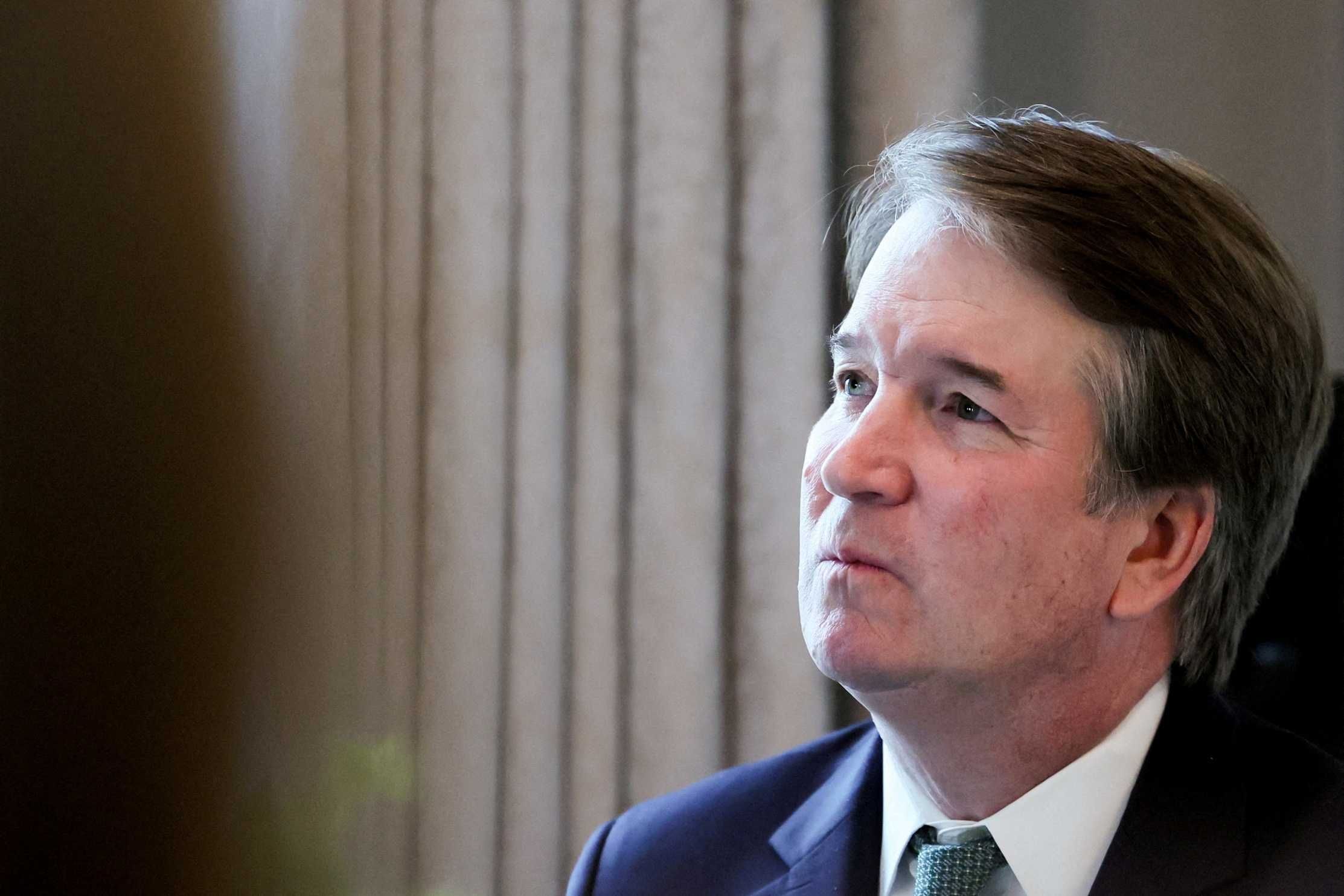
Specifically, Justice Brett Kavanaugh, who drafted a concurrence with the majority on one of the key issues in the decision, made statements in his opinion that suggest he may regret one of the most controversial court decisions in recent months.
In a ruling in September that stayed a lower court block on certain kinds of immigration raids in California, Kavanaugh authored a concurrence in which he appeared to endorse profiling by federal agents outright, while simultaneously denying that American citizens have anything to fear from this. "The Government sometimes makes brief investigative stops to check the immigration status of those who gather in locations where people are hired for day jobs; who work or appear to work in jobs such as construction, landscaping, agriculture, or car washes that often do not require paperwork and are therefore attractive to illegal immigrants; and who do not speak much if any English," he wrote.
This ruling sparked a wave of outrage, and several legal and political observers began calling immigration enforcement based on racial or ethnic profiling "Kavanaugh stops," and tallying up the growing number of alleged incidents of this type occurring under the Trump administration.
All of this may have stung the justice, because he appeared to qualify or walk back this sentiment in his concurrence in the Illinois case.
"The basic constitutional rules governing that dispute are longstanding and clear: The Fourth Amendment requires that immigration stops must be based on reasonable suspicion of illegal presence, stops must be brief, arrests must be based on probable cause, and officers must not employ excessive force," wrote Kavanaugh. "Moreover, the officers must not make interior immigration stops or arrests based on race or ethnicity."
This change of tone was not lost on New York University law professor and former Defense Department special counsel Ryan Goodman.
"Kavanaugh goes out of his way to pen a footnote not having to deal with the case at hand," Goodman wrote on X. "He appears to be trying to narrow the forces he unleashed with his prior opinion allowing for race- and ethnicity-based #KavanaughStops."