Here's why Democrats need to stop underestimating the numbers in Trump's favor: data analyst
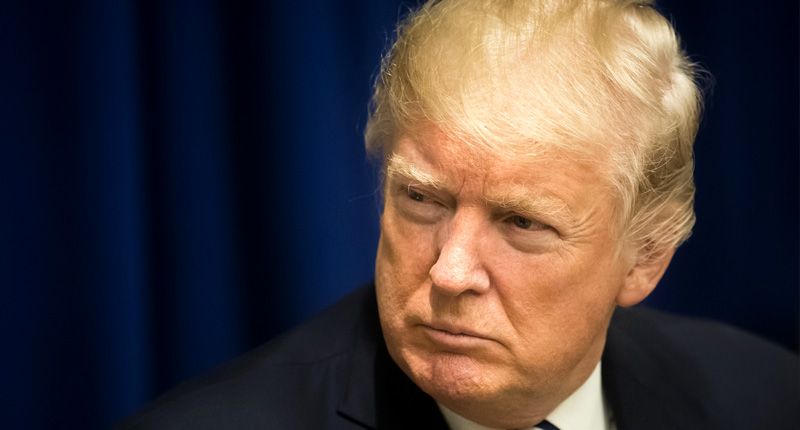
Democrats and Republicans alike underestimated Donald Trump in 2016 — and one data analyst is warning them not to do so again in the leadup to 2020.
Washington Post analyst and columnist David Byler wrote that "Trump has roughly 50-50 odds of winning reelection at this point" — and the current positive economic outlook is his "most promising indicator."
Based on a simple statistical model from Emory University's Alan Abramowitz that pairs "a solid economy (which Trump has) and high approval ratings (which he doesn’t)," the president has a roughly 51.4 percent shot at reelection.
Though common knowledge dictates that a president with such low approval ratings has a lower shot of getting reelected, "the conventional wisdom is discounting the possibility that Trump’s approval improves enough for him to win and overestimating the (still very real) likelihood of total collapse, Byler wrote.
Trump's approval rating, the analyst noted, has historically slid upwards when he's not actively sabotaging himself by pushing Obamacare repeal or shutting the government down.
"If Trump were to calm down a little bit (which I know is a big ask)," he wrote, "maybe work out some very basic happy-sounding compromises with House Democrats (or at least make a big show of trying), it’s not impossible to imagine him getting into the mid-to-high 40 percent range."
That range plus a further left Democratic nominee that pushes Republicans critical of Trump back into the fold could result in reelection, Byler predicted.
"Trump may choose (as he has for most of his presidency) not to do any of this and stay stuck in the low 40s," he mused. "But I think people are underrating how easy it would be for Trump to improve some and get into a range where he has a solid chance of winning."
Byler went on to caution Democrats from assuming Trump "is toast" as they pick their nominee and choose what platforms and regions to focus on.
"It would be easy for Democratic politicians to look at Trump’s low approval numbers, the growing number of Asian American and Latino voters, and conclude that they should de-emphasize the Midwest (or take the region for granted) and run hard in long-term targets such as Georgia, Arizona and Texas so they can run up the electoral college score," he concluded.
Read the entire analysis via the Post.