On July 6, political scientist Robert Pape made an ominous prediction that an "August energy shock" could send global oil prices skyrocketing, but on Monday, a recent development led him to double down and forecast an even bigger shock to come.
Last week, the Yemeni military organization the Houthis implemented a new maritime blockade on Saudi Arabian energy exports through the Red Sea, and over the weekend, Saudi Arabia launched attacks against the Houthis after its oil tankers came under fire.
“After Houthi attacks on Saudi oil tankers, over 40% of Saudi oil bypassing Hormuz via the Red Sea is not hitting the global market. More attacks could reduce this further,” Pape, a professor at the University of Chicago, wrote in an analysis published Monday on his Substack.
“By opening an active Red Sea front through its regional partners while keeping Hormuz closed, Iran [is] no longer presenting Washington with one maritime challenge. It is creating a two-front war problem in strategically linked theaters that must be managed at the same time.”
Pape predicted as far back as June 15 that Iran was well positioned to “exploit the oil inventory clock” and weaponize rising oil prices to its advantage. He reiterated that analysis on July 6 and more explicitly predicted that an “energy shock” could hit global markets in August.
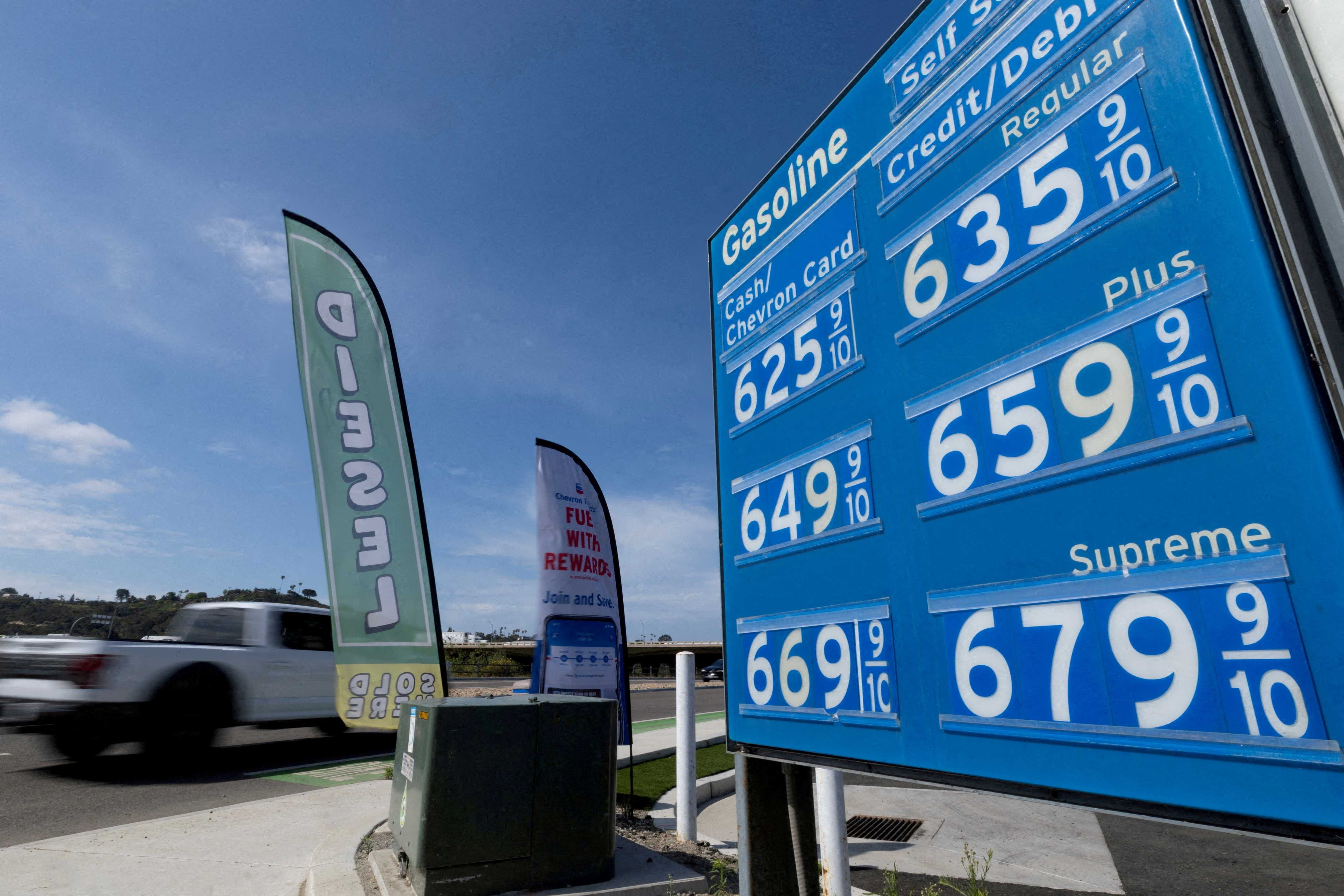
Energy prices have, in fact, increased significantly since Pape’s initial prediction. With the United States having ramped up attacks on Iran starting earlier this month, gas prices have since soared in the United States to an average of $4.10 a gallon as of Friday, and are “poised to climb higher,” per NBC News.
“In my July 6 briefing, I warned that the earlier prediction was on track,” Pape wrote. “The developments of the past week reinforce that strategic logic and likely make the coming shock more severe.”