Trump blind spot threatens to be 'fatal flaw' that brings down presidency: columnist
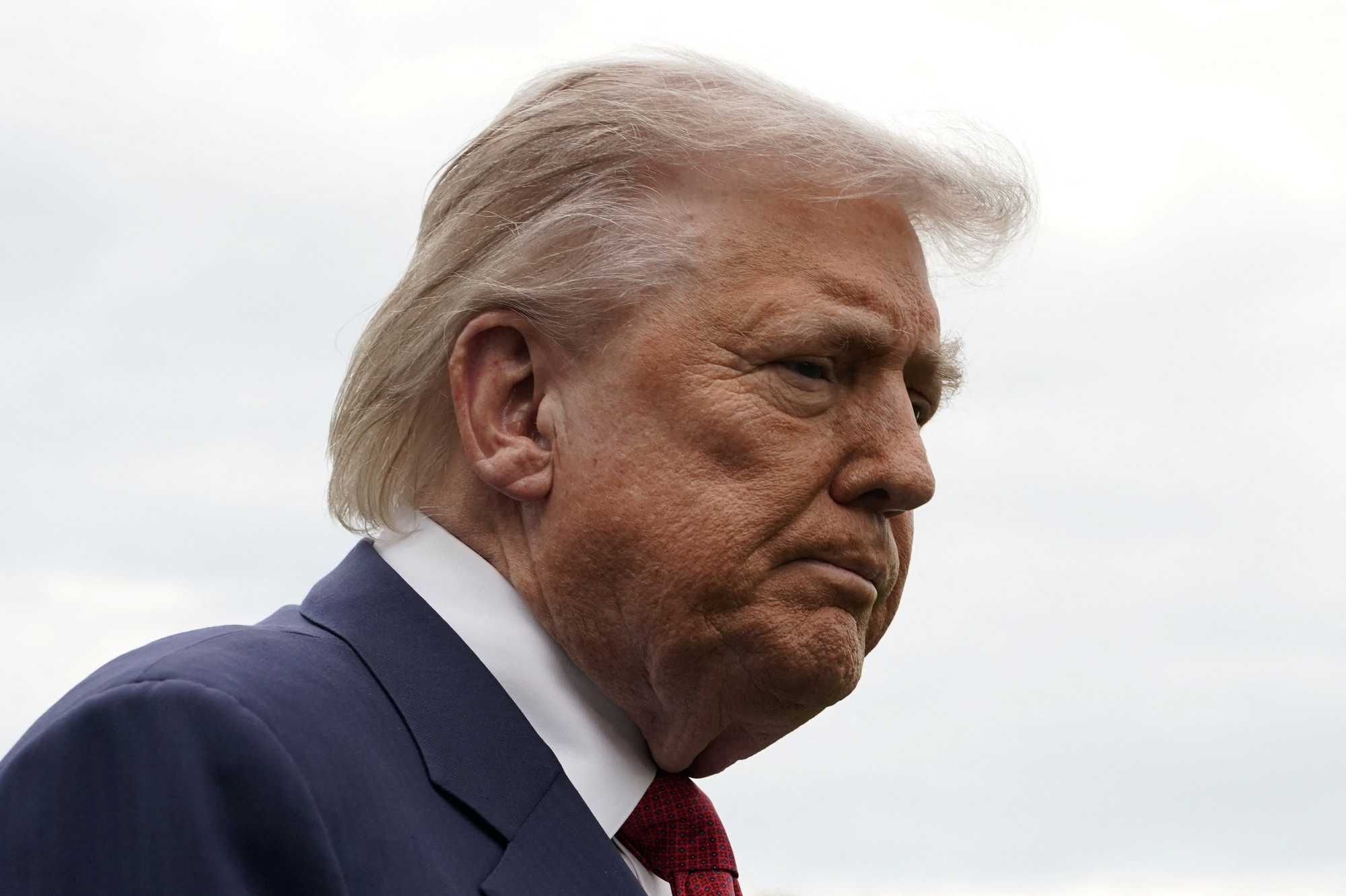
U.S. President Donald Trump looks on at the White House in Washington, D.C., U.S., May 8, 2026. REUTERS/Elizabeth Frantz
June 19, 2026
Donald Trump built his political brand on the power of national pride — and it could have been the "fatal mistake" of his second administration, according to an analysis Friday.
The American leader can't seem to understand that other countries are patriotic too, Alexander Burns wrote for Politico.
That blind spot is unraveling Trump's second term — fracturing alliances with the global right, prolonging a costly war with Iran, and leaving his own Republican Party to absorb the political damage, Burns wrote.
The warning signs were hiding in plain sight.
When Alberta Premier Danielle Smith — a populist with deep ties to the American right who once hosted Tucker Carlson in Western Canada — visited Mar-a-Lago after Trump's second election win, she looked every bit a MAGA diehard. But when pressed last fall at a Toronto policy summit about Trump potentially meddling in Alberta's volatile politics, the admiration stopped.
"I don't want any foreign influence in our politics here," Smith said flatly.
Sovereignty, it turns out, cuts both ways, Burns wrote.
Trump launched his political career as a hard-edged nationalist, demanding tougher borders and American sovereignty above all else. He cheered Britain's 2016 Brexit vote and crowned himself "Mr. Brexit." He understood, viscerally, what it meant for a people to refuse outside domination.
But that instinct has deserted him, Burns wrote.
"In his second term, Trump’s grasp of nationalist politics has slipped. He has underestimated the power of patriotism and national pride in countries other than his own," he wrote.
"This serial miscalculation has undermined Trump’s trade wars and military adventures, aggravated the cost-of-living crisis, weakened the Republican Party and battered Trump’s bonds with the global right."
His tariff threats and belittling taunts against Canada didn't break Ottawa's will, but instead triggered patriotism that swept a new prime minister, Mark Carney, into power on a platform of resisting American economic domination. His attempted humiliation of Volodymyr Zelenskyy in the Oval Office — dressing him down while grabbing for Ukraine's mineral wealth — was such a naked affront to Ukrainian sovereignty that Zelenskyy faced zero political consequences for telling Trump to get lost.
Dispatching Vice President JD Vance to campaign in Hungary's election didn't save Viktor Orbán from a landslide defeat. Attempts to meddle in judicial decisions in Brazil, commandeer British and Spanish airfields, and dictate military strategy to Israel all went similarly nowhere.
And then there was Iran.
Trump's expectation that he could decapitate the Islamic Republic's leadership, bomb the country into submission, and install a compliant proxy government — all without ground troops — produced a monthslong stalemate that sent energy prices soaring and ground down the global economy.
It shouldn't have surprised anyone, Burns wrote.
Even Trump's ideological admirers abroad have noticed the drift.
Jordan Bardella, the likely presidential nominee for France's far-right National Rally and once a Trump enthusiast, told Politico that second-term Trump was barely recognizable. The United States, he said, was now behaving more like an "empire." Trump himself had become "extremely unsteady and constantly shifting."
And like Smith, Bardella wanted nothing to do with a Trump endorsement. "We don't need to accept or open the door to any form of interference," he said.