This monstrous Trump gambit plays well in headlines but is doomed to fail
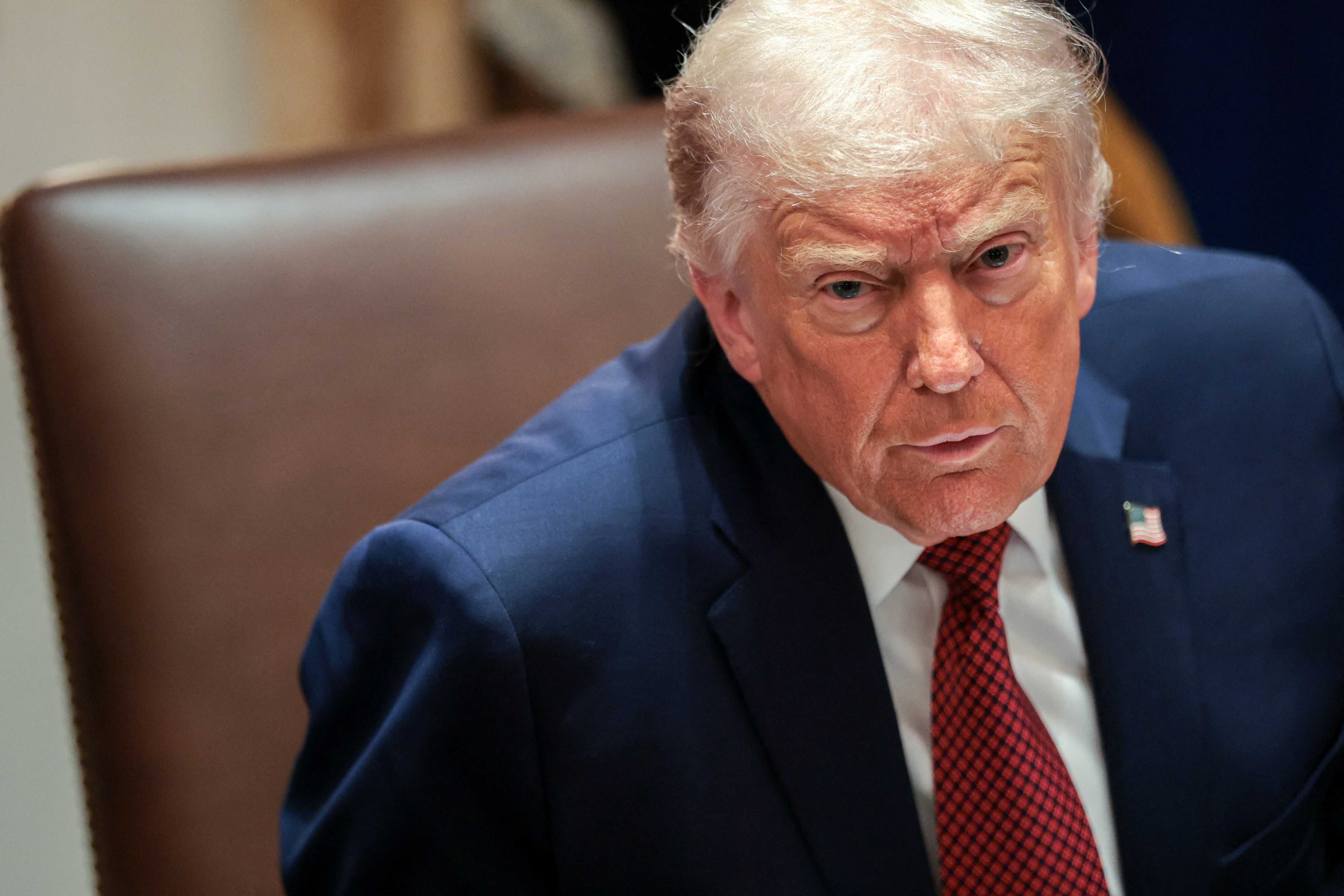
President Donald Trump attends a roundtable discussion. REUTERS/Jonathan Ernst
December 10, 2025
South Carolina has doubled down and sent additional National Guard troops to Washington, D.C., as part of a second wave of federal deployment. We urge South Carolinians to ask what this effort is really accomplishing and at what cost.
Deploying the National Guard may play well in headlines, but it doesn’t build safer neighborhoods.
In Washington, D.C., we’ve lived through the first phase of this federal surge. What we saw was a dramatic spike in low-level arrests and swarms of federal agents in public spaces, all under the banner of a so-called “crime emergency.”
What followed was increased burdens on young people, overwhelmed courts, the cancellation of vital community activities and, most troubling of all, polling that showed the majority of residents felt less safe than before.
Deploying the military is not a sustainable strategy for public safety.
The presence of a badge or a uniform alone doesn’t guarantee justice, and we can use federal tax dollars more effectively.
When Congress slashes funding for violence interruption, youth programs, housing, and mental health services and then turns around and floods the streets with militarized agents, they’re not offering a solution.
They’re creating a short-term spectacle that ignores long-term needs.
This year, major cities across the country saw encouraging reductions in violent crime. That happened because of years of investment in prevention, community-based support, and early intervention strategies.
In Washington, we’ve seen the evidence: hospital-based violence intervention programs, youth engagement, behavioral health resources, and mentorship initiatives work. They create real, measurable safety by keeping people connected and supported.
We are not naïve. We know public safety is a serious concern for many communities, including in South Carolina.
But sustainable safety cannot be imposed from the outside in. It must be built from the ground up in close partnership with residents, local officials, and community organizations who understand what’s happening on the ground.
That’s why it’s so alarming to see this deployment move forward with no local consultation and no clear strategy.
Policymakers should stop ignoring the data and start funding what works.
Militarized “solutions” may be good for soundbites, but they do nothing to address the root causes of violence.
Our community deserves more than posturing.
Washington residents deserve the right to govern ourselves, including determining how best to achieve long-term safety. Washington’s voters overwhelmingly support public safety solutions built on trust and meaningful investment.
Sending more National Guard to Washington might make headlines, but it won’t make us safer.