Trump expects to lose a massive case — and rain fire on Supreme Court: reporter
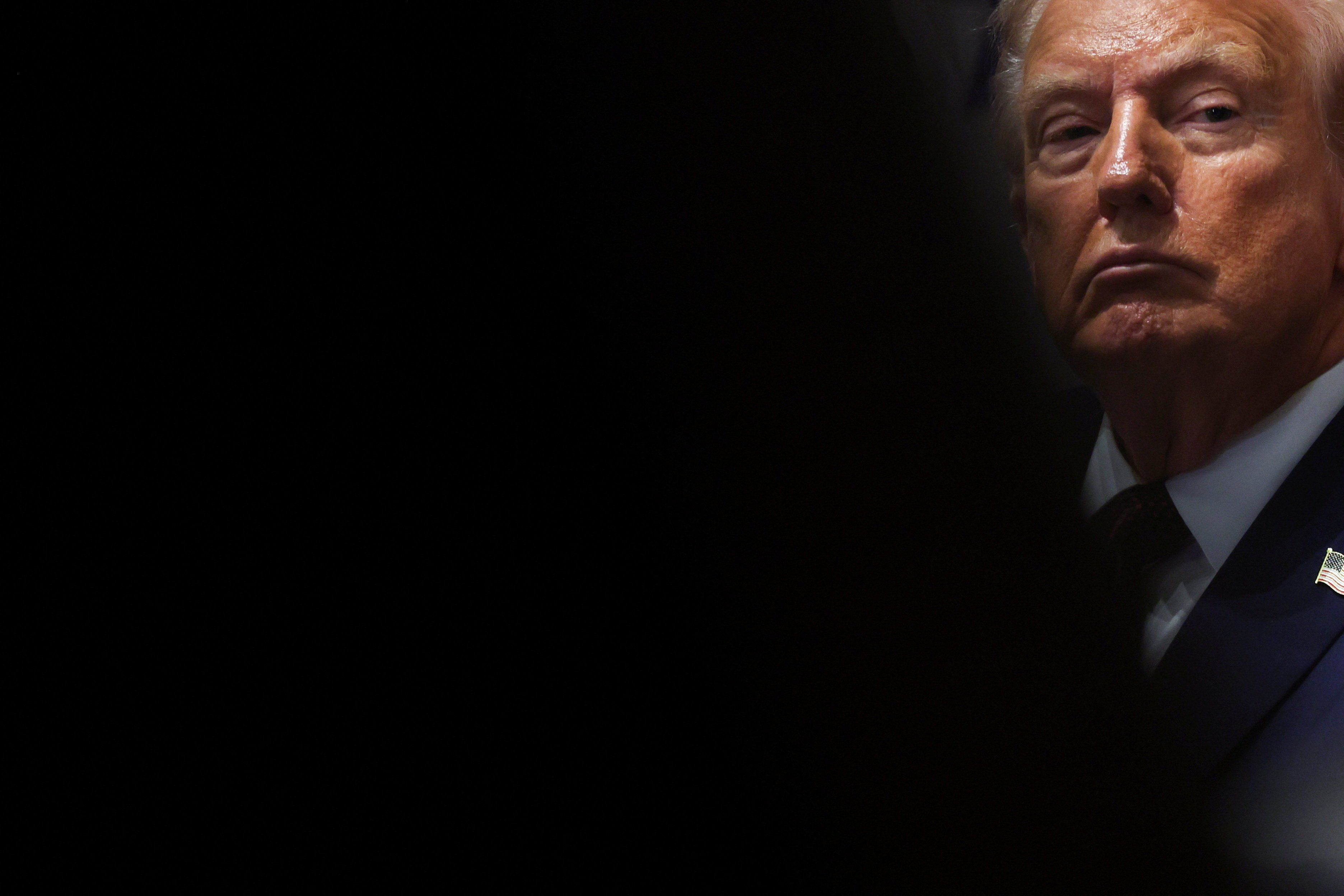
Donald Trump holds a cabinet meeting at the White House in Washington. REUTERS/Jonathan Ernst
March 30, 2026
This week, the Supreme Court is set to hear the hotly-watched case on whether President Donald Trump can abolish the 14th Amendment's guarantee of birthright citizenship by executive order. And most people think he'll lose, justice correspondent Ken Dilanian told MS NOW's Katy Tur on Monday.
This comes as Trump ups his social media attacks on the justices, warning them not to be "dumb" as they hear the case.
"Ken, let's talk aboutthe Supreme Court," said Tur. "So he tried todo this by executive order.This case has already beenconsidered by the Supreme Courtmore than 100 years ago. Whatis going to be considered thisweek?"
"Yes. And that was the caseabout the son of Chineseimmigrants living legally inthe United States," said Dilanian, referencing United States v. Wong Kim Ark. "And so whatDonald Trump and his solicitorgeneral and a few conservative scholars are bringing to thecourt are some fringe argumentsthat have been rejected formore than a century. As yousaid, the 14th Amendmentclearly says 'All persons bornor naturalized in the UnitedStates and subject to thejurisdiction thereof, arecitizens of the United States,'and that term, 'subject to thejurisdiction,' has been held notto include diplomats andinvading armies and initiallyNative Americans, although thatwas changed later. But now Donald Trump and his allies aretrying to say that that shouldalso not include people who arehere illegally."
"And look, he'salready predicting he's goingto lose," said Dilanian. "Most legal scholarsthink he's going to lose this.And this will be the secondmajor defeat after tariffs. Andpolitically, it will allow himto blame the court and say thathe tried to fight the goodfight and he lost. And it'sgoing to further poison hisrelationship with this court,which is one of the mostconservative courts in indecades."
Despite the consensus he'll lose, continued Dilanian, "there are anincreasing number of fringylegal scholars who have come toadopt the idea that maybe there is — it is time to take anotherlook at this, that maybe thatinitial decision was wrong. SoI don't think you cancompletely rule it out. Butsome conservative justices havehinted in previous argumentsthat they have very littlepatience for this argument andthat there, you know, it wouldjust it would just throw 100years of jurisprudence intochaos."