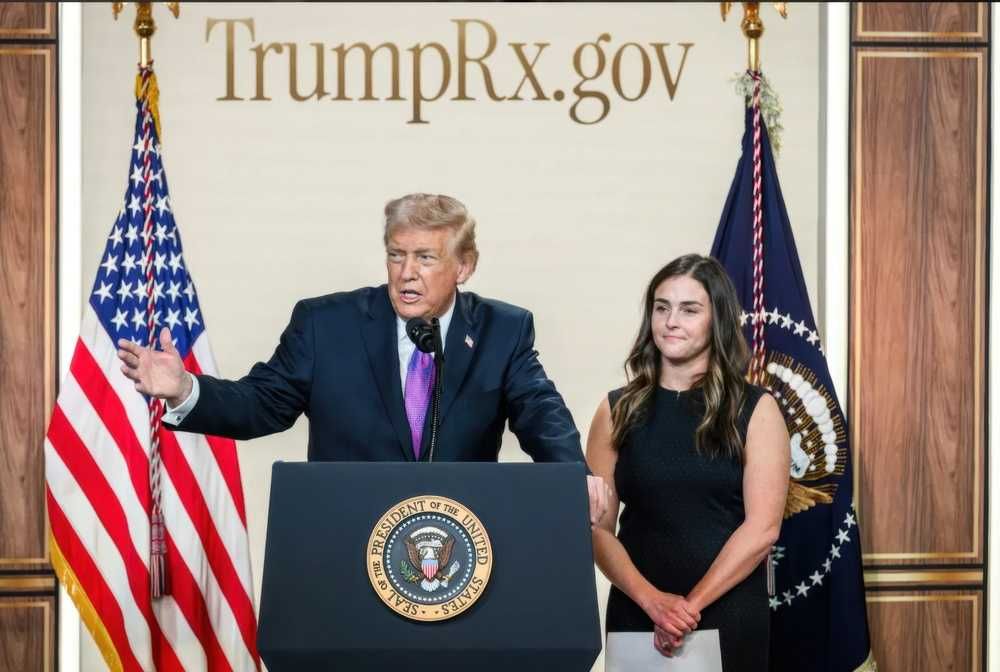
President Donald Trump called TrumpRx the biggest thing to happen in healthcare in decades, but a new NPR analysis Thursday found the government discount site falls far short of its billing.
TrumpRx launched in February as the centerpiece of Trump's push to lower drug costs, carrying his own name and promising cash-paying patients steep discounts on brand-name medicines. But nearly six months in, those deals represent fewer than 12% of the more than 800 brand-name drugs made by the participating pharmaceutical companies, according to NPR's review of an FDA database.
The rollout drew skepticism from the start, with critics questioning the math behind the president's savings claims. The new NPR analysis flagged gaps with major drugs patients rely on most. That includes Pfizer's blood thinner Eliquis, its breast cancer drug Ibrance, and its COVID treatment Paxlovid, which are absent from the site. It also excludes Merck's cancer drug Keytruda.
Boston University health economist Rena Conti told the outlet: "The companies are offering deals on the products that they choose, not the universe of products that they offer."
Additionally, many "presidential deals" are beaten by generics.
Pfizer's antidepressant Pristiq is listed at about $200, while its generic runs $20 to $30 with a GoodRx coupon. The site touts more than $400 million in savings, but the White House did not tell NPR how many patients have used it.
The scope questions come as Trump's broader healthcare agenda faces legal challenges over Medicaid work requirements and as the midterms approach. Pfizer said it offers savings up to 85% on more than 30 medicines and that it will keep adjusting "as the program evolves."