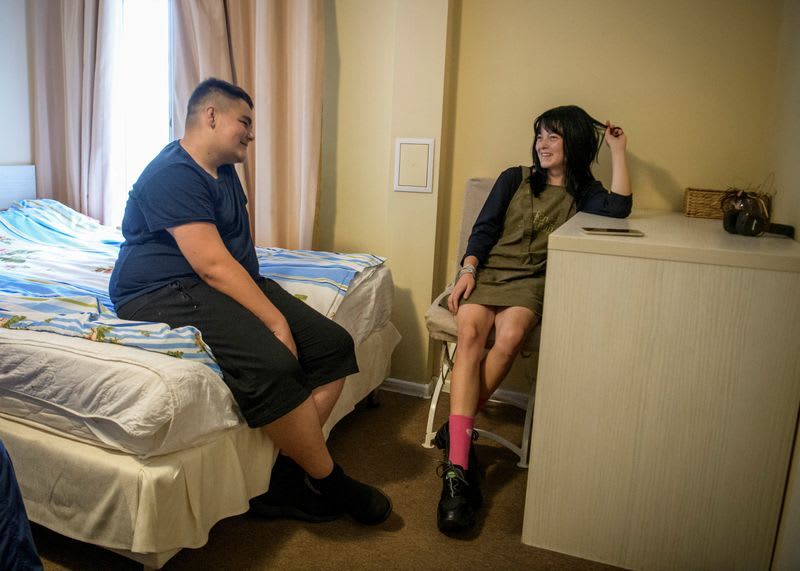
By Stefaniia Bern KYIV (Reuters) - There it was, on a terrace behind a Kyiv cafe. A ping pong table. After nearly a year and a half locked away in hiding under Russian occupation, followed by a daring escape last month, Ilona Pavliuk, 16, could hardly believe it was ok to just stop and play. "People are so nice here, they will teach you even if you're not good at it. They can even play together with you," she said. "There was no ping pong in occupation, children don't even play soccer in the stadiums. There is a stadium in Nova Kakhovka that no one plays in any more." Her ailing father had kep...
Leave a Comment
Related Post