Political analyst Matthew Yglesias argued in his “Slow Boring” Substack that the political clout of the American Israel Public Affairs Committee was collapsing, declaring: “It’s so over for AIPAC.”
His thesis was that AIPAC’s power rested less on money than on voters broadly agreeing with it on Israel, which made it easy to find challengers for its targets.
In 2026, he said, AIPAC tried to win on money alone, and it backfired as its backing became toxic. He argued candidates could campaign against the group and raise money for doing so, and that AIPAC began masking its spending because its support had become a liability for candidates.
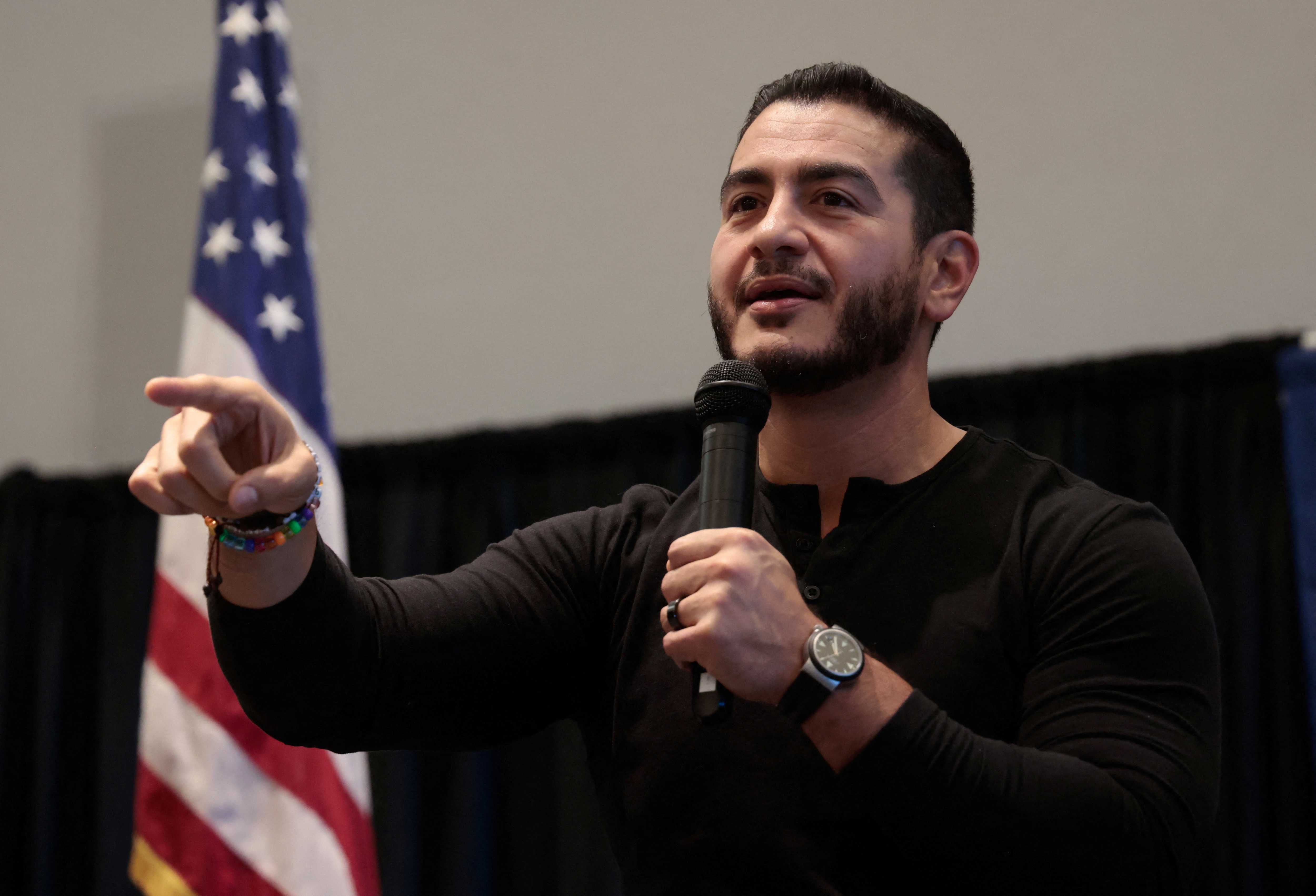
In Michigan, he wrote, no amount of AIPAC spending against Democrat Abdul El-Sayed could have turned Republican Mike Rogers into a winner in this year’s political climate. He also said there was no reason to think El-Sayed’s positions on Israel were a major cause of his underperformance.
The bigger shock, he said, came from the right. Trump announced on Election Day that he wanted to end military aid to Israel, and Vice President JD Vance posted that a pollster had asked Trump 2024 voters who defected to Democrats what would bring them back. The top answers, Vance wrote, were ending the war, focusing on cost of living, putting America first and changing the U.S. relationship with Israel.
Yglesias said Vance was “massively over-blaming Israel,” but that the Iran war had been genuinely costly for Republicans. He argued pro-Israel institutions largely brought the fallout on themselves, tracing it to their fight against the Obama-era Iran nuclear deal and their push for war under Trump.
Yglesias said he didn’t know what would come next. He wrote that he worried that while American Jewish institutions were feuding with Democrats over foreign policy, they overlooked rising antisemitism on the right, and he hoped the collapse would ultimately leave the U.S.-Israel relationship in a “healthier” position.