Trump could be barred from running under statute 'tailor-made' for him: former prosecutor
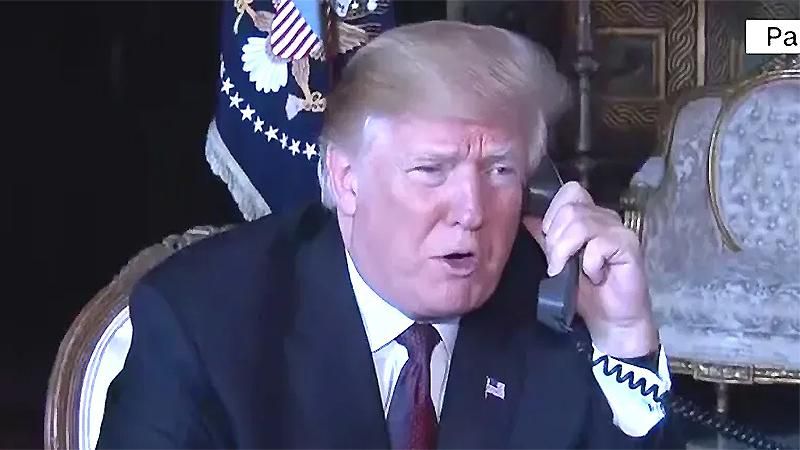
An apparent gap in White House phone records from Jan. 6 opens up a "whole new line of inquiry" for the House Select Committee investigating the Capitol insurrection, according to former federal prosecutor Neal Katyal.
"This gap may make the 18 minutes of the Nixon tapes that were missing look quaint by contrast," Katyal told MSNBC on Thursday, alluding to a New York Times report saying the committee has received "few records of calls by President Donald J. Trump from critical hours when investigators know that he was making them."
According to the NYT's report, "it is well known that Mr. Trump used his personal cellphone, and those of his aides, routinely to talk with aides, congressional allies and outside confidants."
Katyal told MSNBC host Alicia Menendez, "You had said it's unusual to borrow cell phones from other people, but it's not unusual if you're a mobster, because you do it because it makes things tough to trace, and that what it looks like is going on here. I'm sure Trump would have made his calls on pay phones, if that didn't imply that he had to leave the house."
RELATED: Trump took documents from White House clearly marked as 'classified': Washington Post
Katyal added the gap in Trump's White House phone records is "of a piece with other stories in which he ran the presidency like a mob boss."
"If you don't create a record, you can't get caught," he said. "And what he didn't realize is that the presidency is more like filing your taxes — you're liable for the stuff you forget to include. Well, I guess to be fair it's not like he could draw much personal experience from paying taxes, either. But the fundamental point here is, there is an entire legal regime to ensure the preservation of records. The Presidential Records Act is part of that, and when you go into the government, on like day one, you're told you can't use other cell phones, you've got to use only your phone for official work, only your official email. There's a whole suite of things you're told, and it's impossible that Trump wasn't told those things. ... So that makes a criminal investigation of this by the justice department more likely. This is an easier thing than some of the other stuff."
Asked about potential criminal implications for the former president, Katyal said, "They could be big," adding that there appear to be "three tiers of wrongdoing."
"We've got the documents that Donald Trump hid in Florida, including some of this classified information, the documents he ripped up, and the documents he flushed down the toilet," Katyal said. "And there's something poetic about all of this somehow winding up with the comparison with Hillary's email. There's a political problem for Trump, but there's a criminal, illegal one."
Katyal said several federal statutes could come into play, including Title 18, Section 2071, of the US Code, which prohibits the concealment, removal or destruction of documents.
"Interestingly, there's two punishments for that in the law," Katyal said. "One is jail, but the other that Congress said is disqualification from being able to hold a future federal office, and that makes this tailor-made for this case, and it seems like the attorney general has been worried about bringing a investigation against Donald Trump. This statute, actually, Congress is saying to the attorney general, it's about people like Trump. It's tailor made, it's for political officials, and one of the punishments if you're convicted is you can't run for office again."
Watch below.