Fear over Trump's confused threats forces Iceland to consider major defense move
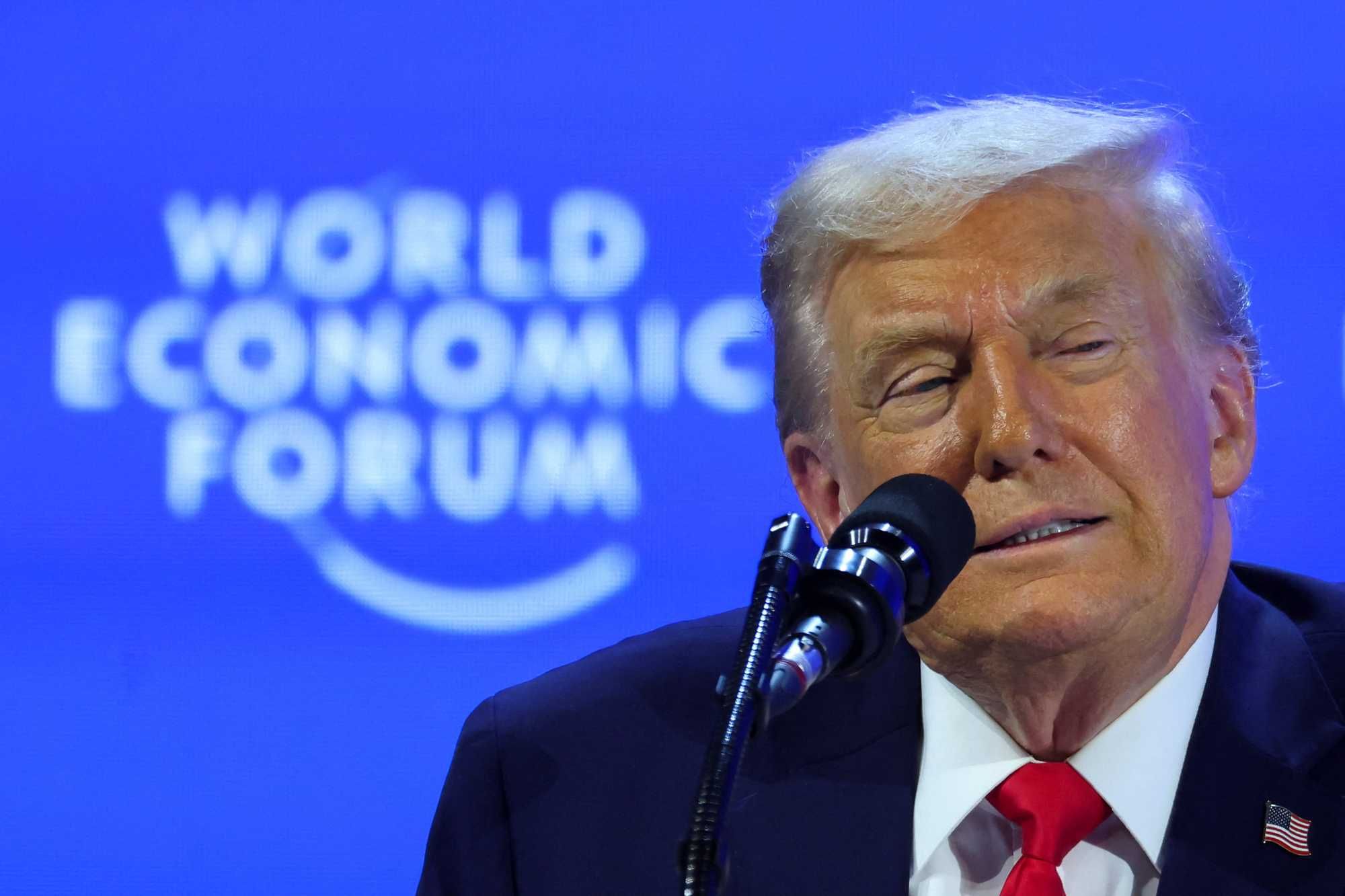
U.S. President Donald Trump attends the 56th annual World Economic Forum (WEF) meeting in Davos, Switzerland, January 21, 2026. REUTERS/Denis Balibouse
May 26, 2026
Iceland is reconsidering its long-held independence from the European Union following President Donald Trump's threats toward neighboring Greenland.
Prime Minister Kristrun Frostadottir said the "Greenland crisis definitely hit a nerve" with Icelandic voters, who could decide on a referendum this summer on whether to embark on exploratory talks with the EU bloc, marking a significant change for a nation that has fiercely guarded its sovereignty and control over its fishing industry for decades, reported the New York Times.
“People feel that they might be forced to pick a side,” said Eirikur Bergmann, a politics professor at Bifrost University in Iceland, “and then there is really only one side to pick.”
Iceland's strategic location at the North Atlantic gateway to the Arctic makes it an attractive prospect for the European Union. The nation also exceeds EU standards on metrics including gender equality and life expectancy.
For Icelanders, EU membership primarily represents stability. Iceland is the only NATO country without a military and has relied on American defense guarantees. Concerns about U.S. reliability have prompted some to view EU membership as insurance, particularly after Trump's confusion of Iceland with Greenland and controversial remarks from his ambassador pick about Iceland becoming an American state.
However, Iceland's economy depends heavily on the fishing industry, and Icelanders fear EU membership could impose quota restrictions similar to those that devastated Irish coastal communities. Fisherman Helgi Haraldsson expressed concern about surrendering control of fishing grounds, noting to the Times, "there is just a certain amount of fish in the sea."
Economic pressures also drive interest in membership. Iceland's krona is volatile while inflation reaches 5.2 percent — double the EU average – and rising costs for groceries and everyday items have prompted some Icelanders to view the euro favorably.
Early polls suggest a referendum on membership talks would be close. Some Icelanders, like swim coach Magnus Tryggvason, support exploratory discussions as nonbinding with potential benefits, while others remain skeptical about sacrificing Iceland's independence and fishing rights, the Times reported.