'I'm not afraid': Tariff-hit toy store owner vows to risk jail to stand up to Trump
April 22, 2026
After weathering years of challenges, from online competition to the COVID pandemic, President Donald Trump’s tariffs became “the last reason” why Jennifer Bergman decided to close down the New York City toy store her mother opened in 1981.
As small businesses currently navigate a complex tariff refund process and still face rising costs, Bergman, 59, is one of five business owners speaking out in a new $200,000 YouTube ad campaign launched Wednesday by Small Businesses Against Tariffs, a project from the Defending Democracy Together Institute, an advocacy group formed by anti-Trump conservatives.
“I'm not afraid of [Trump]. I'm not afraid of his goons, and if they want to throw us all into jail because we're saying things against them, that's fine by me,” Bergman told Raw Story.
“My parents would be really proud of me, and they'd bail me out if they were still around. Actually, they'd be right there with me in jail.”
Bergman closed her store, West Side Kids, in July after she realized she wasn’t going to be able to pay her rent or make payroll.
”I’d never had that before, ever, ever,” she said.
Over the years, Bergman’s staff shrunk from 12 employees to four. Those four people lost their jobs when the store closed and struggled to find new ones, with one even becoming unhoused, Bergman said.
When Trump added a 145 percent tariff on China last year, Bergman said a $10 toy she’d typically sell for $20 would need to be marked up to $45 to cover the extra costs since she couldn't “afford to eat any of it.”
The price of a scooter she’d typically sell for $150 shot up to $180 when her supplier called to say they needed to reroute shipping containers to Canada and raise prices after Trump announced tariffs last May.
“Prices were going up, and you only have a finite amount of money to spend,” Bergman said.
“The product was getting so much more expensive that I was spending more money for less.”
Bergman also blamed Trump’s tariffs for preventing her from closing on a deal to sell her store as she was in conversation with two potential buyers in early 2025.
“When the tariffs hit, they were both like, ‘We can't do this right now … we just need to deal with this,’ and so I lost the opportunity to sell my store, too.” Bergman said.
After deciding to expand to a second location in 2024, Gabe Hagen, co-founder and owner of Brick Road Coffee in Arizona, said starting construction in early 2025 was “rough” timing due to tariffs.
“Once we learned the results of the election and what the new administration was planning on doing with tariffs, we had to really think on our feet,” Hagen told Raw Story.
“We had to kind of re-pivot what we were doing, so we cut back a lot up front.”
Hagen, who is also featured in the Small Businesses Against Tariffs campaign, said the business decided to change equipment purchases and pre-purchased a year’s worth of cups and disposables to “weather the impacts of tariffs.”
Hagen’s projections for stocking the second location, which is both a roastery and a coffee shop, ended up being about a third of what he actually spent.
“The strain of that on a new small business — especially one that's just expanded — we're already so tight on our cash, it's just rough,” Hagen said.
At the end of 2024, raw coffee beans cost Hagen about $4 a pound. At one point, prices spiked to just under $7 a pound, Hagen said. Now prices for speciality coffee are still $5 to $6 per pound, he said.
When Hagen started, roasted coffee cost around $10 per pound. Now prices range between $12 to $14 on the wholesale side, he said.
“Never in my wildest dreams did I think we'd be paying 50 percent tariffs on a Brazil coffee, which is our number one coffee that we use,” Hagen said.
The Trump administration backed down its tariffs on coffee at the end of last year, but small businesses like Hagen's are still feeling the effects.
“Every new business, we expect some bleed, but this bleed is taking a lot longer than we expected,” he said.
Hagen took out another working capital loan and put his house up for collateral, he said.
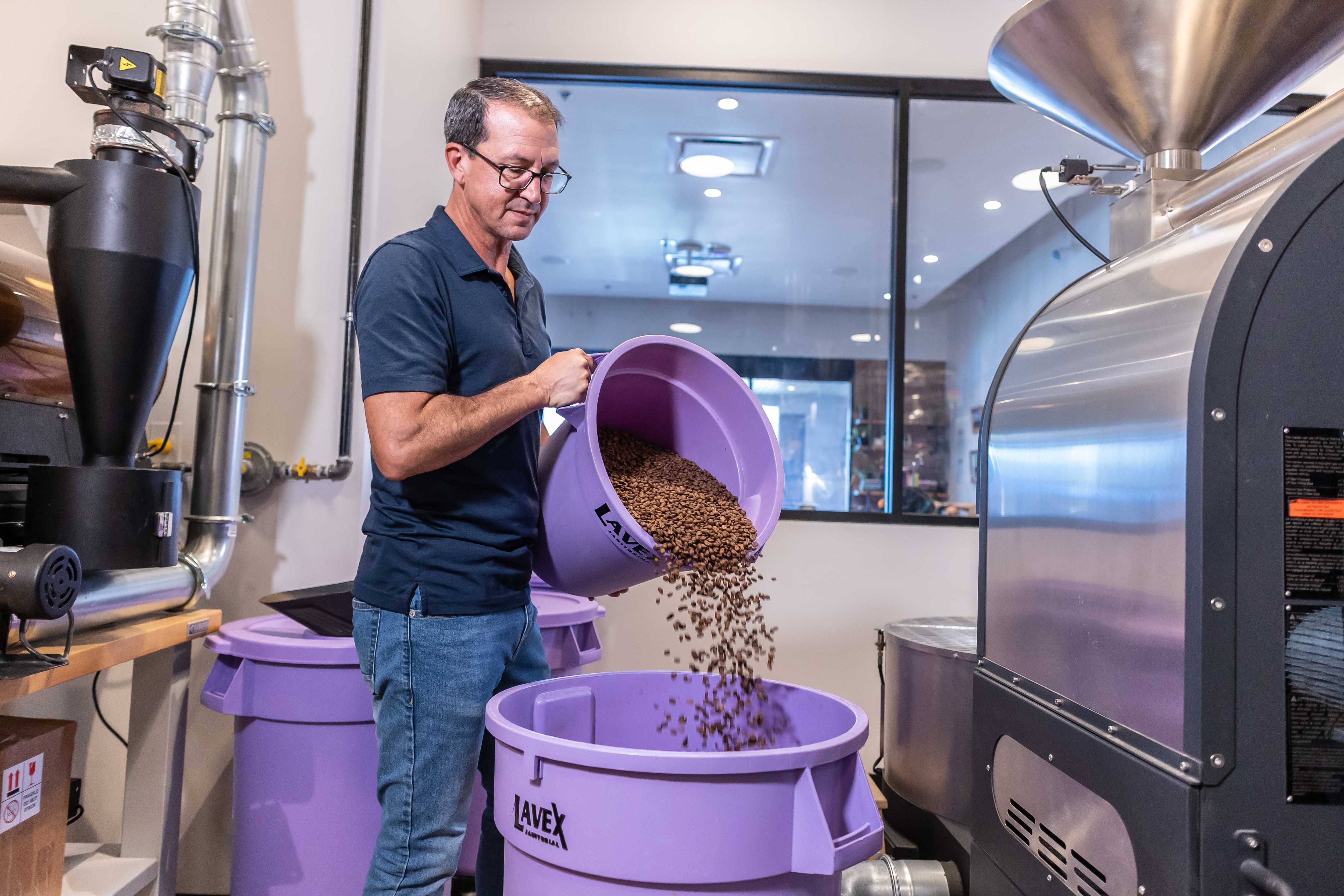
“We don't really have many more levers left on a small business side, so that's why tariffs were so important for me to speak out against because I can't just grow my coffee,” Hagen said.
The unpredictability of Trump’s tariffs make it hard to know “when we'll feel relief," Hagen said.
“I don’t know if it'll change back, so I think the hardest part for me is I don't know how to do a 12 month forecast," he said.
Small Businesses Against Tariffs previously launched a $5 million ad campaign in February, including the story of a Republican farmer turned Democrat over tariffs’ impact on his business.
From a trucking company to a DIY flower shop and an eco-friendly dinnerware company, small businesses have struggled to stay afloat due to tariffs, Raw Story reported.
"We felt it was important to run this campaign in light of spiking prices and confusion around the tariff refund policy,” a Small Businesses Against Tariffs spokesperson said.
“Our hope is that it will help to educate Americans about who truly pays the costs of tariffs and trade wars: American small businesses and consumers. The goal here is to keep engaging those people who show an active interest in the tariff issue, to emphasize who ends up paying the costs of tariffs and to de-bunk widespread lies.”
