Here’s how Trump can use presidential powers to pardon anyone for a federal crime -- including himself
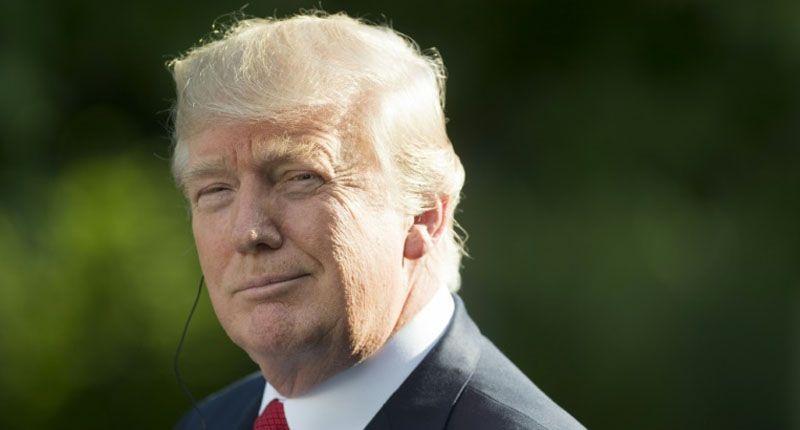
President Donald Trump has nearly unlimited power to stop the investigation into his campaign ties to Russia, and only Republican lawmakers -- and eventually voters -- can hold him accountable.
He may not know it -- although it's something his lawyers might say that would presumably hold his interest -- but the president can pardon anyone for any reason, no matter how serious or ridiculous, even before they're charged with a crime.
The U.S. Constitution grants broad pardon powers to the president, with only a few limits that mostly don't apply in the widening investigation of Trump's campaign ties to Russia.
Pardons can be issued any time after an offense was committed and wipes away convictions, but they can't be granted before a crime is committed -- which would basically give presidents the power to break laws with impunity.
They can, however, be granted before a prosecution begins, and for any federal crime, which would apply to most of the possible charges relevant to Russian interference in the presidential campaign.
He could even become the first president to try to pardon himself, setting off a court battle to determine whether that's even legal.
The probe came into much sharper focus this week, after Donald Trump Jr. tweeted out an email string showing he and two top campaign officials agreed to meet with a Russian lawyer who promised dirt on Hillary Clinton that almost certainly came from her country's spies.
Trump Jr.'s decision to tweet, which came just minutes before the New York Times published a report on the contents of those emails, is less baffling considering that his father could let him off the hook with a pardon.
The same goes for Jared Kushner, the president's son-in-law and a senior White House adviser, who also attended that June 9, 2016, meeting and has fallen under investigation for his role in the alleged conspiracy and cover-up.
The Senate Intelligence Committee wants to question both Trump Jr. and Kushner under oath about the meeting, along with campaign chairman Paul Manafort -- who was also there -- but there's a good chance that won't happen.
Trump could stop it all with the stroke of a pen, and there's ultimately no one who could tell him no.
Pardons, especially pre-emptive pardons of family members, would carry substantial risk -- but Trump has already shown he's willing to risk political blowback by firing FBI director James Comey after he refused to back off the Russian investigation.
Presidential pardons cannot be reviewed by courts or Congress, but Trump could be removed from office in the next election by angry voters or through impeachment -- if the Republican majority finally summoned enough outrage to do it.
Impeachment could severely limit Trump's pardon powers, because they're not allowed by the Constitution in civil or state cases -- or in cases that would affect an impeachment process.
Two Democratic lawmakers filed articles of impeachment Wednesday, and they say some GOP colleagues are prepared to sign on.
That process requires only a simple majority vote in the House to get underway, although there's no indication at this point that there's any appetite among Republicans for impeachment.
No dates have been set for Trump Jr., Kushner or Manafort to testify before Senate investigators, and no subpoenas have been issued against anyone connected to the Trump campaign.
But the temptation for the president to issue pardons would be great, as investigations by lawmakers and special counsel Robert Mueller begin targeting individual Trump campaign officials, to use the pardon powers at his disposal.
Really, when you consider his record, it seems almost inevitable.