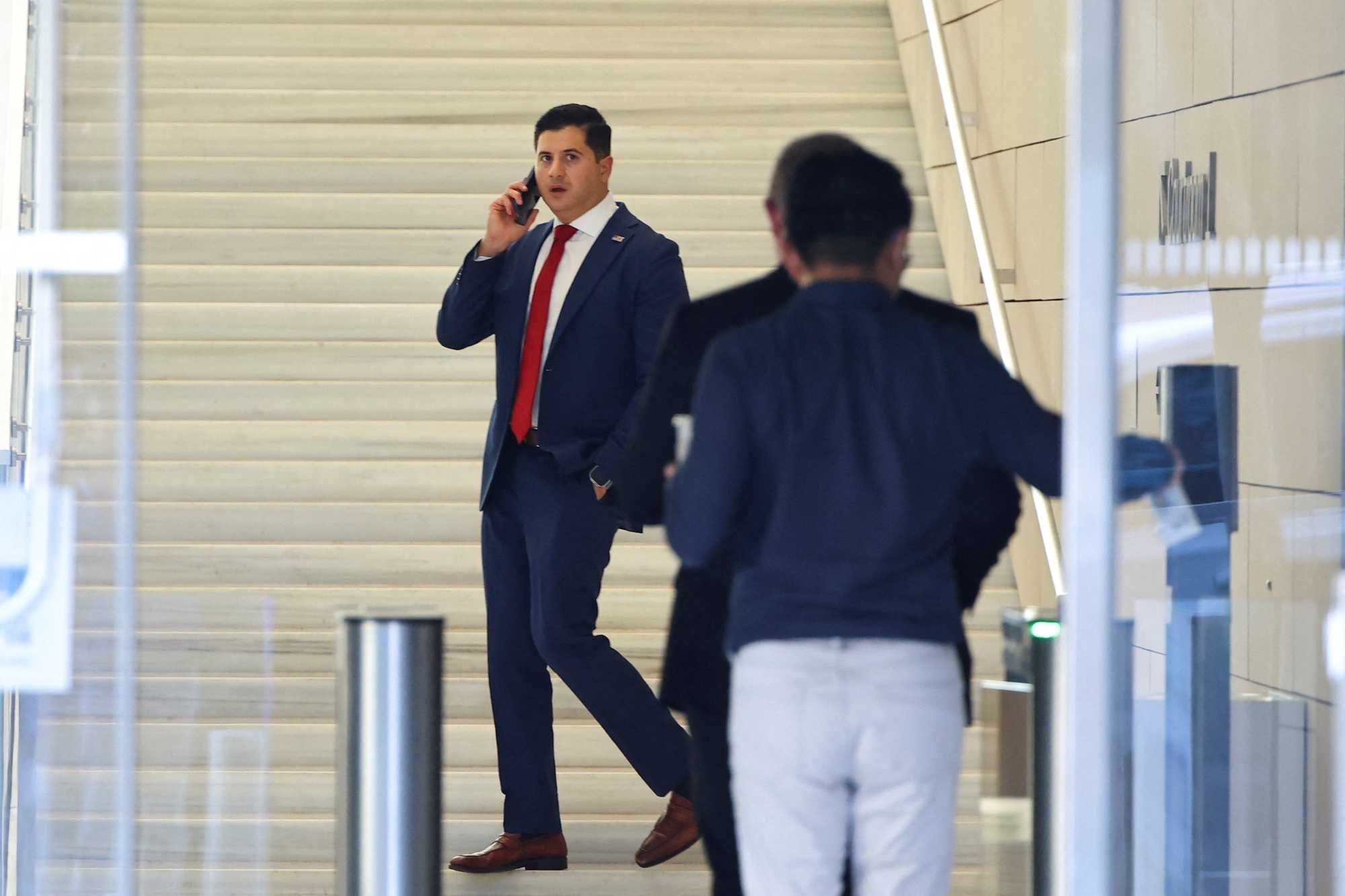
A federal judge grew openly exasperated with the Justice Department during a high-stakes election hearing, closing out the session with a pointed warning.
U.S. District Judge David O. Carter signaled Tuesday that he would reject the Trump administration's emergency bid to stop California from counting mail ballots from more than 20,000 registered voters the DOJ alleges are likely noncitizens, according to posts from Politico legal affairs reporter Kyle Cheney, who tracked the hearing in Los Angeles.
Carter made clear he was "deeply skeptical" of the government's position, Cheney wrote. The judge asked why, if prosecutors suspected people were illegally registered to vote, they weren't charging them.
"Let's get busy," Carter said.
First Assistant U.S. Attorney Bill Essayli, who argued the case for the government, replied, "We're very busy."
"Get busier," Carter shot back.
Cheney reported that Carter called the request a "monumental change" and said the issue needed a slower timeline with expert testimony, not rushed filings that would "have the court just wing it with a ruling." The judge then appointed a special master to dig deeper into the issue, a move Cheney described as effectively a win for California.
Carter closed the hearing with a warning aimed squarely at the Justice Department.
"This court believes it would be wise that any threats to state and county elected employees cease immediately. Good night," he said. He's expected to issue a formal ruling Wednesday.
The warning follows mounting pressure on local officials. Trump's Justice Department cautioned election workers across California that they could face federal scrutiny if they refused to help flag suspected noncitizens, and it handed state officials a list of 20,000 names, NBC News reported.
California's lawyers fought back in court. Anne Bellows, an attorney for the state, argued the department leaned on what she called "mysterious database methods" and said meeting its demands would risk stripping eligible voters of their ballots, Reuters reported.
The hearing came a day after the 9th Circuit Court of Appeals rejected the DOJ's unusual bid to go around Carter. The DOJ had demanded he rule by noon Oct. 22 and appealed to the higher court when he didn't, Democracy Docket reported.