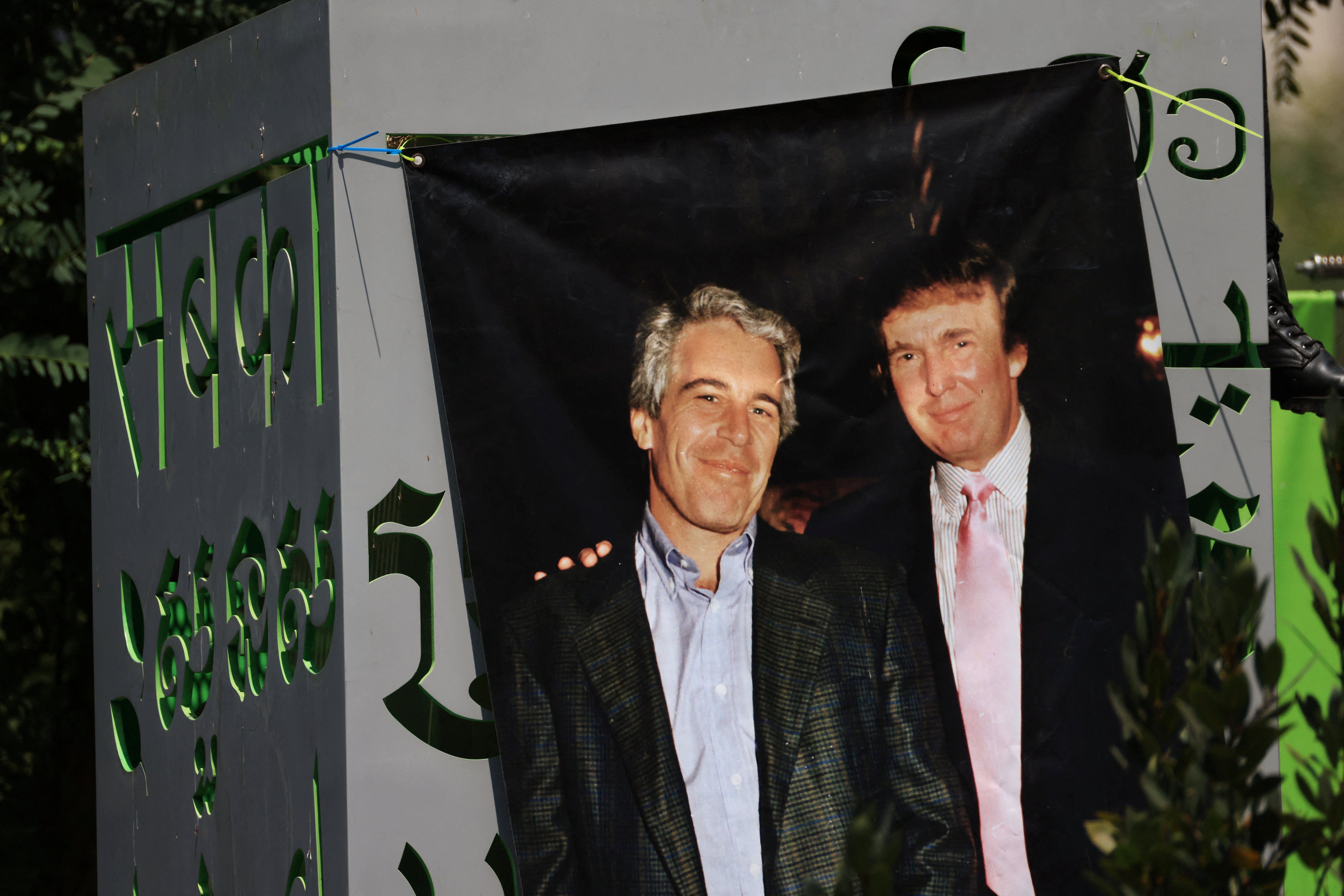
CNN's Audie Cornish compared the unfolding Pentagon scandal to the Jeffrey Epstein scandal that has consumed much of President Donald Trump's second term so far.
Defense Secretary Pete Hegseth has found himself in the crosshairs after the Washington Post reported that he ordered a follow-on attack against two survivors of a missile strike of an alleged drug smuggling boat, and the Trump administration has been scrambling to shield him from accountability for what has been described as a war crime or even murder.
“Secretary Hegseth authorized Admiral [Frank] Bradley to conduct these kinetic strikes,” White House press secretary Karoline Leavitt told reporters. “Admiral Bradley worked well within his authority and the law, directing the engagement to ensure the boat was destroyed and the threat to the United States of America was eliminated.”
Cornish asked her panelists on "CNN This Morning" to comment on Leavitt's attempt to pin blame for the strike on the admiral, and former White House official Ashley Davis, who served during George W. Bush's presidency, seemingly sidestepped the issue.
"I mean, I'd lookat Karoline and think, oh, my God, your job is tough everyday," Davis said. "So, I mean, it'sgoing to be a – listen, I don'tknow who'sright. I think it's going todefinitely be litigated onthe Hill in committees, andthey're going to call up a lotof people on this."
Cornish stepped in to compare the administration's handling of this matter to the Justice Department's fumbling of the Epstein matter that has continued to plague the president ever since.
"It's interesting, it's a little bit like Epstein, it's a topic thatthey're – no one asked them tostart sinking boats in Venezuela, right," Cornish said. "Like, so thisis their operation. They'vereleased almost no informationabout it, and now they'regetting tangled up in theinformation they've released."
CNN's Edward-Isaac Dovere pointed out that the emerging name for the scandal struck him as odd.
"One way that you know thatwe're into strange territoryhere is that we're referring toit as a double tap, which islike a hired assassin term," Dovere said. "It's not something that we talkabout within the military strikeand the terminology thatwe're using, the way that we'retalking about this, these werepeople who were killed. There isa question of whether the United States can just kill people."
Cornish said this attack, which was the first of at least 21 strikes on boats in the Caribbean Sea and eastern Pacific Ocean that resulted in more than 80 deaths, was unusual compared to subsequent strikes.
"We should be clear, they did do attacks where therewere survivors and they turnedthem away," she said. "This is not how thereis some precedent for whathappens after an attack."
- YouTubeyoutu.be