Ex-Trump aide's defense of Supreme Court race ruling meets furious pushback on CNN
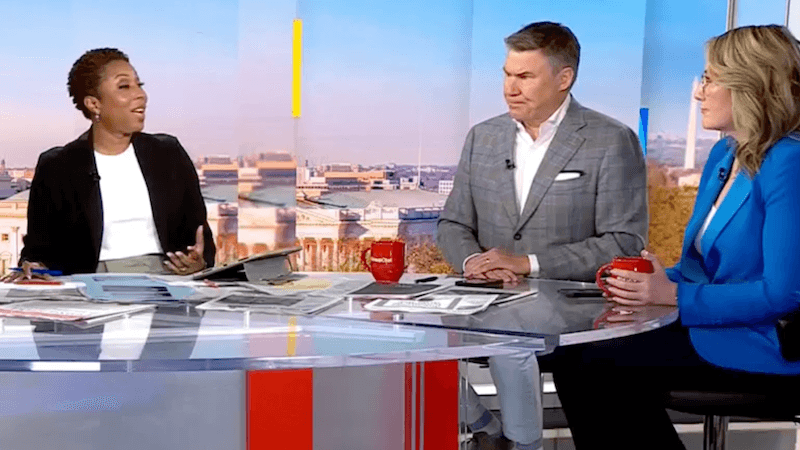
A former Trump administration official downplayed a U.S. Supreme Court ruling on voting rights but met pushback from his fellow panelists on CNN.
The conservative majority essentially gutted the Voting Rights Act's requirement that congressional districts be designed to give minority voters an opportunity to elect their own representatives, and former Donald Trump aide Mike Dubke told "CNN This Morning" that he agreed with the court's ruling.
"Let's be clear about whatwe're talking about: This isjust another form ofgerrymandering," Dubke said. "I mean, we'vebeen talking about Texas and Virginia and California and thatmidterm gerrymandering, the Voting Rights Act, making race aprimary issue of how you drawthese districts, is just anotherform of gerrymandering. So to Justice [John] Roberts' point, alaw that was written over 60years ago, is it stillnecessary? We can have thatargument, we should have thatargument. But we've also got abroken system in which we aretrying to gerrymander ourselvesinto majorities in the House of Representatives. It is the foxdesigning the henhouse."
Host Audie Cornish pushed back.
"But one of the things that'sinteresting about this ruling isthey specifically say partisanreasons are okay, partisan reasons to protectincumbency, to protect partiesis perfectly legal and fine," Cornish said. "Soin a way, it doesn't alleviatewhat you say. It actually elevates the partisan reasoning."
Journalist Sara Fischer agreed.
"When Ilook at certain laws in the waythat the Supreme Court has setprecedents, for example, thestandard of actual malice whenit comes to defamation – that'ssomething that I cover a lot – the wording here matters somuch," Fischer said. "So the thought here thatyou need to prove intent is so,so, so hard for anybody tolegally overcome, so just wantto put that out there. In termsof the political and partisanthing, I think what they'retrying to get at there is thatis not going to violate the waythat this law is beinginterpreted. What will violatethe way that this law is beinginterpreted is if you are tomake these decisions that are,you know, end up beingdiscriminatory against race, andso essentially what they'resaying is we're not ruling onwhether or not this is apartisan problem. We're onlyruling on this narrow thing. Yeah, now that the outcome meansit's more partisan, that's adebate that we all are going tohave to have as a society."