A pair of Minnesota healthcare providers published an article in the New England Journal of Medicine this month detailing the impact of the Trump administration’s immigration crackdown on their patients.
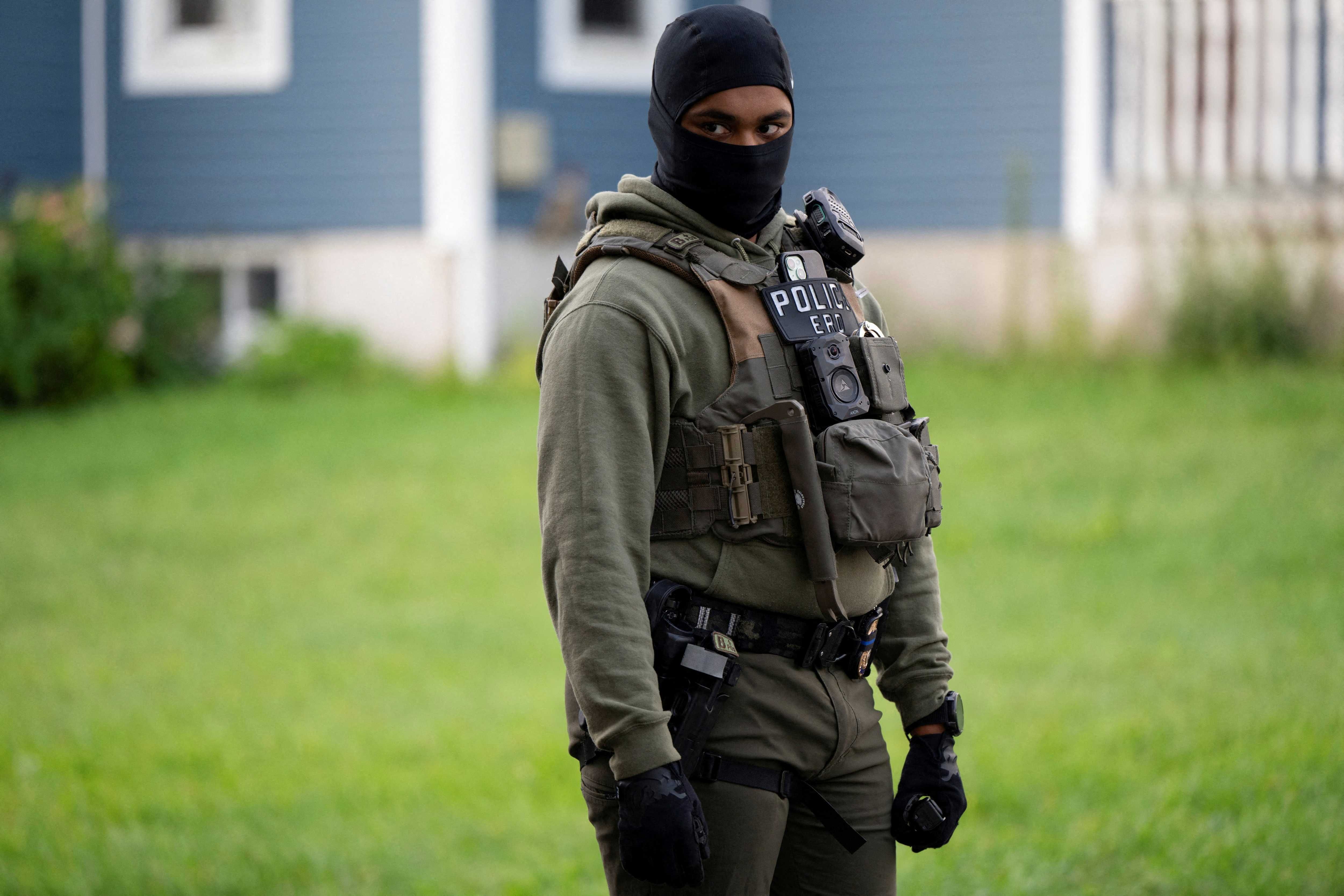
The article adds to the growing body of health research on Operation Metro Surge, during which thousands of immigration agents descended on Minnesota, killing two U.S. citizens. Thousands of immigrants were arrested and deported, and many immigrant families went into hiding for fear of violence, detention, family separation and deportation.
Munira Maalimisaq, a family nurse practitioner and public health nurse who founded Inspire Change Clinic in south Minneapolis, noticed patients missing appointments at the beginning of Operation Metro Surge, and quickly reoriented the clinic to deliver home care.
While some doctors at larger healthcare institutions were told they couldn’t provide home care, Maalimisaq’s clinic completed 188 home visits on top of telehealth appointments, medication delivery, transportation for patients afraid to call ambulances, lab services and clinician-monitored hotlines, according to the article published by Maalimisaq and Jennifer Needle‐Suarez in the prominent medical journal.
Maalimisaq and Needle‐Suarez’s article poses a question for large hospitals and clinics: “What obligations do healthcare institutions hold when fear becomes the primary barrier to care?”
Maalimisaq and Needle‐Suarez documented a visit with the mother of a 3-month-old infant. The mother was experiencing malnutrition and postpartum psychosis related to the isolation and fear she experienced during Operation Metro Surge.
The article also mentions incidents of miscarriage and stillbirth, premature delivery due to malnutrition, parents who did not visit their child in the neonatal intensive care unit for up to eight weeks, and a father detained days after his baby was born.
A study published last month in the journal of the American Academy of Pediatrics found that the rate of missed appointments among Hispanic patients increased by more than 50% during Operation Metro Surge compared with the same time period in the prior two years. The researchers found a similarly increased rate of missed appointments for all families requiring an interpreter and a particularly acute impact on Spanish-speakers, who missed 80% more appointments during Operation Metro Surge compared with recent years.
Asitha Jayawardena, a pediatric otolaryngologist and lead author of that study, presented the findings Wednesday to the Minnesota Truth Council, assembled by Gov. Tim Walz to compile a report on the harms of Operation Metro Surge and the resilience of Minnesotans.
“We can measure missed appointments. We can run rigorous statistical analyses. We can report significant change,” Jayawardena said. “What I cannot measure is the cost of those missed appointments on a child who deserves to be seen. What are the long-term consequences of all those empty chairs?”
Needle‐Suarez, a pediatrician and associate professor at the University of Minnesota, said healthcare institutions should not wait for the next crisis to maintain, develop and cultivate relationships with communities that are part of their mission statements.
“The pathways that healthcare had relied on were not functional,” Needle-Suarez said.
She and other researchers are concerned about the operation’s long-term mental health impacts on children, especially those who witnessed violence or experienced family separation — but that research will take much longer to complete.
Minnesota Reformer is part of States Newsroom, a nonprofit news network supported by grants and a coalition of donors as a 501c(3) public charity. Minnesota Reformer maintains editorial independence. Contact Editor J. Patrick Coolican for questions: info@minnesotareformer.com.