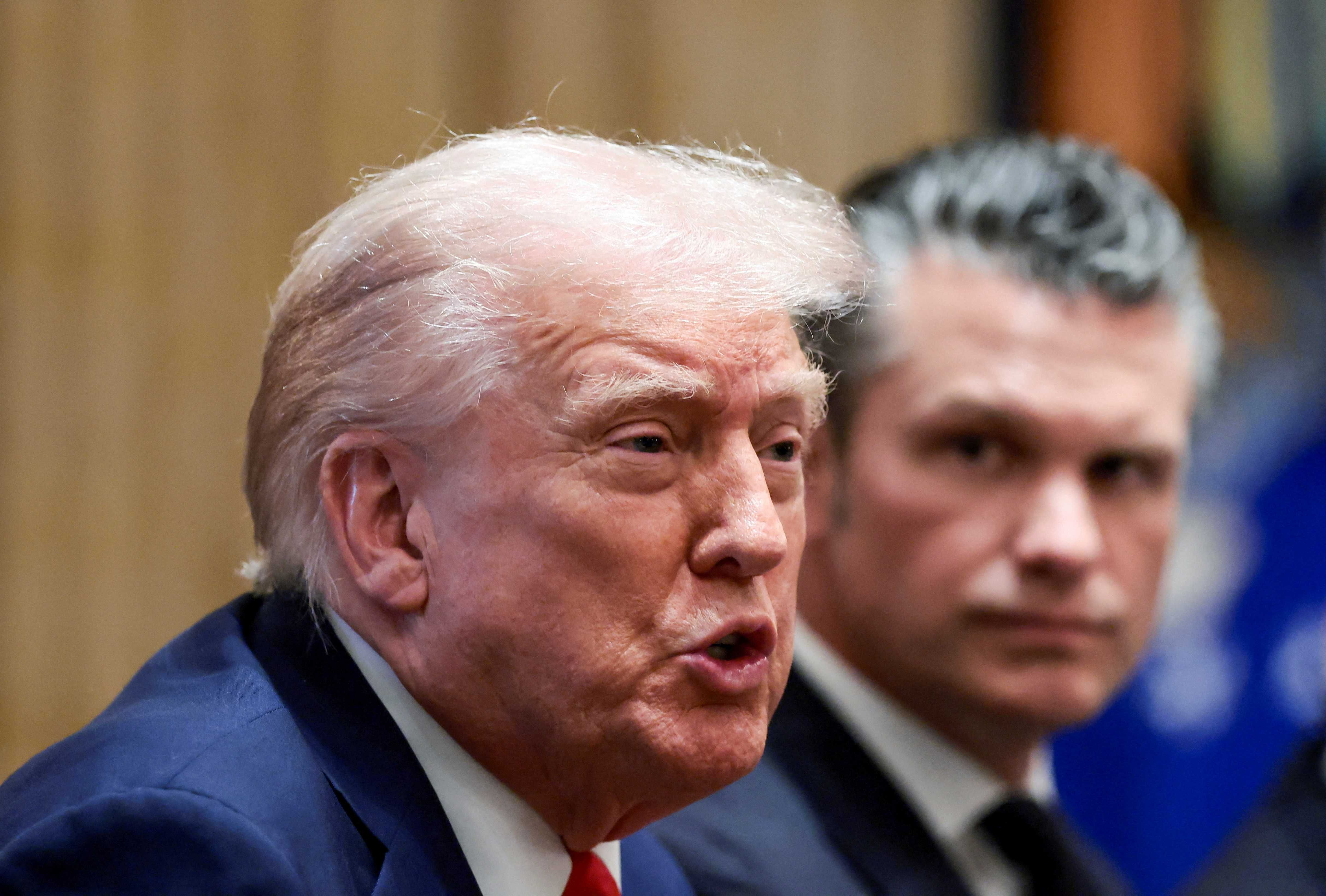
President Donald Trump is pivoting to health care as a central midterm strategy despite the issue's catastrophic history for Republicans, hoping popular drug-pricing measures can overcome deep skepticism and boost his political standing.
Deputy Chief of Staff James Blair and pollster Tony Fabrizio have bluntly told Republicans they have no other choice, reported CNN, because Democrats will attack relentlessly on health care and affordability, so they're hoping to seize the offensive first.
"There truly are not many things they will be able to do that will alter the fate of the Republican majority," said one Republican close to the White House. "That's obviously a tough place for them to be."
Republicans' health care track record is dismal. Failed efforts to repeal Obamacare during Trump's first term alienated voters, triggering a 40-seat House loss in 2018 that Democrats have maintained a polling advantage on health care ever since, yet Trump insists his "Most Favored Nation" drug-pricing initiative and vaguely-defined "Great Healthcare Plan" represent something different.
The administration is frantically restructuring messaging to support this strategy. White House officials conducted a secret evaluation of HHS operations, resulting in a major departmental shakeup that elevated drug-pricing staffers while marginalizing HHS Secretary Robert F. Kennedy Jr.'s polarizing vaccine agenda and redirecting him toward less controversial topics like healthy eating.
Yet the recalibration exposes deeper problems. Congressional Republicans show little appetite for major health legislation in an election year. Conservative lawmakers hesitate endorsing drug-price negotiation — a progressive policy championed by Sen. Bernie Sanders (I-VT).
The FDA's botched handling of a Moderna flu vaccine, requiring Trump's personal intervention, signals the health department remains dysfunctional and prone to missteps.
Perhaps most damaging: Republicans still cannot articulate what they're actually for on health care, and polling shows Trump's health care pivot hasn't gained traction so far.
"Trump gets that it's a problem and he needs to talk about it, but he has the same problem we've traditionally had — we've never been able to really demonstrate what we're for," said veteran Republican strategist Doug Heye.