Trump unlikely to invade Venezuela as U.S. tightens economic pressure on oil exports
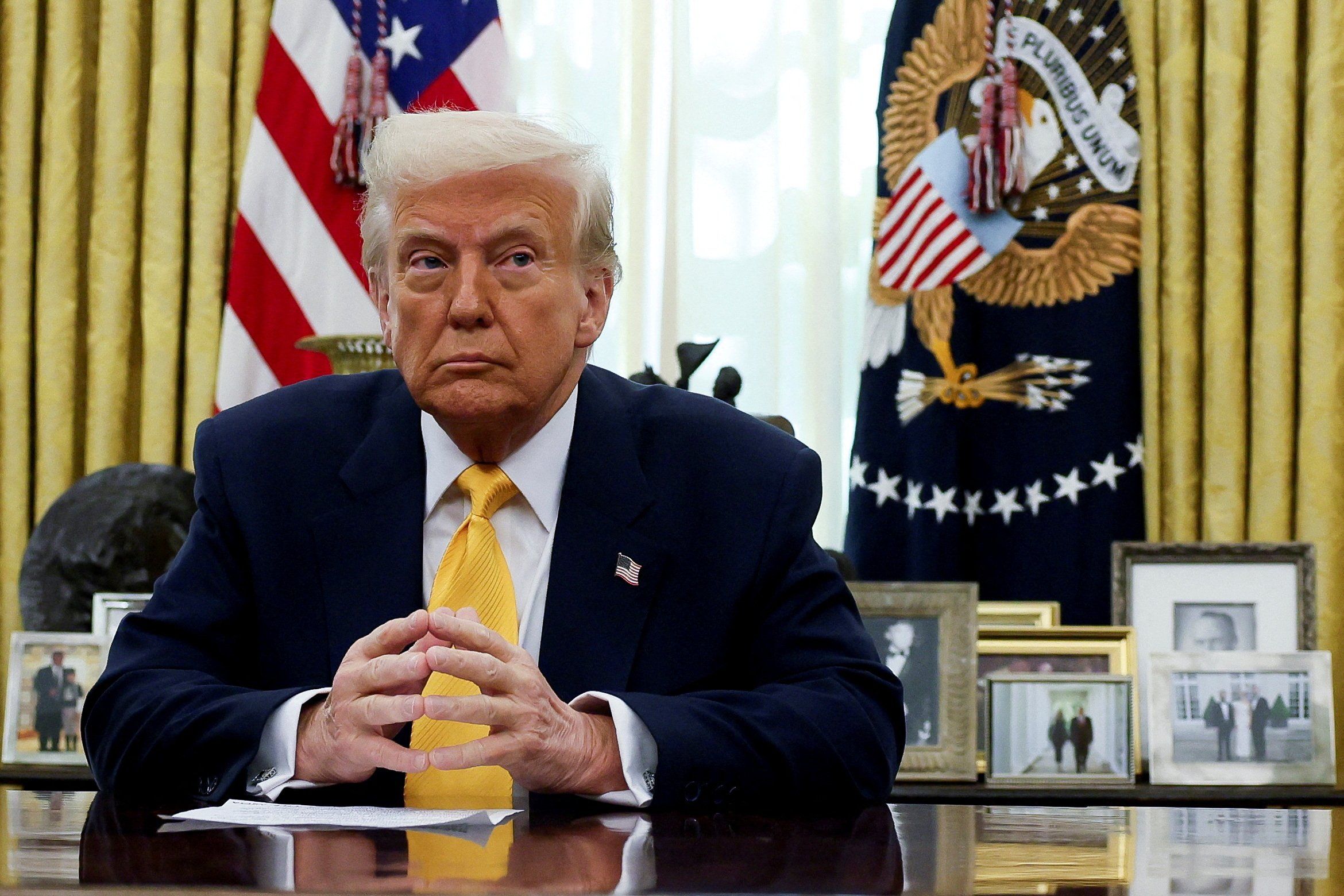
U.S. President Donald Trump sits in the Oval Office of the White House in Washington, D.C., U.S., March 7, 2025. REUTERS/Leah Millis TPX IMAGES OF THE DAY
Speculation in Washington has grown over whether President Donald Trump might pursue a military intervention in Venezuela. Analysts say that is unlikely — not because of humanitarian concerns, but because the administration appears to be relying on a strategy it views as less risky: intensified economic pressure.
Venezuela has endured years of U.S. sanctions targeting its economy, particularly its oil sector, the country’s primary source of revenue. Despite those measures, the government has continued exporting oil through alternative channels. Critics argue the Trump administration is now attempting to shut those pathways down.
Rather than launching a military operation that would face public opposition and congressional scrutiny, the administration has tightened restrictions on Venezuelan oil exports. Humanitarian groups warn the move could deepen shortages of food, medicine, electricity, and other essentials funded by oil revenue.
Recent U.S. actions in the Caribbean, including the interception or rerouting of oil tankers linked to Venezuela, suggest a shift toward more aggressive enforcement. Legal experts note that interfering with civilian commercial vessels without a United Nations mandate raises serious international law concerns.
The United Nations Convention on the Law of the Sea guarantees freedom of navigation, and scholars argue that enforcing U.S. sanctions against third countries engaged in lawful trade may amount to collective punishment — which is prohibited under international humanitarian law.
Analysts say the goal is to create economic conditions severe enough to destabilize the Venezuelan government. Past U.S. efforts in countries such as Cuba, however, have shown that prolonged economic pressure often entrenches political leadership while harming civilians.
Humanitarian organizations warn that tighter sanctions could accelerate migration, placing additional strain on neighboring countries including Colombia, Brazil, and Chile. Millions of Venezuelans have already fled amid economic collapse.
While most Americans oppose military intervention in Venezuela, sanctions are often seen as a less violent alternative. Research published in The Lancet suggests otherwise, finding that broad economic sanctions can increase mortality rates comparable to armed conflict, with children and the elderly most affected.
Observers warn that economic pressure, though less visible than war, can produce equally devastating consequences.