MSN
Ex-Treasury head sounds alarm on overlooked lasting Trump threat: 'Never imagined'
October 21, 2026 9:39AM ET
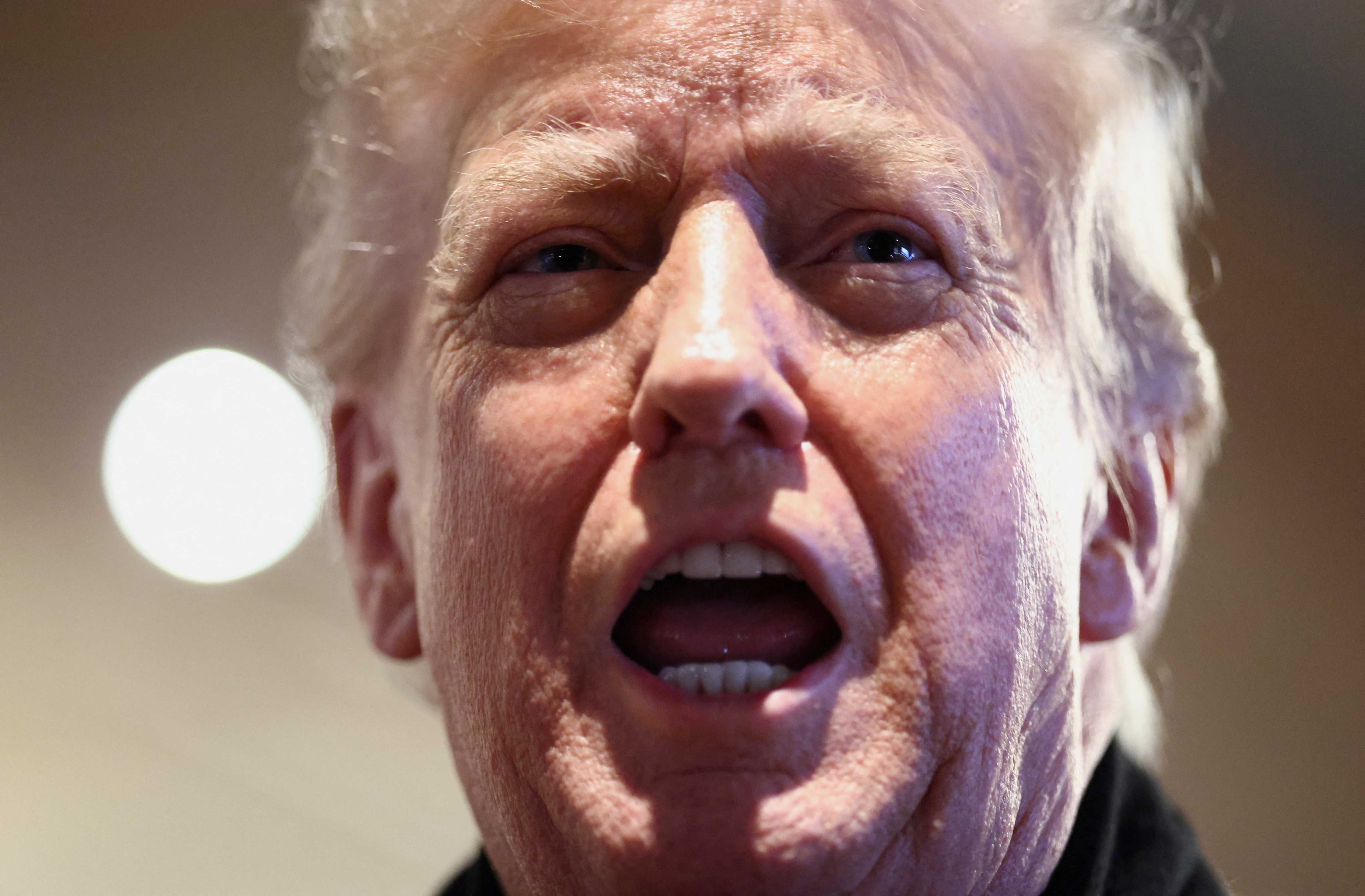
Donald Trump speaks in Urbandale, Iowa. REUTERS/Kevin Lamarque
Former Treasury Secretary Robert Rubin warned that President Donald Trump’s efforts to interfere with the midterm elections could do lasting damage to the U.S. economy – and claimed Wall Street doesn't seem to be paying attention.
“In more than six decades spent in and around economic policymaking, I never imagined having to write a piece such as this,” Rubin wrote in a New York Times op-ed published Wednesday.
Rubin, who served as Treasury secretary under President Bill Clinton, argued that many Americans underestimate the threat posed by Trump’s “clearly expressed desire to interfere with and even usurp the midterm elections.”
He said the administration has already “thrown up obstacles” to a fair vote, such as his amplified false fraud claims, weakened defenses against foreign meddling, and pressure on states to purge voter rolls using an error-prone database. Rubin also cited fears that Trump and his allies could send armed federal agents to polling places, seize ballot boxes, or exploit a House clerk loophole to keep duly elected Democrats from taking their seats.
The economic fallout could come quickly, Rubin warned. Business investment outside the AI sector is already weak, and small-business uncertainty is 32 percent above its historical average.
“This seems like a bad time to inject substantially more instability into the mix,” he wrote.
Rubin noted that Trump has refused to rule out invoking the Insurrection Act around the elections. He pointed to the immigration enforcement surge in Minneapolis, which cost the city an estimated $700 million, as a preview of the disruption that post-election chaos could bring nationwide.
The long-term risks may be even greater. Free elections and the rule of law, Rubin argued, underpin the dollar’s status as the world’s reserve currency and keep U.S. borrowing costs low. Turkey and China are two countries countries where weak legal protections have scared off investors, he argued.
Despite those risks, Rubin said many business and political leaders dismiss the threat as remote.
“That’s another way of saying that the markets are not pricing in what I consider a meaningful risk,” he wrote.
The yield on 10-year Treasuries recently reached 5.36 percent, higher than after the 2008 financial crisis. Rubin warned that election chaos could push it even higher. That would mean higher mortgage rates and credit card bills for consumers.
He urged business leaders to speak out publicly for election integrity, back nonpartisan election-protection groups, and use their influence behind the scenes to discourage anyone considering disrupting the vote.