Mike Pence has precedent on his side in fight against special counsel subpoena
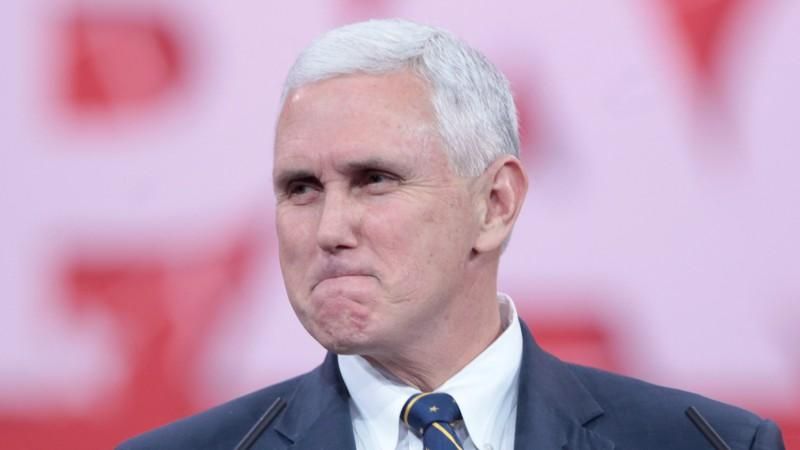
Mike Pence will most likely fight a grand jury subpoena for his testimony in the Jan. 6 investigation, and legal experts believe he might ultimately succeed.
Special counsel Jack Smith has demanded Pence's testimony about a one-on-one conversation with Donald Trump the morning of the insurrection and a December 2020 meeting with Republican lawmakers to discuss strategies to reject the election results, but legal experts told The Guardian the former vice president could be protected by the Constitution's "speech-and-debate clause."
“The crux of it is whether they’re going to treat him as a senator or representative – whether he is covered by the text,” said Steve Vladeck, a professor at the University of Texas School of Law.
Congressional officials are constitutionally protected from legal proceedings related to their work, and some of the discussions Pence took part in may have been related to his role as presiding officer over the Jan. 6 joint session of Congress, although some might not be covered under the clause.
“But if you get past the threshold question, the historical distinction between legislative and political functions seems to put Pence’s behavior on the legislative side of the line," Vladeck said.
The Supreme Court ruled in 1975 that the clause was "absolute," superseding a decision from three years earlier, but a 1979 ruling found in a case involving Sen. Daniel Brewster that he must testify about an alleged bribery scheme but was protected by the clause from disclosing what legislative acts he might have taken to complete the arrangement.
“So long as Pence is entitled to the protections of the immunity, there would be no way for the government to overcome that privilege where it applies, unlike executive privilege,” said Stan Brand, a former general counsel to the House of Representatives and partner at Brand Woodward Law.