MSN
Army report hints US forces may not be ready when it matters most
November 24, 2026 9:32AM ET
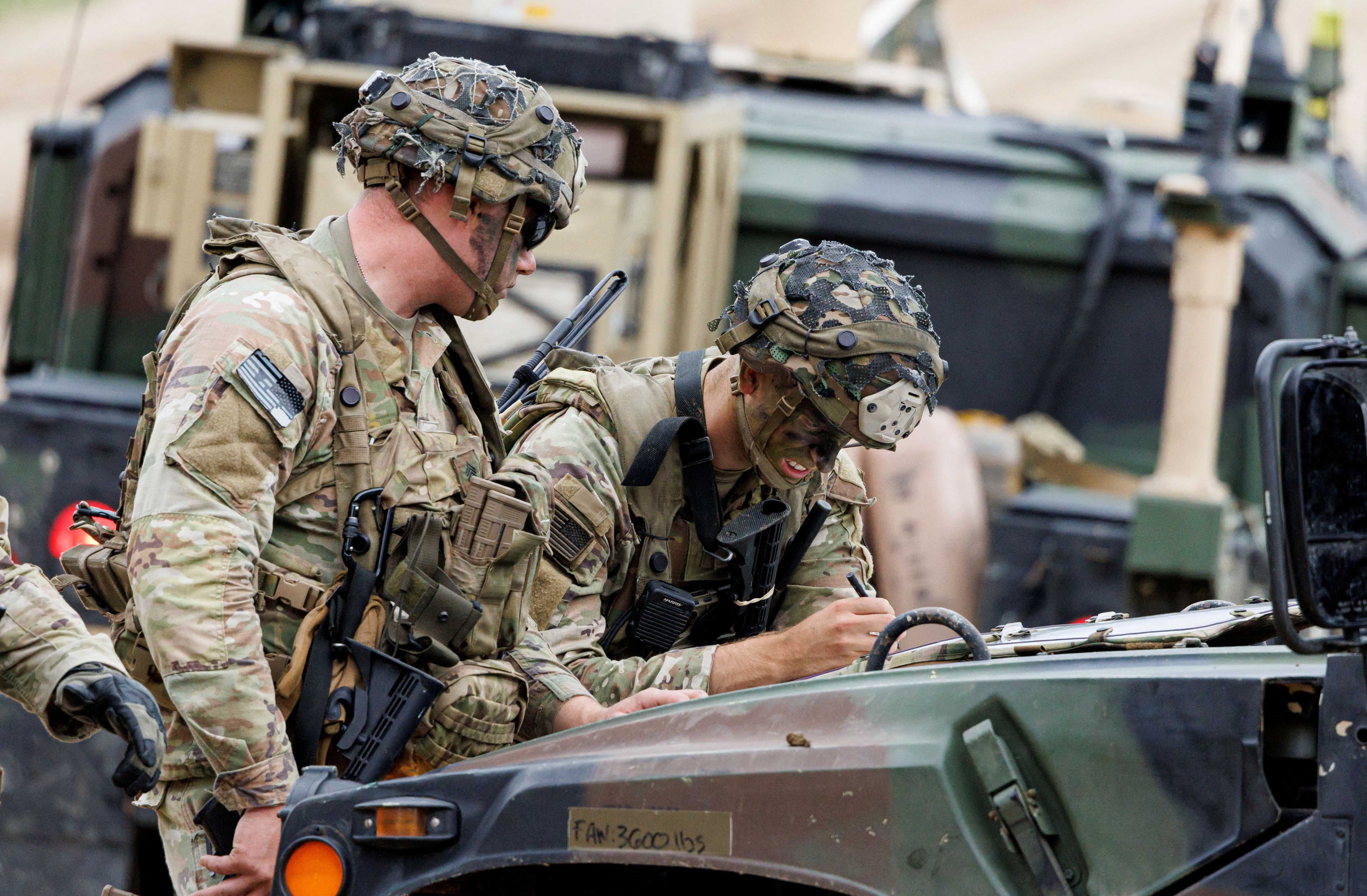
FILE PHOTO: U.S. Army Soldiers take part at Saber Junction excercise in Hohenfels, Germany, September 8, 2022. REUTERS/Lukas Barth/File Photo
The U.S. Army's own auditors have warned that troops in Hawaii, the military's key staging ground for a potential war with China, might not be able to deploy quickly enough if a crisis erupted without warning.
The Army Audit Agency's report, finished in April and obtained by CNN through the Freedom of Information Act, flagged "unaddressed infrastructure and equipment issues" along with confusion over the duties of a field support battalion that handles deployments from the islands.
Auditors concluded there is a risk that Army units "won't be able to effectively deploy from Hawaii in support of a no-notice contingency or other real world mission."
Among the problems they cited were logistics equipment that wasn't ready, gaps in deployment training and maintenance bays that had flooded.
A senior official at U.S. Army Pacific headquarters requested the review "because USARPAC leaders lacked confidence" in the Hawaii garrison's ability to serve as a "power projection platform," according to the report.
Hawaii is home to roughly 47,000 active-duty troops, including the 25th Infantry Division, and military planners see the islands as a relatively safe hub for moving forces and gear toward the western Pacific, out of reach of much of China's missile arsenal.
"The 25th Infantry Division (in Hawaii) is the most forward Army unit designed to deploy … into the region," Michael Mazza of the Institute for Indo-Pacific Security told CNN. If deployments from Hawaii stalled or broke down, he said, it "would impact the Army's ability to get into a fight."
The report also found that several Army headquarters initially disagreed over whose job it was to come up with fixes and pay for them.
A USARPAC spokesperson acknowledged the audit had "identified opportunities to strengthen unit movement support" and said the service "has taken actions to strengthen deployment support." The command "remains fully prepared to meet global contingency requirements," the spokesperson added.
The findings come as the Pentagon rethinks how it would fight in the Pacific. China's buildup of ballistic and hypersonic missiles and its growing navy have pushed U.S. planners to spread forces across many smaller sites instead of relying on a handful of big bases like Hawaii, Guam and installations in Japan.
The Air Force is restoring airfields across the region, including the World War II-era strip on Tinian that launched the atomic bomb missions, while the Army is moving prepositioned equipment from ships to land sites.
But Mazza said that shift makes Hawaii even more vital in an actual war.
The islands become "more important once the shooting starts because of its relative safety," he said.