
Download Our App

All posts tagged "Alyssa Rosenberg"

Game of Thrones Makes Its Audience Complicit

Game of Thrones Makes Its Audience Complicit

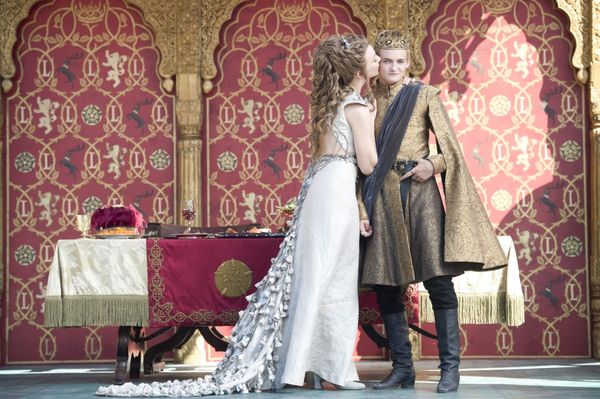
Last night's Game of Thrones was a masterpiece, it really was. (SPOILERS FROM HERE ON OUT.) It worked even more perfectly than I guessed it would have, having read the books and known what was coming. I'm going to leave the in-depth recapping aside---Scott does a great job of it here at Raw Story---and just talk briefly about how the final scene played out. The audience at home is made to endure Joffrey's ugly and mean-spirited play where a bunch of little people do a comical re-enactment of the War of the Five Kings. Joffrey and his supporters chortle horribly at the deaths of their enemies for many long minutes, many more minutes than you would ever have to endure in most TV shows. After awhile, you start to squirm and actually feel the discomfort of Tyrion, Sansa, and the Tyrells at this unseemly display of pleasure in the deaths of you enemies. You can't wait for it to end. It's really terrible, all this gloating over death.

Don't let them win

Don't let them win

There's been an interesting surge lately in protests against online misogyny, kicked off by the rather strange case of douchebags dogpiling of Alyssa Rosenberg for having the nerve to be an even-tempered pop culture blogger for Think Progress. Oh yeah, and with a vagina. That, it is believed, was her real crime that justified a torrent of unprovoked abuse in the comments at Think Progress, which led her to start speaking out about online misogyny. Sady Doyle has now joined up with a Twitter hashtag called #mencallmethings, which is useful for an eyeful of the routine abuse dished out at women online for daring to think they have a right to write. I added some examples of my own. 

Men on the TV

Men on the TV

I've been really happy with the reception I've gotten for a piece I did on masculinity and high-quality TV drama.  (It got reprinted on Jezebel, which I think may be my first byline for them, believe it or not.) Alyssa Rosenberg calls it "prestige TV", and I think that's exactly the right term.  It explains in part why I didn't talk about some shows people asked me about after I published this, such as "Lost".  "Lost" is actually a decent example of writers working similar themes about the crisis of masculinity---Jack's personal problems were overtly patriarchal in an often anvilicious way---but I was more interested in why this particular theme of men facing the demons of traditional masculinity was so compelling on highbrow television.