Shockingly enough, the pandemic seems to have depleted our appetite for apocalypse fantasy. Who'd have thought it? Not the people who made "
The Walking Dead," "
World War Z" and every other shambling undead property that ruled the 2010s, along with more recent end-of-the-world, zombie-free tales like "
Y: The Last Man" or the remake of "
The Stand."
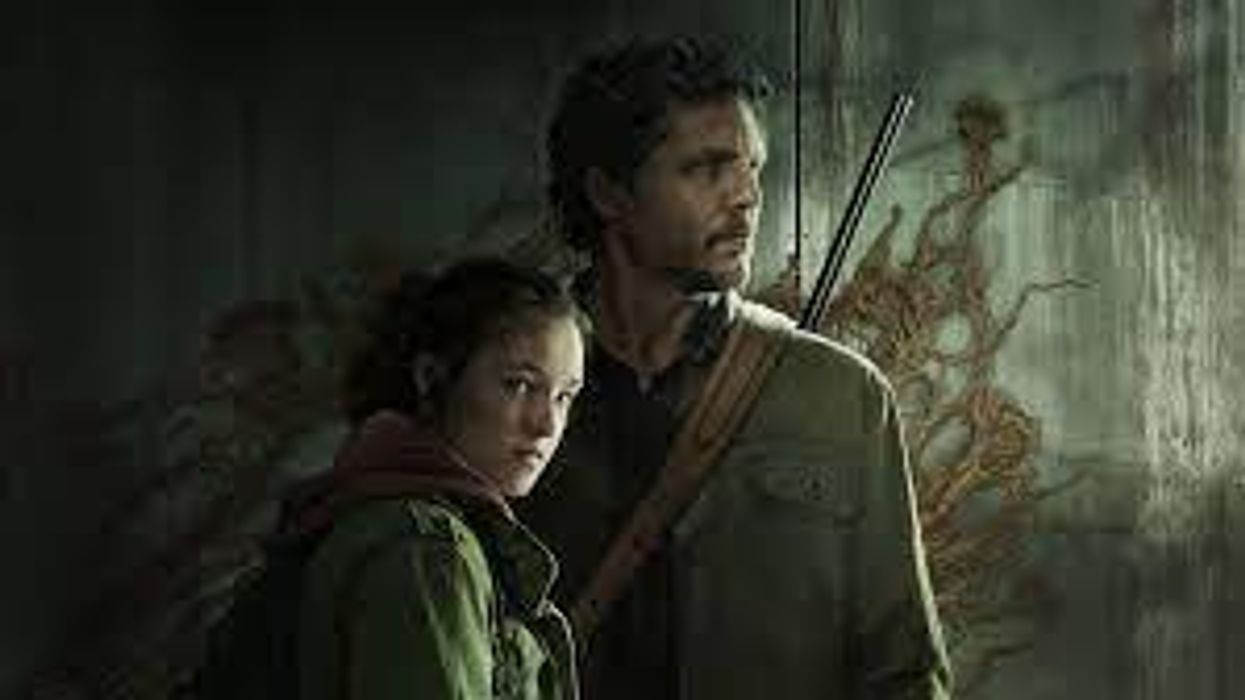
If their brief lifespans are an indicator of the longevity odds of "The Last of Us," HBO's high-budget video game adaptation would seem to have a difficult if not impassable road ahead of it – and not merely due to our presumed fatigue with scripts about some impending version of Earth's big Game Over. Conversions of console-based mythologies to screens have a notoriously poor track record. In that regard, the starting line for "The Last of Us" is better positioned than, say, the challenge that the "Resident Evil" series writers faced in their effort to conjure prime rib out of the conceptual equivalent of Steak-Umms.
In creating "The Last of Us" Neil Druckmann intentionally spins a narrative as stalwart as its ferocious gameplay. The non-player character (NPC) backstories aren't simply described in their inventory notes but play out as the main characters travel through their forbidding environment. This is just one reason the PlayStation games have earned an enthusiastic fanbase since the first one came out in 2013.
Not even that is enough to guarantee a video game adaptation's success. Druckmann is also the creative mind behind the "Uncharted" franchise, which became a film; take that information as you will. "The Last of Us," however, enlists the storytelling expertise of Craig Mazin, the Emmy-winning creator of "Chernobyl." By merging the psychological profundity and emotional realism Mazin applied in his historical drama to Druckmann's speculative premise, its nine episodes feel at once harrowing and, strangely enough, hopeful....