MSN
WSJ tears apart Trump’s peace summit as he misses massive threat under his nose
November 19, 2026 7:19PM ET
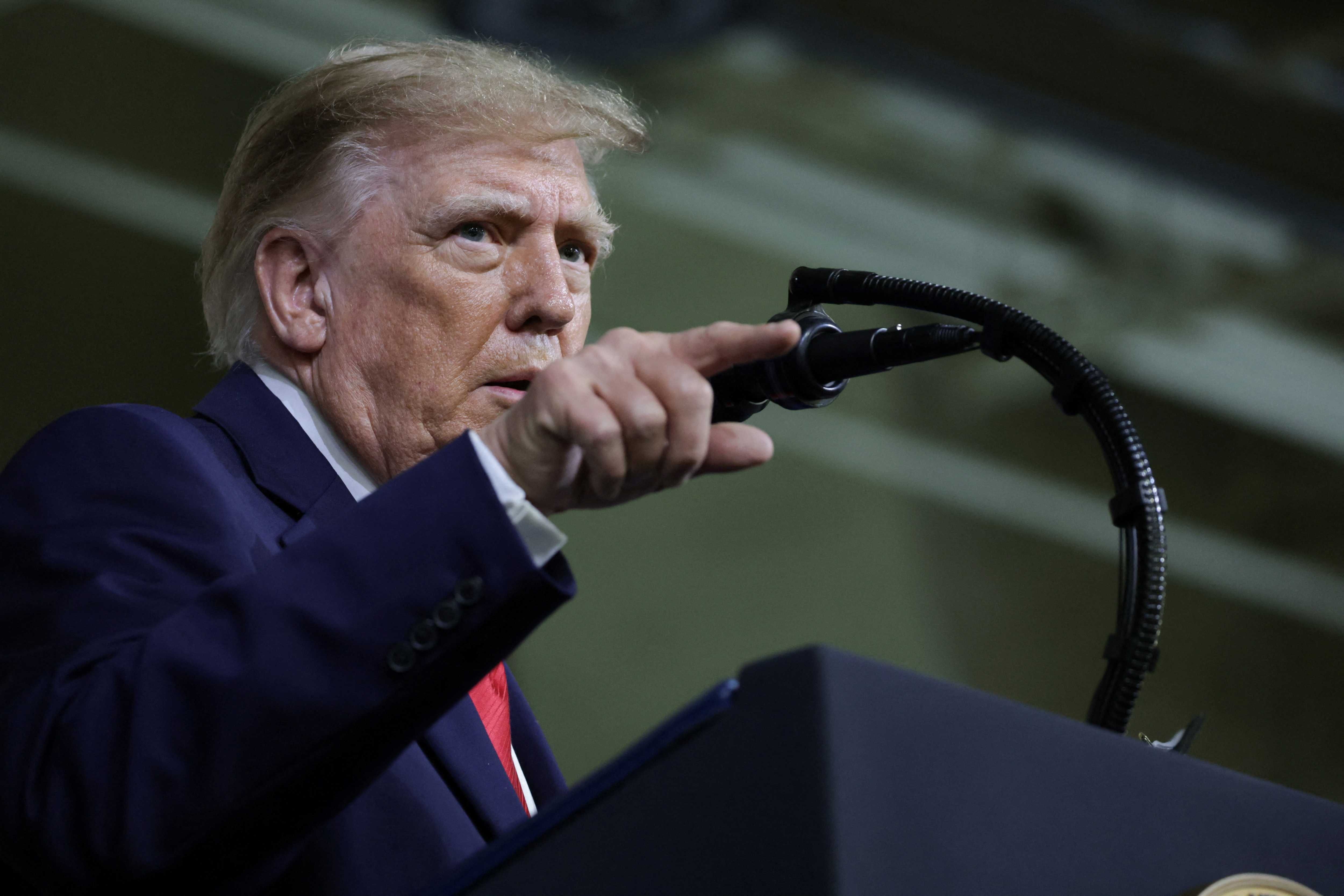
US President Donald Trump speaks during a visit to Peterbilt Motors in Denton, Texas, US, October 1, 2026. REUTERS/Jonathan Ernst
President Donald Trump’s summit pledge on nuclear war left Russian leader Vladimir Putin’s nuclear threats unaddressed, the Wall Street Journal editorial board warned.
In an editorial titled “Nuclear Peace in Our Time. Not,” the board said the meeting between Trump, Putin, and China's Xi Jinping went better than it might have. Trump appeared to give up nothing on Ukraine or Taiwan, it said, but the joint statement was “diplomatic pabulum.”
The White House said the three agreed a nuclear war can’t be won or fought, and promised talks on cutting nuclear risks. The board, however, made a simple, blunt point: Putin himself is the biggest nuclear danger, since he had repeatedly threatened to use battlefield weapons in Ukraine to scare the West into concessions.
A detonation wouldn’t save his failing ground war, but he still holds an edge over the U.S. and Europe in low-yield weapons that the New START Treaty never covered," wrote the board.
The board praised Trump for insisting China join any new arms deal, but argued Xi wouldn’t drop his push for 1,000 warheads by 2030 "merely because of personal rapport and hugs with Mr. Trump."
It also asked whether Trump raised Iran. He had waved off Chinese and Russian help for Tehran, it said, though that help gave Iran’s nuclear program a better chance of surviving the U.S. war. The board agreed Iran’s rulers can’t be allowed a bomb.
Trump, the board concluded, was unlikely to get his grand bargain by pleading with adversaries and that the best nonproliferation move was beating Iran decisively.
"One down payment on nuclear peace Mr. Trump could make would be a crash project to speed up the development of a sea-launched nuclear cruise missile," the board wrote. "This flexible, low-yield weapon would send a far more powerful statement than summitry that Russia and China can’t expect to bully the U.S. with nuclear blackmail, say, in the Taiwan Strait."