Top Stories Daily Listen Now
RawStory

Science

Deep-sea mining noise pollution threatens whales: study

Scientists warned on Tuesday that controversial seabed mining could significantly threaten ocean ecosystems, especially blue whales and other cetaceans already stressed by shipping, pollution and climate change.

A study in the journal Frontiers in Marine Science found that commercial-scale extraction of valuable minerals from the ocean floor, which could begin for the first time later this year, would damage habitats and interfere with the way cetaceans communicate.

Keep reading... Show less

‘This is a really good day’: 12 rescued, rehabbed manatees released at Florida's Blue Spring State Park

ORLANDO, Fla. — Blue Spring in Volusia County is a popular place to see manatees but there’s never been an event like Monday, when manatee after manatee was unloaded from trucks and set free after a long stay in recovery and rehabilitation. A dozen from early morning to early afternoon were given final measurements and last health checks, equipped with GPS location transmitters and photographed for scientific purposes – and just for the joy of it. The animals had gotten a lot of hands-on care from a lot of caretakers in many states and several aquariums. While a few dozen lucky visitors at Blu...

Feces, urine and sweat – just how gross are hot tubs? A microbiologist explains

For many centuries we have bathed in communal waters. Sometimes for cleanliness but more often for pleasure. Indeed, in ancient Greece, baths were taken in freshwater, or sometimes the sea – which was thought of as a sacred place dedicated to local gods and so was considered an act of worship.

But it was the Romans who created state-sponsored aqueducts to allow for large-scale public baths. These were mainly used for relaxation but also for more private pleasures, too. Yes, the public baths were often where Romans did the dirty deed - sometimes with their bath attendant slaves.

Keep reading... Show less

How the Middle Ages’ female doctors were consigned to oblivion

In seeking to tell the story of these experts (prior to their ostracization from the practice), researchers have come up against a number of obstacles. The information available comes primarily from scarce, disparate fragments from biographical sources, as well as economic, legal and administrative ones. Sometimes all that remains is a given name or a surname, such as in the case of the women listed in the Ars Medicina of Florence (a medical treatise) or of the nun apothecary Giovanna Ginori, whose name can be found in the tax records of the pharmacy where she worked in the 1560s.

Such painstaking research has nevertheless helped us better understand how a male-dominated, institutional and hierarchical system has pushed women away from the practice and study of medicine.

Keep reading... Show less

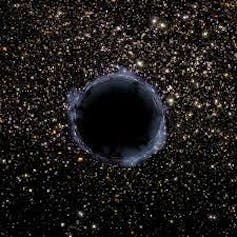
How could we detect atom-sized primordial black holes?

One of the most intriguing predictions of Einstein’s general theory of relativity is the existence of black holes: astronomical objects with gravitational fields so strong that not even light can escape them.

When a sufficiently massive star runs out of fuel, it explodes and the remaining core collapses, leading to the formation of a stellar black hole (ranging from 3 to 100 solar masses).

Keep reading... Show less

5 expert tips to protect yourself from online misinformation

The spread of misinformation is a major problem impacting many areas of society from public health, to science and even democracy itself.

But online misinformation is a problem that is very difficult to address. Policing social media is like playing an infinite game of whack-a-mole. Even if we could address one type of misinformation, others quickly spring up in its place. Furthermore, there are valid concerns about how governments and corporations might address this problem and the dangers of censorship.

Keep reading... Show less

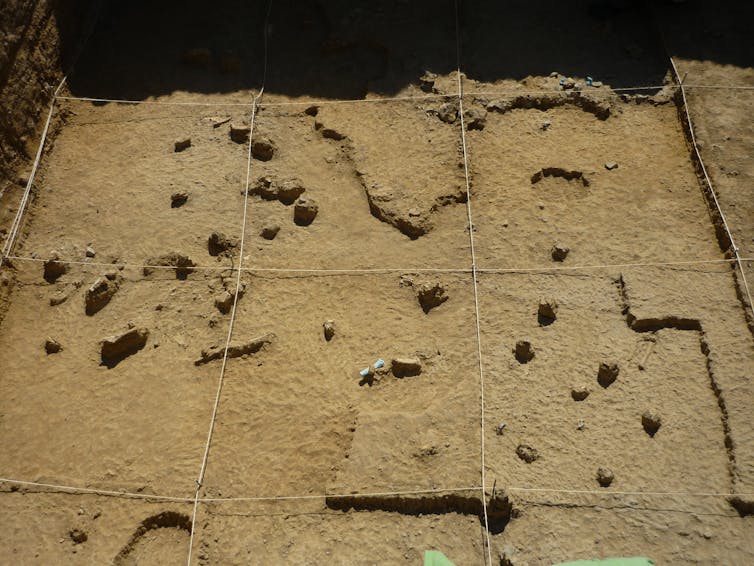
We found 2.9-million-year-old stone tools used to butcher ancient hippos – but likely not by our ancestors

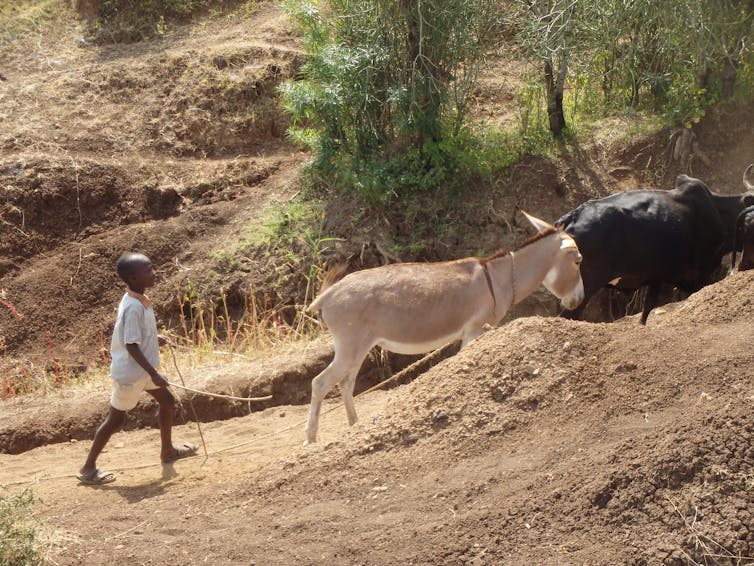
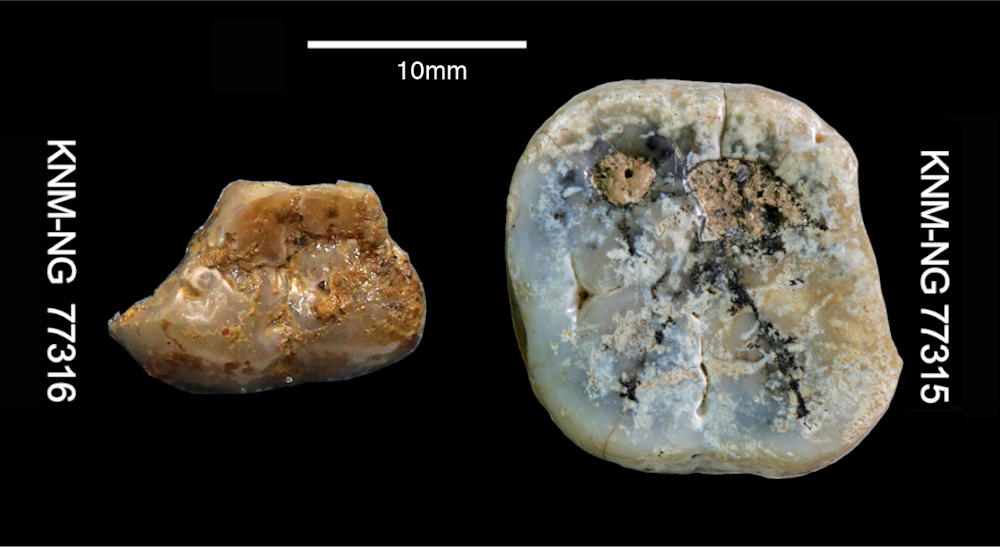
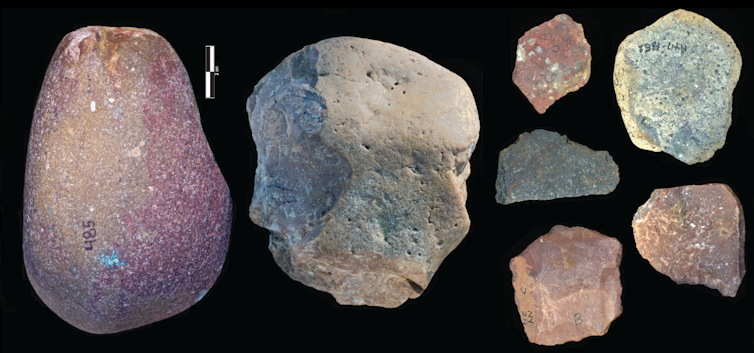
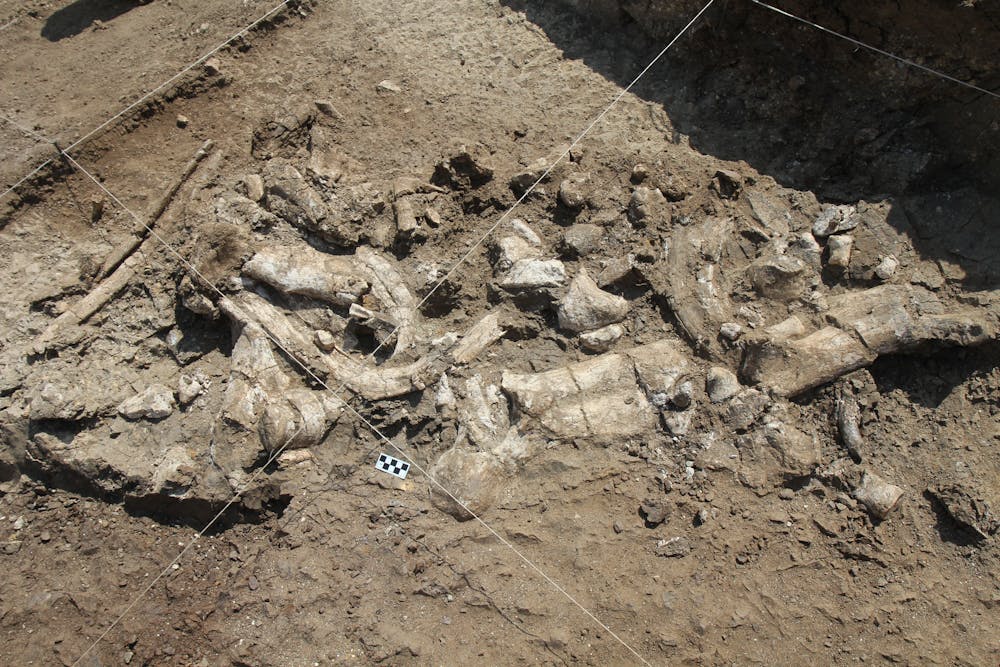
On the shores of Lake Victoria in Kenya, a short valley extends south towards the looming Mount Homa. From it have emerged some of the oldest-known stone tools used to butcher large animals, as well as the oldest remains of one of our early cousins, Paranthropus – a genus we think co-existed with our direct ancestors.

Similar tool and fossil discoveries had been made before, in different places and at different times. But to find these all together in one place, as old as they are, is truly extraordinary.

Keep reading... Show less

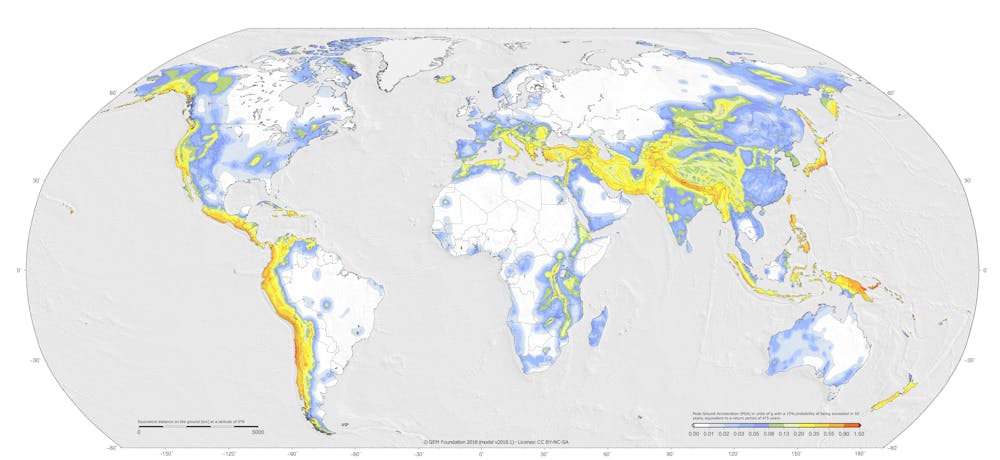
Nobody can predict earthquakes, but we can forecast them. Here’s how

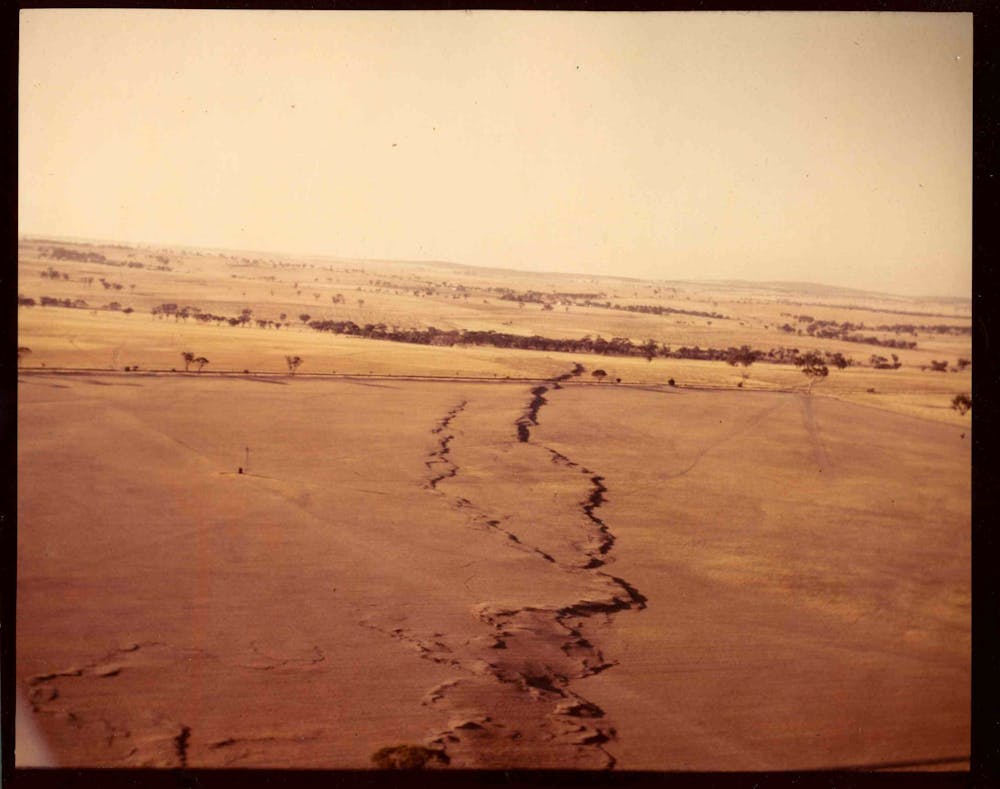
After devastating earthquakes, it’s common to see discussion of earthquake prediction. An earthquake prediction requires, in advance, the specific time, location and magnitude of a future quake.

However, earthquake prediction has never been achieved successfully in a way which could be repeated.

Keep reading... Show less

How heavy metals get into dark chocolate bars

Heavy metals naturally contaminate a lot of the foods we regularly enjoy — including dark chocolate. While there are tips to minimize exposure, including knowing which bars have lower levels of heavy metals, chocolate lovers may want to know how heavy metals get into these treats in the first place. A 2018 California consent judgment between nonprofit advocacy group As You Sow and the world's largest chocolate companies established industry standards for heavy metal limits in chocolate products. In response to the judgment, the National Confectioners Association and As You Sow — with contribut...

Study finds heavy metals in 28 popular dark chocolate bars

SEATTLE — Dark chocolate has a reputation as a relatively healthy treat, but research showing some popular bars might have potentially unsafe levels of heavy metals has many questioning how safe these treats really are. Consumer Reports tested 28 popular dark chocolate bars from Seattle’s own Theo Chocolate to Trader Joe’s, Hershey’s to Ghirardelli, and even smaller brands such as Alter Eco and Mast. The study found cadmium and lead in every single bar. With Valentine’s Day around the corner, Consumer Reports last month called on chocolate makers to commit by Feb. 14 to reducing levels of heav...

Buffalo Bills receiving expert opinions on Damar Hamlin’s football future

The 24-year-old is still recovering after going into cardiac arrest on the field in early January. The Bills and their medical staff are making plans for Damar Hamlin to meet with additional health experts to assist the safety in making a decision about his future in football, the NFL’s chief medical officer Allen Sills said Friday.

Speaking with reporters during a videoconference ahead of Super Bowl LVII, Sills said he does not know at this point if Hamlin, 24, plans to seek a return to football after he went into cardiac arrest and had to be resuscitated on the field ...

Earth has lost one-fifth of its wetlands since 1700 – but most could still be saved

Like so many of the planet’s natural habitats, wetlands have been systematically destroyed over the past 300 years. Bogs, fens, marshes and swamps have disappeared from maps and memory, having been drained, dug up and built on.

Being close to a reliable source of water and generally flat, wetlands were always prime targets for building towns and farms. Draining their waterlogged soils has produced some of the most fertile farmland available.

But wetlands also offer some of the best natural solutions to modern crises. They can clean water by removing and filtering pollutants, displace floodwater, shelter wildlife, improve our mental and physical wellbeing and capture climate-changing amounts of carbon.

Peatlands, a particular type of wetland, store at least twice the carbon of all the world’s forests.

How much of the Earth’s precious wetlands have been lost since 1700 was recently addressed by a major new study published in Nature. Previously, it was feared that as much as 50% of our wetlands might have been wiped out. However, the latest research suggests that the figure is actually closer to 21% - an area the size of India.

Some countries have seen much higher losses, with Ireland losing more than 90% of its wetlands. The main reason for these global losses has been the drainage of wetlands for growing crops.

A waterlogged wilderness with tufts of vegetation growing amid the water.

A wetland is, like this peat bog, a terrestrial habitat where water is held on the land. Kuttelvaserova Stuchelova/Shutterstock

Wetlands are not wastelands

This is the most thorough investigation of its kind. The researchers used historical records and the latest maps to monitor land use on a global scale.

Despite this, the new paper highlights some of the scientific and cultural barriers to studying and managing wetlands. For instance, even identifying what is and isn’t a wetland is harder than for other habitats.

The defining characteristic of a wetland – being wet – is not always easily identified in each region and season. How much is the right amount of wetness? Some classification systems list coral reefs as wetlands, while others argue this is too wet.

And for centuries, wetlands were seen as unproductive wastelands ripe for converting to cropland. This makes records of where these ecosystems used to be sketchy at best.

The report shows clearly that the removal of wetlands is not spread evenly around the globe. Some regions have lost more than average. Around half of the wetlands in Europe have gone, with the UK losing 75% of its original area.

The US, central Asia, India, China, Japan and south-east Asia are also reported to have lost 50% of their original wetlands. It is these regional differences which promoted the idea that half of all the world’s wetlands had disappeared.

Farmers bend over to extract rice from a paddy field.

Farming has driven the destruction of wetlands globally. Tridsanu Thopet/Shutterstock

This disparity is somewhat hopeful, as it suggests there are still plenty of wetlands which haven’t been destroyed – particularly the vast northern peatlands of Siberia and Canada.

An ecological tonic

Losing a wetland a few acres in size may not sound much on a global or even national scale, but it’s very serious for the nearby town that now floods when it rains and is catastrophic for the specialised animals and plants, like curlews and swallowtail butterflies, living there.

A herd of flamingoes in a lagoon with a city skyline in the distance.

Wetlands offer food and habitat for a diverse range of species. Aleksandra Tokarz/Shutterstock

Fortunately, countries and international organisations are beginning to understand how important wetlands are locally and globally, with some adopting “no-net-loss” policies that oblige developers to restore any habitats they destroy. The UK has promised to ban the sale of peat-based composts for amateur growers by 2024.

Wetland habitats are being conserved around the world, often at huge expense. Over US$10 billion (£8.2 billion) has been spent on a 35-year plan to restore the Florida Everglades, a unique network of subtropical wetlands, making it the largest and most expensive ecological restoration project in the world.

The creation of new wetlands is also underway in many places. The reintroduction of beavers to enclosures across Britain is expected to increase the nation’s wetland coverage, bringing with it all the advantages of these habitats.

Beaver dams and the wetlands they create reduce the effects of flooding by up to 60% and can boost the area’s wildlife. One study showed the number of local mammal species shot up by 86% thanks to these furry engineers.

An aerial view of a coastal wetland.

Wetlands hold and slowly release water, helping to ease flooding and stall drought. Steved_np3/Shutterstock

Even the sustainable drainage system ponds developers create on the fringes of new housing estates could see pocket wetlands appearing in towns and cities across the UK. By mimicking natural drainage regimes instead of removing surface water with pipes and sewers, sustainable drainage systems can create areas of plants and water that have been shown to increase biodiversity, especially invertebrates.

Whether the total global loss of wetlands is 20% or 50% doesn’t really matter. What does matter is that people stop looking at wetlands as wastelands, there for us to drain and turn into “useful” land.

As the UN recently pointed out, an estimated 40% of Earth’s species live and breed in wetlands and a billion people depend on them for their livelihoods. Conserving and restoring these vital habitats is key to achieving a sustainable future.

Keep reading... Show less