Top Stories Daily Listen Now
RawStory

Science

From robot fireflies to okra plasters: 2022's nature-inspired solutions

Even as animals and plants face widespread extinction from human-driven causes like climate change, the natural world continues to inspire scientific discovery in unexpected ways.

"Nature has spent hundreds of millions of years optimising elegant solutions to extremely complicated problems," said Alon Gorodetsky, a biomedical engineer at the University of California, Irvine.

Keep reading... Show less

Reindeer eyes change color, putting Rudolph’s red nose in the shade – new research podcast

Reindeer noses may not glow red, but these creatures of cold climes have evolved the ability to change the color of their eyes to help them thrive in dark, northern winters. In this Discovery episode, we speak with Glen Jeffery, a professor of neuroscience at the Institute of Opthamology at UCL (University College London) in the U.K. about what makes reindeer eyes truly unique in the animal kingdom.

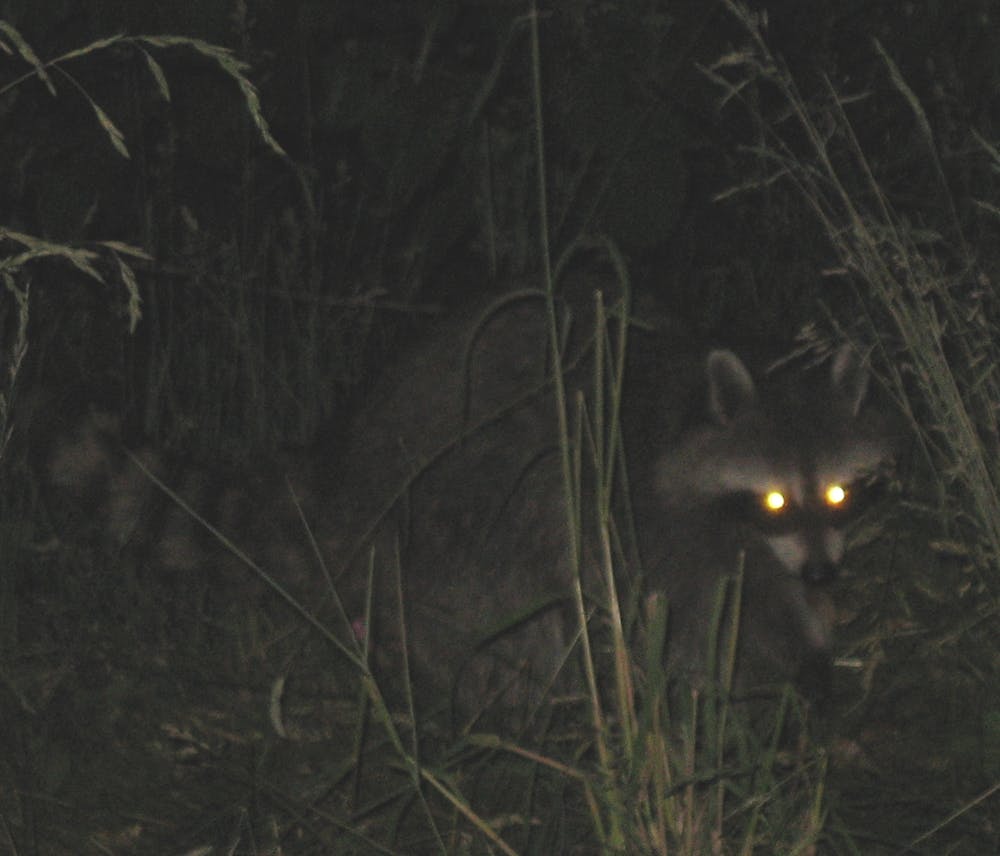
Most people have seen the gold, glowing eyes of a cat, a raccoon or some other nocturnal animal staring back at them during a nighttime drive. The part of the eye that produces that golden reflection, as Jeffery explains, “is a mirror that lots of animals have called the tapetum lucidum.” A taptetum helps animals see better in the dark by bouncing light from the back of the eye through the retina a second time. In most mammals, the tapetum is a “standard golden,” as Jeffery describes the color, and that color doesn’t change.

A photo of a raccoon with glowing, gold eyes.

Many animals’ eyes shine in the darkness because of a reflective layer called the tapetum lucidum that is usually gold. Bowlhover/Wikimedia Commons

One day, Jeffery received a box in the mail out of the blue. It contained two jars filled with reindeer eyes from a slaughterhouse in Norway. One jar was labeled summer and one was labeled winter.

“I opened up the summer ones first and I thought, ‘I’m wasting my time here,’” says Jeffery. He saw golden eyes, just what he expected.

“But then we opened up the other eyes, and that was when there was a shock, because the winter eyes were blue,” he said. “I’d never seen anything like that in my life.”

Jeffery and his colleagues spent years studying the biology of reindeer eyes and the environment they are made for – the dim, blue-hued months of the Arctic winter. What they discovered is a marvelous bit of evolution that has given reindeer some of the most interesting eyes on Earth. Listen to this Discovery episode of the Conversation to hear about how Jeffery and his colleagues study reindeer eyes, why winter eyes are such a unique color and how light pollution can alter this finely tuned adaptation.

Keep reading... Show less

How to make the perfect pavlova, according to chemistry experts

The pavlova is a summer icon; just a few simple ingredients can be transformed into a beautifully flavored and textured dessert.

But despite its simplicity, there’s a surprising amount of chemistry involved in making a pavlova. Knowing what’s happening in each step is a sure-fire way to make yours a success.

Keep reading... Show less

New fossil foot analysis reveals the surprising and varied lifestyles of dinosaur bird ancestors

Have you ever eaten chicken feet? If you haven’t, you might be surprised to learn there’s actually quite a bit of flesh down there. And scales too! They’re wonderful – and informative – pieces of engineering.

As someone whose speciality is working on fossilised dinosaur skin, I have more than a passing interest in bird feet and the scales of other reptiles (yes, birds are reptiles too).

Keep reading... Show less

Social anxiety modulates memory processing of social threat words, study finds

An experimental study in China used electroencephalographic imaging and brain activity patterns (known as event-related potentials) to compare the memory processes related to certain words in high- and low-anxiety students. Results indicated that social anxiety modulates the effect of recognition memory for social threat words. The study was published in Biological Psychology. Social anxiety involves fear and avoidance of scrutiny from others in social interactions. After events where they were scrutinized by others, persons high in social anxiety spend a lot of time thinking about the event a...

Chickenpox and shingles virus lying dormant in your neurons can reactivate and increase your risk of stroke – new research identified a potential culprit

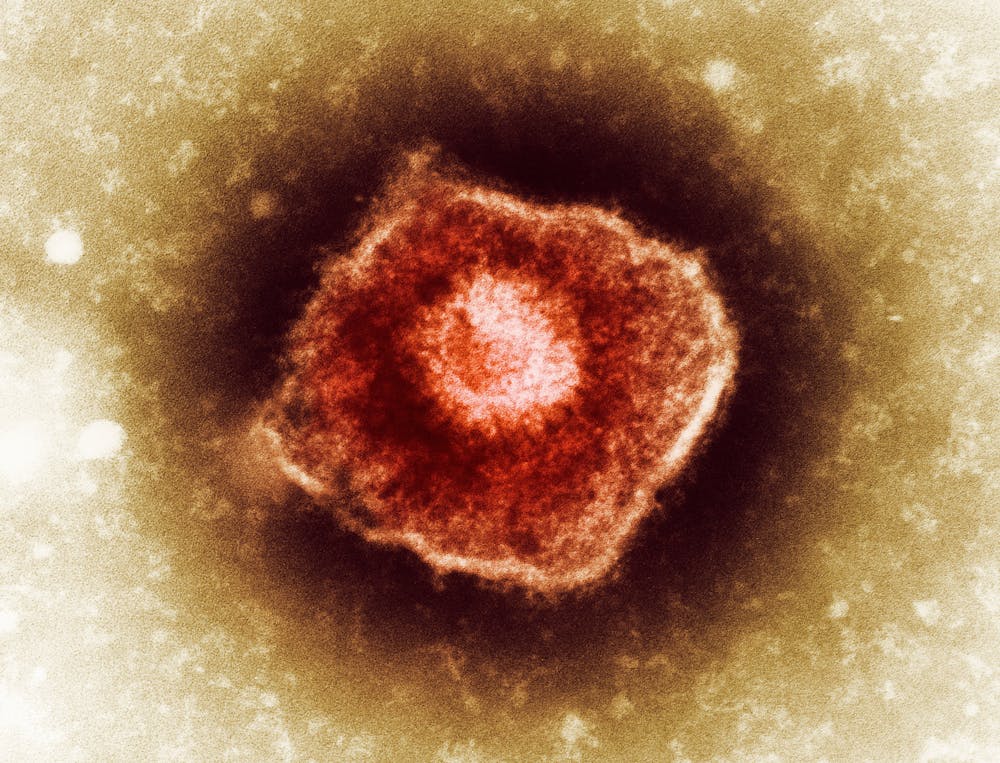
Over 90% of the world population has the virus that causes chickenpox lying dormant in their nervous system. Most people contract the varicella zoster virus, or VZV, when they get chickenpox as children. For around a third of these people, this same virus will reactivate years later and cause shingles, also called herpes zoster.

While most people are familiar with the painful rash that VZV causes for shingles, a wide spectrum of other complications can also occur even without visible skin symptoms. Among the most severe is stroke, in particular ischemic stroke, which occurs when the blood supply to the brain is restricted by narrowing arteries or blocked by a clot.

Keep reading... Show less

Did He Jiankui ‘Make People Better’? Documentary spurs a new look at the case of the first gene-edited babies

In the four years since an experiment by disgraced scientist He Jiankui resulted in the birth of the first babies with edited genes, numerous articles, books and international commissions have reflected on whether and how heritable genome editing – that is, modifying genes that will be passed on to the next generation – should proceed. They’ve reinforced an international consensus that it’s premature to proceed with heritable genome editing. Yet, concern remains that some individuals might buck that consensus and recklessly forge ahead – just as He Jiankui did.

Some observers – myself included – have characterized He as a rogue. However, the new documentary “Make People Better,” directed by filmmaker Cody Sheehy, leans toward a different narrative. In its telling, He was a misguided centerpiece of a broader ecosystem that subtly and implicitly supported rapid advancement in gene editing and reproductive technologies. That same system threw He under the bus – and into prison – when it became evident that the global community strongly rejected his experiments.

Keep reading... Show less

Can we ethically justify harming animals for research? There are several schools of thought

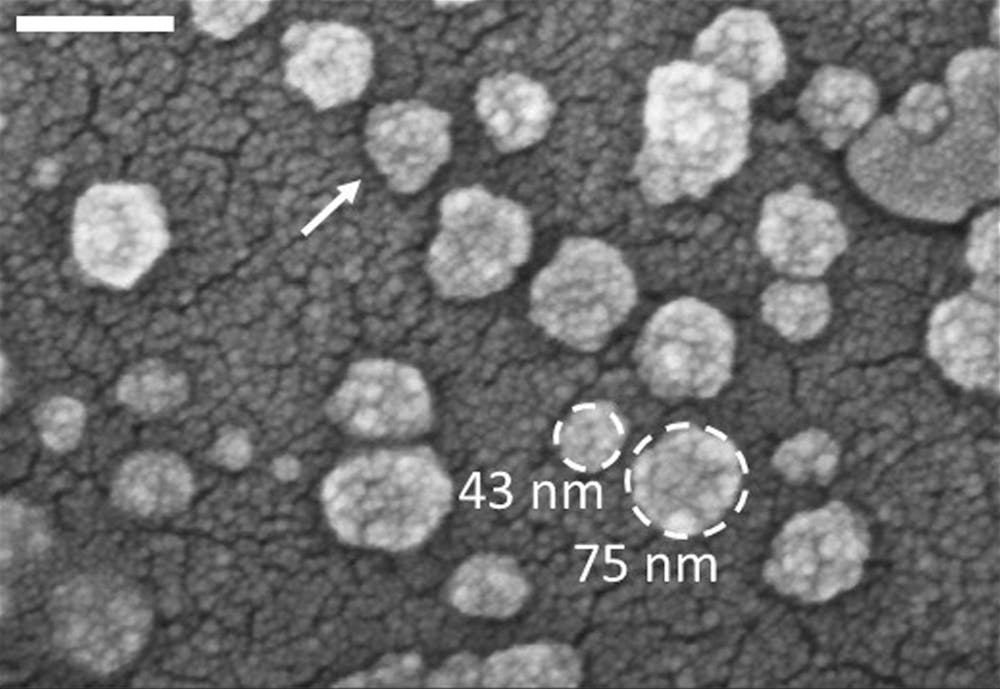
Neuralink, the biotechnology company co-founded by Elon Musk, has been accused of animal cruelty and is under federal investigation in the United States for potential animal welfare violations.

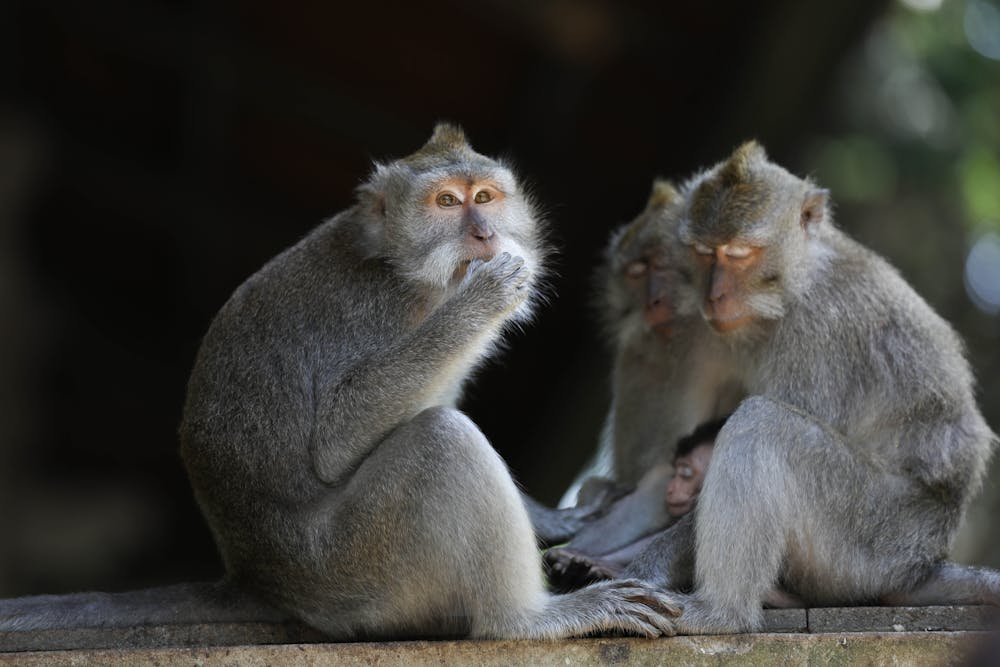
The company has tested its brain-implant technology in animals including monkeys, sheep and pigs. Whistleblowers allege it has killed about 1,500 animals since 2018.

Keep reading... Show less

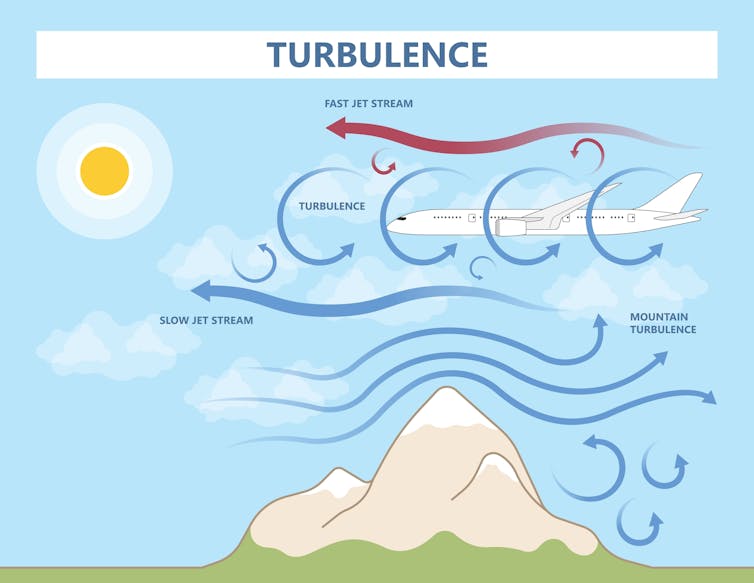
What is air turbulence?

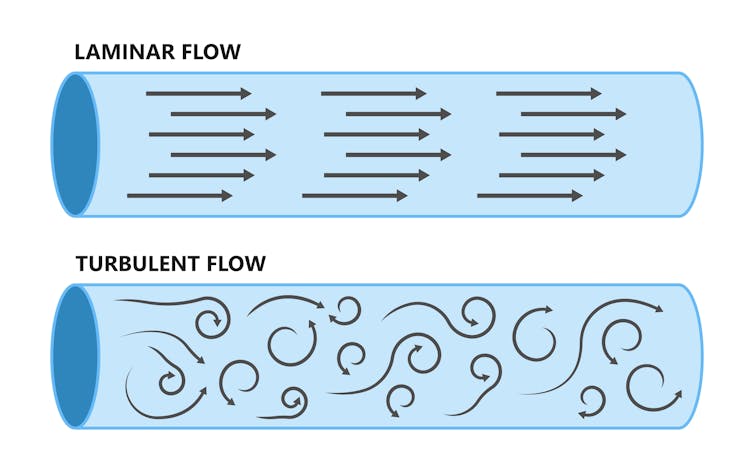
You probably know the feeling: you’re sitting on a plane, happily cruising through the sky, when suddenly the seat-belt light comes on and things get a little bumpy.

Most of the time, turbulence leads to nothing worse than momentary jitters or perhaps a spilled cup of coffee. In rare cases, passengers or flight attendants might end up with some injuries.

Keep reading... Show less

Why is astronomy a science but astrology is not?

Curious Kids is a series for children of all ages. If you have a question you’d like an expert to answer, send it to curiouskidsus@theconversation.com.

Keep reading... Show less

What are mud volcanoes?

Rice farmers living in Sidoarjo Regency, Indonesia, awoke to a strange sight on May 29, 2006. The ground had ruptured overnight and was spewing out steam.

In the following weeks, water, boiling-hot mud and natural gas were added to the mixture. When the eruption intensified, mud started to spread over the fields. Alarmed residents evacuated, hoping to wait out the eruption safely.

Keep reading... Show less

Bill Gates upbeat on climate innovation, even if 1.5C goal out of reach

By Katy Daigle

WASHINGTON (Reuters) - When it comes to climate change, Bill Gates considers himself a realist - even if that means admitting the world has no chance limiting warming to 1.5 degrees Celsius.

Keep reading... Show less

En garde! Wasps use penis spikes to ward off predators

An accidental sting has helped Japanese scientists prove some male wasps have a rather unusual predator defense weapon: penis spikes.

While wasps are known for their prickly attacks, only females have a real sting in their tails. Their male counterparts generally evade predators by mimicking the fairer sex.

Keep reading... Show less