Top Stories Daily Listen Now
RawStory

Science

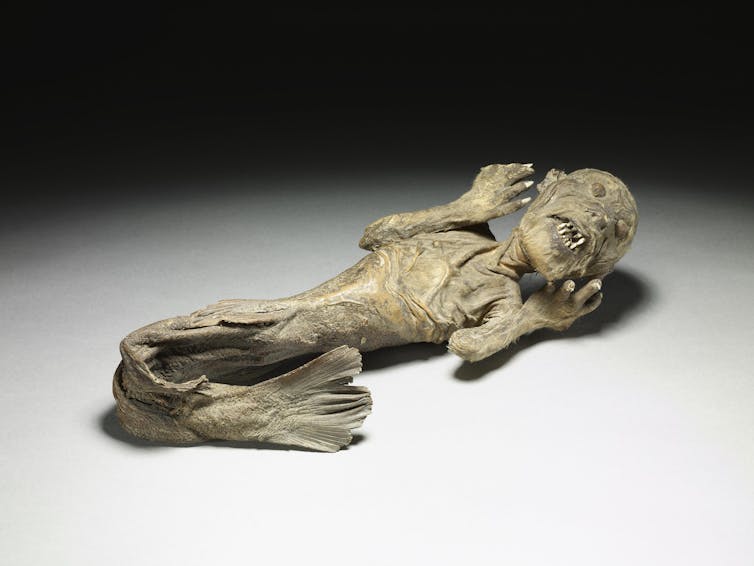
Mermaids in Japan – from hideous harbingers of violence to beautiful enchantresses

A report that scientists have begun tests on a 300-year-old “mermaid mummy” to identify its origins, has stimulated an interest in the existence of mermaids in Japanese folklore

Tales of mermaids and their more dangerously seductive siren sisters, are firmly entrenched in cultural mythologies of many regions and can be found in medieval art and contemporary popular literature the world over.

Keep reading... Show less

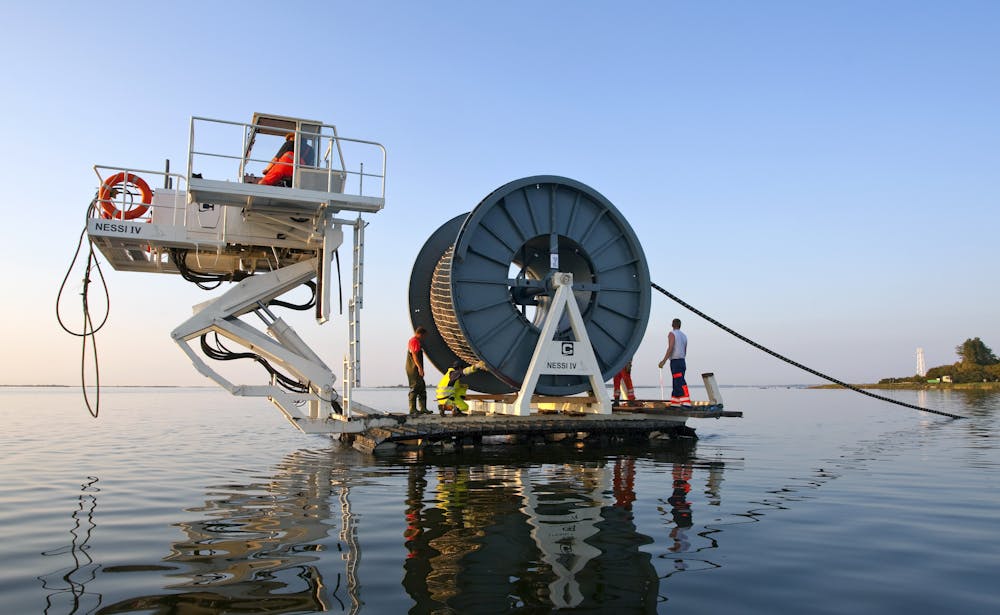
A large solar storm could knock out the power grid and the internet – an electrical engineer explains how


On Sept. 1 and 2, 1859, telegraph systems around the world failed catastrophically. The operators of the telegraphs reported receiving electrical shocks, telegraph paper catching fire, and being able to operate equipment with batteries disconnected. During the evenings, the aurora borealis, more commonly known as the northern lights, could be seen as far south as Colombia. Typically, these lights are only visible at higher latitudes, in northern Canada, Scandinavia and Siberia.

What the world experienced that day, now known as the Carrington Event, was a massive geomagnetic storm. These storms occur when a large bubble of superheated gas called plasma is ejected from the surface of the sun and hits the Earth. This bubble is known as a coronal mass ejection.

Keep reading... Show less

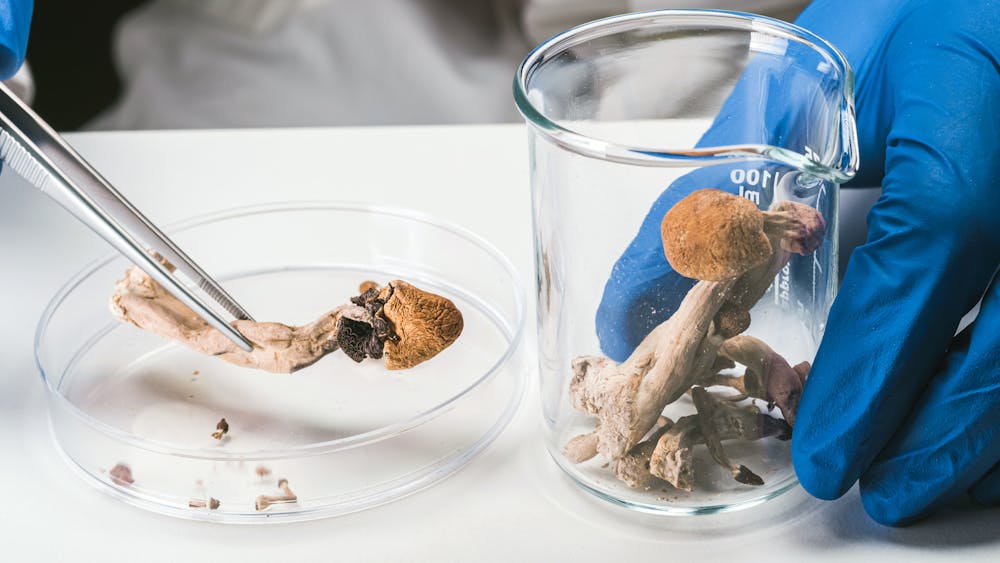
AI maps psychedelic ‘trip’ experiences to regions of the brain – opening new route to psychiatric treatments

For the past several decades, psychedelics have been widely stigmatized as dangerous illegal drugs. But a recent surge of academic research into their use to treat psychiatric conditions is spurring a recent shift in public opinion.

Psychedelics are psychotropic drugs: substances that affect your mental state. Other types of psychotropics include antidepressants and anti-anxiety medications. Psychedelics and other types of hallucinogens, however, are unique in their ability to temporarily induce intense hallucinations, emotions and disruptions of self-awareness.

Keep reading... Show less

Eastern Antarctica registers temperatures 70 degrees above normal, as ‘unprecedented heat wave’ baffles scientists

Temperatures 70 degrees above normal in eastern Antarctica have baffled scientists, who say that the “unprecedented heat wave” has already changed the way experts think about the Antarctic climate system. “‘It is impossible,’ we would have said until two days ago,” Antarctic climatology expert Stefano Di Battista wrote on Twitter Friday. “From today (March 18) the Antarctic climatology has been rewritten.” Jonathan Wille, a researcher studying polar meteorology at Universite Grenoble Alpes in France, agreed. “This event is completely unprecedented and upended our expectations about the Antarct...

Alcohol-related deaths rose 25% in first year of pandemic, study finds

Alcohol-involved deaths increased by 25% in 2020 from 2019, according to research published Friday. From 1999-2017, the average year-over-year increase was only 2%. Previous studies found that alcohol consumption increased sharply in 2020 as well. In 2020, 99,017 people died from alcohol-related causes. In 2019, that number was only 78,927 people. “We’re not surprised. It’s unfortunate, but we sort of expected to see something like this,” the study’s lead author, Aaron White, told CNN. “It’s not uncommon for people to drink more when they’re under more duress.” The increase occurred across all...

Marjorie Taylor Greene unleashes scientifically illiterate rant to complain about COVID boosters

Rep. Marjorie Taylor Greene (R-GA) on Thursday took a break from pushing Kremlin talking points about the war in Ukraine, and turned her attention back to vaccinations against the novel coronavirus.

While speaking on the floor of the House of Representatives, Greene complained that the Centers for Disease Control and Prevention was recommending too many booster shots to combat COVID-19.

Keep reading... Show less

NASA rolls out its mega Moon rocket -- here's what you need to know

NASA's massive new rocket is poised to make its first journey to a launchpad on Thursday ahead of a battery of tests that will clear it to blast off to the Moon this summer.

It will leave the Kennedy Space Center's Vehicle Assembly Building at 5:00 pm Eastern Time (2000 GMT) and begin its glacially slow, 11-hour crawl on a transporter to the hallowed Launch Complex 39B, four miles (6.5 kilometers) away.

Keep reading... Show less

Scientists find craters—including one bigger than a city block—in Arctic seafloor

While thawing permafrost on land tied to human-driven global temperature rise has generated worldwide alarm in recent years, a new study out this week is garnering attention for researchers' discoveries underwater.

"As climate change continues to reshape the Arctic, it's critical that we also understand changes in the submerged permafrost offshore."

Keep reading... Show less

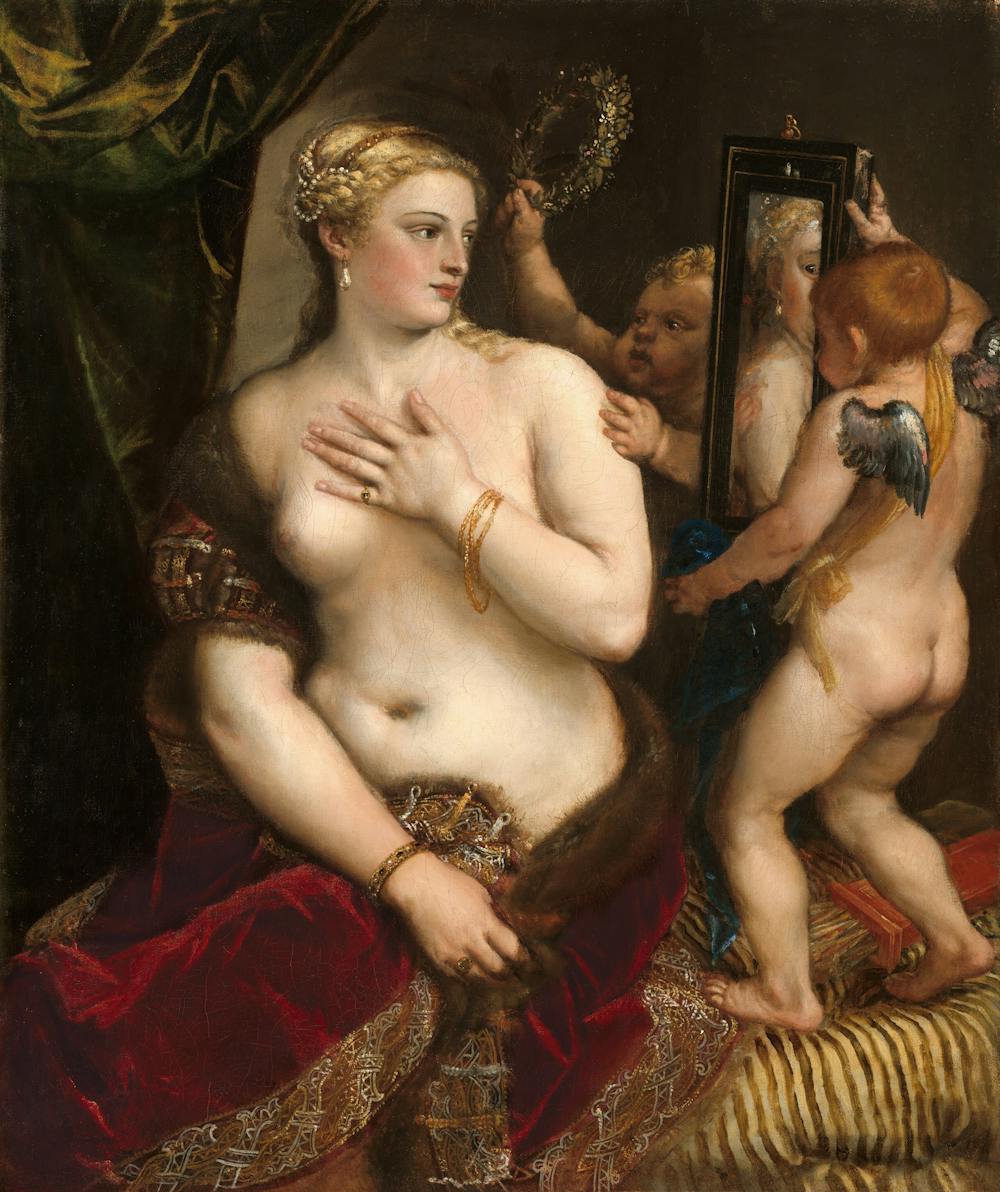
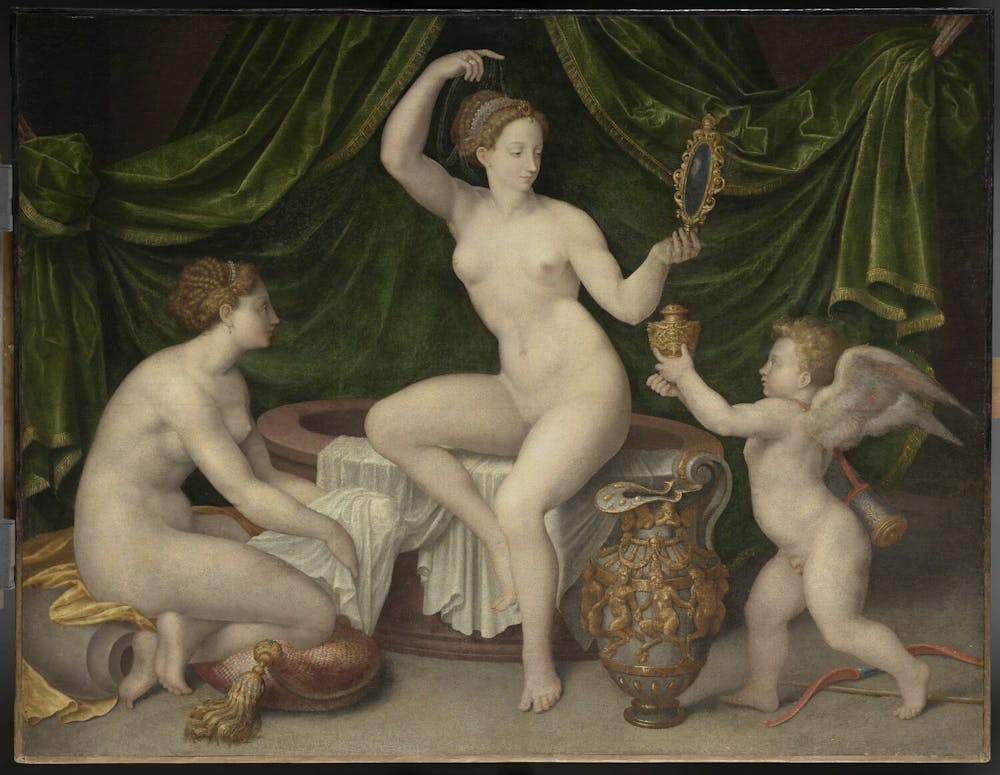
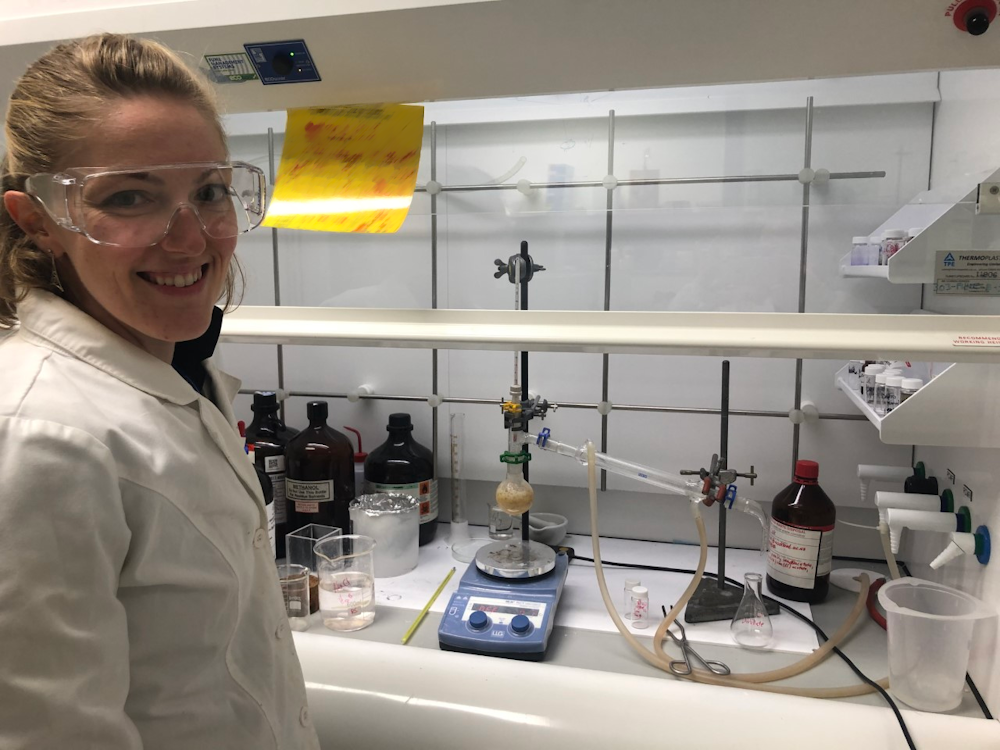
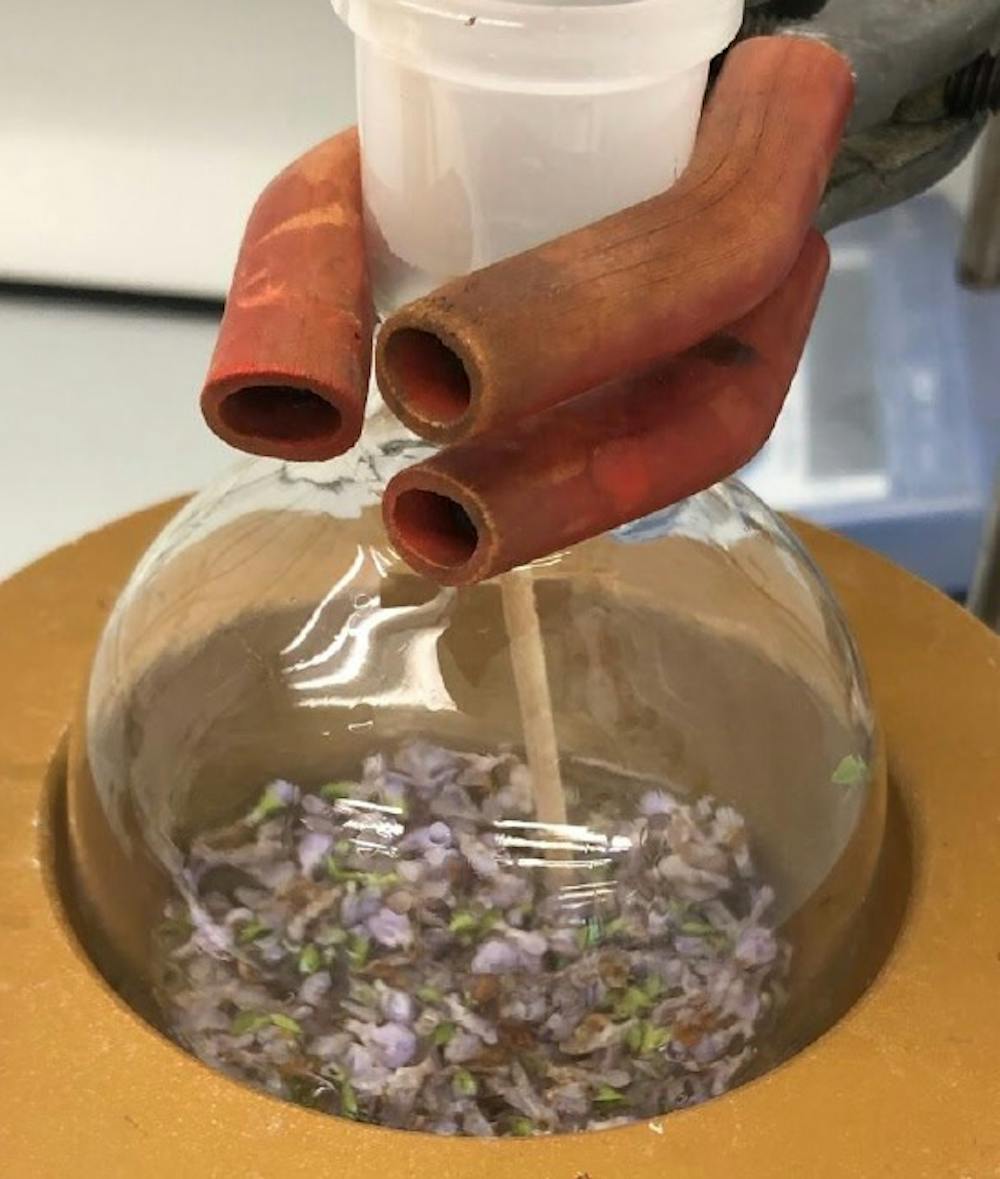
Remaking history: how we are recreating Renaissance beauty recipes in the modern chemistry lab

The desire to appear youthful and beautiful has provided impetus for extraordinary chemical experimentation with cosmetics for millennia. Historical cosmetic recipes list an array of plant, animal and mineral ingredients from roses and rosemary to donkey milk and calves’ hooves, gold and sulphur.

The beauty industry developed dramatically in Renaissance Europe from around 1500. Recipes were widely published and recorded in manuscripts. And there was ready availability of a range of ingredients and pre-made formulas, some of them marketed as “secret”.

Keep reading... Show less

NASA insists space station unaffected by Russian war

NASA on Monday insisted tensions linked to the war in Ukraine had no impact on International Space Station operations or the planned return of an American astronaut aboard a Russian capsule later this month.

Mark Vande Hei is due to fly to the Baikonur Cosmodrome in Kazakhstan aboard a Russian Soyuz capsule with cosmonauts Pyotr Dubrov and Anton Shkaplerov on March 30 after 355 days in space, a new US record.

Keep reading... Show less

Huge spiders to colonize US East Coast, but maybe it's a good thing

Big and scary-looking Joro spiders have spread from Asia to the southern United States and are now poised to colonize the country's cooler climes -- but they're nothing to fear and might end up actually helping local ecosystems.

That's according to scientists who have been studying the arachnid invaders since they first arrived in Georgia around 2013.

Keep reading... Show less

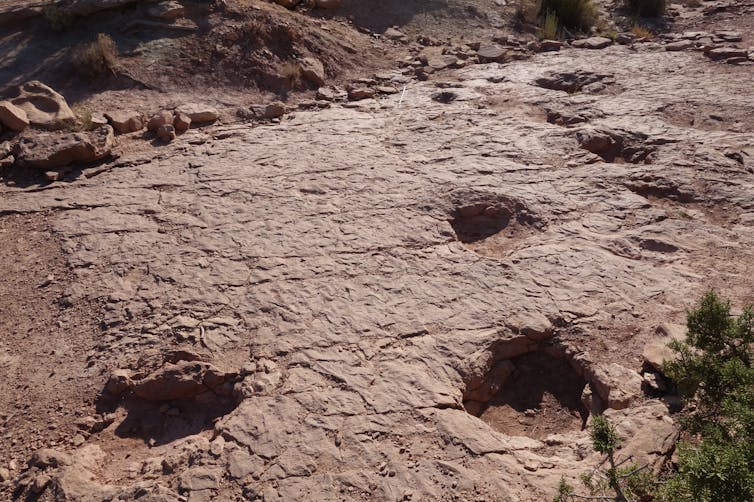
Scientists discovered how the largest dinosaurs walked – and it was more like hippos than elephants

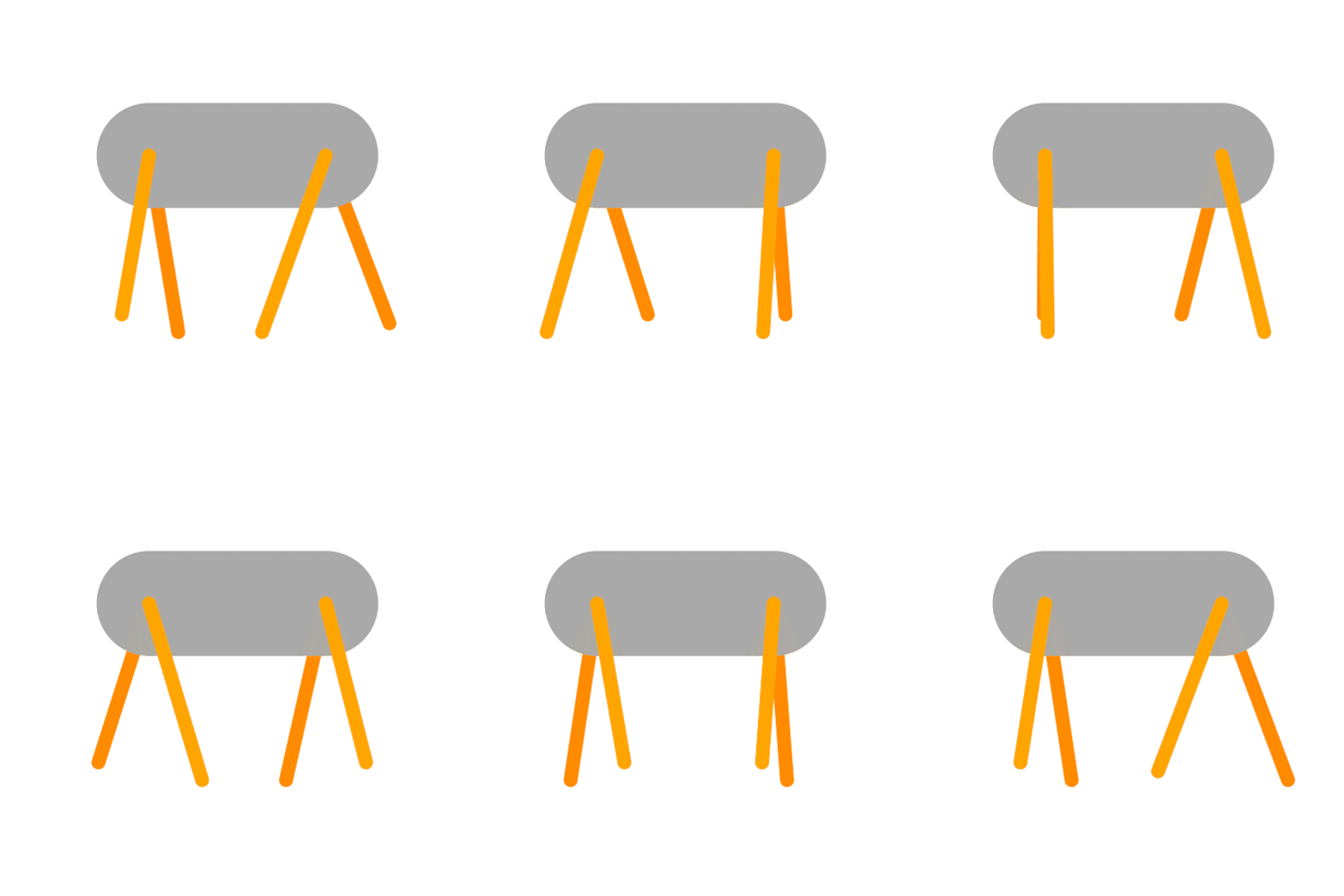
While our knowledge of dinosaurs and other extinct animals has dramatically increased during the last couple of decades, their gaits – the order and timing of how animals move their legs – have remained a blind spot

We are particularly interested in the giant long-necked sauropod dinosaurs, which include the largest animals that walked the earth, including such famous species as Diplodocus, Brontosaurus and Brachiosaurus. How did these giants move? What role did efficiency and stability play during their locomotion?

Keep reading... Show less

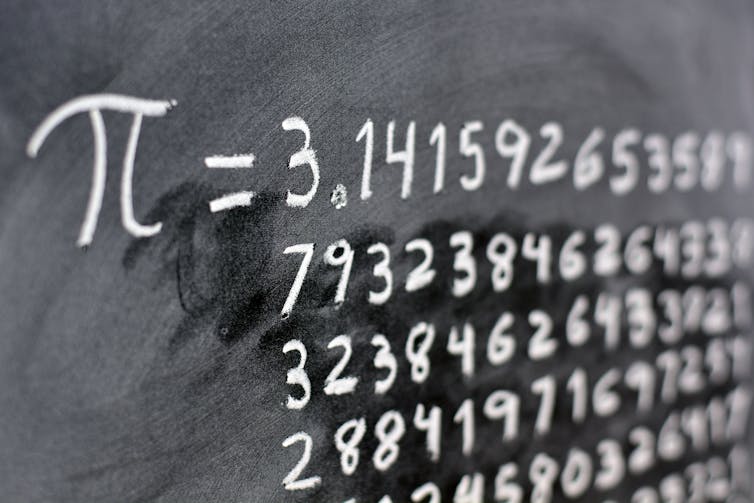
Pi day: a brief history of our fascination with this magical number, from pies to ‘piems’

Imagine a cup of tea. Wrap a piece of string around the circumference of the cup, and measure the length of the string. Then, lay your spoon on top of the cup, making sure it lies across the centre of the cup, and measure the length from side to side – the diameter. Finally, divide the circumference by the diameter, and record the result. Next time you eat soup, repeat the process with the bowl.

You will discover that the ratios of the circumference to the diameter in both cases are remarkably close to each other. If you decide to experiment with other circular shapes, you will find that no matter how large or small the objects are, as long as they are round, the ratios will all be very close to 3.14. You just stumbled upon a universal law of circular objects.

The Greek letter pi (π) was introduced in 1706 to denote that constant ratio between the circumference of a circle to its diameter. But the fascination with the number pi goes back millennia.

Keep reading... Show less