Top Stories Daily Listen Now
RawStory

Science

50-year-old muscles just can’t grow big like they used to – the biology of how muscles change with age

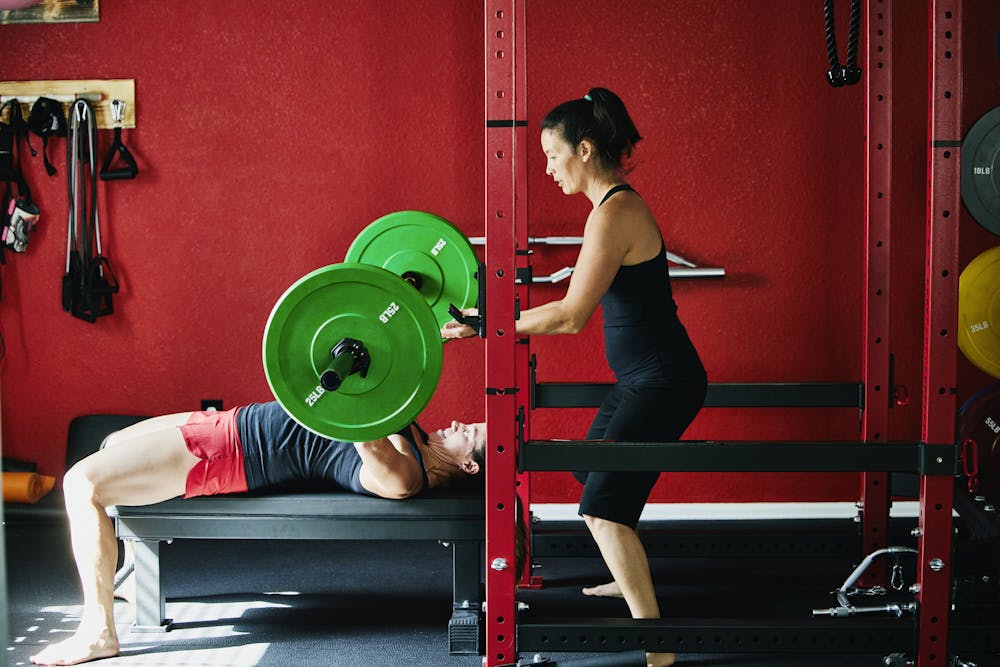
There is perhaps no better way to see the absolute pinnacle of human athletic abilities than by watching the Olympics. But at the Winter Games this year – and at almost all professional sporting events – you rarely see a competitor over 40 years old and almost never see a single athlete over 50. This is because with every additional year spent on Earth, bodies age and muscles don’t respond to exercise the same as they used to.

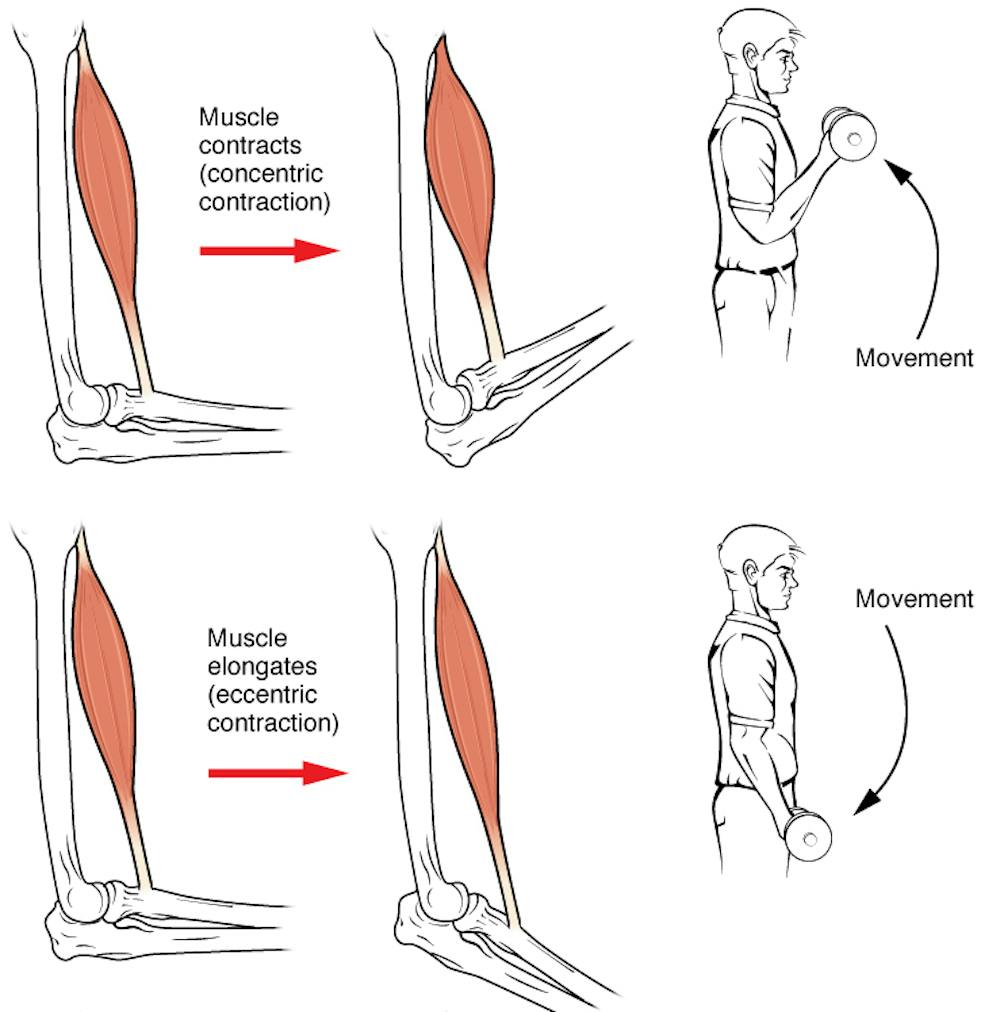
I lead a team of scientists who study the health benefits of exercise, strength training and diet in older people. We investigate how older people respond to exercise and try to understand the underlying biological mechanisms that cause muscles to increase in size and strength after resistance or strength training.

Keep reading... Show less

This is what would happen to Earth if a nuclear war broke out between the West and Russia

Suddenly, the threat of nuclear war feels closer than it has in decades. The Bulletin of Atomic Scientists updated their Doomsday Clock to 100 seconds to midnight, and President Joe Biden has issued increasingly ominous statements reflecting how the looming conflict over the Ukraine that could ensnare both Russia and the west into conventional war.

This article first appeared on Salon.

Keep reading... Show less

Why Storm Eunice is so severe – and will violent wind storms become more common?

The UK Met Office has issued two red weather warnings in as many months for strong winds. These are the highest threat levels meteorologists can announce, and are the first wind-only red warnings to be issued since 2016’s Storm Gertrude.

So what’s behind the UK’s recent spate of dangerous wind storms? And are these events likely to become more common in future?

Storm Arwen in late November 2021 caused devastation across Scotland, northern England and parts of Wales. Winds of 100mph killed three people, ripped up trees, and left 9,000 people without power for over a week in freezing temperatures.

The destruction caused by Arwen is still apparent in some areas, and the clean-up from Storm Dudley – which battered eastern England on Wednesday February 16 – is underway at the time of writing.

Now the UK faces Storm Eunice, and its gusts of up to 122 miles per hour. Eunice bears a striking similarity to the “Great Storm” of 1987, which unleashed hurricane-force winds and claimed 22 lives across Britain and France in October of that year. Both are predicted to contain a “sting jet”: a small, narrow airstream that can form inside a storm and produce intense winds over an area smaller than 100 km.

Sting jets, which were first discovered in 2003, and likely occurred during the Great Storm and Storm Arwen, can last anywhere between one and 12 hours. They are difficult to forecast and relatively rare, but make storms more dangerous.

Sting jets occur in a certain type of extratropical cyclone – a rotating wind system that forms outside of the tropics. These airstreams form around 5km above the Earth’s surface then descend on the southwest side of a cyclone, close to its centre, accelerating as they do and bringing fast-moving air from high in the atmosphere with them. When they form, they can produce much higher wind speeds on the ground than might otherwise be forecast by studying pressure gradients in the storm’s core alone.

Meteorologists are still working to understand sting jets, but they are likely to have a significant influence on the UK’s weather in a warming climate.

Windier winters ahead?

In 1987, the models used for weather forecasts were incapable of representing sting jets, but improvements mean that forecasters predicted Storm Eunice before it had even begun to form in the Atlantic.

Over the past decade, our team at Newcastle University has worked closely with colleagues at the UK Met Office to develop new high-resolution climate models that can simulate sting jets, as well as hail and lightning, to illuminate how extreme weather events might change in a warming climate.

We already know that, as the world warms, downpours are intensifying. The simple reason is that warmer air can hold more moisture. The UK saw the wettest day on record in 2020, already estimated to be 2.5 times more likely because of greenhouse gas emissions.

Our research team’s new high-resolution climate models predict bigger increases in winter rainfall than standard global climate models due to a large increase in rainfall from thunderstorms during winter.

We are less certain about how the pattern of extreme wind storms, like Eunice, will change, as the relevant processes are much more complicated. The UK’s recent cluster of winter wind storms is related to a particularly strong polar vortex creating low pressure in the Arctic, and a faster jet stream – a core of very strong wind high in the atmosphere that can extend across the Atlantic – bringing stormier and very wet weather to the UK.

A stronger jet stream makes storms more powerful and its orientation roughly determines the track of the storm and where it affects. Some aspects of climate change strengthen the jet stream, leading to more UK wind storms. Other aspects, like the higher rate of warming over the poles compared with the equator, may weaken it and the westerly flow of wind towards the UK.

Our high-resolution models predict more intense wind storms over the UK as climate change accelerates, with much of this increase coming from storms that develop sting jets.

Projections from global climate models are uncertain and suggest only small increases in the number of extreme cyclones. But these models fail to represent sting jets and poorly simulate the processes that cause storms to build. As a result, these models probably underestimate future changes in storm intensity.

We think that using high-resolution climate models, which can represent important processes like sting jets, alongside information from global models on how large-scale conditions might change, could give a more accurate picture. But the UK isn’t doing enough to prepare for the increasingly severe extreme weather already predicted.

Humanity has a choice in how much warmer the world gets based on the rate at which we reduce greenhouse gas emissions. While more research will confirm if more extreme wind storms will hit the UK in the future, we are certain that winter storms will produce stronger downpours and more rain and flooding when they do occur.

Keep reading... Show less

Five things to consider before getting a feline companion

In the words of Sigmund Freud, “time spent with cats is never wasted.” It’s a view that’s shared by the millions of people across the globe who are drawn to the small felines who chose to live with humans thousands of years ago.

With remarkable anatomical, physiological and behavioral similarities to their wild big cat cousins, it’s their independent yet mellow nature (not to mention cuteness) that makes cats such a popular pet, especially in the western world.

Keep reading... Show less

Sunny side up: can you really fry an egg on the footpath on a hot day?

Aahh, the Australian summer. When the temperatures top 40℃ and only the bravest or most foolhardy would venture outside in bare feet, there’s a cherished old saying: “it’s so hot outside you could fry an egg on the footpath!”

But what does the science say? Does this claim stack up, or is it half-baked?

Keep reading... Show less

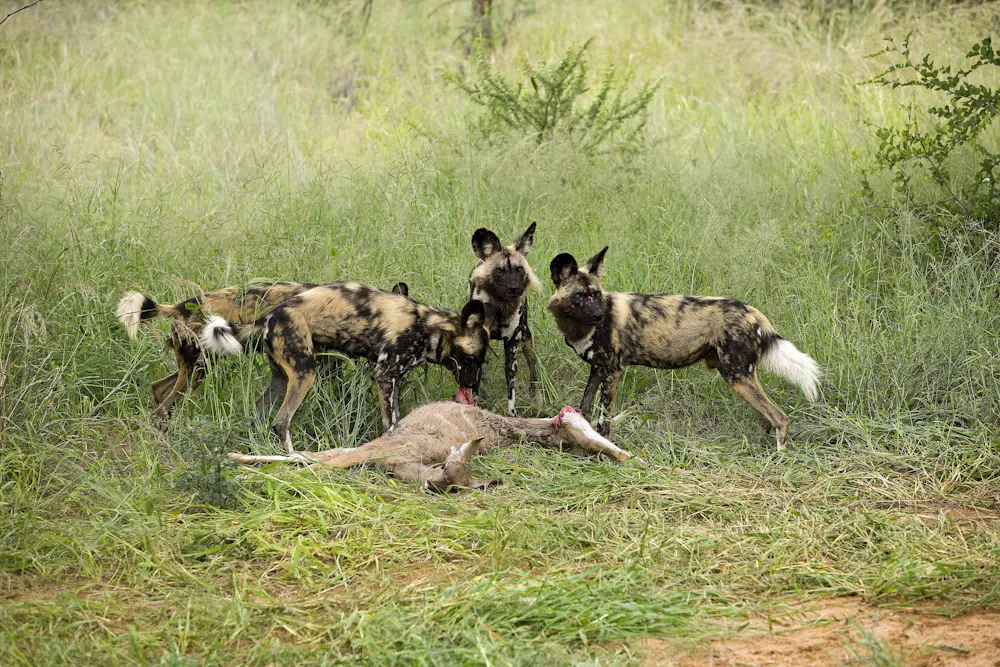
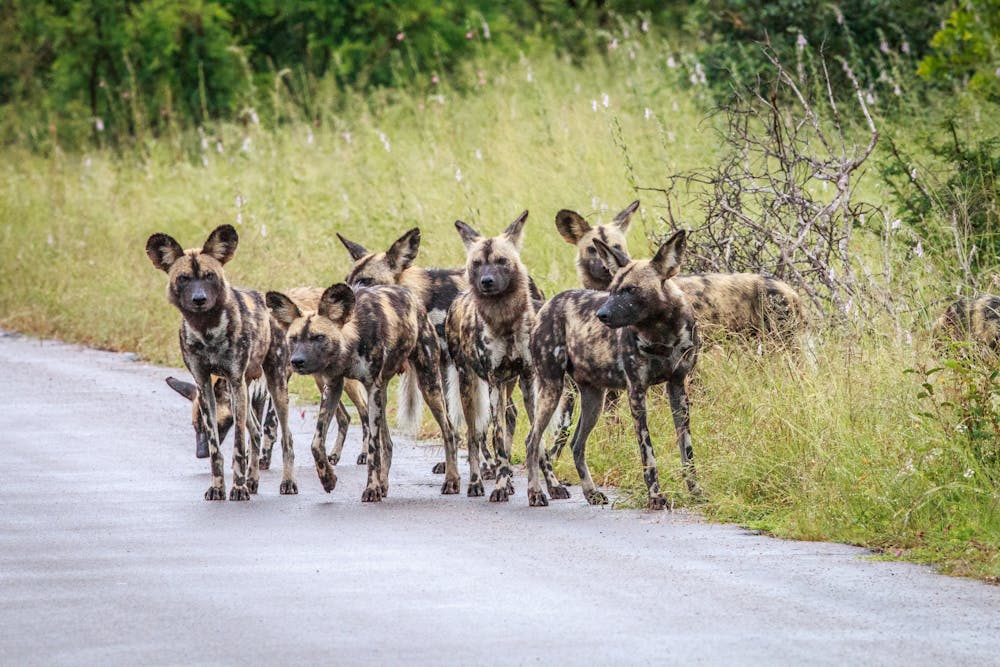
African wild dogs cope with human development using skills they rely on to compete with other carnivores

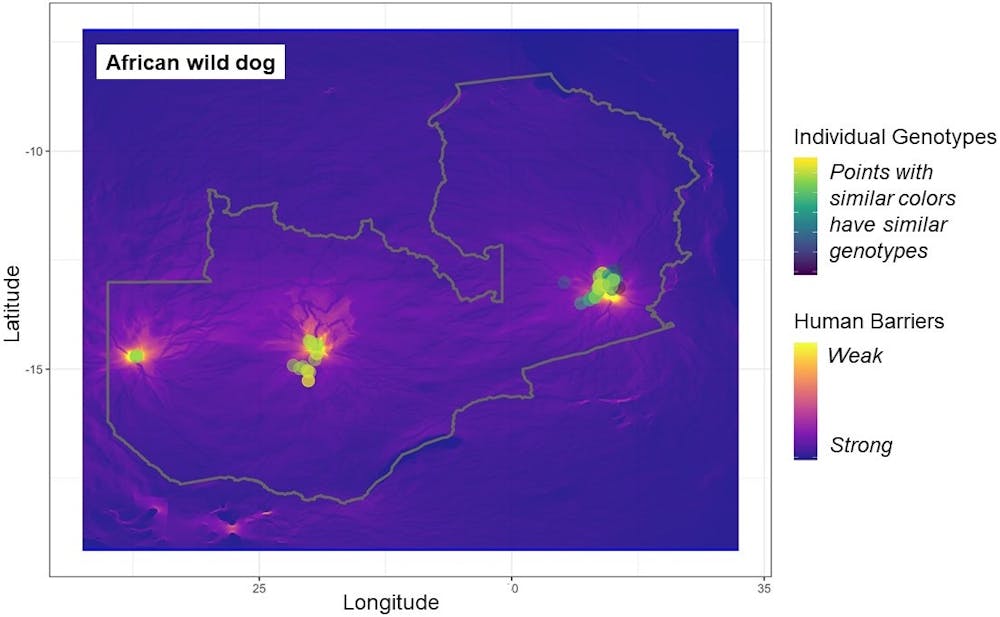
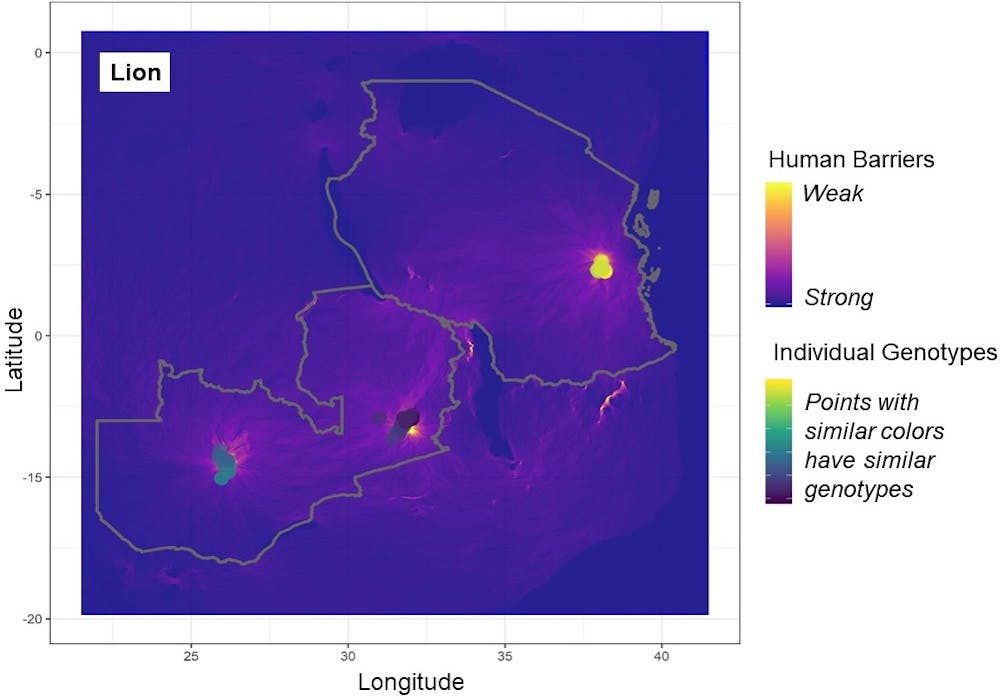
Large carnivores in Africa are important from ecological, economic and cultural perspectives, but human activities put them at risk. Increasingly, lions, hyenas and African wild dogs are restricted to protected areas like national parks. Within these limited areas, they must compete for the same food sources.

Competition is, of course, nothing new. For several million years, African wild dogs have evolved within a set of large carnivores that all prey on the same large herbivore species, like wildebeest and warthogs. Wild dogs are lanky, long-distance hunters that always live in groups, usually of eight to 10 adults. Cooperation with pack mates allows them to hunt prey much larger than themselves. Weighing in at about 40-62 pounds (18-28 kilograms), wild dogs have been shaped by the necessity to compete with larger species like the lion and spotted hyena.

Keep reading... Show less

How world's most precise clock could transform fundamental physics

US scientists have measured Albert Einstein's theory of general relativity -- which holds that gravity slows time down -- at the smallest scale ever, demonstrating that clocks tick at different rates when separated by fractions of a millimeter.

Jun Ye, of the National Institute of Standards and Technology (NIST) and the University of Colorado Boulder, told AFP it was "by far" the most precise clock ever built -- and could pave the way for new discoveries in quantum mechanics, the rulebook for the subatomic world.

Keep reading... Show less

Cod ‘supergenes’ reveal how they are evolving in response to overfishing

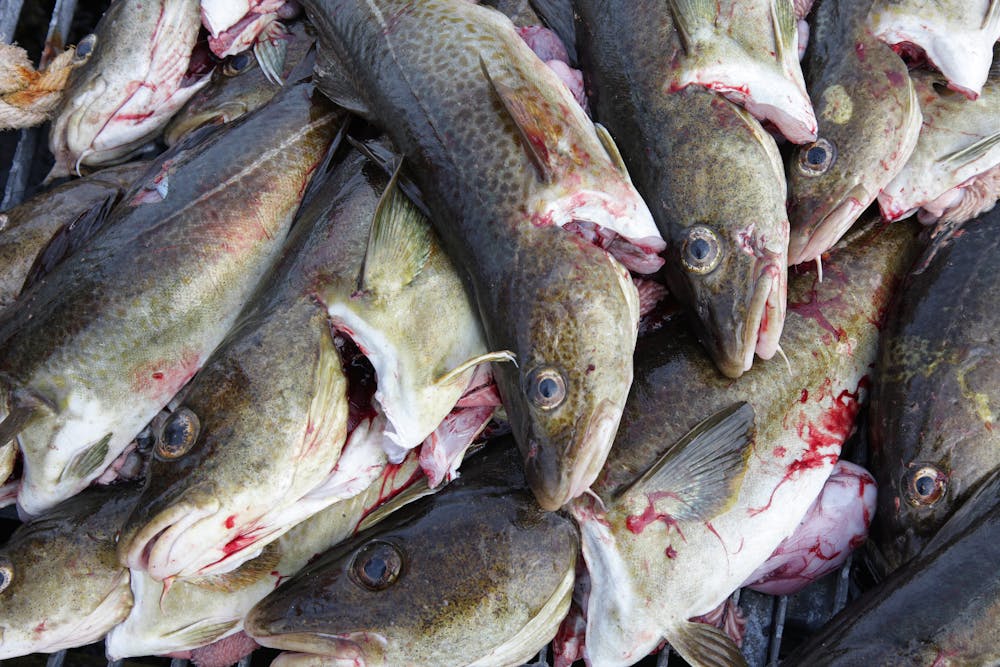
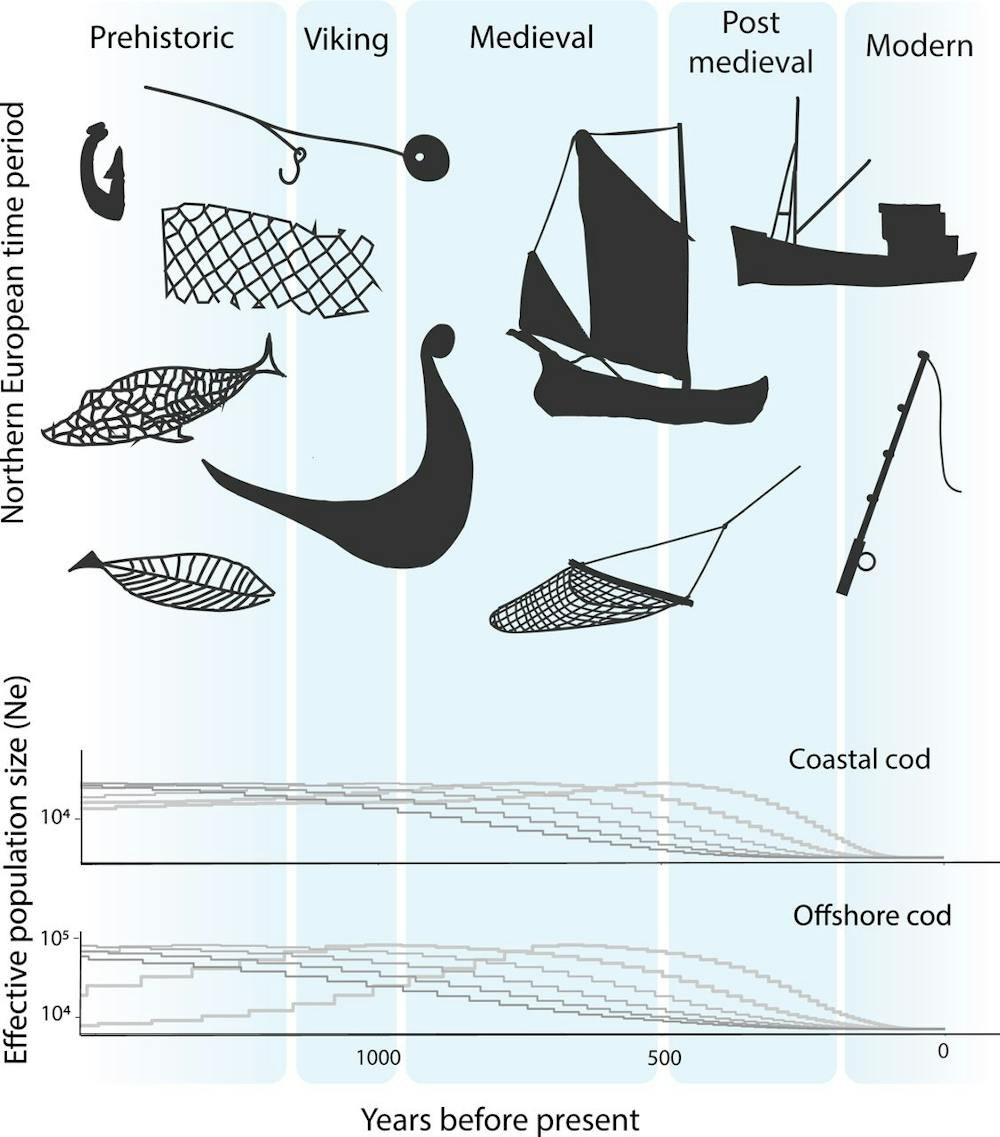
Cod “supergenes” have shed light on how they respond to overfishing, and these supergenes could make them more resilient to other environmental changes. That’s according to a new study published by scientists in Norway. This could be good news, in that cod have genetic architecture in place that will permit them to respond to climate change – but for now this is rather speculative.

For those of us who study how fish species evolve under strong selective pressure from commercial fishing, cod has been a poster species. For instance scientists have previously found that cod in the north west Atlantic showed signs of reproducing at a smaller size or younger age before numbers collapsed.

Keep reading... Show less

Tailgating is stressful and dangerous. Our research examines ways it might be stopped

We’ve all been there (and perhaps even done it): a quick glance in the rear-view mirror shows the car behind is too close to our bumper, an aggression designed to make us drive faster or move over.

It is not only unpleasant, but highly dangerous. A Queensland study found being tailgated is one of the most stressful driving experiences. This is no surprise considering tailgating is among the top five complaints of road users.

Keep reading... Show less

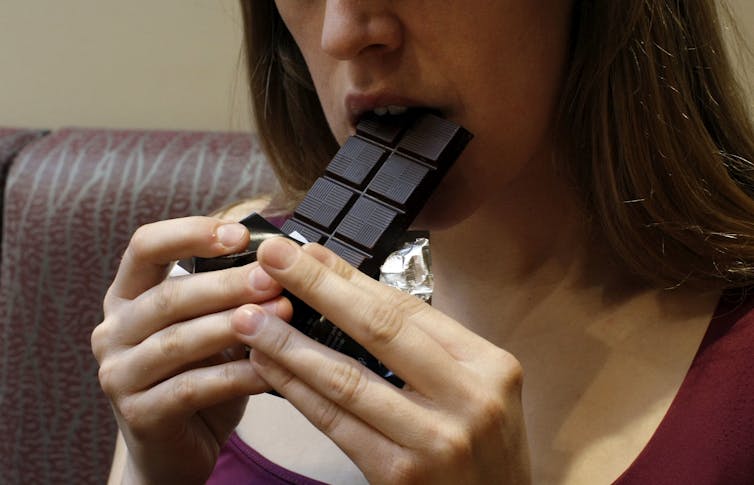
How to make your diet more sustainable, healthy or cheap – without giving up nutrients

People choose certain foods or change their diets for a range of reasons: to improve their health, lose weight, save money or due to concerns about sustainability or the way food is produced.

Consider the trend towards low-fat products in the 1980s and low-carb diets in the 1990s, and now, the rise in plant-based protein products and ready-to-eat meals.

Keep reading... Show less

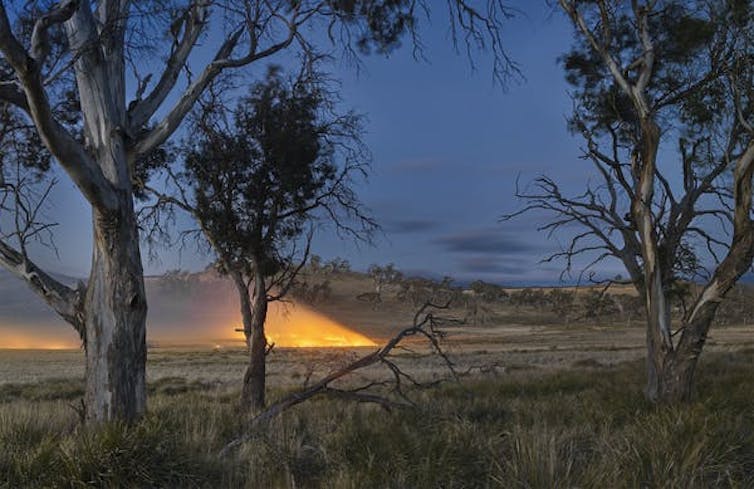
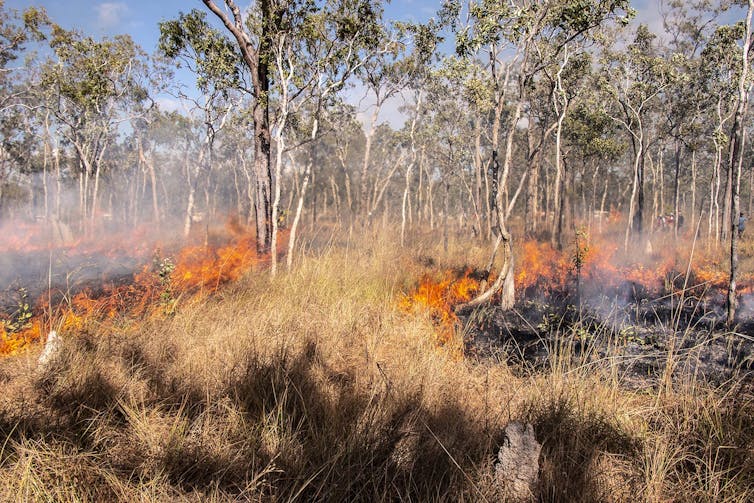
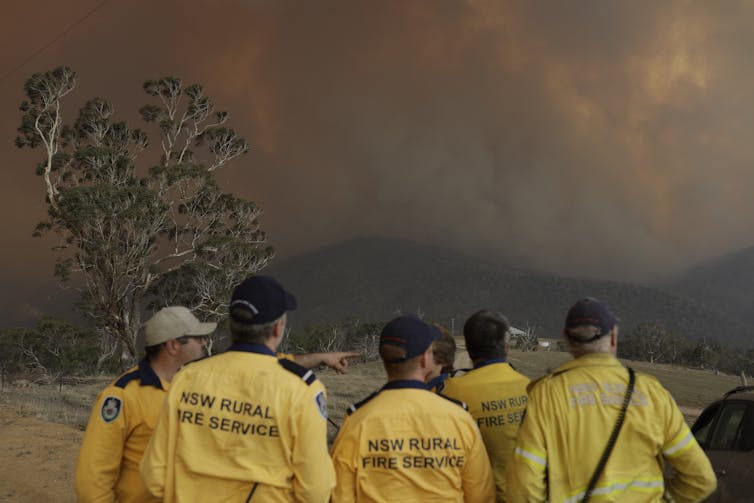
World-first research confirms Australia’s forests became catastrophic fire risk after British invasion

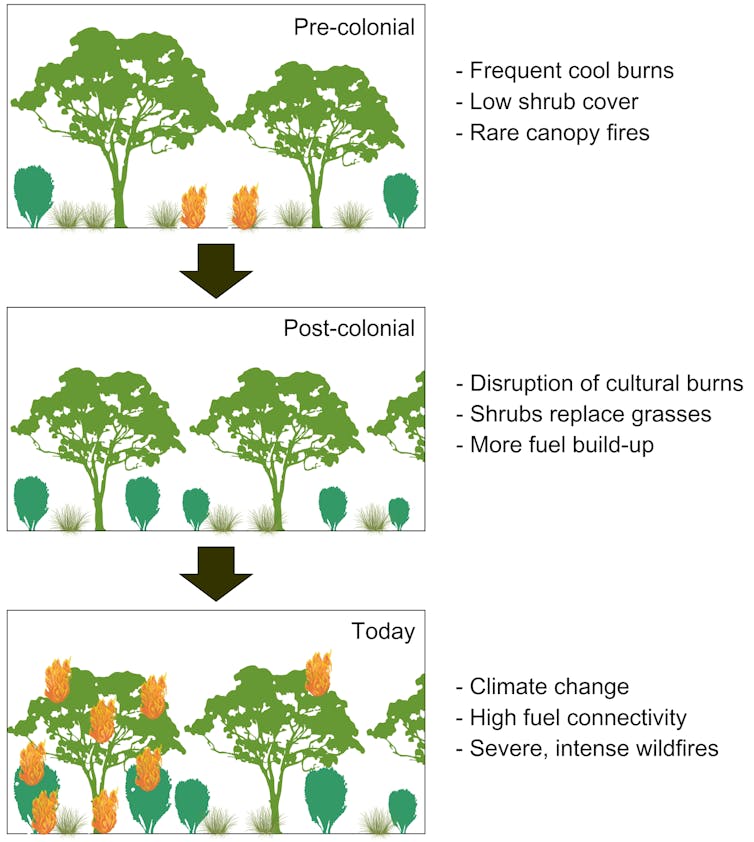
Australia’s forests now carry far more flammable fuel than before British invasion, our research shows, revealing the catastrophic risk created by non-Indigenous bushfire management approaches.

Contemporary approaches to forest management in Australia are based on suppression – extinguishing bushfires once they’ve started, or seeking to prevent them through hazard-reduction burning.

Keep reading... Show less

The International Space Station is set to come home in a fiery blaze – and Australia will likely have a front row seat

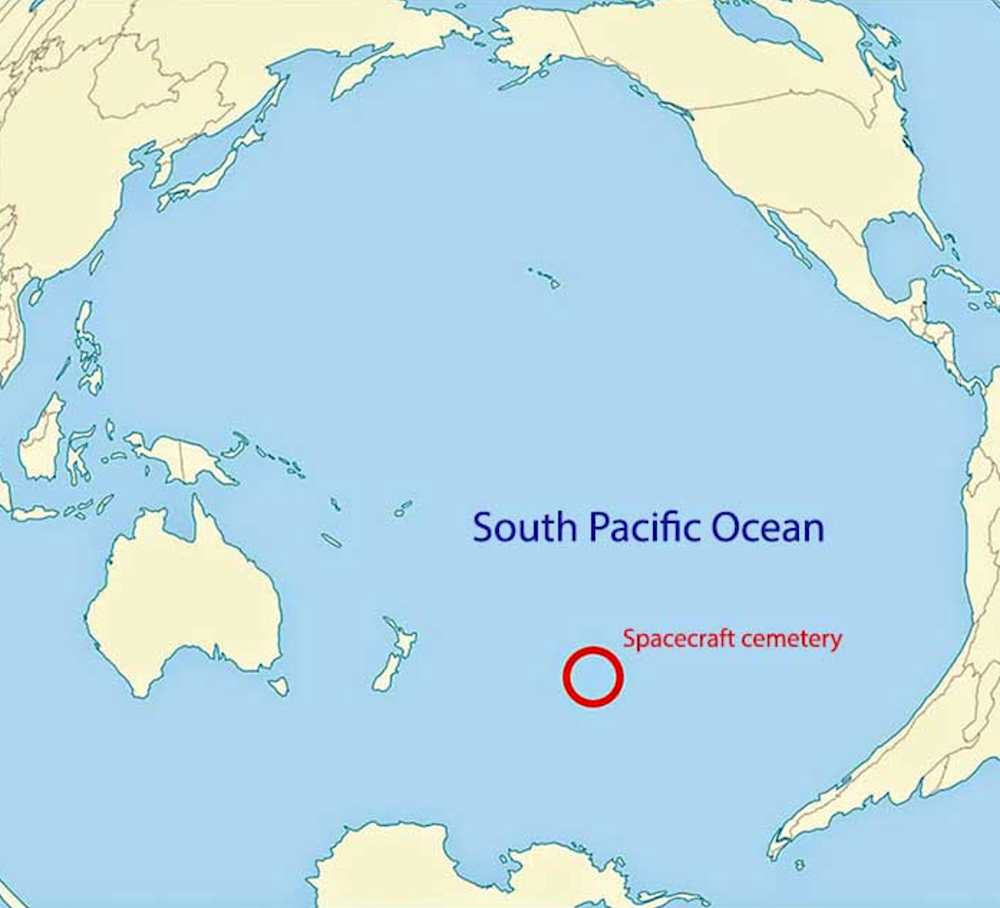
For more than two decades the International Space Station (ISS) has been the mainstay of human presence and research in space. More than 100 meters long, it’s the largest object ever placed in space, and its construction brought together the space agencies from the United States, Europe, Russia, Japan and Canada.

The ISS has hosted research that could not have been done anywhere else, in the fields of microgravity, space biology, human physiology and fundamental physics. It also provides a base for deep space exploration.

Keep reading... Show less

The slippery science of Olympic curling: we still don’t know how it works

Australia’s first ever Olympic curling team scored an historic win but missed the medal podium at the 2022 Winter Olympic Games in Beijing. It was a remarkable performance for a team lacking any dedicated curling facilities at home.

And that’s important, because it is the special properties of curling ice that allow the heavy curling stones to glide and curve in ways that seem to defy physics. In fact, scientists are still not sure what puts the “curl” in curling.

Keep reading... Show less