Indonesia's little-known glaciers are melting so fast they could disappear in a decade, a new study says, underscoring the imminent threat posed by climate change to ice sheets in tropical countries.
As the COP 25 summit wraps up in Madrid, nations are struggling to finalize rules for the 2015 landmark Paris climate accord, which aims to limit global temperature rises.
Thousands of kilometers away, glaciers on a mountain range in Indonesia's Papua region -- and a handful of others in Africa and the Peruvian Andes -- are an early warning of what could be in store if they fail.
"Because of the relatively low elevation of the (Papua) glaciers... these will be the first to go," said Lonnie Thompson, one of the authors of the study published in the Proceedings of the National Academy of Sciences this week.
"They are the 'canaries in the coal mine'".
This summer, Iceland mourned the passing of Okjokull, its first glacier lost to climate change, amid warnings that some 400 others on the subarctic island risk the same fate.
Meanwhile, a team of researchers in Switzerland warned that unchecked greenhouse gas emissions could see more than 90-percent of glaciers in the Alps disappear by the end of the century.
Accelerating melt-off from glaciers and especially ice sheets in Greenland and Antarctica are driving sea level rises, threatening coastal megacities and small island nations. Glaciers are also a key water source for tens of millions of people.
- Tropical glaciers? -
While they're usually associated with colder-weather countries, the glaciers in Papua, an Indonesian region on the western half of New Guinea island, are a key marker of the impact of rising global temperatures, researchers said.
"Tropical glaciers are mostly smaller and so their response time to variations in climate change is faster compared to larger glaciers and ice sheets," said Indonesia-based glaciologist Donaldi Permana, also an author on the study.
Earlier estimates suggested that Papua's glaciers have shrunk by some 85 percent in the past few decades.
This week's study said glaciers that once covered some 20 square kilometers have shrunk to less than half of one square kilometer. There has also been a more than five-fold increase in the rate of ice thinning over the past few years.
"The situation has reached worrying levels because ice formation is no longer happening -- only glacier recession," Permana said.
"The glaciers are in danger of disappearing within a decade or less," he added.
The melting has been exacerbated by the El Nino phenomenon, which causes warmer temperatures and reduced rainfall.
"Reducing greenhouse gas emissions and planting more trees can probably slow down the ice recession in Papua," Permana said.
"However, we believe it'll be extremely difficult to keep them" from melting.
Aside from any environmental impact, their disappearance would also be a cultural loss for some indigenous Papuans who consider them sacred.
"The mountains and valleys are the arms and legs of their god and the glaciers are the head," said Thompson, a professor at Ohio State University.
Do supermassive black holes have friends? The nature of galaxy formation suggests that the answer is yes, and in fact, pairs of supermassive black holes should be common in the universe.
I am an astrophysicist and am interested in a wide range of theoretical problems in astrophysics, from the formation of the very first galaxies to the gravitational interactions of black holes, stars and even planets. Black holes are intriguing systems, and supermassive black holes and the dense stellar environments that surround them represent one of the most extreme places in our universe.
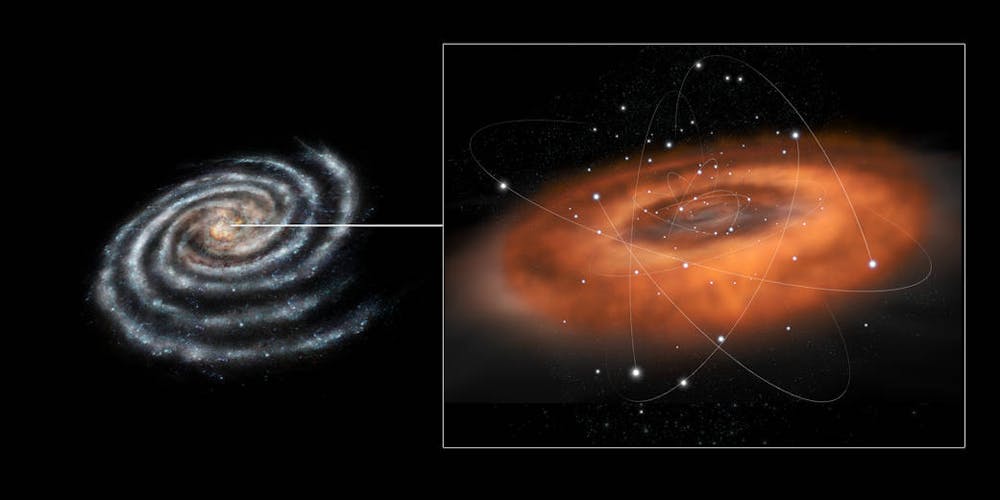
The supermassive black hole that lurks at the center of our galaxy, called Sgr A*, has a mass of about 4 million times that of our Sun. A black hole is a place in space where gravity is so strong that neither particles or light can escape from it. Surrounding Sgr A* is a dense cluster of stars. Precise measurements of the orbits of these stars allowed astronomers to confirm the existence of this supermassive black hole and to measure its mass. For more than 20 years, scientists have been monitoring the orbits of these stars around the supermassive black hole. Based on what we’ve seen, my colleagues and I show that if there is a friend there, it might be a second black hole nearby that is at least 100,000 times the mass of the Sun.
At the center of our galaxy is a supermassive black hole in the region known as Sagittarius A. It has a mass of about 4 million times that of our Sun.
Almost every galaxy, including our Milky Way, has a supermassive black hole at its heart, with masses of millions to billions of times the mass of the Sun. Astronomers are still studying why the heart of galaxies often hosts a supermassive black hole. One popular idea connects to the possibility that supermassive holes have friends.
To understand this idea, we need to go back to when the universe was about 100 million years old, to the era of the very first galaxies. They were much smaller than today’s galaxies, about 10,000 or more times less massive than the Milky Way. Within these early galaxies the very first stars that died created black holes, of about tens to thousand the mass of the Sun. These black holes sank to the center of gravity, the heart of their host galaxy. Since galaxies evolve by merging and colliding with one another, collisions between galaxies will result in supermassive black hole pairs – the key part of this story. The black holes then collide and grow in size as well. A black hole that is more than a million times the mass of our son is considered supermassive.
If indeed the supermassive black hole has a friend revolving around it in close orbit, the center of the galaxy is locked in a complex dance. The partners’ gravitational tugs will also exert its own pull on the nearby stars disturbing their orbits. The two supermassive black holes are orbiting each other, and at the same time, each is exerting its own pull on the stars around it.
The gravitational forces from the black holes pull on these stars and make them change their orbit; in other words, after one revolution around the supermassive black hole pair, a star will not go exactly back to the point at which it began.
Using our understanding of the gravitational interaction between the possible supermassive black hole pair and the surrounding stars, astronomers can predict what will happen to stars. Astrophysicists like my colleagues and me can compare our predictions to observations, and then can determine the possible orbits of stars and figure out whether the supermassive black hole has a companion that is exerting gravitational influence.
Using a well-studied star, called S0-2, which orbits the supermassive black hole that lies at the center of the galaxy every 16 years, we can already rule out the idea that there is a second supermassive black hole with mass above 100,000 times the mass of the Sun and farther than about 200 times the distance between the Sun and the Earth. If there was such a companion, then I and my colleagues would have detected its effects on the orbit of SO-2.
But that doesn’t mean that a smaller companion black hole cannot still hide there. Such an object may not alter the orbit of SO-2 in a way we can easily measure.
The physics of supermassive black holes
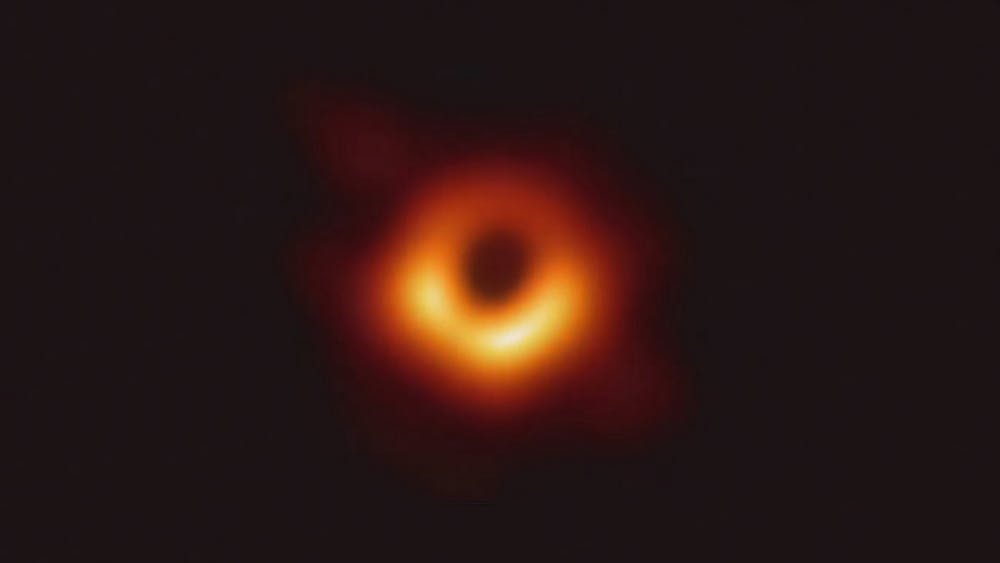
Supermassive black holes have gotten a lot of attention lately. In particular, the recent image of such a giant at the center of the galaxy M87 opened a new window to understanding the physics behind black holes.
The first image of a black hole. This is the supermassive black hole at the center of the galaxy M87.
The proximity of the Milky Way’s galactic center – a mere 24,000 light-years away – provides a unique laboratory for addressing issues in the fundamental physics of supermassive black holes. For example, astrophysicists like myself would like to understand their impact on the central regions of galaxies and their role in galaxy formation and evolution. The detection of a pair of supermassive black holes in the galactic center would indicate that the Milky Way merged with another, possibly small, galaxy at some time in the past.
That’s not all that monitoring the surrounding stars can tell us. Measurements of the star S0-2 allowed scientists to carry out a unique test of Einstein’s general theory of relativity. In May 2018, S0-2 zoomed past the supermassive black hole at a distance of only about 130 times the Earth’s distance from the Sun. According to Einstein’s theory, the wavelength of light emitted by the star should stretch as it climbs from the deep gravitational well of the supermassive black hole.
The stretching wavelength that Einstein predicted – which makes the star appear redder – was detected and proves that the theory of general relativity accurately describes thephysics in this extreme gravitational zone. I am eagerly awaiting the second closest approach of S0-2, which will occur in about 16 years, because astrophysicists like myself will be able to test more of Einstein’s predictions about general relativity, including the change of the orientation of the stars’ elongated orbit. But if the supermassive black hole has a partner, this could alter the expected result.
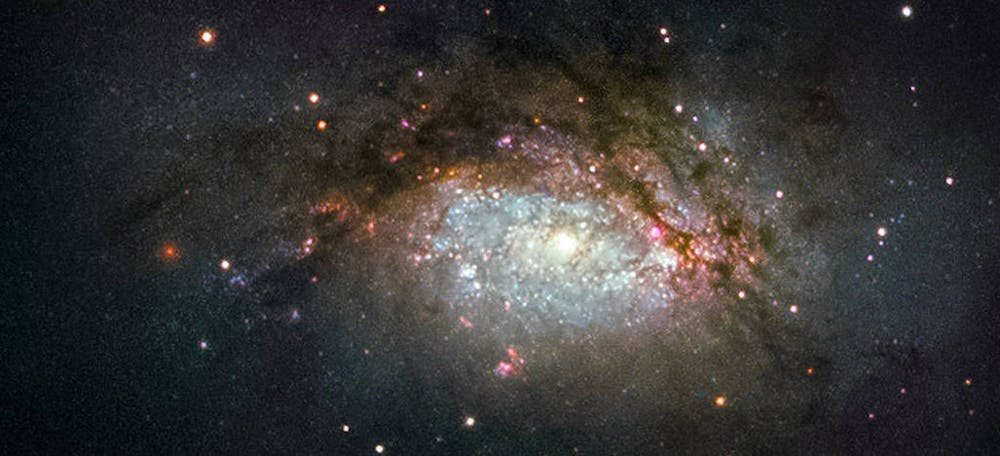
This NASA/ESA Hubble Space Telescope image show’s the result of a galactic collision between two good-sized galaxies. This new jumble of stars is slowly evolving to become a giant elliptical galaxy.
Finally, if there are two massive black holes orbiting each other at the galactic center, as my team suggests is possible, they will emit gravitational waves. Since 2015, the LIGO-Virgo observatories have been detecting gravitational wave radiation from merging stellar-mass black holes and neutron stars. These groundbreaking detections have opened a new way for scientists to sense the universe.
Any waves emitted by our hypothetical black hole pair will be at low frequencies, too low for the LIGO-Virgo detectors to sense. But a planned space-based detector known as LISA may be able to detect these waves which will help astrophysicists figure out whether our galactic center black hole is alone or has a partner.
Even when writing systems have developed, they’ve represented full-fledged and functional languages. Rather than preserving the first baby steps toward language, they’re fully formed, made up of words, sentences and grammar carried from one person to another by speech sounds, like any of the perhaps 6,000 languages spoken today.
So if you believe, as we linguists do, that language is the foundational distinction between humans and other intelligent animals, how can we study its emergence in our ancestors?
Happily, researchers do know a lot about language – words, sentences and grammar – and speech – the vocal sounds that carry language to the next person’s ear – in living people. So we should be able to compare language with less complex animal communication.
And that’s what we and our colleagues have spent decades investigating: How do apes and monkeys use their mouth and throat to produce the vowel sounds in speech? Spoken language in humans is an intricately woven string of syllables with consonants appended to the syllables’ core vowels, so mastering vowels was a key to speech emergence. We believe that our multidisciplinary findings push back the date for that crucial step in language evolution by as much as 27 million years.
The sounds of speech
Say “but.” Now say “bet,” “bat,” “bought,” “boot.”
The words all begin and end the same. It’s the differences among the vowel sounds that keep them distinct in speech.
Now drop the consonants and say the vowels. You can hear the different vowels have characteristic sound qualities. You can also feel that they require different characteristic positions of your jaw, tongue and lips.
So the configuration of the vocal tract – the resonating tube of the throat and mouth, from the vocal folds to the lips – determines the sound. That in turn means that the sound carries information about the vocal tract configuration that made it. This relationship is the core understanding of speech science.
After over a half-century of investigation and of developing both anatomical and acoustical modeling technology, speech scientists can generally model a vocal tract and calculate what sound it will make, or run the other way, analyzing a sound to calculate what vocal tract shape made it.
So model a few primate vocal tracts, record a few calls, and you pretty much know how human language evolved? Sorry, not so fast.
Modern human anatomy is unique
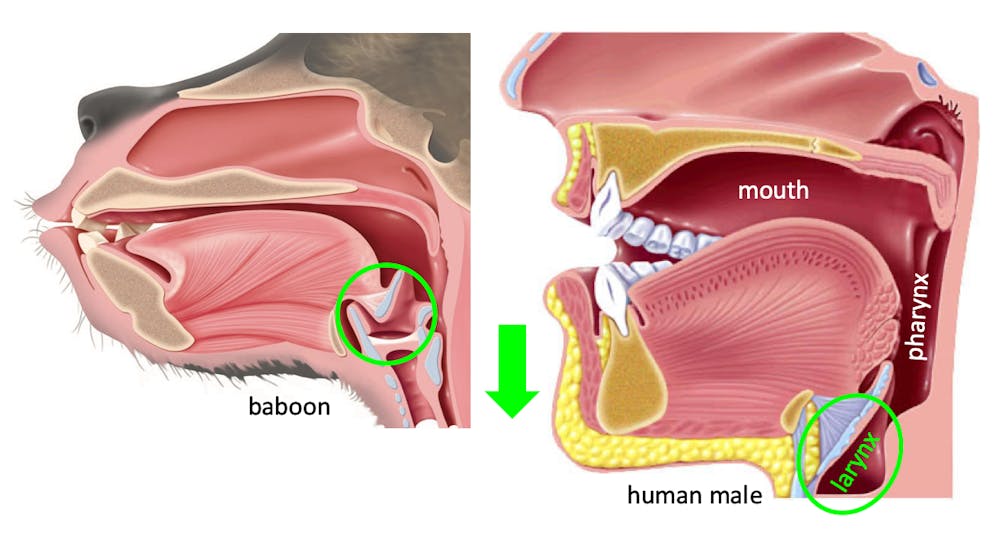
If you compare the human vocal tract with other primates’, there’s a big difference. Take a baboon as an example.
The vocal tract of a baboon has the same components – including the larynx, circled in green – as that of a person, but with different proportions.
Laboratory of Cognitive Psychology (CNRS & Aix-Marseille University) and GIPSA-lab (CNRS & University Grenoble-Alpes), CC BY-ND
From the baboon’s larynx and vocal folds, which is high up and close to their chin line, there’s just a short step up through the cavity called the pharynx, then a long way out the horizontal oral cavity. In comparison, for adult male humans, it’s about as far up the pharynx as it is then out through the lips. Also, the baboon tongue is long and flat, while a human’s is short in the mouth, then curves down into the throat.
So over the course of evolution, the larynx in the human line has moved lower in our throats, opening up a much larger pharyngeal cavity than found in other primates.
About 50 years ago, researchers seized on that observation to formulate what they called the laryngeal descent theory of vowel production. In a key study, researchers developed a model from a plaster cast of a macaque vocal tract. They manipulated the mouth of an anesthetized macaque to see how much the vocal tract shape could vary, and fed those values into their model. Then finally they calculated the vowel sound produced by particular configurations. It was a powerful and groundbreaking study, still copied today with technological updates.
So what did they find?
They got a schwa – that vowel sound you hear in the word “but” – and some very close acoustic neighbors. Nothing where multiple vowels were distinct enough to keep words apart in a human language. They attributed it to the lack of a human-like low larynx and large pharynx.
As the theory developed, it claimed that producing the full human vowel inventory required a vocal tract with about equally long oral and pharyngeal cavities. That occurred only with the arrival of anatomically modern humans, about 200,000 years ago, and only adults among modern humans, since babies are born with a high larynx that lowers with age.
This theory seemed to explain two phenomena. First, from the 1930s on, several (failed) experiments had raised chimpanzees in human homes to try to encourage human-like behavior, particularly language and speech. If laryngeal descent is necessary for human vowels, and vowels in turn for language, then chimpanzees would never talk.
Second, archaeological evidence of “modern” human behavior, such as jewelry, burial goods, cave painting, agriculture and settlements, seemed to start only after anatomically modern humans appeared, with their descended larynxes. The idea was that language provided increased cooperation which enabled these behaviors.
Rethinking the theory with new evidence
So if laryngeal descent theory says kids and apes and our earlier human ancestors couldn’t produce contrasting vowels, just schwa, then what explains, for instance, Jane Goodall’s observations of clearly contrasting vowel qualities in the vocalizations of chimpanzees?
Chimpanzees shift between vowel sounds before maxing out in a scream.
But that kind of evidence wasn’t the end of the laryngeal descent idea. For scientists to reach agreement, especially to renounce a longstanding and useful theory, we rightly require consistent evidence, not just anecdotes or hearsay.
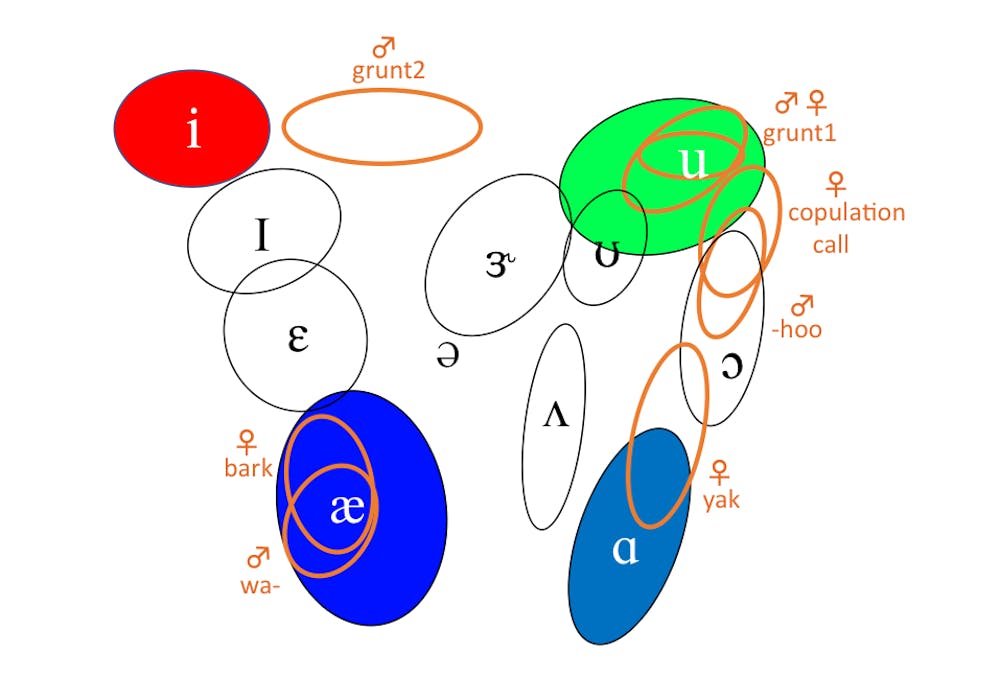
One of the key steps was our study of the baboon “vowel space.” We recorded over 1,300 baboon calls and analyzed the acoustics of their vowel-like parts. Results showed that the vowel quality of certain calls was equivalent to known human vowels.
A schematic comparing the vocal qualities of certain baboon calls (orange ellipses) with selected vowel sounds of American English, where the phonetic symbols / i æ ɑ ɔ u / represent the vowels in beat, bat, bot, bought, boot.
Louis-Jean Boë, GIPSA-lab (CNRS & University Grenoble-Alpes), CC BY-ND
Our latest review lays out the whole case, and we believe it finally frees researchers in speech, linguistics, primatology and human evolution from the laryngeal descent theory, which was a great advance in its time, but turned out to be in error and has outlived its usefulness.
Speech and language in animals?
Human language requires a vocabulary that can be concrete (“my left thumbnail”), abstract (“love,” “justice”), elsewhere or elsewhen (“Lincoln’s beard”), even imaginary (“Gandalf’s beard”), all of which can be slipped as needed into sentences with internal hierarchical grammar. For instance “the black dog” and “the calico cat” keep the same order whether “X chased Y” or “Y was chased by X,” where the meaning stays the same but the sentence organization is reversed.
Only humans have full language, and arguments are lively about whether any primates or other animals, or our now extinct ancestors, had any of language’s key elements. One popular scenario says that the ability to do grammatical hierarchies arose with the speciation event leading to modern humans, about 200,000 years ago.
Speech, on the other hand, is about the sounds that are used to get language through the air from one person to the next. That requires sounds that contrast enough to keep words distinct. Spoken languages all use contrasts in both vowels and consonants, organized into syllables with vowels at the core.
Apes and monkeys can “talk” in the sense that they can produce contrasting vowel qualities. In that restricted but concrete sense, the dawn of speech was not 200,000 years ago, but some 27 million years ago, before the time of our last common ancestor with Old World monkeys like baboons and macaques. That’s over 100 times earlier than the emergence of our modern human form.
Researchers have a lot of work to do to figure out how speech evolved since then, and how language finally linked in.
Scientists said Wednesday they have come up with an environmentally-friendly method that uses artificial sunlight to transform plastic into power-generating chemicals, as countries worldwide battle to reduce waste.
Huge quantities of plastic have piled up on land and been dumped in the sea across the world, with Asian nations in particular facing criticism for failing to tackle the problem.
Researchers in Singapore say they have converted plastic into "formic acid", which can be used in power plants to generate electricity, by using a catalyst which neither damages the environment nor costs a lot of money.
In lab experiments, researchers from the city's Nanyang Technological University mixed plastic with chemicals to form a solution, which could then be broken down by artificial sunlight.
The plastic was broken down in six days, and scientists hope the process can be carried out in future under real sunlight.
"We are able to turn plastics, which are of course polluting the oceans, into useful chemicals," said Soo Han Sen, who led the two-year research project and is from NTU's School of Physical and Mathematical Sciences.
"We're hoping to turn this into a fully renewable process that's carbon neutral."
Other methods of recycling plastic typically require it to be melted down using fossil fuels, which produce climate-damaging greenhouse gases.
But so far only tiny amounts of plastic have been converted into formic acid, and Soo conceded there are challenges to replicating the process on a bigger scale.
More manpower and funding were needed to develop it, and so far scientists had tested it only on pieces of pure plastic, and not waste.
The Arctic has experienced its second warmest year since 1900, according to a report published Tuesday, raising fears over low summer sea ice and rising sea levels.
The North Pole has been warming twice as fast as the rest of the planet since the 1990s, a phenomenon climatologists call Arctic amplification, and the past six years have been the region's warmest ever.
The average temperature in the 12 months to September was 1.9 degrees Celsius higher than the 1981-2010 average, according to the Arctic Report Card of the US National Oceanic and Atmospheric Agency (NOAA).
The end-of-summer sea ice cover measured that month was the second lowest in the 41-year satellite record, tied with 2007 and 2016, the annual report said.
"2007 was a watershed year," Don Perovich, a Dartmouth engineering professor who co-authored the report, told AFP.
"Some years there's an increase, some years there's a decrease, but we've never returned to the levels we saw before 2007," he added.
The year up to September has been surpassed only by the equivalent period in 2015-16 -- the warmest since 1900, when records began.
In the Bering Sea between Russia and Alaska, the last two winters have seen maximum sea ice coverage of less than half the long-term average.
The ice is also thinner, meaning airplanes can no longer land with supplies for the residents of Diomede, a small island in the Bering Strait, who now depend on less reliable helicopters.
- Melting permafrost -
Thick ice is also vital for locals who travel by snowmobile and stow their boats, or hunt seals and whales.
As the ice forms later in the fall, the inhabitants are isolated for a greater part of the year.
The "shorefast ice," anchored to the sea floor, is increasingly rare, and it is on this ice that fishermen and hunters store their equipment.
"In the northern Bering Sea, sea ice used to be present with us for eight months a year. Today, we may only see three or four months with ice," indigenous residents wrote in an essay included in the report.
It is not just sea ice that is receding, according to the report: ice on Greenland is also melting.
For the rest of the world this melt is measured by rising sea levels. Each year ice melting from Greenland alone raises global sea levels by 0.7 millimeters.
The snow reflects the sun's rays back to space, but when it melts it uncovers more area for the sun's heat to be absorbed and melts the permafrost, the soil that remains constantly frozen.
Greenland has the world's second largest ice sheet after Antarctica, which is melting at a slower pace. Scientists noted Tuesday that Greenland is struggling too, however.
It has lost 3.8 trillion tonnes of ice since 1992, enough on its own to add 10.6 millimeters (1.06 centimeters, 0.4 inches) to sea levels, according to a study in the journal Nature.
If all of Greenland's ice melted, or were diverted into the ocean as icebergs, the world's oceans would rise by 7.4 meters, scientists say.
Doting killer whale grandmothers help their grand calves survive, particularly in times of food scarcity, scientists reported Monday in a paper that sheds new light on the evolutionary role of menopause.
Orca females stop reproducing in their thirties or forties but can continue to live for decades more, a phenomenon known only to exist in humans and four other mammal species, all of which are whales.
It has been suggested that the trait evolved because it allowed post reproductive females to help their wider kin -- referred to as the "grandmother effect" in people, but the theory had not been tested in whales until now.
"This is the first non-human example of the grandmother effect in a menopausal species," senior author Daniel Franks from the University of York told AFP.
"It has also been shown in elephants, but they are able to reproduce until the end of their lives. We currently know of only five species that go through menopause: the others are short-finned pilot whales, narwhals and beluga."
Writing in the Proceedings of the National Academy of Sciences, Franks and colleagues examined more than 40 years of census data on two killer whale groups off the coasts of the US state of Washington as well as Canada's British Columbia.
The individuals were identified by their unique fin shapes, saddle patches and the presence of nicks and scratches, and sexed by the distinct pigmentation around their genitals as well as adult fin size.
Their relations to one another were inferred through observations of social organization, and mothers identified by their repeated association with their young calves.
- Babysitting -
The team, which also included scientists from the University of Exeter, the US Center for Whale Research and Canada's Pacific Biological Station, focused on 378 individuals known to have a maternal grandmother.
They found that those whose grandmother died within the last two years had a mortality rate 4.5 times higher than those with a living grandmother, in the two years following her death.
The effect was significantly amplified in years of fish scarcity, which the researchers judged through data on annual catches of Chinook salmon, and diminished in years of plenty.
"We have previously shown that post-reproductive grandmothers lead the group around foraging grounds, and that they are important in doing that in times of need, when the salmon are scarce," Franks explained.
"They are also known to directly share food with younger relatives. We also suspect babysitting," he added.
While the researchers identified a grandmother effect was at play, these benefits alone do not explain why orca females lose reproductive capacity at midlife: elephant grandmothers help their grandchildren too while continuing to breed until they die.
The team wrote that continued reproductive capacity might come at a cost for whales and for humans, such as intergenerational conflict between mothers and their daughters in competition for males.
"In killer whales, when mothers and daughters cobreed, the calves of mothers from (the) older generation have significantly higher mortality," the paper said.
Moving forward, the researchers would like to hone in more precisely on how members of the close-knit family-based species help and harm each other, using drones to examine these behaviors.
Near the beginning of the new film “The Aeronauts,” a giant gas-filled balloon called the “Mammoth” departs from London’s Vauxhall Gardens and ascends into the clouds, revealing a bird’s eye view of London.
To some moviegoers, these breathtaking views might seem like nothing special: Modern air travel has made many of us take for granted what we can see from the sky. But during the 19th century, the vast “ocean of air” above our heads was a mystery.
These first balloon trips changed all that.
Directed by Tom Harper, the movie is inspired by the true story of Victorian scientist James Glaisher and the aeronaut Henry Coxwell. (In the film, Coxwell is replaced by a fictional aeronaut named Amelia Wren.)
In 1862, Glaisher and Coxwell ascended to 37,000 feet in a balloon – 8,000 feet higher than the summit of Mount Everest, and, at the time, the highest point in the atmosphere humans had ever reached.
As a historian of science and visual communication, I’ve studied the balloon trips of Glaisher, Coxwell and others. Their voyages inspired art and philosophy, introduced new ways of seeing the world and transformed our understanding of the air we breathe.
The first balloon flights
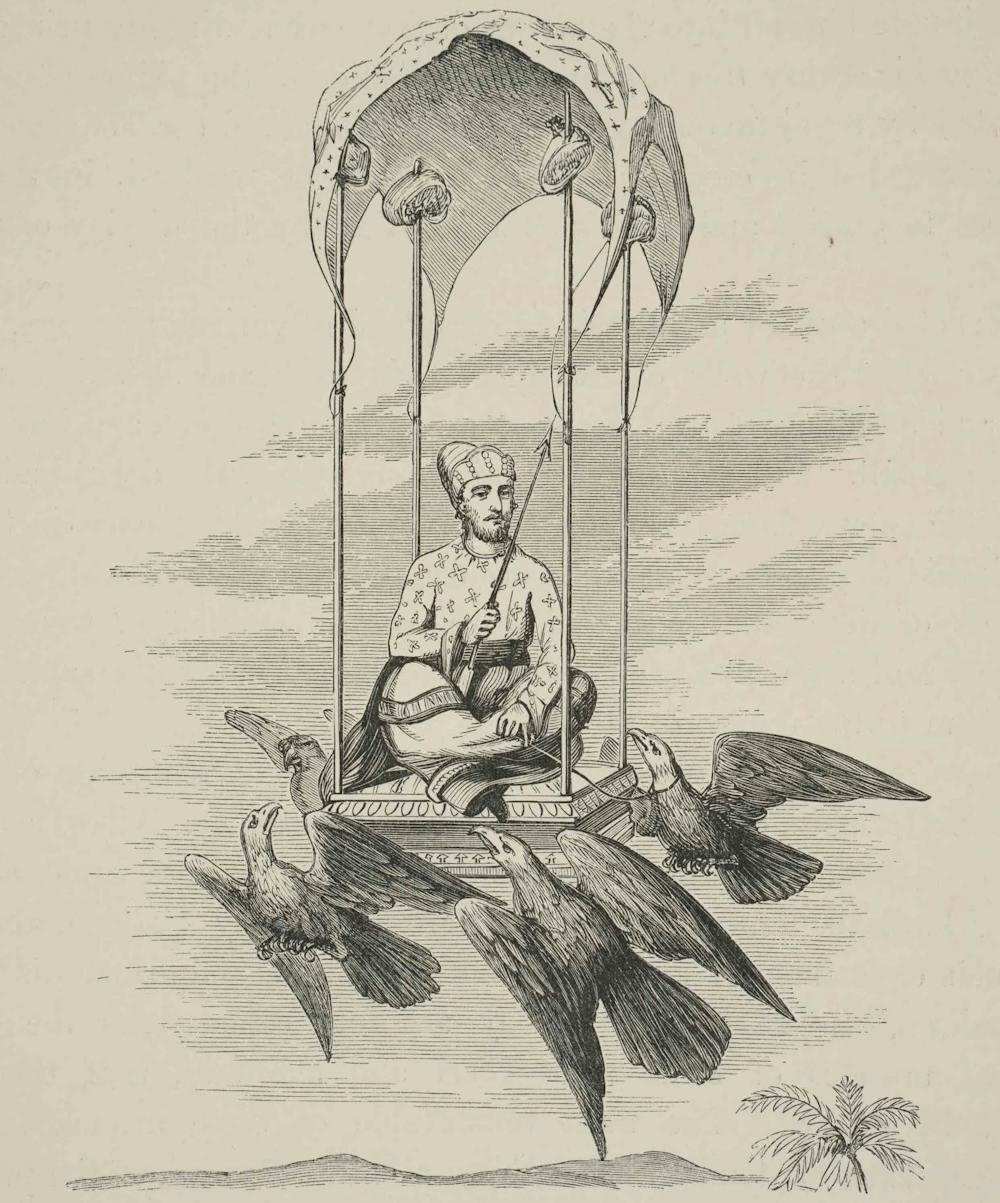
Before the invention of the balloon, the atmosphere was like a blank slate on which fantasies and fears were projected. Philosophers speculated that the skies went on forever, while there were medieval tales of birds that were so large they could whisk human passengers into the clouds.
A drawing from ‘Astra Castra’ depicts mythic birds that can transport people up into the skies.
Archive.org
The atmosphere was also thought of as a “factory of death” – a place where disease-causing vapors lingered. People also feared that if they were to ascend into the clouds, they’d die from oxygen deprivation.
The dream of traveling skyward became a reality in 1783, when two French brothers, Joseph-Michel Montgolfier and Jacques-Étienne Montgolfier, launched the first piloted hot-air balloon.
Early balloon flights were difficult to pull off and dangerous. Aeronauts and passengers fell to their deaths when balloons unexpectedly deflated, caught fire or drifted out to sea. Partly due to this inherent danger, untethered balloon flight became forms of public entertainment, titillating crowds who wanted to see if something would go wrong. The novelist Charles Dickens, horrified by balloon ascents, wrote that these “dangerous exhibitions” were no different from public hangings.
Over time, aeronauts became more skilled, the technology improved and trips became safe enough to bring along passengers – provided they could afford the trip. At the time of Glaisher’s ascents, it cost about 600 pounds – roughly US$90,000 today – to construct a balloon. Scientists who wanted to make a solo ascent needed to shell out about 200 pounds to hire an aeronaut, balloon and enough gas for a single trip.
The view of angels
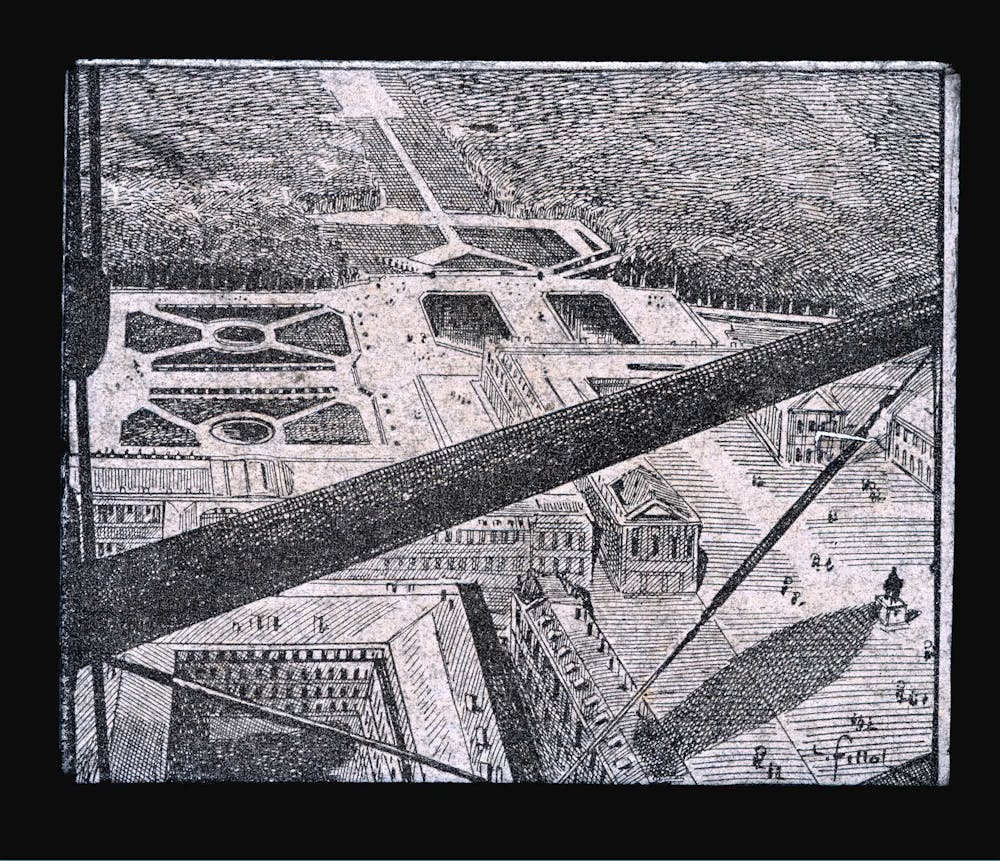
Some of the first Europeans who ascended for amusement returned with tales of new sights and sensations, composed poems about what they had seen and circulated sketches.
A glass lantern slide of a print titled ‘The View of Versailles.’
Private collection, used with permission.
Common themes emerged: the sensation of being in a dream, a feeling of tranquility and a sense of solitude and isolation.
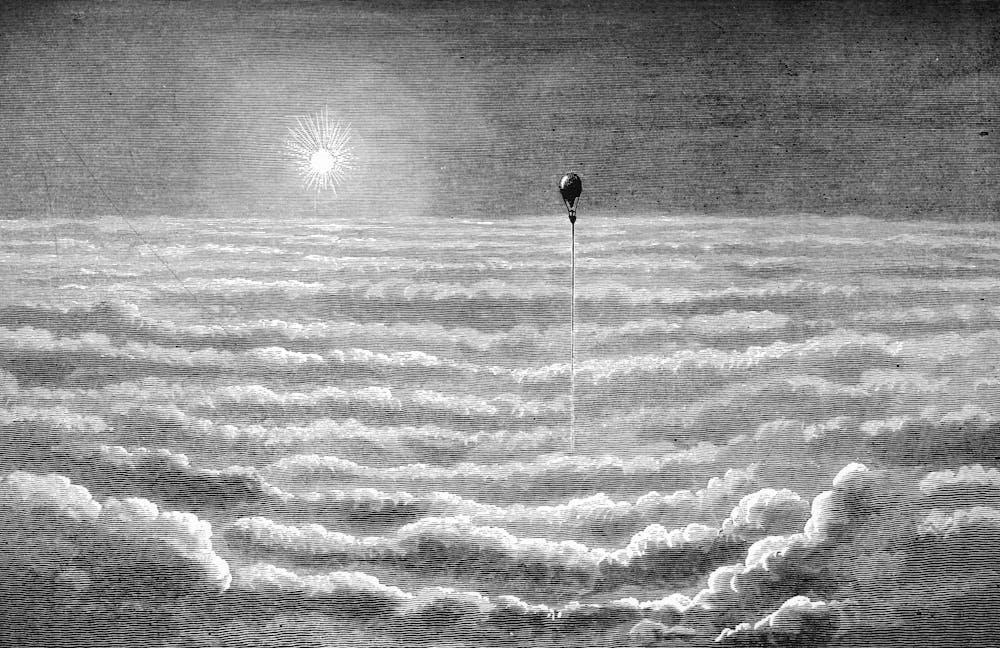
“We were lost in an opaque ocean of ivory and alabaster,” the balloon travelers Wilfrid de Fonvielle and Gaston Tissandier recalled in 1868 upon returning from one of their voyages.
In an 1838 book, one of the most prolific writers on the topic, professional flutist Monck Mason, described ascending into the atmosphere as “distinct in all its bearings from every other process with which we are acquainted.” Once aloft, the traveler is forced to consider the “world without him.”
A drawing of dreamlike clouds from the travels of Wilfrid de Fonvielle and Gaston Tissandier.
'Travels in the Air'
French astronomer Camille Flammarion wrote that the atmosphere was “an ethereal sea reaching over the whole world; its waves wash the mountains and the valleys, and we live beneath it and are penetrated by it.”
Travelers were also awestruck by the diffusion of light, the intensity of colors and the effects of atmospheric illumination.
One scientific observer in 1873 described the atmosphere as a “splendid world of colors which brightens the surface of our planet,” noting the “lovely azure tint” and “changing harmonies” of hues that “lighten up the world.”
And then there were the birds-eye views of the cities, farms and towns below. In 1852, the social reformer Henry Mayhew recalled his views of London from the perch of “an angel:” “tiny people, looking like so many black pins on a cushion,” swarmed through “the strange, incongruous clump of palaces and workhouses.”
To Mayhew, the sights of farmlands were “the most exquisite delight I ever experienced.” The houses looked “like the tiny wooden things out of a child’s box of toys, and the streets like ruts.”
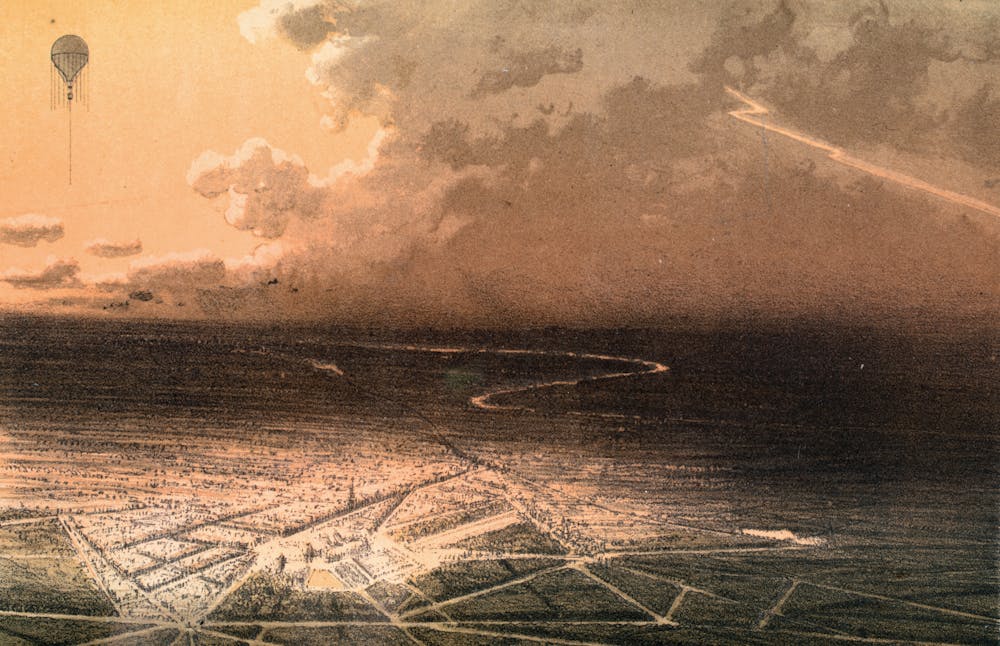
So deep was the dusk in the distance that it “was difficult to tell where the earth ended and the sky began.”
A thunderstorm above Fontainebleau, France, from Camille Flammarion’s travels.
'Travels in the Air.'
A laboratory for discovery
The atmosphere was not just a vantage point for picturesque views. It was also a laboratory for discovery, and balloons were a boon to scientists.
At the time, different theories prevailed over how and why rain formed. Scientists debated the role of trade winds and the chemical composition of the atmosphere. People wondered what caused lightning and what would happen to the human body as it ascended higher.
To scientists like Flammarion, the study of the atmosphere was the era’s key scientific challenge. The hope was that the balloon would give scientists some answers – or, at the very least, provide more clues.
James Glaisher, a British astronomer and meteorologist, was already an established scientist by the time he made his famous balloon ascents. During his trips, he brought along delicate instruments to measure the temperature, barometric pressure and chemical composition of the air. He even recorded his own pulse at various altitudes.
In 1871 he published “Travels in the Air,” a collection of reports from his experiments. He didn’t want to simply write about his findings for other scientists; he wanted the public to learn about his trips. So he fashioned his book to make the reports appealing to middle-class readers by including detailed drawings and maps, colorful accounts of his adventures and vivid descriptions of his precise observations.
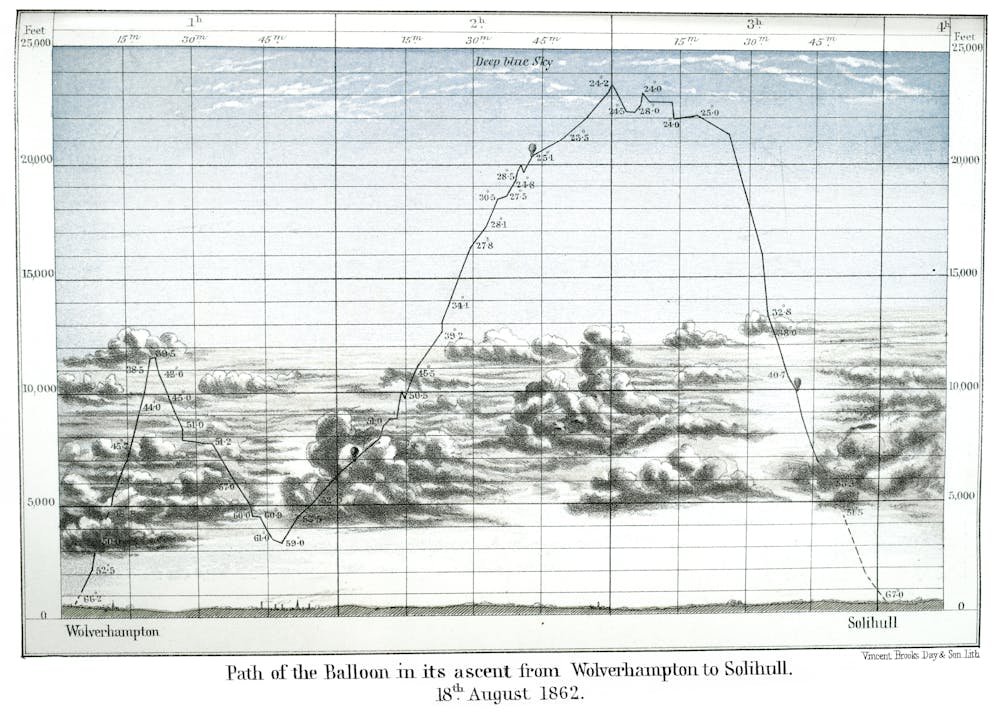
Glaisher’s books also featured innovative visual portrayals of meteorological data; the lithographs depicted temperatures and barometric pressure levels at different elevations, superimposed over picturesque views.
James Glaisher charted his balloon’s path from Wolverhampton to Solihull, England.
'Travels in the Air.'
He gave a series of popular lectures, during which he relayed findings from his trips to riveted audiences. Two years later, he published an English translation of Flammarion’s account of his balloon travels.
The trips of Glaisher and others gave scientists new insights into meteors; the relationship between altitude and temperature; the formation of rain, hail and snow; and the forces behind thunder.
And for members of the public, the atmosphere was transformed from an airy concept into a physical reality.
A British woman suffering from severe hypothermia who was revived by doctors in Spain after more than six hours of cardiac arrest, on Thursday hailed her survival as "a miracle".
Audrey Marsh collapsed at around 1:00 pm on November 3 when she and her husband were caught in a snowstorm while out walking in the Pyrenees mountains.
But it was just over two-and-a-half hours before rescue teams were able to reach them, with the 34-year-old showing no signs of life nor cardiac activity, and a body temperature of just 18 degrees Celsius (64.4 degrees Fahrenheit).
Initial efforts to revive her at the scene had no effect and she was flown by helicopter to a Barcelona hospital equipped with an extracorporeal membrane oxygenation machine (ECMO).
When connected to a patient's cardiac system, the ECMO takes over the functioning of the heart and lungs, oxygenating the blood outside the body then reintroducing it, allowing both organs to rest.
Similar to a heart-lung bypass machine, the ECMO has never been used in Spain for a resuscitation procedure, but by 9:45 pm, her body temperature had risen to 30C and the doctors tried again to revive her, using a defibrillator.
And it worked.
"It is like a miracle," March told reporters in Barcelona at a press conference with the doctors who managed to save her at the resuscitation unit at Barcelona's Vall d'Hebron hospital.
"It is the longest instance of cardiac arrest survival that we have ever documented in Spain," doctor Eduard Argudo, who heads the unit, told AFP, saying similar cases had been documented in the Alps and in Scandinavia.
Argudo said part of the reason she survived was due to the hypothermia.
"The hypothermia killed her but also saved her at the same time. With the cold, the body's metabolism slows down, the organs need less blood and less oxygen and that helps protect the brain," he explained.
Her recovery was unusually quick and within six days, she had left the intensive care unit without neurological damage.
Although her hands have not yet recovered full movement, "her life is practically back to normal" and "she will return to work in the coming days", the hospital said in a statement.
Samoa entered a two-day lockdown Thursday to carry out an unprecedented mass vaccination drive aimed at containing a devastating measles epidemic that has killed dozens of children in the Pacific island nation.
As the death toll climbed to 62, officials ordered all businesses and non-essential government services to close, shut down inter-island ferries and told people to keep their cars off the roads.
Residents were advised to obey a dawn-to-dusk curfew, staying in their homes and displaying a red flag if any occupants were not yet immunised.
Hundreds of vaccination teams, including public servants drafted in for the operation, fanned out across the nation of 200,000 in the early hours of the morning.
They plan to go door-to-door in villages and towns to administer mandatory vaccinations in red-flagged houses.
The markets on Apia's waterfront, usually packed with tourists buying handicrafts, were silent as stalls stood empty, while there was hardly any traffic in the city centre.
"It's very, very quiet out here. I can just hear a few barking dogs. The streets are empty. There are no cars," UNICEF's Pacific islands chief Sheldon Yett told AFP.
"People are staying at home waiting for the vaccination campaign. The teams are getting their supplies together and getting ready to go out."
The operation, carried out under emergency powers invoked as the epidemic took hold last month, is a desperate bid to halt measles infection rates that have been inexorably rising since mid-October, with most of the victims young children.
"I've seen mass mobilisation campaigns before, but not over an entire country like this," Yett said.
"That's what we're doing right now. This entire country is being vaccinated."
- 'Incredibly irresponsible' material -
Immunisation rates in Samoa dropped steeply to just 30 percent before the outbreak, the World Health Organisation said, blaming an anti-vaccine messaging campaign.
Two babies died after receiving measles vaccination shots last year, which lead to the temporary suspension of the country's immunisation programme and dented parents' trust in the vaccine.
It was later found the deaths were caused when other medicines were incorrectly administered.
Rates of 90 percent are international best practice. Immunisation rates in Pacific island nations Tonga and Fiji are at around 90 percent, and their measles outbreaks have been far milder.
Yett said social media had been used to spread anti-vaccination misinformation in Samoa and the online giants running the platforms needed to clamp down on such "incredibly irresponsible" material.
"It's quite clear that they have a corporate responsibility to step up to the plate and make sure that populations, particularly vulnerable populations, get accurate information that's going to keep children alive," he said.
Samoa's immunisation rate has risen to 55 percent over the past fortnight and Yett said this week's two-day drive aimed to push it above 90 percent, which should help curb the current outbreak and stop future epidemics.
- 'Vaccination the only cure' -
Even Prime Minister Tuilaepa Sailele Malielegaoi's residence had a red flag fluttering outside it on Thursday, with the leader saying his nephew had recently arrived from Australia and needed a measles shot.
Malielegaoi said he was angered by anecdotal reports some anti-vaccination parents were encouraging their children to hide from the teams to avoid the mandatory injection.
"The only cure for this is vaccination... having your children vaccinated is the only way," he said.
Malielegaoi rejected accusations that his government had contributed to the crisis by not acting more decisively to address the long-term decline in immunisation rates.
"I think you're talking to the wrong people, we did it many, many times," he told reporters.
Children are the most vulnerable to measles, which typically causes a rash and fever but can also lead to brain damage and death.
The latest figures show that 54 of the 62 dead were aged four or less and infants account for most of the 4,217 cases recorded since the outbreak began in mid-October.
A further 19 children are critically ill in hospital.
Samoa has received aid to combat the crisis from Australia, New Zealand, France, Britain, China, Norway, Japan, American Samoa, the United States and the UN.
But efforts so far have failed to stop infection spreading, prompting this week's drastic escalation in the immunisation campaign.
Samoans can expect no immediate relief even if the national shutdown succeeds in boosting vaccination rates as the injection typically takes 10-14 days to become effective.
There have also been measles epidemics in neighbouring Fiji and Tonga, but higher immunisation rates mean they have been more easily contained, with no fatalities.
NASA's Parker Solar Probe, having survived its closest encounter so far with the Sun, has sent back a "spectacular trove" of data on its corona, the super-hot outer edge of its atmosphere, scientists said Wednesday.
The car-sized probe, launched in August last year, will come within some four million miles (six million kilometres) of the sun's surface during a series of fly-bys at other distances and trajectories over seven years.
It is hoped it will allow a better understanding of the solar wind and electromagnetic storms which can cause chaos on Earth by knocking out the power grid.
One puzzle concerns the corona itself which at one million degrees is many times hotter than the sun's surface at 6,000C, when it would normally be expected to cool the further from the heat source.
"So the corona finds a way to heat up. We are looking at the physical processes which allow that to happen," said Alexis Rouillard at France's National Centre for Scientific Research (CNRS) and co-author of one of four reports on the probe's initial findings published in the journal Nature.
"Even with just these first orbits, we've been shocked by how different the corona is when observed up close," said Justin Kasper, a professor of climate and space sciences and engineering at the University of Michigan.
A summary by the University of Michigan noted that it had been thought that oscillations in the Sun's magnetic field might have caused the corona to heat up and were expecting to get data to confirm that.
Instead, they reported much more powerful, "rogue" magnetic waves strong enough to switch the direction of the magnetic field completely that may be the energy source for the corona.
- 'Missing something fundamental' -
Scientists were also surprised by what they found about the acceleration of the solar wind, the outward stream of protons, electrons and other particles emanating from the Sun.
It was known that closer in, the Sun's magnetic field pulls this wind in the same direction as its rotation, so the team expected this effect would weaken further out.
"To our great surprise, as we neared the Sun, we've already detected large rotational flows -- 10 to 20 times greater than what standard models of the Sun predict," Kasper said.
"So we are missing something fundamental about the Sun and how the solar wind escapes.
"This has huge implications. Space weather forecasting will need to account for these flows if we are going to be able to predict whether a coronal mass ejection will strike Earth, or astronauts heading to the Moon or Mars," he added.
Stuart Bale, professor of physics at the University of California Berkeley, recalled that a "major space weather event" in 1859 blew out telegraph networks on Earth and one in 1972 set off US naval mines in North Vietnam.
With society now even more dependent on sophisticated technology, "big disturbances from the sun are potentially a very serious thing," Bale said.
"If we could predict space weather, we could shut down or isolate parts of the power grid, or shut down satellite systems that might be vulnerable."
The gene editing performed on Chinese twins last year meant to immunize them against HIV may have failed in its purpose and created unintended mutations, scientists said Tuesday after the original research was made public for the first time.
Excerpts from the manuscript were released by the MIT Technology Review for the purpose of showing how Chinese biophysicist He Jiankui ignored ethical and scientific norms in creating the twins Lula and Nana, whose birth in late 2018 sent shockwaves through the scientific world.
He made expansive claims of a medical breakthrough that could "control the HIV epidemic," but it was not clear whether it had even been successful in its intended purpose -- immunizing the babies against the virus -- because the team did not in fact reproduce the gene mutation that confers this resistance.
A small percentage of people are born with immunity because of a mutation in a gene called CCR5 and it was this gene that He had claimed he had targeted using a powerful editing tool known as CRISPR which has revolutionized the field since bursting on the scene in 2012.
Fyodor Urnov, a genome-editing scientist at the University of California, Berkeley told the MIT Technology Review: "The claim they have reproduced the prevalent CCR5 variant is a blatant misrepresentation of the actual data and can only be described by one term: a deliberate falsehood.
"The study shows that the research team instead failed to reproduce the prevalent CCR5 variant."
While the team targeted the right gene, they did not replicate the "Delta 32" variation required, instead creating novel edits whose effects aren't clear.
Moreover, CRISPR remains an imperfect tool because it can lead to unwanted or "off-target" edits, making its use in humans hugely controversial.
Here, the researchers claimed they had searched for such effects in the early-stage embryos and found just one -- but this glossed over the fact that it would be impossible to carry out a comprehensive search without inspecting each of the embryo's cells and thus destroying it.
Further ethical concerns included that the parents of the babies might have wanted to take part for the wrong reasons.
The father was HIV positive, which carries a significant social stigma in China and makes it almost impossible to have access to fertility treatment, even though a well-established technique known as "sperm washing" prevents the infection from being passed on to unborn children.
Their lack of access to any kind of fertility treatment may have motivated them to take part in the experiment despite the huge risks to their children, Jeanne O'Brien, a reproductive endocrinologist at Shady Grove Fertility told the MIT Technology Review.
The authors also appeared to have taken steps to make it hard to find the family, like leaving the names of the fertility doctors off the paper, and including a false date of birth (Hu claimed November 2018 while multiple reports have indicated it was in fact October 2018).
He attempted to shop his manuscript around to prestigious journals including Nature and JAMA, but it remains unpublished.
Global carbon emissions boosted by soaring natural gas use are set to hit record levels in 2019 despite a decline in coal consumption and a string of countries declaring a climate emergency, researchers said Wednesday.
In its annual analysis of fossil fuel trends, the Global Carbon Project said CO2 emissions were on course to rise 0.6 percent this year -- slower than previous years but still a world away from what is needed to keep global warming in check.
In three peer-reviewed studies, authors attributed the rise to "robust growth" in natural gas and oil, which offset significant falls in coal use in the United States and Europe.
"We see clearly that global changes come from fluctuations in coal use," said Corrine Le Quere, from the University of East Anglia, an author on the Carbon Budget report.
"In contrast the use of oil and particularly natural gas is going up unabated. Natural gas is now the biggest contributor to the growth in emissions."
Atmospheric CO2 levels, which have been climbing exponentially in recent decades, are expected to hit an average of 410 parts per million this year, Le Quere said.
That's the highest level in at least 800,000 years.
AFP / Simon MALFATTO Countries not doing enough to cut greenhouse gas emissions
The report will make for further uncomfortable reading for delegates gathered at UN climate talks in Madrid, with the warnings from the world's top climate scientists still ringing in their ears.
Last week the UN said global emissions needed to fall 7.6 percent each year, every year, to 2030 to stand any chance of limiting temperature rises to 1.5C (2.6 Farenheit).
With just 1C of warming since the industrial era so far, 2019 saw a string of deadly superstorms, drought, wildfires and flooding, made more intense by climate change.
The UN said Wednesday that the 2010s was almost certain to be the hottest decade on record and as many as 22 million people could be displaced by extreme weather this year.
- 'Urgency not sunk in' -
The authors pointed out 2019's rise in emissions was slower than each of the two previous years.
Yet with energy demand showing no sign of peaking even with the rapid growth of low carbon technology such as wind and solar power, emissions in 2019 are still set to be 4 percent higher than in 2015, the year nations agreed to limit temperature rises in the Paris climate accord.
AFP/File / Tobias SCHWARZ The Nord Stream 2 gas pipeline is built in Lubmin, northeastern Germany - it will double the capacity to ship natural gas from Russia to Germany
While emissions levels can vary annually depending on economic growth and even weather trends, the Carbon Budget report shows how far nations still need to travel to drag down carbon pollution.
"Current policies are clearly not enough to reverse trends in global emissions. The urgency of action has not sunk in yet," said Le Quere.
She highlighted anticipated emissions falls of 1.7 percent in the US and Europe as the power sector continues its switch away from coal.
The most polluting fossil fuel saw its usage drop by as much as 10 percent in the two regions this year, the report said.
But such savings were offset globally by the likes of India and China, the biggest overall emitter, and specifically by an increase in energy from natural gas.
"Compared to coal, natural gas is a cleaner fossil fuel, but unabated natural gas use merely cooks the planet more slowly than coal," said Glen Peters, research director at the CICERO Center for International Climate Research.
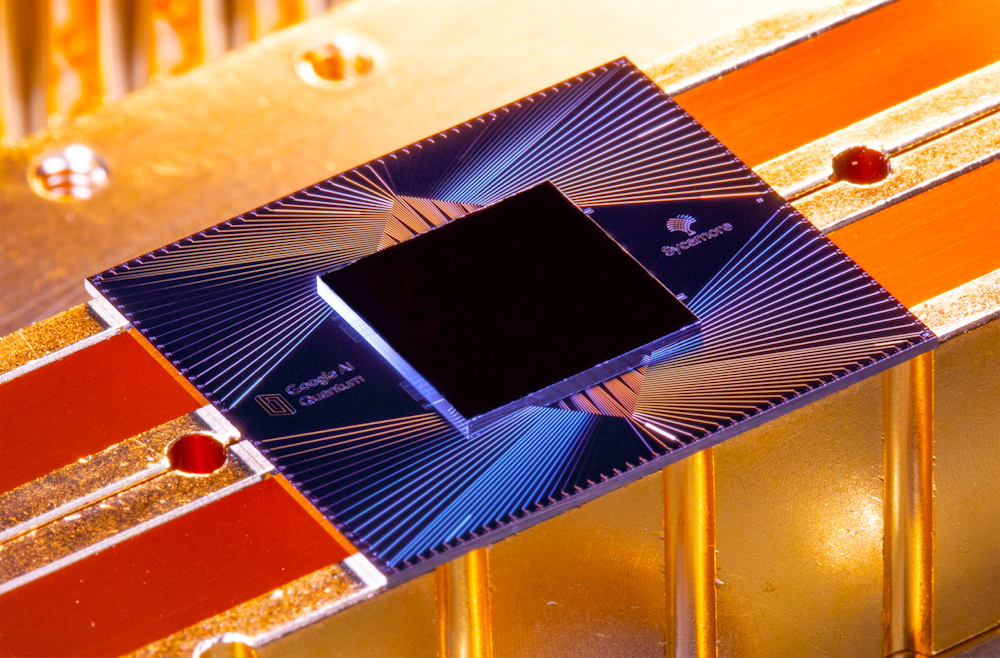
Google announced this fall to much fanfare that it had demonstrated “quantum supremacy” – that is, it performed a specific quantum computation far faster than the best classical computers could achieve. IBM promptly critiqued the claim, saying that its own classical supercomputer could perform the computation at nearly the same speed with far greater fidelity and, therefore, the Google announcement should be taken “with a large dose of skepticism.”
This wasn’t the first time someone cast doubt on quantum computing. Last year, Michel Dyakonov, a theoretical physicist at the University of Montpellier in France, offered a slew of technical reasons why practical quantum supercomputers will never be built in an article in IEEE Spectrum, the flagship journal of electrical and computer engineering.
So how can you make sense of what is going on?
As someone who has worked on quantum computing for many years, I believe that due to the inevitability of random errors in the hardware, useful quantum computers are unlikely to ever be built.
What’s a quantum computer?
To understand why, you need to understand how quantum computers work since they’re fundamentally different from classical computers.
A classical computer uses 0s and 1s to store data. These numbers could be voltages on different points in a circuit. But a quantum computer works on quantum bits, also known as qubits. You can picture them as waves that are associated with amplitude and phase.
Qubits have special properties: They can exist in superposition, where they are both 0 and 1 at the same time, and they may be entangled so they share physical properties even though they may be separated by large distances. It’s a behavior that does not exist in the world of classical physics. The superposition vanishes when the experimenter interacts with the quantum state.
There is another, narrower approach to quantum computing called quantum annealing, where qubits are used to speed up optimization problems. D-Wave Systems, based in Canada, has built optimization systems that use qubits for this purpose, but critics also claim that these systems are no better than classical computers.
Breaking encryption algorithms is a powerful motivating factor for many countries – if they could do it successfully, it would give them an enormous intelligence advantage. But these investments are also promoting fundamental research in physics.
Many companies are pushing to build quantum computers, including Intel and Microsoft in addition to Google and IBM. These companies are trying to build hardware that replicates the circuit model of classical computers. However, current experimental systems have less than 100 qubits. To achieve useful computational performance, you probably need machines with hundreds of thousands of qubits.
The mathematics that underpin quantum algorithms is well established, but there are daunting engineering challenges that remain.
For computers to function properly, they must correct all small random errors. In a quantum computer, such errors arise from the non-ideal circuit elements and the interaction of the qubits with the environment around them. For these reasons the qubits can lose coherency in a fraction of a second and, therefore, the computation must be completed in even less time. If random errors – which are inevitable in any physical system – are not corrected, the computer’s results will be worthless.
In classical computers, small noise is corrected by taking advantage of a concept known as thresholding. It works like the rounding of numbers. Thus, in the transmission of integers where it is known that the error is less than 0.5, if what is received is 3.45, the received value can be corrected to 3.
Further errors can be corrected by introducing redundancy. Thus if 0 and 1 are transmitted as 000 and 111, then at most one bit-error during transmission can be corrected easily: A received 001 would be a interpreted as 0, and a received 101 would be interpreted as 1.
Quantum error correction codes are a generalization of the classical ones, but there are crucial differences. For one, the unknown qubits cannot be copied to incorporate redundancy as an error correction technique. Furthermore, errors present within the incoming data before the error-correction coding is introduced cannot be corrected.
Quantum cryptography
While the problem of noise is a serious challenge in the implementation of quantum computers, it isn’t so in quantum cryptography, where people are dealing with single qubits, for single qubits can remain isolated from the environment for significant amount of time. Using quantum cryptography, two users can exchange the very large numbers known as keys, which secure data, without anyone able to break the key exchange system. Such key exchange could help secure communications between satellites and naval ships. But the actual encryption algorithm used after the key is exchanged remains classical, and therefore the encryption is theoretically no stronger than classical methods.
Quantum cryptography is being commercially used in a limited sense for high-value banking transactions. But because the two parties must be authenticated using classical protocols, and since a chain is only as strong as its weakest link, it’s not that different from existing systems. Banks are still using a classical-based authentication process, which itself could be used to exchange keys without loss of overall security.
While quantum cryptography holds some promise if the problems of quantum transmission can be solved, I doubt the same holds true for generalized quantum computing. Error-correction, which is fundamental to a multi-purpose computer, is such a significant challenge in quantum computers that I don’t believe they’ll ever be built at a commercial scale.







 AFP / Simon MALFATTO
  AFP/File / Tobias SCHWARZ