Download Our App
Reynard Loki, AlterNet avatar

Reynard Loki, AlterNet

Stories By Reynard Loki, AlterNet

It's too late to save more than 400 US cities from rising seas: study

It's too late to save more than 400 US cities from rising seas: study

Thanks to the carbon dioxide that we have already emitted, millions of Americans will eventually have to find a new place to live.

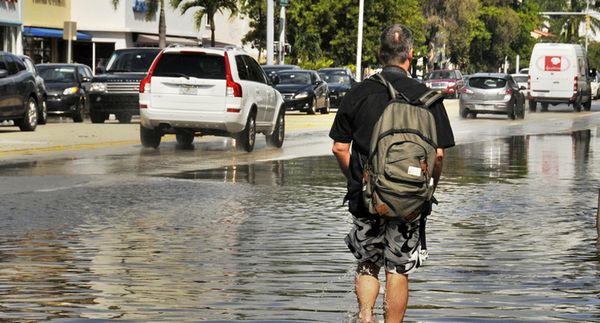
An alarming new study has found that, no matter what we do to fight climate change, it is already too late for more than 400 U.S. cities — including Miami and New Orleans — which will be overcome by rising sea levels caused by anthropogenic climate change. Under a worst-case scenario, New York could be unlivable by the year 2085. Most of the population in those cities live within five feet of the current high tide line.

We love extreme weather -- here's why

We love extreme weather -- here's why

Extreme weather events are becoming more frequent and more intense. For some, that's just fine.

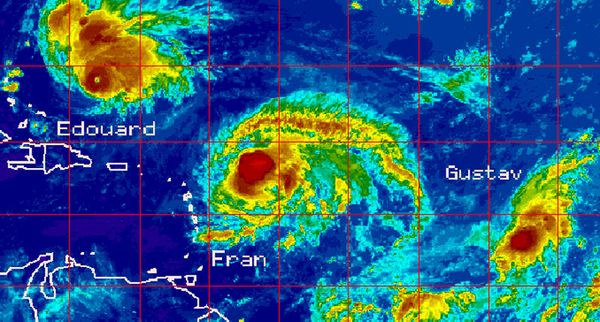
Last Monday, news of three major hurricanes was trending on Facebook. The National Oceanic and Atmospheric Association (NOAA) kept a growing number of online storm chasers informed with updates on the progress of Ignacio, Jimena and Kilo as they moved across the Pacific. Never before have three Category 4 hurricanes been active in the central and eastern Pacific basins at the same time.

Here's the dark side of McDonald's world-famous French fries

Here's the dark side of McDonald's world-famous French fries

The pesticides used on potato farms in rural Minnesota are harming human health and the environment.

There's no doubt that McDonald's french fries are, as the company regularly trumpets, "world famous." But like many who are touched by fame, those legendary taters have a dark side that remains largely hidden from public view. And this dark side has nothing to do with the obesity crisis.

Americans are dying from contaminated food -- but Congress doesn't seem to care

Americans are dying from contaminated food -- but Congress doesn't seem to care

A sweeping food safety reform bill was passed five years ago, but not a single new rule has yet been implemented — and people continue to die.

In 2010, after thousands of Americans were sickened by tainted spinach, peanut butter and eggs, Congress passed the Food Safety Modernization Act (FSMA), a sweeping reform bill that gave the Food and Drug Administration (FDA) new powers to help ensure the safety of the nation's food system. It was the nation's first major food policy legislation since FDR signed the Food, Drug and Cosmetic Act in 1938. But now, five years later, according to a recent POLITICO investigation, not a single one of the new rules has been implemented and the entire mission has a $276-million funding gap. So what happened?