Download Our App
STEAM Register avatar

STEAM Register

Stories By STEAM Register

Humans are destroying natural World Heritage Sites

Humans are destroying natural World Heritage Sites

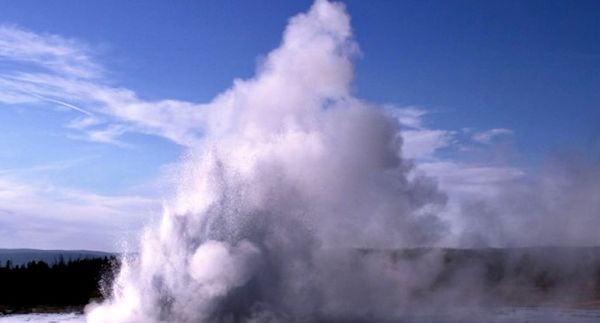
Lola Gayle, STEAM Register Natural UNESCO World Heritage Sites such as Yellowstone National Park in the United States are globally recognized as containing some of the Earth's most valuable natural assets. Despite this, a new University of Queensland-led study warns that more than a hundred of these sites are being destroyed by the encroachment of humans.…

Do solar storms cause whale, dolphin and porpoise strandings?

Do solar storms cause whale, dolphin and porpoise strandings?

Lori Keesey, NASA Goddard Space Flight Center A long-standing mystery among marine biologists is why otherwise healthy whales, dolphins, and porpoises - collectively known as cetaceans - end up getting stranded along coastal areas worldwide. Could severe solar storms, which affect Earth's magnetic fields, be confusing their internal compasses and causing them to lose their way?…

Galactic tug-of-war propels Milky Way through the universe

Galactic tug-of-war propels Milky Way through the universe

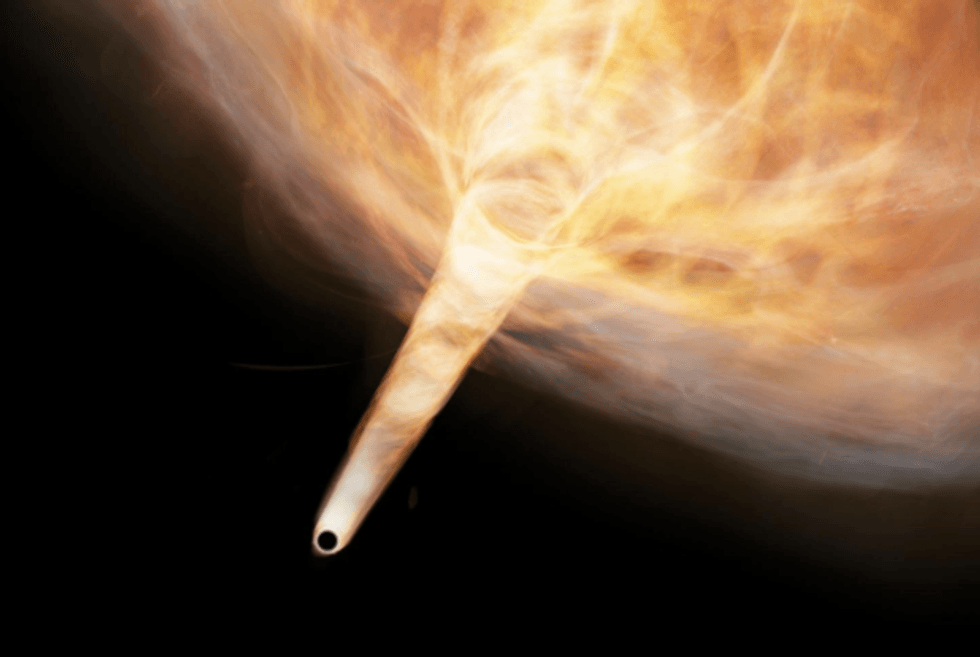
Lola Gayle, STEAM Register It's long been known that the Milky Way galaxy and its companion galaxy Andromeda are moving with respect to the expanding universe. This movement means that both galaxies will collide in the very distant future. But what exactly is propelling the Milky Way through space? According to new research published in Nature…

Maya collapse at Ceibal occurred in waves of warfare, political instability

Maya collapse at Ceibal occurred in waves of warfare, political instability

Lola Gayle, STEAM Register Ancient Mayans went through two periods of collapse. The first - called the Preclassic collapse - occurred in the second century A.D., and the second - called the Classic Maya collapse - occurred in the ninth century A.D., when many of the ancient civilization's cities were abandoned. While both events are still…

Fermi gamma-ray telescope discovers its most extreme blazars yet

Fermi gamma-ray telescope discovers its most extreme blazars yet

Lola Gayle, STEAM Register Astronomers using NASA's Fermi Gamma-ray Space Telescope have discovered five of the most distant gamma-ray blazars yet known, and two of them are hiding huge monsters at their centers. The light coming from the most distant object began its journey to us when the universe was 1.4 billion years old. To put…