Eating one freshwater fish caught in a river or lake in the United States is the equivalent of drinking a month's worth of water contaminated with toxic "forever chemicals", new research said on Tuesday.
The invisible chemicals called PFAS were first developed in the 1940s to resist water and heat, and are now used in items such as non-stick pans, textiles, fire suppression foams and food packaging.
But the indestructibility of PFAS, per- and polyfluoroalkyl substances, means the pollutants have built up over time in the air, soil, lakes, rivers, food, drinking water and even our bodies.
There have been growing calls for stricter regulation for PFAS, which have been linked to a range of serious health issues including liver damage, high cholesterol, reduced immune responses and several kinds of cancer.
To find out PFAS contamination in locally caught fish, a team of researchers analyzed more than 500 samples from rivers and lakes across the United States between 2013 and 2015.
The median level of PFAS in the fish was 9,500 nanograms per kilogram, according to a new study published in the journal Environmental Research.
Nearly three quarters of the detected "forever chemicals" was PFOS, one of the most common and hazardous of the thousands of PFAS.
Eating just one freshwater fish equalled drinking water with PFOS at 48 parts per trillion for a month, the researchers calculated.
Last year the US Environmental Protection Agency lowered the level of PFOS in drinking water it considers safe to 0.02 parts per trillion.
The total PFAS level in the freshwater fish was 278 times higher than what has been found in commercially sold fish, the study said.
'Greatest chemical threat'
David Andrews, a senior scientist at the non-profit Environmental Working Group which led research, told AFP he grew up catching and eating fish.
"I can no longer look at a fish without thinking about PFAS contamination," said Andrews, one of the study's authors.
The findings were "particularly concerning due to the impact on disadvantaged communities that consume fish as a source protein or for social or cultural reasons," he added.
"This research makes me incredibly angry because companies that made and used PFAS contaminated the globe and have not been held responsible."
Patrick Byrne, an environmental pollution researcher at the UK's Liverpool John Moores University not involved in the research, said PFAS are "probably the greatest chemical threat the human race is facing in the 21st century".
"This study is important because it provides the first evidence for widespread transfer of PFAS directly from fish to humans," he told AFP.
Andrews called for much more stringent regulation to bring an end to all non-essential uses of PFAS.
The study comes after Denmark, Germany, the Netherlands, Norway and Sweden submitted a proposal to ban PFAS to the EU's European Chemicals Agency on Friday.
The proposal, "one of the broadest in the EU's history," comes after the five countries found that PFAS were not adequately controlled, and bloc-wide regulation was needed, the agency said in a statement.
COLUMBIA, S.C. -- South Carolinians speak slower in general than most other Americans, a linguistic study shows. South Carolina ranked as the second slowest-talking state in an analysis by Preply, an online language learning platform. Louisiana came in as the top slowest speaking state. The study shows that the rate of speech in South Carolina is 4.8 syllables per second. Meanwhile, the average rate of speech in the U.S. is 5.09 syllables per second. Minnesota, the fastest talking state, has an average speech rate of 5.34 syllables per second. To try and identify the states with the slowest an...
A newly developed laser instrument will help NASA scour distant planets and moons for signs of alien life, researchers say. The high-tech tool, developed for NASA by University of Maryland researchers, only weighs about 17 pounds, making it light enough to be brought along on deep space explorations, according to a study published in the journal Nature on Jan. 16 and an accompanying news release. The tool is made up of two main components: an ultraviolet laser for excising samples from a planet’s surface and an ion analyzer that produces detailed information about the chemical makeup of the ma...
Scientists said Monday they have used a laser beam to guide lightning for the first time, hoping the technique will help protect against deadly bolts -- and one day maybe even trigger them.
Lightning strikes between 40-120 times a second worldwide, killing more than 4,000 people and causing billions of dollars worth of damage every year.
Yet the main protection against these bolts from above is still the humble lightning rod, which was first conceived by American polymath Benjamin Franklin in 1749.
A team of scientists from six research institutions have been working for years to use the same idea but replace the simple metal pole with a far more sophisticated and precise laser.
Now, in a study published in the journal Nature Photonics, they describe using a laser beam -- shot from the top of a Swiss mountain -- to guide a lightning bolt for more than 50 meters.
"We wanted to give the first demonstration that the laser can have an influence on lightning -- and it is simplest to guide it," said Aurelien Houard, a physicist at the applied optics laboratory of the ENSTA Paris institute and the study's lead author.
But for future applications "it would be even better if we could trigger lightning," Houard told AFP.
How to catch lightning
Lightning is a discharge of static electricity that has built up in storm clouds, or between clouds and the ground.
The laser beam creates plasma, in which charged ions and electrons heat the air.
The air becomes "partially conductive, and therefore a path preferred by the lightning," Houard said.
When scientists previously tested this theory in New Mexico in 2004, their laser did not grab the lightning.
That laser failed because it did not emit enough pulses per second for lightning, which brews in milliseconds, Houard said.
He added that it was also difficult to "predict where the lightning was going to fall".
For the latest experiment, the scientists left little to chance.
They lugged a car-sized laser -- which can fire up to a thousand pulses of light a second -- up the 2,500-meter peak of Santis mountain in northeastern Switzerland.
The peak is home to a communications tower that is struck by lightning around 100 times year.
After two years building the powerful laser, it took several weeks to move it in pieces via a cable car.
Finally, a helicopter had to drop off the large containers that would house the telescope.
The telescope focused the laser beam to maximum intensity at a spot around 150 meters in the air -- just above the top of the 124-metre tower.
The beam has a diameter of 20 centimeters at the beginning, but narrows to just a few centimeters at the top.
Ride the lightning
During a storm in the summer of 2021, the scientists were able to photograph their beam driving a lightning bolt for 50 around meters.
Three other strikes were also guided, interferometric measurements showed.
Most lightning builds up from precursors inside clouds, but some can come up from the ground if the electric field is strong enough.
"The current and power of a lightning bolt really becomes clear once the ground is connected with the cloud," Houard said.
The laser guides one of these precursors, making it "much faster than the others -- and straighter," he said.
"It will then be the first to connect with the cloud before it lights up."
This means that, in theory, this technique could be used not just to drive lightning away, but to trigger it in the first place.
That could allow scientists to better protect strategic installations, such as airports or rocket launchpads, by igniting strikes at the time of their choosing.
In practice, that would require a high conductivity in the laser's plasma -- which scientists do not think they have mastered yet.
The runaway collapse of the West Antarctic Ice Sheet -- which would trigger catastrophic sea level rise -- is not "inevitable", scientists said Monday following research that tracked the region's recent response to climate change.
As global temperatures rise, there is mounting concern that warming could trigger so-called tipping points that set off irreversible melting of the world's massive ice sheets and ultimately lift oceans enough to drastically redraw the world map.
New research published Monday suggests a complex interaction of factors affecting the melting of the West Antarctic Ice Sheet, which is home to the enormous and unstable Pine Island and Thwaites glaciers -- nicknamed the "Doomsday glacier" -- that together could raise global sea levels by more than three metres (10 feet).
Using satellite imagery as well as ocean and climate records between 2003 and 2015, an international team of researchers found that while the West Antarctic Ice Sheet continued to retreat, the pace of ice loss slowed across a vulnerable region of the coastline.
Their study, published in the journal Nature Communications, concluded that this slowdown was caused by changes in ocean temperatures that were caused by offshore winds, with pronounced differences in the impact depending on the region.
Researchers said that this raises questions about how rising temperatures will affect the Antarctic, with ocean and atmospheric conditions playing a key role.
"That means that ice-sheet collapse is not inevitable," said co-author Professor Eric Steig from the University of Washington in Seattle.
"It depends on how climate changes over the next few decades, which we could influence in a positive way by reducing greenhouse gas emissions."
The researchers observed that while in one region, in the Bellingshausen Sea, the pace of ice retreat accelerated after 2003, it slowed in the Amundsen Sea.
'Blink of an eye'
They concluded that this was down to changes in the strength and direction of offshore surface winds, which can change the ocean currents and disturb the layer of cold water around Antarctica and flush relatively warmer water towards the ice.
Both the North and South pole regions have warmed by roughly three degrees Celsius compared to late 19th-century levels, nearly three times the global average.
Scientists are increasingly concerned that the Pine Island and Thwaites glaciers have reached a "tipping point" that could see irreversible melting irrespective of cuts to greenhouse gas emissions.
Anders Levermann, a climate scientist at the Potsdam Institute for Climate Impact Research who was not connected to the latest study, welcomed the approach of bringing together multiple observations and records, although the study period was "the blink of an eye in ice terms".
"I think we still have to live and plan and do our sea level projections and coastal planning with a hypothesis that the West Antarctic Ice Sheet is destabilized and we will get three and a half meters of sea level rise just from this area of the planet alone," he said, adding however that this would happen "over centuries to millennia".
The United Nation's science advisory panel for climate change, the IPCC, has forecast that oceans will rise up to a metre by the end of the century, and even more after that.
Hundreds of millions of people live within a few meters of sea level.
While cutting planet-warming emissions is seen as the first and most important way to halt the melting of the West Antarctic ice sheet, scientists have also come up with an array of hi-tech suggestions for saving the gargantuan ice shelf and staving off.
Levermann has researched ideas including using snow cannons to pump trillions of tons of ice back on top of the frozen region.
Other suggestions have included constructing Eiffel Tower-sized columns on the seabed to prop it up from below, and a 100m-tall, 100-kilometer-long berm to block warm water flowing underneath.
A new experimental study in Austria found that presenting a man as a performer of music significantly increased his desirability as a date and his attractiveness to women. Presenting a female as a performer of music increased her desirability as a date to men. The study was published in Frontiers in Psychology. Scientists have long wondered about the origin and the social function of music. On the one hand, music is a universal phenomenon found in cultures across the world. On the other hand, musical behavior has no immediate survival value and it is, therefore, unclear how it evolved and beca...
The vast majority of people use one hand or the other for most things – and for nearly 90% of the human population this is the right hand. Some 10% to 13% of humans are left-handed, with men being three times more likely to be left-handed than women, though very few people are ambidextrous.
Until relatively recently, it was assumed that “handedness” was unique to humans, but studies of animals suggest that “handedness” may be a fundamental feature of all mammals. What is less clear is how this is displayed in animals and whether this is the same as human handedness.
A wide array of tests have been developed in an effort to determine whether the domestic dog displays any evidence of preferred paw use. Tasks have included stabilizing a toy, reaching for a food treat placed inside a container, or removing an object – such as a blanket or piece of sticky tape – from the animal’s body.
Other indicators include recording the first step taken to walk downstairs or the paw given to a person upon request.
Findings from studies using these tasks differ to some degree, although a recent meta-analysis concluded that, overall, dogs are more likely to be paw-preferent than ambilateral (what we call ambidextrous when talking about humans) – or to display no favored paw.
But, unlike in humans, paw preference appears to be roughly evenly split. Handedness in dogs is therefore specific to the individual, rather than the population.
Importantly, studies point to differences in paw use between tasks, with limb use dependent upon factors such as task complexity. For example, the commonly used “Kong ball” task, which requires the animal to stabilize a conical ball, generally yields a roughly equal number of left-pawed, right-pawed and ambidextrous responses.
By contrast, the “giving a paw” task, an exercise that involves a component of training and repetition, generates considerably more paw-preferent, than ambidextrous, responses.
Several studies point to strong sex differences in canine paw preference. Female dogs are more likely to be right-pawed, while males are more inclined to be left-pawed. This sex difference has been unearthed in other non-human species, including the domestic cat.
Why male and female animals should differ in their paw use is still unclear, although explanations include hormonal factors and differences in brain anatomy.
The link to animal welfare
While it can be great fun trying to find out if a pet dog is a leftie or rightie, establishing an animal’s side preferences could also be important from an animal welfare perspective. This is because paw preferences can give us an insight into the emotions an animal is feeling.
As in humans, the left side of a dog’s brain – which controls the right side of its body – is more concerned with processing positive emotions. By contrast, the right side of a dog’s brain – which controls the left side of the body – focuses more on negative emotions, such as fear or anxiety.
Assessing which paw a dog is using can therefore give us some insight into how that animal is feeling. A dog that uses its left paw to undertake a task, for example, might be experiencing more negative emotions than the individual that employs its right paw.
Studies have recently unearthed a relationship between paw preference and emotional reactivity in dogs. Our research points to left-pawed dogs being more “pessimistic” (in this case being slower to approach an empty food bowl placed in an ambiguous location on a cognitive bias task) than right-pawed or ambilateral animals.
Meanwhile, dogs with weaker paw preferences have been shown to react more strongly to the recorded sounds of thunderstorms and fireworks than animals with stronger paw preferences.
We have also found evidence of a link between canine paw preferences and personality, with ambilateral dogs scoring higher for traits of aggression and fearfulness than animals with strong paw preferences.
This may have implications for animal training. Indeed, there is some evidence that paw preference testing might be a useful predictor of which dogs go on to become successful guide dogs.
Assessing paw preferences may also serve to identify vulnerable individuals in stressful situations. For example, left-pawed dogs have been found to display greater signs of stress in rescue kennels than right-pawed animals.
At this stage, it would be foolhardy to rely only on paw preference testing as a measure of animal welfare risk. However, it has the potential to be a useful tool, particularly if considered alongside other welfare tests or employed in conjunction with other measures of asymmetry, such as tail wagging, sniffing behaviour and hair direction.
For example, dogs typically wag their tails to the left (indicating more positive emotions) when they see their owners, but to the right (suggesting more negative emotions) when they view an unfamiliar dominant dog. Further work in this area will not only help to develop our understanding of canine cognition, but will allow us to better look after and appreciate man’s best friend.
This idea has been repeated for decades by scientists and science communicators, including Sir David Attenborough in the 2001 documentary series The Blue Planet. More recently, in Blue Planet II (2017) and other sources, the Moon is replaced with Mars.
As deep-sea scientists, we investigated this supposed “fact” and found it has no scientific basis. It is not true in any quantifiable way.
So where does this curious idea come from?
Mapping the deep
The earliest written record is in a 1954 article in the Journal of Navigation, in which oceanographer and chemist George Deacon refers to a claim by geophysicist Edward Bullard.
A 1957 paper published in the Journal of the Royal Society of Arts states: “the deep oceans cover over two-thirds of the surface of the world, and yet more is known about the shape of the surface of the moon than is known about that of the bottom of the ocean”. This refers specifically to the scant amount of data available on the topography of the sea floor and predates both the first crewed descent to the deepest part of the ocean, the Mariana Trench (1960), and the first Moon landing (1969).
This quote also predates the practice of using ship-mounted echo-sounders to map the sea floor from acoustic data, known as swathe bathymetry.
Almost a quarter of the world’s sea floor (23.4%, to be precise) has been mapped to a high resolution. This amounts to about 120 million square kilometres, or about three times the Moon’s total surface area. This may be why the comparison has shifted to Mars, which has a surface area of 145 million square kilometres.
Almost a quarter of the world’s seafloor has been mapped in detail. GEBCO
Another related and incorrect comparison is that more people have set foot on the Moon than have visited the deepest place on Earth.
This statement is difficult to substantiate. “The deepest place on Earth” could refer to the Mariana Trench, or just the deepest part of it (the Challenger Deep, named for the British survey ship HMS Challenger).
The bathyscaphe Trieste was the first crewed vessel to reach Challenger Deep, in 1960.US Navy
So why do people keep saying we know more about the Moon or Mars than the deep sea?
It feels natural to compare the deep sea to space. Both are dark, scary and far away.
We see the Moon all the time – but the depths of the ocean are much harder to imagine. Unsplash
But we can see the Moon very easily by simply looking up. By being able to see it, we accept an apparently glowing rock hanging in the sky more easily than that parts of the ocean are very deep. We can see the Moon wax and wane and we can experience the push and pull of the tides.
It feels like we know more about the Moon than the deep sea, because we are forced to accept its presence. It intrudes on our lives in a tangible way that the deep sea does not.
We don’t think much about the deep sea unless we’re watching a documentary or horror film, or perhaps reading about some “horrific alien-like monster” dredged up by a deep-sea trawler.
A useful analogy
Because the deep sea is so physically inaccessible, comparing it to space may offer a useful analogy for an otherwise difficult-to-imagine ecosystem. But some deep-sea scientists argue that the persistent estrangement of the deep sea minimises the vast amount of research about it that has emerged in recent decades.
Deep-sea biology is relentlessly referred to as a discipline that knows less about its own field of study than a relatively small, barren rock devoid of atmosphere, water and life. And yet this self-deprecating line is repeated by scientists themselves, who may find that highlighting the deficit of knowledge about the deep sea helps to promote the need for ocean research.
Ultimately, the idea we know more about the Moon than the deep sea is at best about 70 years out of date. We know much more about the deep sea – but there is even more left to be known.
An eastern fence lizard basking in the sun feels a small red ant walk over its back. Not hungry, it ignores the insect. Soon there are lots of ants crawling up its legs, biting the scales that usually protect it and inserting their stingers in its soft underlying flesh.
Not having evolved with this threat, the lizard adopts its typical defensive posture of lying flat and closing its eyes, counting on its natural camouflage to protect it. This can be a deadly decision, though. As few as 12 of these ants can kill an adult lizard in less than a minute.
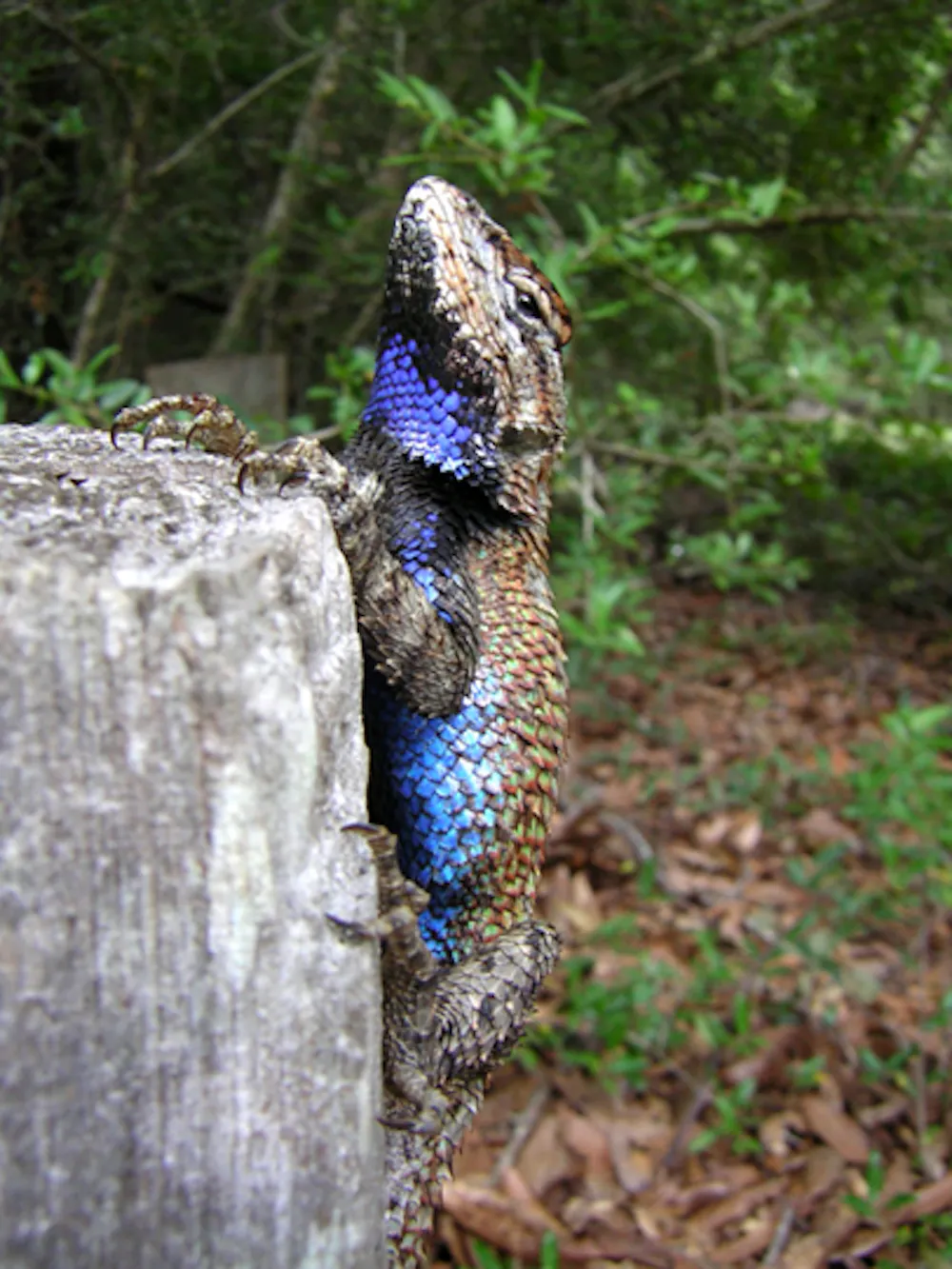
A male fence lizard showing off his throat and abdominal badges.Tracy Langkilde, CC BY-ND
Such interactions are now common in the southeastern United States, where native animals such as eastern fence lizards (Sceloporus undulatus) have shared their habitat with the invasive red imported fire ant (Solenopsis invicta) for decades.
Ourresearchgroup has been studying the interactions between these two species and how they change over time. These small lizards, about 6 inches (15 centimeters) from nose to the tip of the tail, have been native to the southeastern United States for thousands of years. Invasive red imported fire ants are originally from South America but were unintentionally introduced to the port of Mobile, Alabama, in the 1930s and have steadily spread northward – into the lizards’ territory – since their introduction.
We’re particularly interested in how animals may adapt to coexist with venomous species. The fire ants’ well-documented path of invasion, and the fact that they are currently restricted to just a portion of the lizards’ range, allows us to compare how lizards from ecologically similar areas differ based on the presence or absence of these fire ants. Overall it seems the lizards are learning to live with the invaders, adapting their behavior and bodies to better survive attacks from the ants and using them as a new food source.
Changing looks and behavior to survive attacks
Lizards and fire ants require a similar habitat to survive – open and often disturbed patches of land that let in sunlight. We’ve found that lizards don’t avoid areas where fire ants are and they don’t avoid their scent. It would be difficult to do, anyway, given how ubiquitous these ants are – within the areas they’ve invaded, fire ant mounds can dot the landscape every few meters.
Foraging fire ants can locate a basking lizard within minutes and quickly recruit other ants to attack. All is not lost for the lizard, however. Some do what you probably would when attacked by fire ants: flick them off and move away. This twitch-and-flee behavior removes scout ants, preventing them from recruiting reinforcements, and also gets rid of any other ant attackers.
Lizards can’t tell whether they have a potentially deadly fire ant crawling on them or if it’s something harmless like a fly. So, to be safe, they respond in the same way to anything that they feel climbing on their scales. Unfortunately, this shake-it-off behavior doesn’t solve all the lizards’ problems, since it breaks their usual camouflage, making them more obvious to visual predators like birds. We have observed more evidence of wounds in fire ant-adapted lizards. And a lizard that survives a fire ant attack can still die weeks to months later, though we’re not sure yet why.
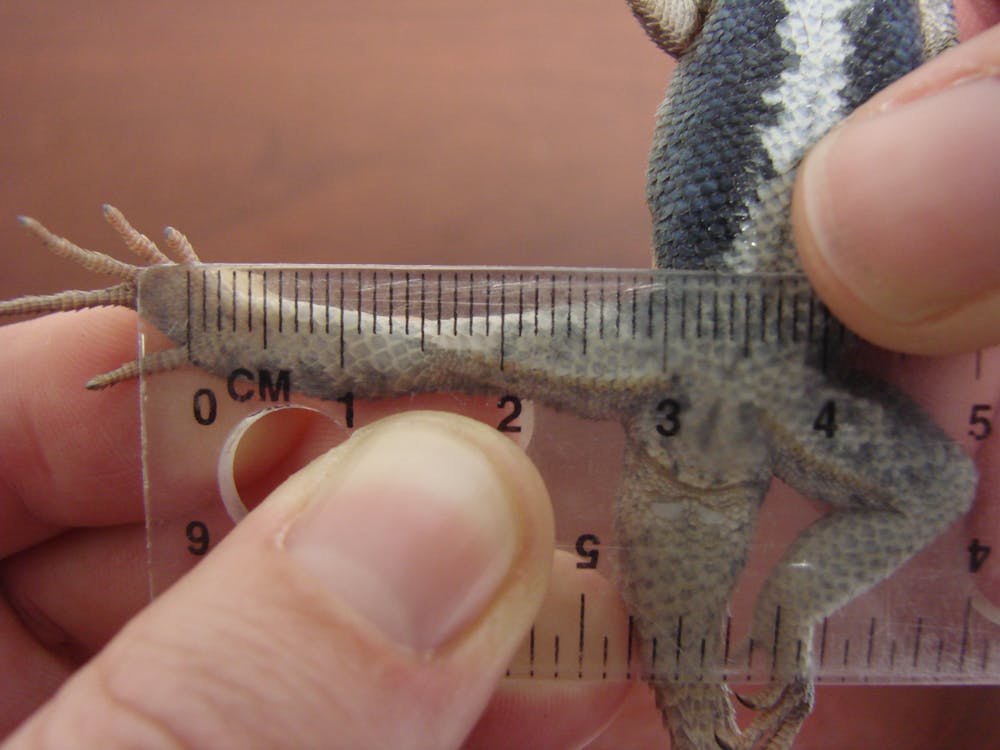
Careful measurements in the field find longer legs in lizard populations exposed to fire ants. Nisha Ligon, CC BY-ND
We find lizard populations that have been living with fire ants have adapted to have longer legs, which are better at removing fire ants when a lizard twitches and flees. This is a big shift for this species, reversing the latitudinal pattern we see in museum specimens – lizards tend to have shorter limbs the closer the population is to the equator. Since limb length can have important implications for how animals move around their environment, this anatomical change could have important consequences.
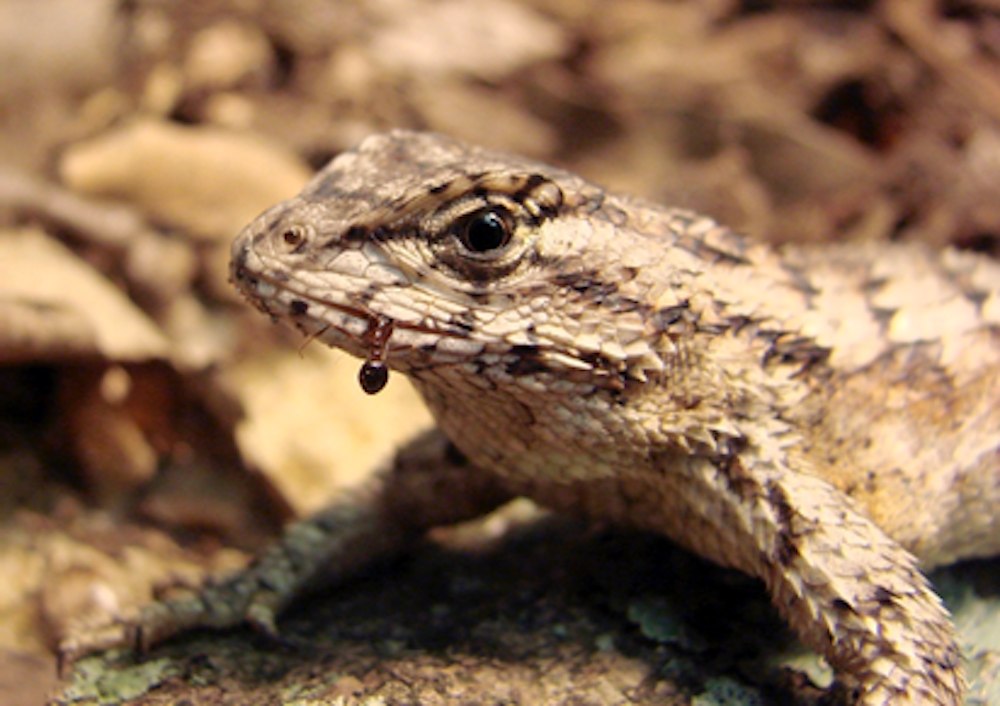
Potentially dangerous venomous stings don’t stop these lizards from learning to make a meal of the invasive fire ants.Tracy Langkilde and Travis Robbins, CC BY-ND
Venomous predator can also be prey
These lizards, especially when they are young, eat a lot of ants of various types. Eating a fire ant, though, can mean getting stung inside the mouth, which can make this a lethal meal. Baby lizards quickly learn to avoid eating fire ants, but this leads to their also avoiding their native ant diet, the consequences of which are unknown.
Adult lizards, on the other hand, are less vulnerable to succumbing to consumed fire ants and take advantage of this newfoodsource. So there’s an upside to these troublesome insect invaders for fence lizards.
Physiological changes triggered by fire ants
Lethal outcomes are the most striking consequence of interactions between fire ants and fence lizards, but that’s not the full story.
As you might imagine – or even have experienced – being stung by fire ants is stressful for lizards, as indicated by an increase in a stress-relevant glucocorticoid hormone following attack, just as you would experience after getting a scare.
We find that lizards that frequently experience fire ant attacks have a different “stress profile.” They have higherconcentrations of this stress hormone even while at rest. They show greaterincreases in glucocorticoids in response to a stressor and have differentbehavioral and immuneresponses to glucocorticoid exposure. While stress gets a bad rap, these hormones play an important role and in this case can trigger survival-enhancing behavioralresponses to fireants.
Eating fire ants is almost like getting a vaccine against their stings for lizards.
Lizards living with fire ants show changes to their immune systems. They have elevated levels of IgM antibodies that respond to fire ants and higher levels of a type of white blood cell that can help neutralize venom toxins. They also have decreased levels of other immune system components. Together, these immune differences may allow lizards to better coexist with fire ants, with the elevated immune measures being particularly useful when dealing with stings. Tailoring the immune system to survive fire ant attacks may, however, leave lizards more vulnerable to other immune challenges, such as viruses.
Getting stung over a period of time stimulates lizards’ skin immunity, which could guard against effects of skin damage. Additionally, feeding on fire ants that we’ve rendered in the lab incapable of stinging increases some immune measures in the lizards above what we see in lizards that were stung by fire ants. This bolstered immunity may then help lizards survive future stings. We think the elevated immunity we see in wild lizards in fire ant-invaded places may be caused by consumption of fire ants.
Injuries like this one to a forelimb appear to be more common in lizard populations that have adapted to the fire ants. Christopher Thawley, CC BY-ND
Animals adapt – but there can be consequences
The effects of invasive fire ant and eastern fence lizard interactions demonstrate how species can adapt to survive the presence of invasive predators. Behavioral shifts can allow animals to avoid or escape attack, and changes in morphology can make these strategies more effective. And eating venomous prey may provide immune protection against subsequent attack.
However, this research also illustrates that adaptations are not a panacea. While adapting to a changing world is clearly critical for survival, by its very nature this changes animals, pushing them off their original evolutionary trajectory and leaving them vulnerable to new threats. Getting a full picture of the consequences of the presence of a new threatening species, and of the changes that animals may need to make to survive them, is critical if scientists are going to be able to predict and manage the impact of invasive species on native communities.
By Gloria Dickie (Reuters) - One year on from the massive eruption of an underwater volcano in the South Pacific, the island nation of Tonga is still dealing with the damage to its coastal waters. When Hunga-Tonga-Hunga Ha'apai went off, it sent a shockwave around the world, produced a plume of water and ash that soared higher into the atmosphere than any other on record, and triggered tsunami waves that ricocheted across the region - slamming into the archipelago which lies southeast of Fiji. Coral reefs were turned to rubble and many fish perished or migrated away. The result has Tongans str...
Traditionally, cancer treatments like chemotherapy, immunotherapy, radiation and surgery focus on killing cancer cells. Another type of treatment using stem cells called differentiation therapy, however, focuses on persuading cancer cells to become normal cells.
We areresearchers who study how stem cells, or immature cells that can develop into different types of cells, behave in states of health and disease. We believe that stem cells can provide potential treatments for cancer of all types in many different ways.
How do stem cells contribute to cancer?
Stem cells are unspecialized cells, meaning they can eventually become any one of the various types of cells that make up different parts of the body. They can replenish cells in the skin, bone, blood and other organs during development, and regenerate and repair tissues when they’re damaged.
There are different types of stem cells. Embryonic stem cells are the first cells that initially form after a sperm fertilizes an egg, and can give rise to all other cell types in the human body. Adult stem cells are more mature, meaning they can replace damaged cells only in one type of organ and have a limited ability to multiply. Researchers can reprogram adult stem cells, or differentiated cells, in the lab to act like embryonic stem cells.
Cells become specialized over the course of development.
Because stem cells can survive longer than regular cells, they have a much higher probability of accumulating genetic mutations that can result in loss of control over their growth and ability to regenerate. This is why many tumors harbor a small subpopulation of cells that function like stem cells. These so-called cancer stem cells are thought to be responsible at least in part for cancer initiation, progression, metastasis, recurrence and treatment resistance.
What is differentiation therapy?
Accumulating evidence is also showing that cancer stem cells can differentiate into multiple cell types, including noncancerous cells. Researchers are taking advantage of this fact through a type of treatment called differentiation therapy.
The concept of differentiation therapy originated from scientists observing that hormones and cytokines, which are proteins that play a key role in cell communication, can stimulate stem cells to mature and lose their ability to regenerate. It followed that forcing cancer stem cells to differentiate into more mature cells could subsequently stop them from multiplying uncontrollably, making them become normal cells.
Differentiation therapy has been successful in treating acute promyelocytic leukemia, an aggressive blood cancer. In this case, retinoic acid and arsenic are used to block a protein that stops myeloid cells, a type of blood cell derived from the bone marrow, from fully maturing. By allowing these cells to fully mature, they lose their cancerous qualities.
Furthermore, because differentiation therapy doesn’t focus on killing cancer cells and doesn’t surround healthy cells in the body with harmful chemicals, it can be less toxic than traditional treatments.
There are many other potential ways to use stem cells to treat cancer. For example, cancer stem cells can be directly targeted to stop their growth, or turned into “Trojan horses” that attack other tumor cells.
Quiescent cancer stem cells, which don’t divide but are still alive, are another potential drug target. These cells typically play a big role in treatment resistance for various cancer types because they are able to regenerate and avoid death even better than regular cancer stem cells. Their quiescent quality can persist for decades and lead to a cancer relapse. They are also challenging to distinguish from regular cancer stem cells, making them difficult to study.
Researchers can also genetically engineer stem cells to express a protein that binds to a desired target in a cancer cell, increasing the efficacy of treatments by releasing drugs right at the tumor. For example, mesenchymal stem cells derived from bone marrow naturally migrate toward and stick to tumors, and can be used to deliver cancer drugs directly to cancer cells.
Stem cells can also be used to make organoid models, or miniature versions of organs, to screen potential cancer drugs and study the underlying mechanisms that lead to cancer.
Challenges in stem cell therapy
Although, stem cells hold numerous advantages in their use in cancer therapy, they also face various challenges. For example, many current stem cell therapies that aren’t used in combination with other drugs are unable to completely eliminate tumors. There are also concerns about stem cell therapies potentially promoting tumor growth.
Despite these challenges, we believe that stem cell technologies have the potential to open new avenues for cancer therapy. Integrating genetic engineering with stem cells can overcome the major drawbacks of chemotherapeutics, such as toxicity to healthy cells. With further research, cancer stem cell therapies may one day become part of the standard of care for many types of cancer.
The impact of vegan diets on our pets’ health produces heated debate from people on both sides.
But until now, we haven’t had a formal assessment of the scientific evidence. In new research published today in Veterinary Sciences we have brought together the health findings from 16 studies on dogs and cats fed vegan diets.
So, if you’re considering whether 2023 might be the year for your best (pet) friend to adopt a meat-free lifestyle, read on to find out the benefits and risks, and what we still don’t know.
An ethical diet?
In recent years, people in many parts of the world have been increasingly adopting vegetarian or vegan diets, spurred by ethical concerns for animal welfare, sustainability, or based on perceived health benefits.
Pet owners may also wish to feed their animals in accordance with these dietary choices. In fact, one study found that 35% of owners who did not feed their pets vegan diets would consider them, but found too many barriers. Principal concerns were nutritional adequacy, a lack of veterinary support and there being few commercially available vegan diets.
It has traditionally been considered that the feeding of vegan diets to species that are mainly carnivorous goes against their “nature” and leads to serious health impacts.
There has even been debate around whether the feeding of vegan diets to pets amounts to animal cruelty. But what does the science actually say?
Evolved from fierce desert predators, cats are obligate carnivores – they need meat as part of their diet and can’t digest plants. ittle plant/Unsplash
Necessary nutrients
Both dogs and cats are carnivores. Dogs are facultative carnivores, which means they can digest plant material and survive without meat, but may not thrive.
Cats on the other hand are obligate carnivores. By definition this means their diet contains more than 70% meat, and they cannot digest plant material.
The anatomy of the dog and cat gut also clearly points to their carnivorous lifestyles. Their teeth are designed to crush and grind meat, and hold prey. Their intestines are also short with a smaller capacity in relation to body size since, unlike herbivores, they do not need to ferment plant-based material to digest it.
A key concern with vegan pet diets is that the proteins from cereal grains or soy (the main plant-based proteins) contain fewer essential amino acids, e.g. omega 3 fatty acids or taurine, and do not have all the essential vitamins. These nutrients are necessary for maintaining good heart, eye and liver function.
But all of this considers vegan diets using an input-based approach – it’s based on predictions. If we really want to know the impact of these diets on health, we need to measure this in the animals.
Dogs are facultative carnivores, which means they could theoretically survive without meat, but that’s not the same as thriving.New Africa/Shutterstock
The evidence is lacking
We performed a type of study common in evidence-based practice, called a systematic review. These studies provide a summary of all the research on a topic; it is evaluated for quality, allowing us to give an assessment of how certain we can be when making recommendations based on the evidence.
Only 16 studies have looked at the health impacts of vegan diets in dogs and cats. Cats were only included in six of these, despite being the species most likely to suffer nutrient deficiencies.
A number of these studies used owner reports on health as the measured outcome, for example perception of health or body condition. These are likely to be subjective and could be prone to bias.
In the few studies that measured health directly through examining the animals or running laboratory tests, there was little evidence of adverse health impacts from vegan pet diets. Nutrient levels were generally within normal range, no heart or eye abnormalities were detected, and body and coat condition were normal.
However, it’s important to note these studies often involved low numbers of animals, with vegan diets only being fed to animals for a few weeks – so deficiency may not have had time to develop. Furthermore, the study designs were often ones considered less reliable in evidence-based practice, for example with no control groups used as a comparison.
Owners’ perceptions on the health benefits of the diets were overwhelmingly positive. Advantages cited were reduced obesity, better-smelling breath and reduced skin irritation. The only drawback was increased faecal volume, which seemed tolerable to most owners.
Many of the animals included in the vegan pet diet studies didn’t seem to suffer ill effects, but the quality of the evidence was low. Sarah Brown/Unsplash
Proceed with caution
Overall, it seems the jury is still out on whether feeding our carnivorous four-legged friends vegan diets is actually safe.
What we can be certain about is that both strong pro- or anti vegan pet feeding arguments are potentially misguided, and not backed by evidence.
For now, owners committed to feeding their pets a vegan diet should take a cautious approach. Use a complete and balanced commercial vegan diet formulation, and schedule regular health checks with a veterinarian.