Counties that are more religiously conservative have higher rates of infant mortality, according to a new study published in the May issue of the Journal for the Scientific Study of Religion.
Researchers analyzed rates of infant deaths and cross-checked that data with whether an area had a greater number of conservative Protestants, or leaned towards mainline Protestants and Catholics.
Sociologist Ginny Garcia-Alexander, a lead author of the study, examined the number of deaths from four weeks through the first year. She explained in a Portland State University research update that babies who die during that period of development die because of birth defects, which tend to be prevented by advances in medical knowledge. Previous studies have shown that communities that lean towards religious fundamentalism might be more likely to reject scientific advances.
Later in life child mortality is linked to outside factors like poverty.
"This is continuing to show us that there are things that we can do in our communities to improve health outcomes," Garcia-Alexander said.
"And to the extent that people who belong to religious organizations are aware of that, knowing that you are a communicator of health information, that can be a really valuable way to harness the power of the group and the community to communicate helpful practices for infant health and public health interventions."
This article is published in collaboration with researchers from the ISYEB (Institut de Systématique, Évolution, Biodiversité, Muséum national d'Histoire naturelle, Sorbonne Universités). Each month, they publish an article describing new species and cataloguing living organisms.
One of the consequences of globalisation and increased international trade in goods is the introduction of invasive species. In France, we have seen recently the arrival and proliferation of the “devil bug”, the Asian hornet and the Siberian chipmunk, as well as land flatworms such as Platydemus manokwari (from New Guinea) and Obama nungara (from South America).
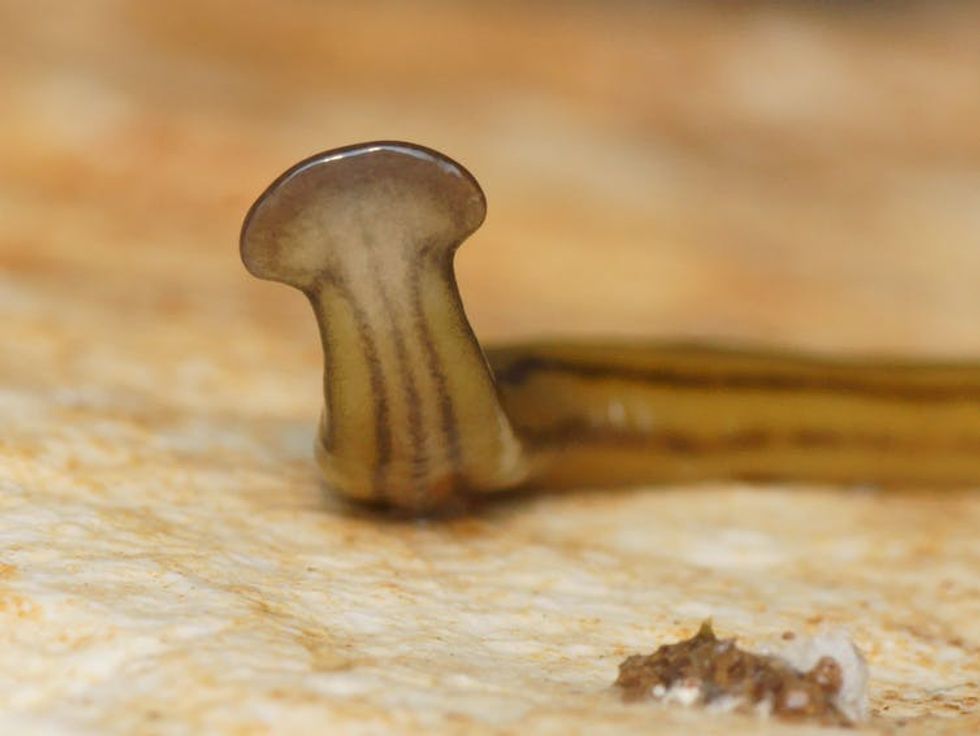
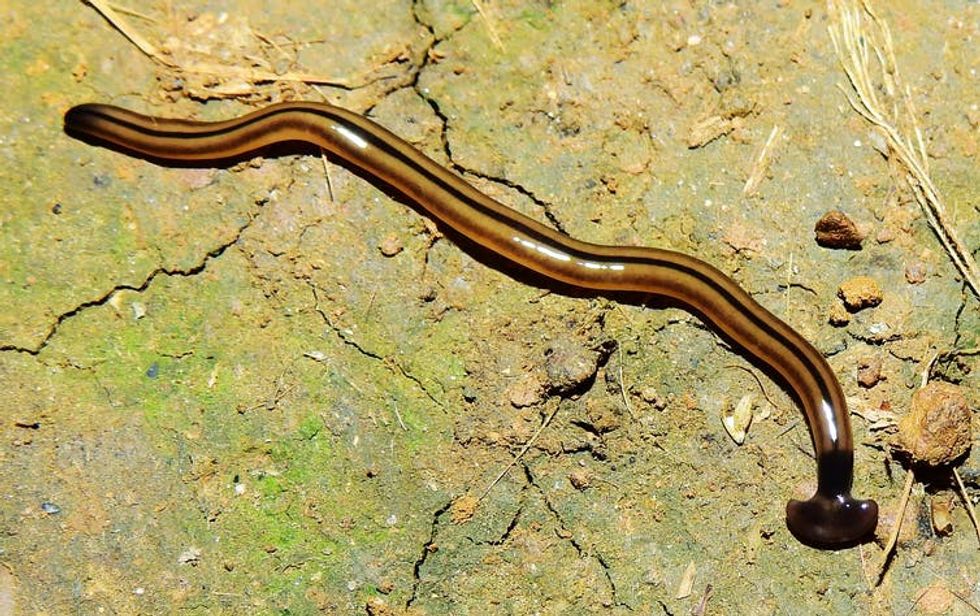
These flatworms, which move from continent to continent as plants and soil are transported, are generally of modest size, about 5 cm long – they can be held in the hand, although it is a bad idea to touch them. Among them, however, is a group of “giant” species, all of which have a “hammerhead”: the bipaliines, belonging to the genera Bipalium and Diversibipalium. The largest can reach 1 metre in length, and are mostly from Asia.
40 centimetres long
Our team has just published the results of five years of work with the help of citizen scientists, who sent us photographs and also specimens. More than 700 reports of land flatworms were received, of which more than 100 were bipaliines. Two of the species present in France, and sometimes very abundant, can reach 40 cm long. Think about this before you continue: if you’re reading this article on your laptop, 40 cm is easily longer than your screen is wide…
The head of Diversibipalium multilineatum. This species can reach 40 cm in length.
Land flatworms consume soil fauna and pose a threat to soil biodiversity and ecological balance. Species of Bipalium feed on earthworms, and are able to kill and eat prey much larger than themselves. To do so, the Bipalium have a chemical armament including tetrodotoxin, one of the most powerful neurotoxins in the world, a thousand times more so than cyanide. Tetrodotoxin is the weapon of choice of the fugu, the poisonous fish beloved in Japan and eaten very carefully.
While our survey of land flatworms was originally intended only for mainland France, we received reports from the French overseas territories of Guadeloupe, Martinique, Saint Martin, Saint Barthélemy, French Guiana, Réunion, Mayotte and Polynesia, as well as from countries such as Switzerland, Monaco and Portugal. Unexpectedly, some of the citizens’ testimonials date back 20 years, as volunteers sent us older photographs and even videos from as far back to 1999.
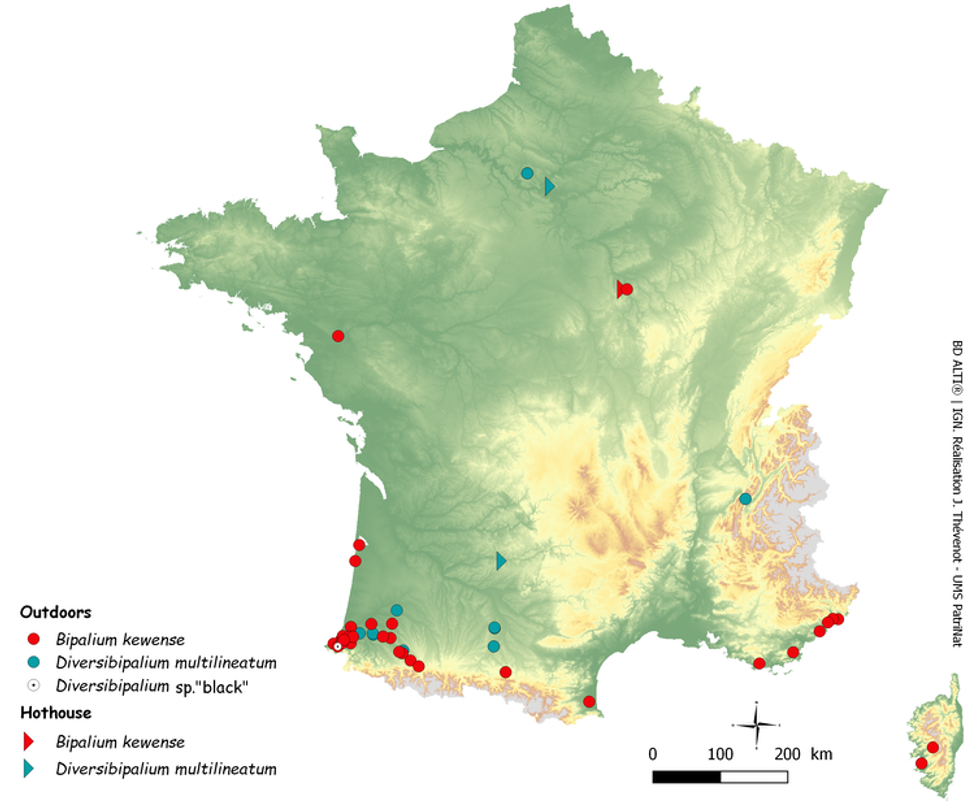
In France, the two dominant species are Bipalium kewense and Diversibipalium multilineatum, which can reach 40 cm in length. Curiously, Bipalium kewense was also found in Guadeloupe, Martinique and French Guiana. A relatively small species, Bipalium vagum, has been found in several islands of the West Indies, French Guiana and Reunion, but not in metropolitan France. An unknown species, “black” Diversibipalium, was found in France, in a single location. A probably new species, “blue” Diversibipalium, was found only in Mayotte; this species is particularly spectacular with its iridescent turquoise colour.
The Pyrénées-Atlantiques, a small paradise for giant worms…
In France itself, most of the bipaliines were found in the south, but very curiously, almost half of the reports come from a single department: the Pyrénées-Atlantiques, especially in the coastal area between Bayonne and the Spanish border. Land flatworms, which come from the semitropical regions of Asia, have two enemies: cold in winter and drought in summer. It seems that the Pyrénées-Atlantiques, with their mild winters and never-quite-dry summers, are a little paradise for them.
Reports of bipaliines in mainland France, obtained thanks to citizen scientists.
Our molecular studies show that species found in several localities around the world are perfectly homogeneous from a genetic point of view, even when the specimens come from several continents. These species do not practice sexual reproduction and each individual is therefore a clone of its parent: a small piece detaches from the posterior part of the animal and turns into an adult, a phenomenon called fission. Asexual reproduction is a way for an alien species to quickly invade a territory. It also means that every worm is, in a sense, potentially immortal.
Scientists should be concerned
When we started working on this initiative in 2013, we did what every scientist does at the beginning of a new project – we looked for articles written by other scientists on the subject. To our astonishment, we found almost nothing on this subject in France, even though the invasion began more than 20 years ago. It seems paradoxical that the invasion of Europe by spectacular and highly visible animals that are also potentially dangerous for biodiversity had not attracted the attention of any scientist or institution up to now.
Bipalium vagum, present in most French territories in the tropics, photographed here in French Guiana.
Citizens sometimes told us about their having brought specimens to research centres or universities only to have their fanciful identifications dismissed out of hand (“These are nothing but leeches, not interesting at all”). It is clear that efforts need to be made to better educate not only the public, but also scholars about the land flatworms. That said, those who couldn’t identify them 20 years ago had an excuse – they weren’t there.
The results of our study have been published in English, as is the general practice in science these days. To inform the public in France and its overseas territories, we have also written a full version in French of our article on the bipaliines, as we did, in 2013, for the arrival of Platydemus manokwari. Now, no more excuses!
And what of France’s European neighbour, the United Kingdom? Has it been spared from such invaders? Well, yes… and no. There are not yet any reports of the giant Bipalium or Diversibipalium flatworms in British gardens, the weather likely being too cold for these semitropical animals. But one species features a scientific name with a very English origin, Bipalium kewense – in Latin it means “from Kew”, because it was described in 1878 from specimens found in a hothouse of the Kew botanical gardens, near London. So there are giant flatworms present, but probably only in the hothouses. Other invasive flatworms have made the UK their home, however, including the New Zealand flatworm, Arthurdendyus triangulatus, which has decimated native earthworms since the 1980s. Adding insult to injury, the British Isles are the only place in Europe where this highly destructive species is established.
This article is part of a three-part package exploring immunity and infectious diseases around the world.
Human beings are large, complex, multicellular, multi-organ systems. We reproduce slowly and rely on a breadth of mechanisms that allow us to control the myriad of rapidly replicating, simple life forms that have evolved to live in or on us.
The system of defence is referred to collectively as immunity.
The word itself comes from the Latin immunis, describing the status of returned soldiers (Genio immunium) in the Roman state who were, for a time, exempt from paying taxes.
Our immunity protects us from many illnesses, including some forms of cancer. New cancer therapeutics, called immunotherapies, work by boosting our immune cells to fight cancer cells that have found ways to evade them.
The immune system is divided into two interactive spheres, the much older “innate” sphere, and the more recently evolved “adaptive” sphere. A primary challenge for the very specifically targeted cells that form the basis of adaptive immunity is to distinguish “self” (our own body cells and tissues) from “non-self” – the foreign invaders. When that goes wrong, we can develop autoimmune diseases such as multiple sclerosis or rheumatoid arthritis.
The human body is host to many organisms over a lifetime. Some are dangerous to health (pathogens), some are benign, and some are necessary for proper functioning.
Most of the genetic material we carry around with us is “non-self”: principally harmless bacteria (called “commensals”) that live in the gastrointestinal tract.
Traditionally, studies focused on the “bad bugs” in our gut that cause diarrhoea and dysentery. But more recently, we’re learning there are also good guys. And there’s a general consensus we need to know more about the “microbiome”, the mass of bacteria in any “clinically normal” gut.
Gut bacteria provide essential vitamin B12 and when they die, release myriad proteins that will be broken down into amino acids, which the body needs. About 30% of our poo is comprised of dead bacteria.
Apart from our microbiome, normal human beings also have a substantial “virome”. Viruses differ from bacteria (which are cells in their own right) in that they are much simpler and can only replicate in living cells.
The greatest number of viruses we carry around are the “bacteriophages”, which infect the commensal bacteria in our gut. Not all “phages” are, however, benign. For example, the toxin that causes human diphtheria is encoded in the genome of a bacteriophage.
There’s also a spectrum of viruses that persistently infect our body tissues. The most familiar are herpes viruses, like those that cause cold sores (H. simplex) and shingles (H. zoster). Both viruses hide out in the nervous system and are normally under immune control. They re-emerge to cause problems as a consequence of tissue stress (such as a sunburnt lip) or as immunity declines with age (shingles). This is why a booster shingles vaccine is recommended for the elderly.
The innate system ranges from processes as basic as phagocytosis (ingestion of bacteria), to molecules like the interferons produced by any virus-infected cell that can limit replication. Such innate systems are found right across the evolutionary spectrum and don’t target specific pathogens.
The much younger adaptive immune system is what we stimulate with vaccines. A property of small white blood cells called lymphocytes, it divides broadly into two lineages: the B cells and T cells. These bear the extraordinarily diverse and very specific immunoglobulin (Ig) and T cell receptor (TCR) recognition molecules that detect invading pathogens (bacteria, virus, fungi and so on).
The immunoglobulins bind to “non-self” (foreign) proteins called “antigens”, while the T cell receptors are specifically targeted to “self” transplantation molecules.
The assassins of the immune system are then switched on; the killer T cells that eliminate virus-infected (or cancer) cells. Also activated are the “helper” T cells that secrete various molecules to “help” both the B cells and killer T cells differentiate and do their work.
All lymphocyte responses work by massive cell division in the lymph nodes (the “glands” in our neck that swell when we get a sore throat). This process is started by small numbers of “naive” B and T cells that haven’t encountered the invader before, and only stops when the foreign invader is eliminated.
The B cells differentiate into large protein-secreting cells called plasma cells, which produce the protective antibodies (immunoglobulins) that circulate for years in our blood.
Most of the T cells die off after they’ve done their job, but some survive so they can remember how to target specific invaders. They can be rapidly recalled to their “killer” or “helper” function.
Prior infection or the administration of non-living or “attenuated” (to cause a very mild infection) vaccines sets up the memory so protective antibodies are immediately available to bind (and neutralise) pathogens like the polio or measles virus. While immune T cells are rapidly recalled to “assassin” status and eliminate pathogen-infected cells.
As you may have gathered from this very brief and far too simplified account, the immune system is extraordinarily complex. And it’s also very finely balanced with, for example, cross reactive responses to bacterial proteins sometimes setting us up for autoimmune diseases.
Another example of autoimmunity is rheumatoid arthritis, which can be triggered by blood-borne chemicals from tobacco smoke that modify “self” transplantation molecules in the joints.
And when we talk about the possible effects of the microbiome, or the “too clean” hypothesis, we’re discussing how exposure to bacteria and viruses can modify that immune balance in ways that directly affect our wellbeing. This is a very active area of research which, given the underlying complexity, presents scientists with big challenges as we seek to reach verifiable conclusions.
Published today, our new paper describes a spectacular 400 million-year-old 3D-preserved fossil fish, Ligulalepis.
The 3D anatomy of the fossilised Ligulalepis skull reveals previously unknown details of the pattern of dermal skull bones, the shape of the brain cavity, and other soft tissue features (such as nerves and blood vessels) in this species.
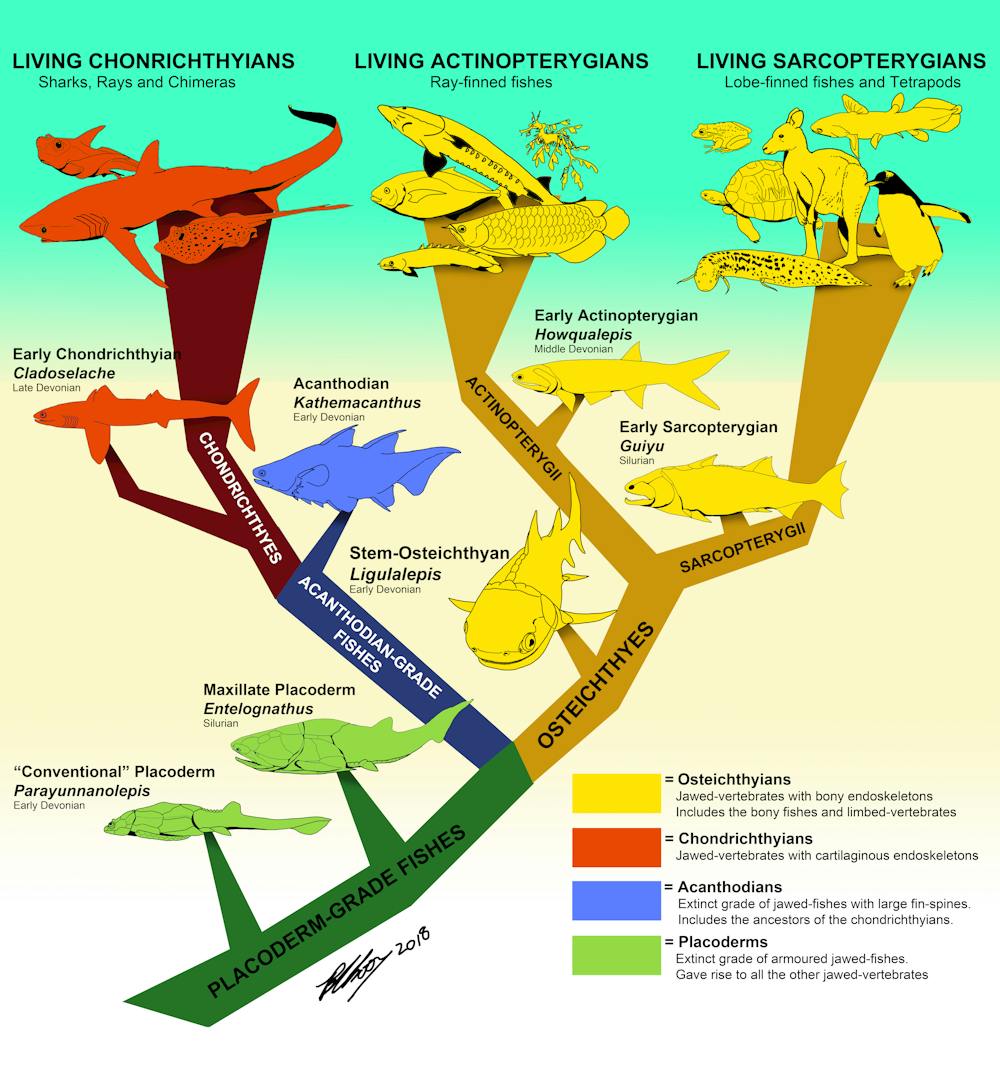
Why are we so excited about discovering the structure of an ancient fish skull? Because Ligulalepis sits in a very important position in the vertebrate evolutionary tree.
A: skull of Ligulalepis viewed from the left side; and B: space for the brain (cranial endocast) also shown in left lateral view.
Alice Clement
Boney fishes - and us
Fishes are the most diverse group of backboned animals (vertebrates) on the planet, with roughly 30,000 known species.
The vast majority of these (around 98%!) are bony fishes or osteichthyans. These includes most of fishes we like to eat, such as salmon, tuna and trout, as well as fishes we keep as pets, like goldfishes and guppies. These are called ray-finned fishes (actinopterygians) as their fins are supported by bony rods called fin-rays.
The other major group of bony fishes have robust lobe-fins (sarcopterygians), a group that contains the living lungfishes and coelacanths, as well as several extinct groups.
Sarcopterygians are an important group because the first four-legged land animals, the tetrapods, evolved from them. Today we can regard all living tetrapods (amphibians, reptiles, birds and mammals) as a subgroup within the bony fishes.
An exciting new find
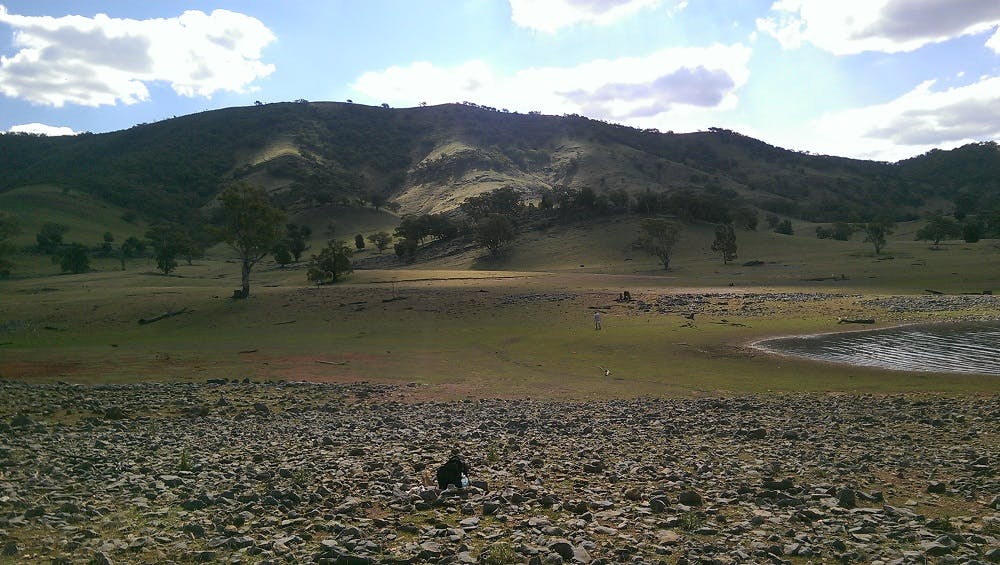
The first discovery of the fish called Ligulalepis was a tiny fossil fish skull found in limestone near Wee Jasper in New South Wales about 20 years ago.
It has fuelled debate around early osteichthyan evolution ever since, without any clear resolution as to where this enigmatic fish sits in the family tree.
Then, about two years ago, a second skull of this fish was discovered by a Flinders University student, Benedict King. The specimen was found in the same limestone outcrops near Wee Jasper. It was also preserved in 3D, but was even more complete than the original specimen.
Both known Ligulalepis fossils were found in limestone outcrops at Wee Jasper, NSW.
Both the old and new skulls were the focus of our new paper. Our team first prepared the tiny more recent specimen (less than 2cm in length) out of the rock using using weak acetic acid to expose the bone, as the carbonate rock dissolved.
Then we used micro computed tomography (CT) scanning to visualise the skeletal anatomy of the two known Ligulalepis specimens. Powerful X-rays pass through the bones to reveal many hidden features inside the skulls.
The scans revealed a perplexing mixture of characters in the skulls of these fish. Some features, like the shape of the inner ear canals, seemed to belong to cartilaginous fishes such as sharks. Other features, like the overall shape of the brain case, were clearly osteichthyan (bony fish) characters.
The pattern of bones that form the skull roof was an unexpectedly primitive feature also seen in an extinct group of jawed fishes called placoderms.
The CT technique enabled us to reconstruct what the brain cavity of this 400 million year old fish looked like, allowing us to digitally restore the brain shape for the first time (see video below).
A digital view of the Ligulalepis brain.
A complicated family tree
Prior to our detailed analysis of this skull, some scientists considered Ligulalepis to be closely related to the ray-finned fishes. Others placed it alongside lobe-finned fishes.
Its unique position on the tree of life means that Ligulalepis provides great insight into what the ancestor of the two major radiations of bony fishes looked like. Furthermore, the detailed analysis of its newly revealed characters helps to clarify the early evolutionary radiation of all animals with a bony skeleton - including us humans.
The position of Ligulalepis in the evolutionary family tree at the base of the osteichthyan radiation. Image by Brian Choo.
Brian Choo
Missing fossils
Most modern fish are ray-finned fish (actinopterygians), with around 29,000 living species. Their origins can be confidently dated back to the Middle Devonian, around 390 million years ago with fishes like Cheirolepis from Scotland.
However the existence of the related group “lobe-fins” (sarcopterygians) is much older, with early representatives of that group such as Guiyu, from China, dated at about 430 million years ago. This suggests there are some parts of the early fish fossil record that are poorly understood.
Our fossil and the new analyses we have performed helps to resolve the big question about what the ancestor of all modern bony fishes looked like. It also illustrates the sequence of changes these early fish went through to achieve their modern “body plan”.
Also, our analyses show that Ligulalepis was the closest known species to a peculiar group of early lobe-finned fish called “psarolepids” known only from China. It supports the hypothesis that the first early boney fish originated and radiated in China, then migrated out via East Gondwana (Australia and Antarctica), the part of the southern supercontinent closest to the ancient Chinese terrains.
Our findings highlight that the evolutionary family tree of the first bony fishes is much more complicated than we had thought, demonstrating the importance of palaeontology to help us more accurately understand our distant origins.
Today, there is a crisis of trust in science. Many people – including politicians and, yes, even presidents – publicly express doubts about the validity of scientific findings. Meanwhile, scientific institutions and journals express their concerns about the public’s increasing distrust in science. How is it possible that science, the products of which permeate our everyday lives, making them in many ways more comfortable, elicits such negative attitudes among a substantial part of the population? Understanding why people distrust science will go a long way towards understanding what needs to be done for people to take science seriously.
Political ideology is seen by many researchers as the main culprit of science skepticism. The sociologist Gordon Gauchat has shown that political conservatives in the United States have become more distrusting of science, a trend that started in the 1970s. And a swath of recent research conducted by social and political psychologists has consistently shown that climate-change skepticism in particular is typically found among those on the conservative side of the political spectrum. However, there is more to science skepticism than just political ideology.
The same research that has observed the effects of political ideology on attitudes towards climate change has also found that political ideology is not that predictive of skepticism about other controversial research topics. Work by the cognitive scientist Stephan Lewandowsky, as well as research led by the psychologist Sydney Scott, observed no relation between political ideology and attitudes toward genetic modification. Lewandowsky also found no clear relation between political conservatism and vaccine skepticism.
So there is more that underlies science skepticism than just political conservatism. But what? It is important to systematically map which factors do and do not contribute to science skepticism and science (dis)trust in order to provide more precise explanations for why a growing number of individuals reject the notion of anthropogenic climate change, or fear that eating genetically modified products is dangerous, or believe that vaccines cause autism.
My colleagues and I recently published a set of studies that investigated science trust and science skepticism. One of the take-home messages of our research is that it is crucial not to lump various forms of science skepticism together. And although we were certainly not the first to look beyond political ideology, we did note two important lacunae in the literature. First, religiosity has so far been curiously under-researched as a precursor to science skepticism, perhaps because political ideology commanded so much attention. Second, current research lacks a systematic investigation into various forms of skepticism, alongside more general measures of trust in science. We attempted to correct both oversights.
People can be skeptical or distrusting of science for different reasons, whether it is about one specific finding from one discipline (for example, ‘The climate is not warming, but I believe in evolution’), or about science in general (‘Science is just one of many opinions’). We identified four major predictors of science acceptance and science skepticism: political ideology; religiosity; morality; and knowledge about science. These variables tend to intercorrelate – in some cases quite strongly – which means that they are potentially confounded. To illustrate, an observed relation between political conservatism and trust in science might in reality be caused by another variable, for example religiosity. When not measuring all constructs simultaneously, it is hard to properly assess what the predictive value of each of these is.
So, we investigated the heterogeneity of science skepticism among samples of North American participants (a large-scale cross-national study of science skepticism in Europe and beyond will follow). We provided participants with statements about climate change (eg, ‘Human CO2 emissions cause climate change’), genetic modification (eg, ‘GM of foods is a safe and reliable technology’), and vaccination (eg, ‘I believe that vaccines have negative side effects that outweigh the benefits of vaccination for children’). Participants could indicate to what extent they agreed or disagreed with these statements. We also measured participants’ general faith in science, and included a task in which they could indicate how much federal money should be spent on science, compared with various other domains. We assessed the impact of political ideology, religiosity, moral concerns and science knowledge (measured with a science literacy test, consisting of true or false items such as ‘All radioactivity is made by humans’, and ‘The centre of the Earth is very hot’) on participants’ responses to these various measures.
Political ideology did not play a meaningful role when it came to most of our measures. The only form of science skepticism that was consistently more pronounced among the politically conservative respondents in our studies was, not surprisingly, climate-change skepticism. But what about the other forms of skepticism, or skepticism of science generally?
Skepticism about genetic modification was not related to political ideology or religious beliefs, though it did correlate with science knowledge: the worse people did on the scientific literacy test, the more skeptical they were about the safety of genetically modified food. Vaccine skepticism also had no relation to political ideology, but it was strongest among religious participants, with a particular relation to moral concerns about the naturalness of vaccination.
Moving beyond domain-specific skepticism, what did we observe about a general trust in science, and the willingness to support science more broadly? The results were quite clear: trust in science was by far the lowest among the religious. In particular, religious orthodoxy was a strong negative predictor of faith in science and the orthodox participants were also the least positive about investing federal money in science. But notice here again political ideology did not contribute any meaningful variance over and beyond religiosity.
From these studies there are a couple of lessons to be learned about the current crisis of faith that plagues science. Science skepticism is quite diverse. Further, distrust of science is not really that much about political ideology, with the exception of climate-change skepticism, which is consistently found to be politically driven. Additionally, these results suggest that science skepticism cannot simply be remedied by increasing people’s knowledge about science. The impact of scientific literacy on science skepticism, trust in science, and willingness to support science was minor, save for the case of genetic modification. Some people are reluctant to accept particular scientific findings, for various reasons. When the aim is to combat skepticism and increase trust in science, a good starting point is to acknowledge that science skepticism comes in many forms.
Bastiaan T Rutjens
This article was originally published at Aeon and has been republished under Creative Commons.
American astronaut Alan Bean, who walked on the moon in 1969 during the Apollo 12 mission and commanded a crew on the Skylab space station in 1973 before giving up his career to become a full-time painter, died in Houston on Saturday, officials said.
Bean, 86, a former U.S. Navy test pilot who became one of only 12 people ever to set foot on the moon, died at Houston Methodist Hospital, his family said in a statement released by the National Aeronautics and Space Administration (NASA). He had fallen ill two weeks ago while traveling in Fort Wayne, Indiana.
“Alan was the strongest and kindest man I ever knew. He was the love of my life and I miss him dearly,” said Leslie Bean, Bean’s wife of 40 years, in a statement. “A native Texan, Alan died peacefully in Houston surrounded by those who loved him.”
Leaving his footprints on a region called the Ocean of Storms, Bean in November 1969 became the fourth man to walk on the moon as one of the astronauts on the second of NASA’s lunar landing missions, Apollo 12.
For the 40th anniversary of the Apollo 11’s moon landing, Bean exhibited his paintings of lunar scenes at the Smithsonian Institution’s National Air and Space Museum in Washington.
Bean’s lunar quest came just four months after American Neil Armstrong became the first human to walk on the moon in NASA’s historic Apollo 11 mission in July 1969.
Bean served as lunar module pilot on Apollo 12. He and crew mate Pete Conrad explored the moon’s surface and conducted experiments while Richard Gordon orbited overhead in the command module, scouting landing sites for future moon missions.
“I remember once looking back at Earth and starting to think, ‘Gee, that’s beautiful.’ Then I said to myself, ‘Quit screwing off and go collect rocks.’ We figured reflection wasn’t productive,” Bean told People magazine in 1981.
The mission was a success, even though it started with a jolt. Shortly after liftoff, the rocket was struck by lightning but the crew was able to continue the three-day flight to the moon. Bean and Conrad spent more than 31 hours on the lunar surface, including more than seven hours working outside of the module.
In 1973, Bean commanded the second mission to Skylab, the first U.S. space station. Along with crew mates Owen Garriott and Jack Lousma, he spent 59 days in low-Earth orbit.
Bean later played a key role in preparing future astronauts, serving in that role until the first flight of the space shuttle in 1981. He even worked with “Star Trek” actress Nichelle Nichols on outreach efforts to prospective astronauts.
‘LIVE YOUR DREAM’
His decision in 1981 to give up his NASA career to become a full-time artist surprised some of his colleagues.
“You have to live your dream even if other people think it’s screwed up,” Bean told a 2010 NASA oral history interview. “About half the astronauts thought it was a midlife crisis or something. The other half, the ones that were more right-brain, thought it was a pretty good idea.”
Bean remembered telling a senior NASA official named George Abbey the reason he was leaving the space agency.
“I said, ‘I’m going to be an artist,’” Bean recalled. “If he hadn’t had the window behind him, he would have gone over backwards. ... His first comment: ‘Can you earn a living at that?’ ... I said, ‘I don’t know, but if I can’t I’m going to go to work at Jack in the Box (the fast-food hamburger chain).”
Working at his home in Houston, Bean created paintings that focused on the Apollo missions, with images of himself and other astronauts on the moon rendered with the authenticity in lighting and color that only an eyewitness could provide. His paintings sold for tens of thousands of dollars apiece.
His former colleagues became admirers. Armstrong once said, “Alan Bean and his ‘astroartistry’ recreate the drama and excitement of man’s exploration of the moon as only could be chronicled by one who has been there.”
“I think I would like to be remembered in the end as an astronaut and an artist,” Bean told People. “I think everyone can do more than one thing with his life.”
Bean was born on March 15, 1932, in Wheeler, Texas, and grew up in Fort Worth. He aspired to become a pilot and started flight training at age 17. He earned a degree in aeronautical engineering at the University of Texas, then was commissioned as an officer in the Navy.
He trained as a Navy test pilot under Conrad, who years later during their astronaut days played a key role in getting Bean designated for the Apollo 11 mission.
The retired Navy captain lived with his wife, Leslie, in Houston. He had two children by a previous marriage.
Reporting and writing by Will Dunham; Additional reporting by Gina Cherelus; Editing by Susan Thomas
Rachel Carson, who was born on May 27, 1907, and launched the modern environmental movement with her 1962 book “Silent Spring,” was a highly private person. But on one occasion she allowed an interviewer to ask, “What do you eat?” Her sardonic answer: “Chlorinated hydrocarbons like everyone else.”
Carson was referring to a family of chemicals used for insect control that included DDT, the principal target of her book. Even though Carson tragically died of cancer just 18 months after publication of “Silent Spring,” her best-seller had powerful and lasting effects. Congress moved to create a new federal Environmental Protection Agency in 1970, and two years later that agency banned DDT for agricultural use.
Did “Silent Spring” also launch our modern organic farming movement, as many organic advocates and businesses often suggest? Actually, no. That movement began in Austria in 1924, led by a mystic philosopher named Rudolf Steiner. Organic farmers use no synthetic chemicals at all, but Carson found this approach needlessly strict. In my research, I learned that she favored a restrained use of pesticides, but not a complete elimination, and did not oppose judicious use of manufactured fertilizers – which are prohibited in organic farming.
As a scholar focusing on food and agricultural policy, I respect Carson’s careful distinctions regarding agricultural chemicals. By not making these distinctions, I believe the organic farming movement has constrained its own potential not just to expand, but also to benefit the environment.
A 1963 CBS documentary on Carson and the impact of ‘Silent Spring.’
An arms-length relationship
When “Silent Spring” became a sensational best-seller, advocates for organic farming were torn at first over how to respond. The leader of America’s organic farming movement at the time was J. I. Rodale, publisher of a magazine he had founded, called Organic Farming and Gardening. Rodale was jealous of Carson for having made such a splash criticizing DDT in 1962, since he had made roughly the same case 20 years earlier in the second issue of his magazine, but to little notice. He also chided Carson for not taking on chemical fertilizers as well as pesticides.
Rodale’s son Robert, who was editing the magazine in 1962, shared his father’s view that Carson was not fully on board with strict organic rules, but couldn’t resist trying to depict her as a supporter. He called her book a “masterpiece” and described her as presenting “the organic point of view.”
Carson, however, intentionally distanced herself from the organic community. She refused to speak before organic groups, and on one occasion even canceled out of an event after learning J. I. Rodale had been booked on the same panel without her approval. Carson considered Rodale, who had no scientific training and very few scientific instincts, to be “an eccentric.”
This he was. Rodale had once raised doubts about the value of the Salk polio vaccine, pushing for a dietary cure instead, and had argued that drinking artificially softened water would cause cancer. When researching her book, Carson did correspond with some followers of Rudolf Steiner, who shared incriminating evidence they had gathered on DDT, but she did not acknowledge their help in her book.
The organic farming movement was suspect in Carson’s eyes because most of its early leaders were not scientists. Steiner, the first prominent advocate for renouncing manufactured nitrogen fertilizers, was a mystic who believed in human reincarnation, the lost world of Atlantis, and an earlier lost continent named Lemuria.
Carson, who earned a master’s degree in zoology from Johns Hopkins University, disliked the nonscientific absolutes embraced by the organic movement. Instead she favored the central tenet of toxicology: It is the dose that makes the poison. In “Silent Spring” she framed her position on pesticides this way: “The ultimate answer is to use less toxic chemicals so that the public hazard from their misuse is greatly reduced.” When Carson testified to Congress in 1963, she said, “I think chemicals do have a place.”
Carson rejected the organic proscription against synthetic nitrogen fertilizer for good reason. Interdisciplinary scholar Vaclav Smil of the University of Manitoba has estimated that without nitrogen fertilizer, 40 percent of the increase in food production achieved in the 20th century could never have taken place. Smil also has shown that for at least a third of humanity in the world’s most populous countries, the use of nitrogen fertilizer made the difference between an adequate diet and malnutrition.
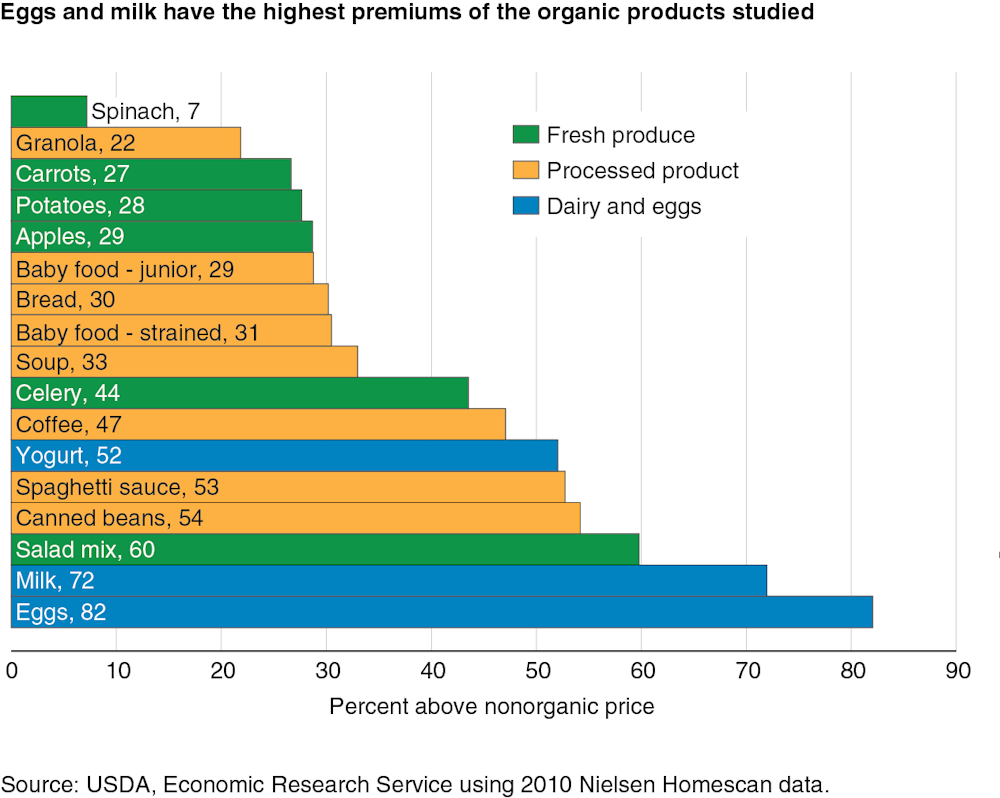
Farming without nitrogen fertilizer, using things like composted animal manure instead, makes growing food far more expensive. This is one of the reasons why organic salad mix costs on average 60 percent more than a conventionally grown mix; organic milk, 72 percent more; and organic eggs, 82 percent more. These high prices, in turn, explain why organic food sales make up only 5.3 percent of total food sales in the United States today, and why certified organic cropland makes up less than 1 percent of total cropland
Despite the small size of the organic sector, pesticide and fertilizer use have long since stopped growing in the United States, even as crop production has continued to increase. Total insecticide use peaked in 1972 and has fallen by 82 percent since then. Fertilizer use initially peaked in 1981, and applications have remained essentially flat for more than three decades now, even as total crop production has grown by 44 percent. Our stunted organic sector did not bring us these benefits. When it comes to reduced insecticide use, the credit goes to Rachel Carson.
To be sure, farm fertilizer runoff is a serious threat to water quality today. The National Oceanic and Atmospheric Administration reported in 2017 that the dead zone at the mouth of the Mississippi River had grown to cover an area of 8,776 square miles, the largest ever recorded in 32 years of monitoring. But I believe the solution has to come from continued improvements in conventional farming, such as planting more buffer strips between fields and waterways to trap chemical runoff. Most commercial farmers will not accept the unrealistic organic approach of switching to zero use of manufactured fertilizers.
Scaling up organic production could actually harm the environment, since it would require so much more land per bushel of production. USDA survey data in 2014 revealed that output per acre on organic farms was on average only 80 percent of conventional yields. This means that if the United States had raised all of its crops organically in 2014, we would have had to cultivate an additional 109 million acres of land – an area equal to all parkland and wildland area in the lower 48 states combined. The result would be a different kind of silent spring, caused not by chemicals but by needless destruction of wildlife habitat.
The Standard Model. What dull name for the most accurate scientific theory known to human beings.
More than a quarter of the Nobel Prizes in physics of the last century are direct inputs to or direct results of the Standard Model. Yet its name suggests that if you can afford a few extra dollars a month you should buy the upgrade. As a theoretical physicist, I’d prefer The Absolutely Amazing Theory of Almost Everything. That’s what the Standard Model really is.
Many recall the excitement among scientists and media over the 2012 discovery of the Higgs boson. But that much-ballyhooed event didn’t come out of the blue – it capped a five-decade undefeated streak for the Standard Model. Every fundamental force but gravity is included in it. Every attempt to overturn it to demonstrate in the laboratory that it must be substantially reworked – and there have been many over the past 50 years – has failed.
In short, the Standard Model answers this question: What is everything made of, and how does it hold together?
You know, of course, that the world around us is made of molecules, and molecules are made of atoms. Chemist Dmitri Mendeleev figured that out in the 1860s and organized all atoms – that is, the elements – into the periodic table that you probably studied in middle school. But there are 118 different chemical elements. There’s antimony, arsenic, aluminum, selenium … and 114 more.
Physicists like things simple. We want to boil things down to their essence, a few basic building blocks. Over a hundred chemical elements is not simple. The ancients believed that everything is made of just five elements – earth, water, fire, air and aether. Five is much simpler than 118. It’s also wrong.
By 1932, scientists knew that all those atoms are made of just three particles – neutrons, protons and electrons. The neutrons and protons are bound together tightly into the nucleus. The electrons, thousands of times lighter, whirl around the nucleus at speeds approaching that of light. Physicists Planck, Bohr, Schroedinger, Heisenberg and friends had invented a new science – quantum mechanics – to explain this motion.
That would have been a satisfying place to stop. Just three particles. Three is even simpler than five. But held together how? The negatively charged electrons and positively charged protons are bound together by electromagnetism. But the protons are all huddled together in the nucleus and their positive charges should be pushing them powerfully apart. The neutral neutrons can’t help.
What binds these protons and neutrons together? “Divine intervention” a man on a Toronto street corner told me; he had a pamphlet, I could read all about it. But this scenario seemed like a lot of trouble even for a divine being – keeping tabs on every single one of the universe’s 10⁸⁰ protons and neutrons and bending them to its will.
Expanding the zoo of particles
Meanwhile, nature cruelly declined to keep its zoo of particles to just three. Really four, because we should count the photon, the particle of light that Einstein described. Four grew to five when Anderson measured electrons with positive charge – positrons – striking the Earth from outer space. At least Dirac had predicted these first anti-matter particles. Five became six when the pion, which Yukawa predicted would hold the nucleus together, was found.
Then came the muon – 200 times heavier than the electron, but otherwise a twin. “Who ordered that?” I.I. Rabi quipped. That sums it up. Number seven. Not only not simple, redundant.
By the 1960s there were hundreds of “fundamental” particles. In place of the well-organized periodic table, there were just long lists of baryons (heavy particles like protons and neutrons), mesons (like Yukawa’s pions) and leptons (light particles like the electron, and the elusive neutrinos) – with no organization and no guiding principles.
Into this breach sidled the Standard Model. It was not an overnight flash of brilliance. No Archimedes leapt out of a bathtub shouting “eureka.” Instead, there was a series of crucial insights by a few key individuals in the mid-1960s that transformed this quagmire into a simple theory, and then five decades of experimental verification and theoretical elaboration.
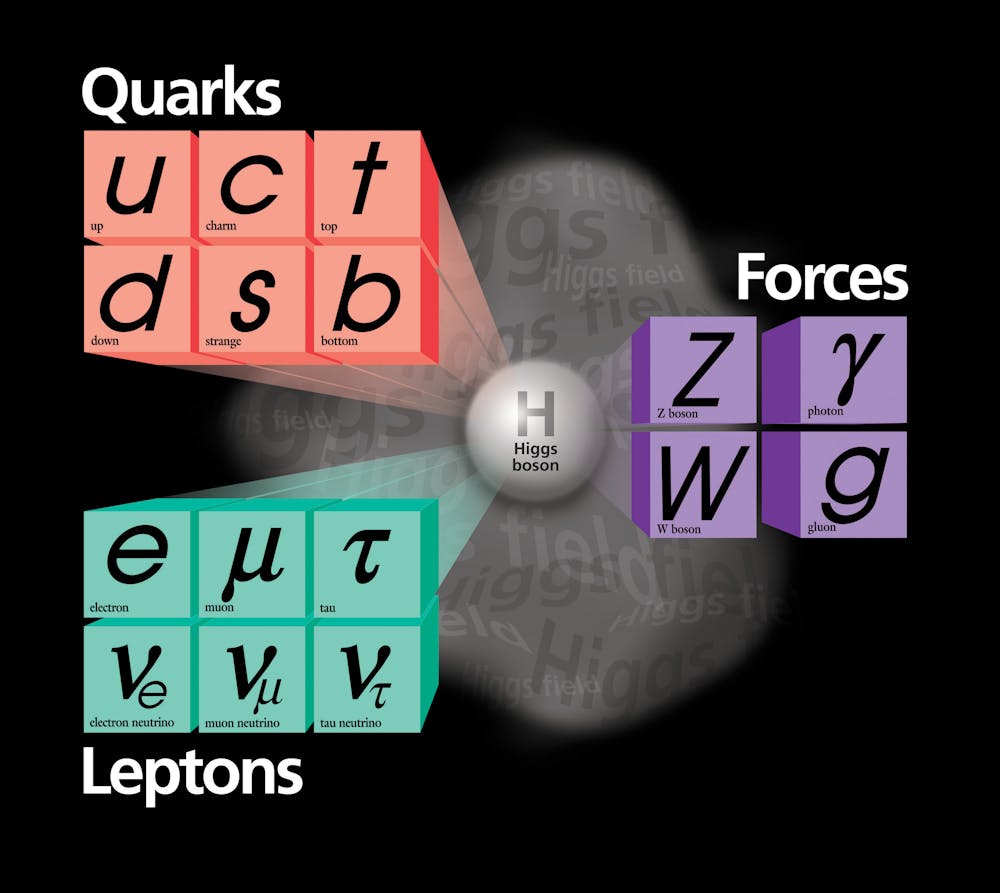
Quarks. They come in six varieties we call flavors. Like ice cream, except not as tasty. Instead of vanilla, chocolate and so on, we have up, down, strange, charm, bottom and top. In 1964, Gell-Mann and Zweig taught us the recipes: Mix and match any three quarks to get a baryon. Protons are two ups and a down quark bound together; neutrons are two downs and an up. Choose one quark and one antiquark to get a meson. A pion is an up or a down quark bound to an anti-up or an anti-down. All the material of our daily lives is made of just up and down quarks and anti-quarks and electrons.
The Standard Model of elementary particles provides an ingredients list for everything around us.
Simple. Well, simple-ish, because keeping those quarks bound is a feat. They are tied to one another so tightly that you never ever find a quark or anti-quark on its own. The theory of that binding, and the particles called gluons (chuckle) that are responsible, is called quantum chromodynamics. It’s a vital piece of the Standard Model, but mathematically difficult, even posing an unsolved problem of basic mathematics. We physicists do our best to calculate with it, but we’re still learning how.
The other aspect of the Standard Model is “A Model of Leptons.” That’s the name of the landmark 1967 paper by Steven Weinberg that pulled together quantum mechanics with the vital pieces of knowledge of how particles interact and organized the two into a single theory. It incorporated the familiar electromagnetism, joined it with what physicists called “the weak force” that causes certain radioactive decays, and explained that they were different aspects of the same force. It incorporated the Higgs mechanism for giving mass to fundamental particles.
Since then, the Standard Model has predicted the results of experiment after experiment, including the discovery of several varieties of quarks and of the W and Z bosons – heavy particles that are for weak interactions what the photon is for electromagnetism. The possibility that neutrinos aren’t massless was overlooked in the 1960s, but slipped easily into the Standard Model in the 1990s, a few decades late to the party.
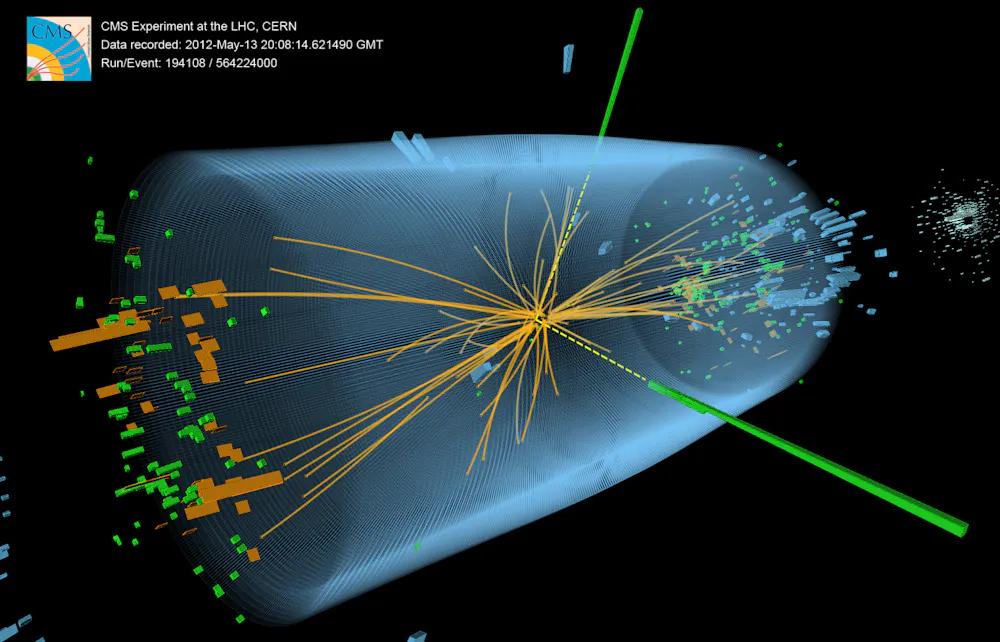
3D view of an event recorded at the CERN particle accelerator showing characteristics expected from the decay of the SM Higgs boson to a pair of photons (dashed yellow lines and green towers).
Discovering the Higgs boson in 2012, long predicted by the Standard Model and long sought after, was a thrill but not a surprise. It was yet another crucial victory for the Standard Model over the dark forces that particle physicists have repeatedly warned loomed over the horizon. Concerned that the Standard Model didn’t adequately embody their expectations of simplicity, worried about its mathematical self-consistency, or looking ahead to the eventual necessity to bring the force of gravity into the fold, physicists have made numerous proposals for theories beyond the Standard Model. These bear exciting names like Grand Unified Theories, Supersymmetry, Technicolor, and String Theory.
Sadly, at least for their proponents, beyond-the-Standard-Model theories have not yet successfully predicted any new experimental phenomenon or any experimental discrepancy with the Standard Model.
After five decades, far from requiring an upgrade, the Standard Model is worthy of celebration as the Absolutely Amazing Theory of Almost Everything.
When humans’ genetic information (known as the genome) was mapped 15 years ago, it promised to change the world. Optimists anticipated an era in which all genetic diseases would be eradicated. Pessimists feared widespread genetic discrimination. Neither of these hopes and fears have been realised.
The reason for this is simple: our genome is complex. Being able to locate specific differences in the genome is only a very small part of understanding how these genetic variants actually work to produce the traits we see. Unfortunately, few people understand just how complex genetics really is. And as more and more products and services start to use genetic data, there’s a danger that this lack of understanding could lead people to make some very bad decisions.
At school we are taught that there is a dominant gene for brown eyes and a recessive one for blue. In reality, there are almost no human traits that are passed from generation to generation in such a straightforward way. Most traits, eye colour included, develop under the influence of several genes, each with its own small effect.
What’s more, each gene contributes to many different traits, a concept called pleiotropy. For example, genetic variants associated with autism have also been linked with schizophrenia. When a gene relates to one trait in a positive way (producing a healthy heart, say) but another in a negative way (perhaps increasing the risk of macular degeneration in the eye), it is known as antagonistic pleiotropy.
As computing power has increased, scientists have been able to link many individual molecular differences in DNA with specific human characteristics, including behavioural traits such as educational attainment and psychopathy. Each of these genetic variants only explains a tiny amount of variation in a population. But when all these variants are summed together (giving what’s known as a characteristic’s polygenic score) they begin to explain more and more of the differences we see in the people around us. And with a lack of genetic knowledge, that’s where things start to be misunderstood.
For example, we could sequence the DNA of a newborn child, calculate their polygenic score for academic achievement and use it to predict, with some degree of accuracy, how well they will do in school. Genetic information may be the strongest and most precise predictor of a child’s strengths and weaknesses. Using genetic data could allow us to more effectively personalise education and target resources to those children most in need.
But this would only work if parents, teachers and policymakers have enough understanding of genetics to correctly use the information. Genetic effects can be prevented or enhanced by changing a person’s environment, including by providing educational opportunity and choice. The misplaced view that genetic influences are fixed could lead to a system in which children are permanently separated into grades based on their DNA and not given the right support for their actual abilities.
Better medical knowledge
In a medical context, people are likely to be given advice and guidance about genetics by a doctor or other professional. But even with such help, people who have better genetic knowledge will benefit more and will be able to make more informed decisions about their own health, family planning, and health of their relatives. People are already confronted with offers to undergo costly genetic testing and gene-based treatments for cancer. Understanding genetics could help them avoid pursuing treatments that aren’t actually suitable in their case.
It is now possible to edit the human genome directly using a technique called CRISPR. Even though such genetic modification techniques are regulated, the relative simplicity of CRISPR means that biohackers are already using it to edit their own genomes, for example, to enhance muscle tissue or treat HIV.
Such biohacking services are very likely to be made available to buy (even if illegally). But as we know from our explanation of pleiotropy, changing one gene in a positive way could also have catastrophic unintended consequences. Even a broad understanding of this could save would-be biohackers from making a very costly and even potentially fatal mistake.
Biohackers may try to enhance their bodies with altered DNA.
When we don’t have medical professionals to guide us, we become even more vulnerable to potential genetic misinformation. For example, Marmite recently ran an ad campaign offering a genetic test to see if you either love or hate Marmite, at a cost of £89.99. While witty and whimsical, this campaign also has several problems.
First, Marmite preference, just like any complex trait, is influenced by complex interactions between genes and environments and is far from determined at birth. At best, a test like this can only say that you are more likely to like Marmite, and it will have a great deal of error in that prediction.
Second, the ad campaign shows a young man seemingly “coming out” to his father as a Marmite lover. This apparent analogy to sexual orientation could arguably perpetuate the outdated and dangerous notion of “the gay gene”, or indeed the idea that there is any single gene for complex traits. Having a good level of genetic knowledge will enable people to better question advertising and media campaigns, and potentially save them from wasting their money.
My own research has shown that even the well-educated amongst us have poor genetic knowledge. People are not empowered to make informed decisions or to engage in fair and productive public discussions and to make their voices heard. Accurate information about genetics needs to be widely available and more routinely taught. In particular, it needs to be incorporated into the training of teachers, lawyers and health care professionals who will very soon be faced with genetic information in their day-to-day work.
To test your genetic knowledge and see how ready you are to make informed decisions in the genomic era visit www.tagc.world/iglas and contribute to our ongoing research.
U.S. forecasters expect the 2018 Atlantic hurricane season will be near-normal to above-normal in number and intensity of storms, the National Oceanic and Atmospheric Administration’s (NOAA) Climate Prediction Center said on Thursday.
The forecasters estimate between one and four major hurricanes packing winds of 111 miles per hour (178.6 kph) could develop during the 2018 season, which begins June 1.
The NOAA forecast also said about half of the 10 to 16 named storms will be hurricane strength with winds of at least 74 mph (119 kph).
An average Atlantic hurricane season produces 12 named storms of which six become hurricanes, three of them major.
Private forecaster Weatherbell Analytics earlier this month revised downward its forecast for named storms in 2018 from between 11 and 15 to 9 to 13.
A system was brewing in the southern Gulf on Thursday that has a 70 percent chance of becoming a tropical cyclone, the U.S. National Hurricane Center said. It is expected to bring heavy rain to the southeast United States early next week and could become the first named storm of the year as Alberto.
Reporting by Erwin Seba; Editing by James Dalgleish
White people need to worry about other white people, says Mike Males, a researcher for the Center for Juvenile and Criminal Justice. In a new op-ed for the Los Angeles Times, Males destroys this narrative.
"The more white and Republican a county is, the greater the risk for white Americans," he writes, using stats.
Males contrasts this with the narrative spun by Trump and his supporters, who suggest that immigrants and "inner cities" are dangerous.
"At a recent rally in Ohio, Trump used lurid language to claim that gang members 'slice and dice' beautiful girls like 'animals.' ... It's obvious to anyone who's listening that when Trump talks about this terrifying other he's really talking about non-white people, not just any old foreigner," Males writes. "These fears, however, are not founded in reality. White people should be more afraid of other whites than they are of people of color."
Males cites survey results that show Trump supporters tend to conflate their fears of immigrants and dark-skinned people. And then he uses stats from the Centers for Disease Control statistics that show the locations of murder, gun killings and illegal-drug overdoses among white Americans.
"According to the data, rates of homicides, gun killings and illicit-drug fatalities are highest in counties where nine in 10 residents are white and where President Trump won in the 2016 election," he writes. "Correspondingly, the white Americans who are safest from such deaths are those who live in racially diverse areas such as Los Angeles, New York and Chicago, where two-thirds of residents are nonwhite, where millions of immigrants live, and where voters favored Hillary Clinton in 2016. Nonwhites also are safer in these areas overall."
The correlation is not insignificant, he says.
"Overall, white Americans who live in predominantly white and Trump-voting counties are 50% more likely to die from murder, gun violence and drug overdoses than whites who live in the most diverse and Democratic-voting counties," Males writes.
Scientists have identified the mechanism that allows breast cancer cells to lie dormant in other parts of the body only to reemerge years later with lethal force, according to a study published Tuesday.
In experiments with human cells and live mice, researchers showed that disabling the mechanism -- with drugs or gene manipulation -- crippled the cancer cells and inhibited their capacity to spread.
The discovery, reported in the journal Nature Communications, provides a promising target for the development of breast cancer therapies, the study said.
Some 90 percent of breast cancer deaths occur with metastasis, when the disease moves to other organs or parts of the body.
Scientists have struggled to understand how cancer cells manage to remain hidden -- sometimes for decades -- and what, exactly, triggers their reawakening.
"Our results suggest that breast cancer cells can survive, undetected, in patients for long periods by using a cellular process known as autophagy," said co-author Kent Hunter, a researcher at the National Cancer Institute (NCI) in Bethesda, Maryland.
The findings help explain why current treatments so often fail to root out breast cancer cells that remain after surgery and chemotherapy.
- Cells in hiding -
"Many of the traditional anti-cancer drugs are designed to target dividing cells," said Hunter.
"Dormant cells, however, are not actively or frequently dividing, and are therefore thought to be resistant to these types of drugs."
The fact that they are hiding elsewhere in the body also helps the cells escape localised treatments such as radiation.
In an experiment, researchers led by Hunter's colleague Laura Vera-Ramirez injected dormant breast cancer cells into mice.
Half the animals were given a drug that inhibits autophagy, while the others received a placebo or "dummy" drug.
In a second experiment, they altered a gene that controls autophagy.
Both approaches "significantly" decreased survival of the cancer cells and limited their spread, the study concluded.
Without recourse to autophagy, the cancer cells accumulated toxic matter and damage to their mitochondria, the energy-producing units of cells.
The road to a viable treatment will be long, said Hunter. A clinical trial will have to be performed to determine whether the treatment would work in human patients.
It is also unknown whether the findings apply to other types of cancer, he added.
I know it may be hard to convince you, but let me try: Don’t kill the next spider you see in your home.
Why? Because spiders are an important part of nature and our indoor ecosystem – as well as being fellow organisms in their own right.
People like to think of their dwellings as safely insulated from the outside world, but many types of spiders can be found inside. Some are accidentally trapped, while others are short-term visitors. Some species even enjoy the great indoors, where they happily live out their lives and make more spiders. These arachnids are usually secretive, and almost all you meet are neither aggressive nor dangerous. And they may be providing services like eating pests – some even eat other spiders.
A cobweb spider dispatches some prey that got snagged in its web.
My colleagues and I conducted a visual survey of 50 North Carolina homes to inventory just which arthropods live under our roofs. Every single house we visited was home to spiders. The most common species we encountered were cobweb spiders and cellar spiders.
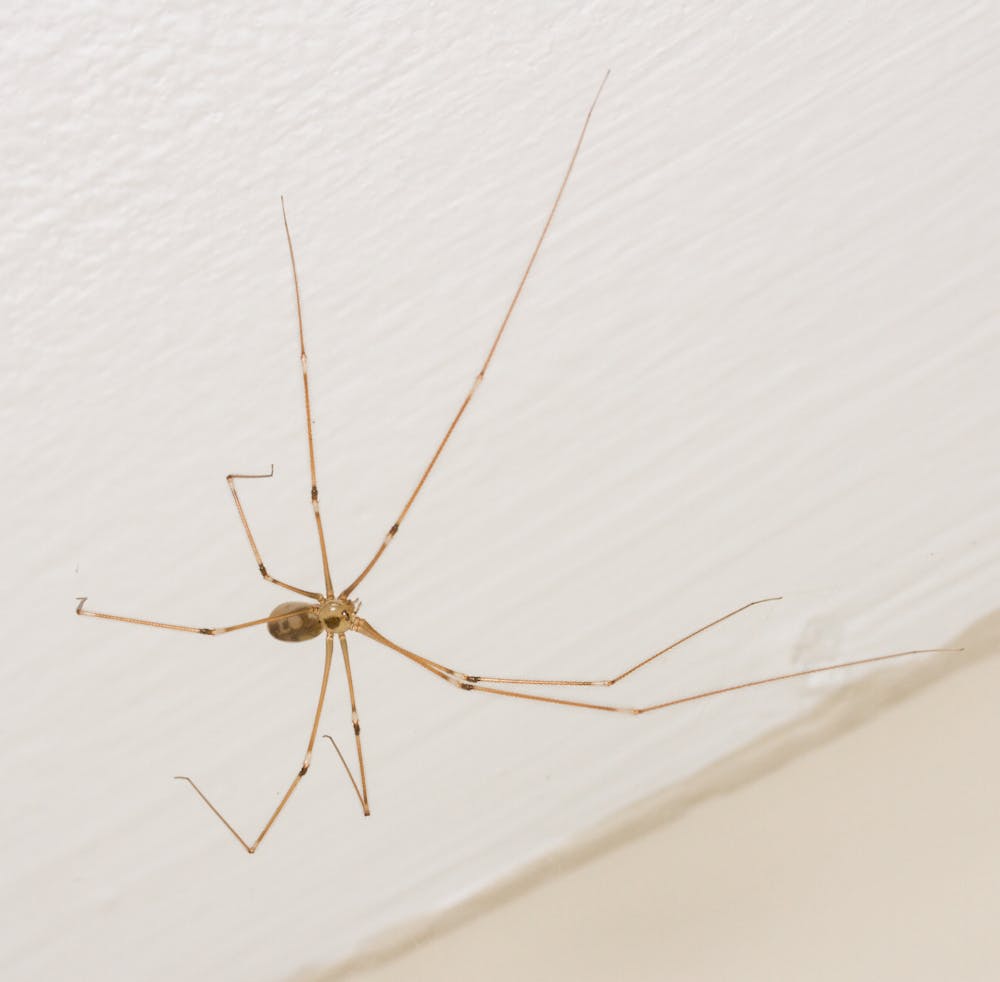
A cellar spider, sometimes called daddy longlegs (not to be confused with a harvestman).
Both build webs where they lie in wait for prey to get caught. Cellar spiders sometimes leave their webs to hunt other spiders on their turf, mimicking prey to catch their cousins for dinner.
Although they are generalist predators, apt to eat anything they can catch, spiders regularly capture nuisance pests and even disease-carrying insects – for example, mosquitoes. There’s even a species of jumping spider that prefers to eat blood-filled mosquitoes in African homes. So killing a spider doesn’t just cost the arachnid its life, it may take an important predator out of your home.
It’s natural to fear spiders. They have lots of legs and almost all are venomous - though the majority of species have venom too weak to cause issues in humans, if their fangs can pierce our skin at all. Even entomologists themselves can fall prey to arachnophobia. I know a few spider researchers who overcame their fear by observing and working with these fascinating creatures. If they can do it, so can you!
An arachnologist’s story of growing up terrified of spiders but ultimately becoming fascinated by them.
Spiders are not out to get you and actually prefer to avoid humans; we are much more dangerous to them than vice versa. Bites from spiders are extremely rare. Although there are a few medically important species like widow spiders and recluses, even their bites are uncommon and rarely cause serious issues.
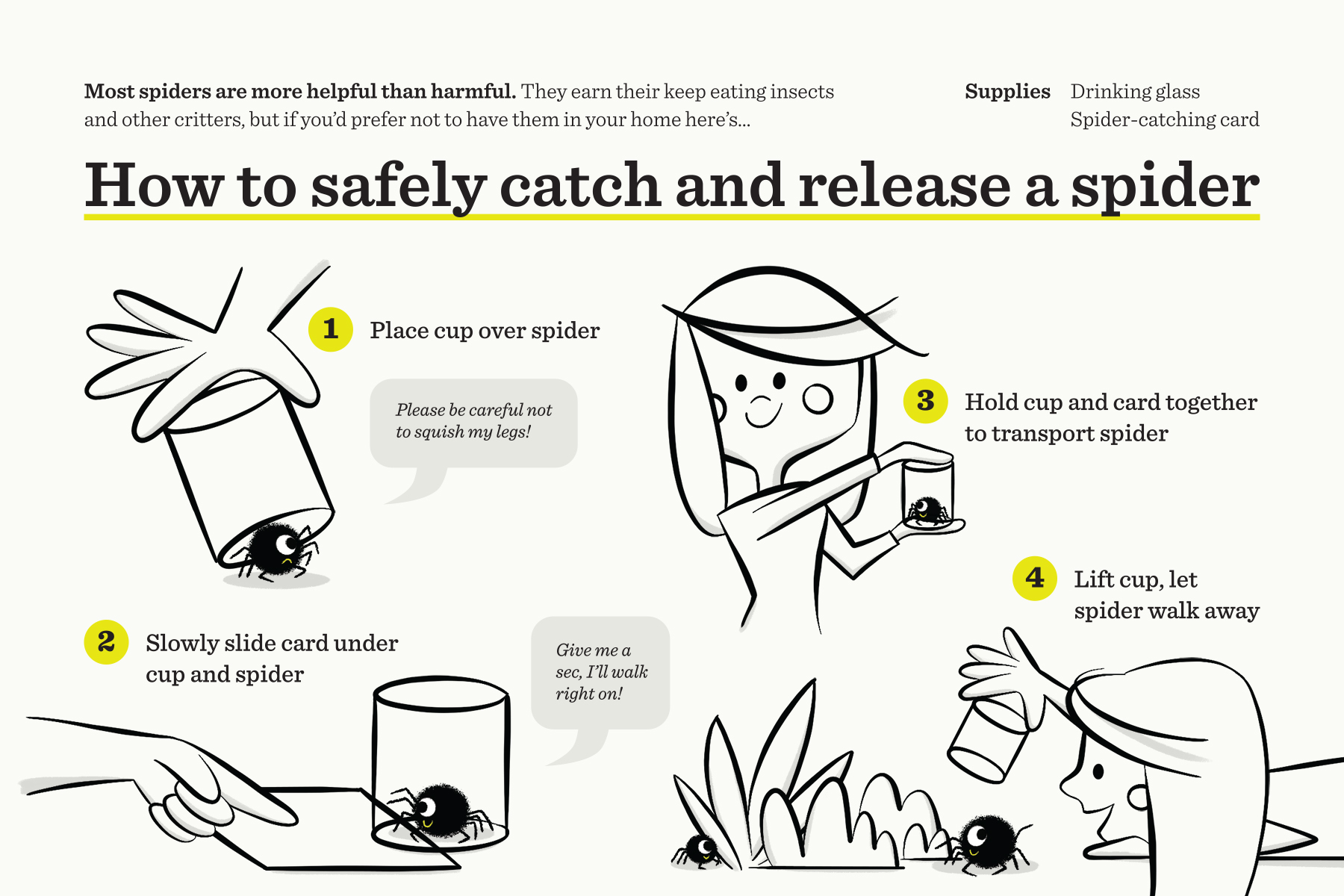
If you truly can’t stand that spider in your house, apartment, garage, or wherever, instead of smashing it, try to capture it and release it outside. It’ll find somewhere else to go, and both parties will be happier with the outcome.
But if you can stomach it, it’s OK to have spiders in your home. In fact, it’s normal. And frankly, even if you don’t see them, they’ll still be there. So consider a live-and-let-live approach to the next spider you encounter.






 And what of France’s European neighbour, the United Kingdom? Has it been spared from such invaders? Well, yes… and no. There are not yet any reports of the giant Bipalium or Diversibipalium flatworms in British gardens, the weather likely being too cold for these semitropical animals. But one species features a scientific name with a very English origin, Bipalium kewense – in Latin it means “from Kew”, because it was
  And when we talk about the possible effects of the microbiome, or the “too clean” hypothesis, we’re discussing how exposure to bacteria and viruses can modify that immune balance in ways that directly affect our wellbeing. This is a very active area of research which, given the underlying complexity, presents scientists with big challenges as we seek to reach verifiable conclusions.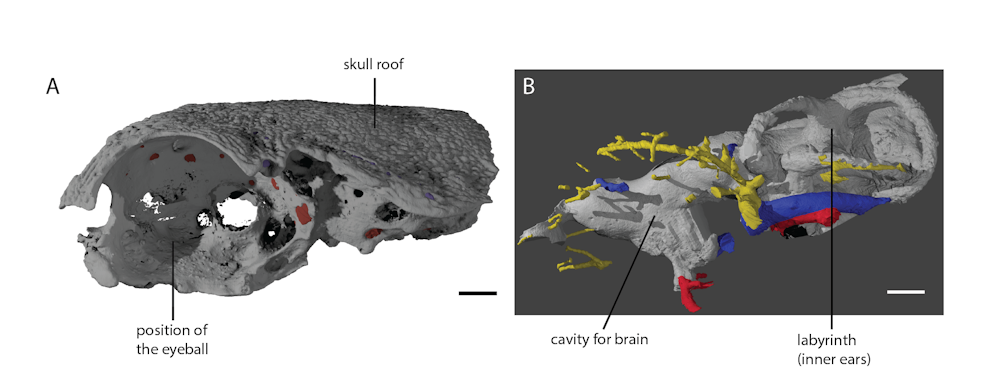
 Our findings highlight that the evolutionary family tree of the first bony fishes is much more complicated than we had thought, demonstrating the importance of palaeontology to help us more accurately understand our distant origins.

 Scaling up organic production could actually harm the environment, since it would require so much more land per bushel of production. USDA survey data in 2014 revealed that output per acre on organic farms was on average only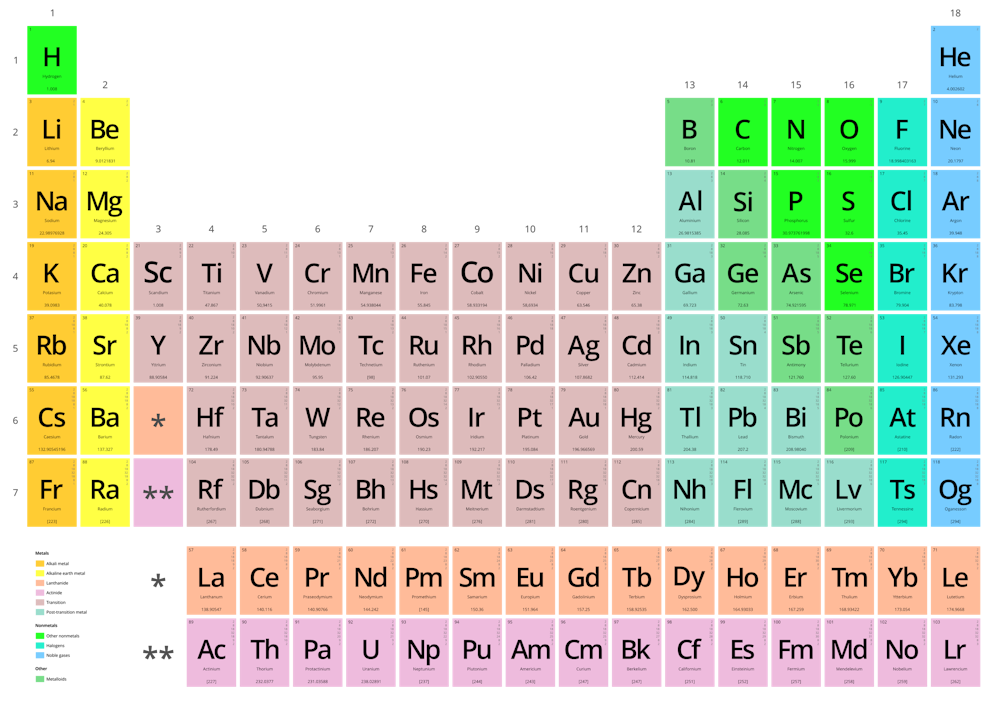
 After five decades, far from requiring an upgrade, the Standard Model is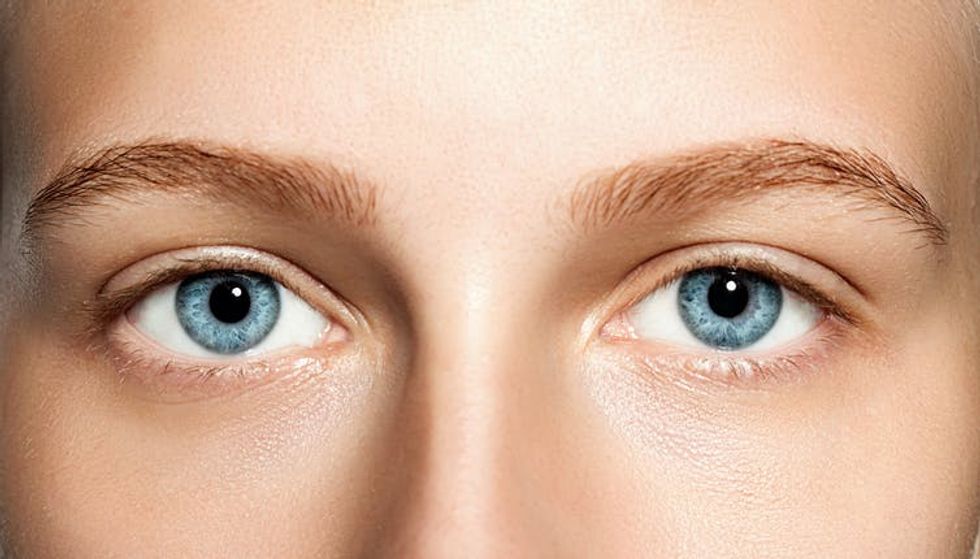
 To test your genetic knowledge and see how ready you are to make informed decisions in the genomic era visit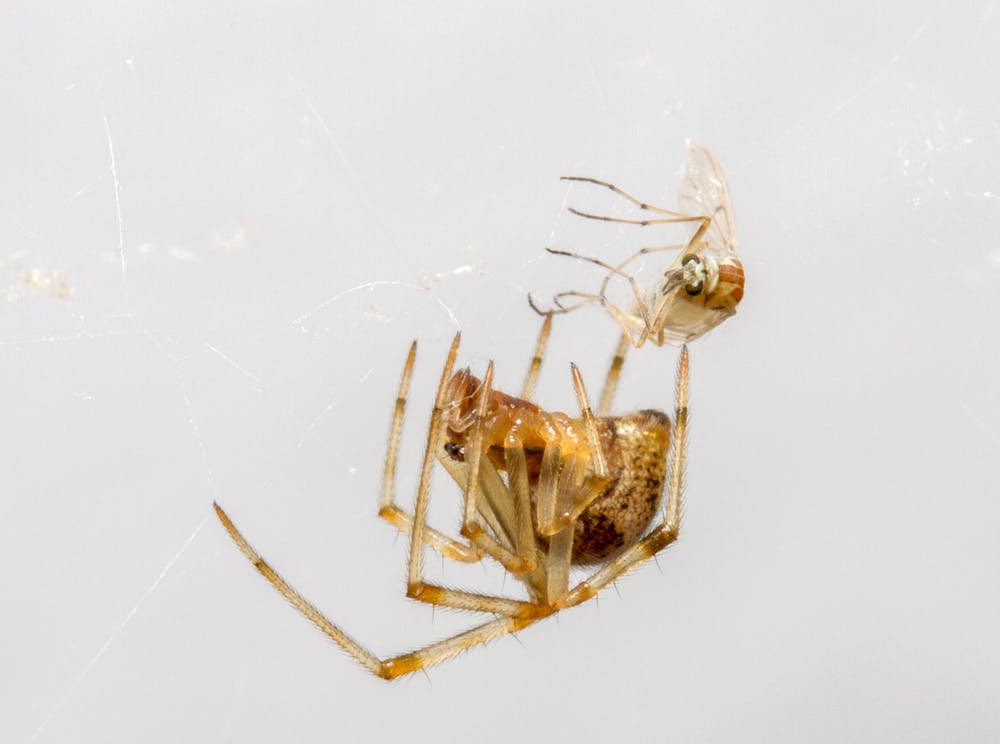
 But if you can stomach it, it’s OK to have spiders in your home. In fact, it’s normal. And frankly, even if you don’t see them, they’ll still be there. So consider a live-and-let-live approach to the next spider you encounter.