Download Our App

All posts tagged "Attachmentstyles"

Blade Runner-esque techniques to reveal how avoidant attachment influences emotion

Blade Runner-esque techniques to reveal how avoidant attachment influences emotion

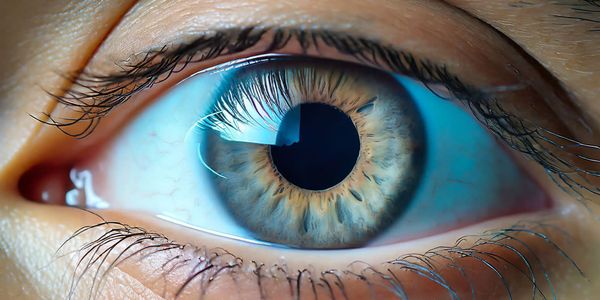
New research provides evidence that individuals with avoidant attachment styles exhibit distinct patterns of emotional processing. Just like in the sci-fi movie “Blade Runner,” where characters use pupillometry to distinguish between humans and androids, this real-world research measures changes in pupil size to investigate underlying personality characteristics. The study was published in the International Journal of Psychophysiology. “Phasic pupil dilation (i.e., stimulus-evoked fluctuation in pupil size) is a sensitive marker of several neurocognitive processes, especially orienting/directe......
Study explores link between attachment styles and sexual dysfunction in young adults

Study explores link between attachment styles and sexual dysfunction in young adults

Young adulthood is often associated with exciting developments in intimacy and relationships, but research showing increased sexual dysfunction among the 18-25 age group has emerged in recent years. A study published in The Journal of Sex Research explores how sexual dysfunction in young adulthood may be related to anxious attachment, avoidant attachment, and childhood victimization. Sexual difficulties are often thought of as something that occurs in old age, but current research shows over 75% of young adults report experiencing some form of sexual dysfunction. Some forms of dysfunction have......
Insecure attachment linked to a psychological phenomenon known as negative attribution bias

Insecure attachment linked to a psychological phenomenon known as negative attribution bias

People who are insecure about their attachments to others tend to exhibit greater negative attribution bias, according to new research published in the Personality and Social Psychology Bulletin. Negative attribution bias refers to the tendency to attribute blame and hostile motives to others’ behaviors. This can manifest itself as attributing someone’s behavior to their personal characteristics rather than the situation they are in. For example, if a person doesn’t return our call, we might assume they’re rude or uncaring. However, the reality could be that they’re busy or preoccupied with so......