




The Minnesota-based Mayo Clinic announced Thursday that a first-of-its-kind cancer drug has proven remarkably effective in treating some people with advanced melanoma, one of the deadliest forms of cancer.
According to the Clinic's In the Loop blog, oncologist Richard Joseph said that the new drug, pembrolizumab -- sold under the brand name Keytruda -- works by side-stepping melanoma's ability to conceal itself from the body's immune system.
The FDA approved Keytruda for widespread use to fight late stage melanoma earlier this month. Some 25 percent of patients whose tumors have shown resistance to other drugs have shown a "phenomenal response" to the drug, what some doctors are calling "Lazarus effects," meaning that people who were near death have had remarkable turnarounds in their prognoses.
Previous "immune therapy" drugs have only been effective in five to ten percent of patients.
Melanoma is one of the commonest and yet most deadly forms of cancer. It begins as cancer on the skin, but spreads easily to other organs including the lungs and liver. Part of what makes melanoma so lethal is its ability to avoid triggering the immune system's responses, convincing the body that it isn't sick and allowing the cancer cells to proliferate unchecked.
Dr. Louis M. Weiner -- a spokesman for the American Association for Cancer Research -- told CBS that Keytruda attacks that very mechanism.
"This drug represents a major step forward," Weiner wrote. "It is an effective immunotherapy (but) not a general immune stimulant. It attacks a specific mechanism employed by some cancers to actively evade immune destruction."
Keytruda -- which is made by Merck Pharmaceuticals -- and another drug made by Bristol-Meyers Squibb called Opdivo are antibody-based medicines that some scientists believe could revolutionize the way cancers are treated.
Forty-nine-year-old Rich Murphy of Marshfield, Massachusetts had around 15 melanoma tumors under the skin throughout his torso. He was diagnosed in 2008 and underwent multiple rounds of surgery, chemotherapy and radiation, but to no avail.
In 2012, he underwent six months of treatment on Keytruda and saw his tumors disappear. He went off of all other cancer drugs shortly after starting treatment with Keytruda.
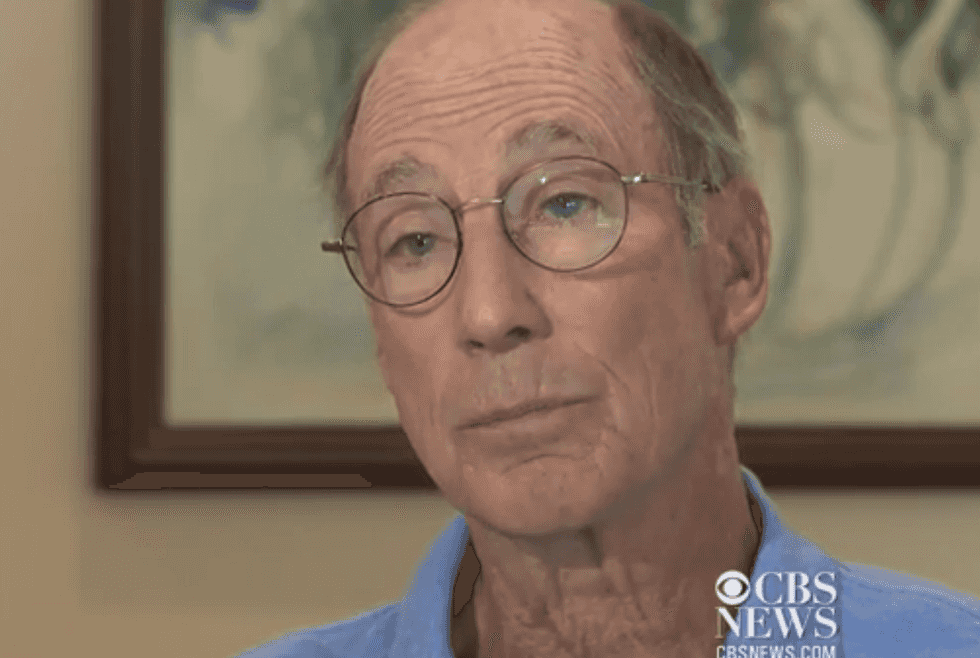
"I owe my life to that drug. There's no question about it," Murphy told CBS News.
While chemotherapy and radiation treatments all carry side effects from hair loss to uncontrollable nausea to mouth blisters and sores to skin fragility and destruction of healthy tissues around the tumors, "immune therapy" drugs carry few side effects. Murphy said that the worst side effect he experienced while taking Keytruda was dry skin.
A small number of patients have suffered immune complications from taking the drug, including hepatitis of the liver, colitis, kidney inflammation and thyroid issues, but on the whole, said Mayo's Dr. Jospeph, at worst, patients developed mild fatigue, dry skin and itchiness.
“We’re seeing some ‘Lazarus effects.’" Joseph told the Florida Times-Union. "I saw a man in April where his doctor had recommended hospice. We put him on it, and four treatments later, he had a complete remission, no longer thinking about hospice.”
“We’re always hesitant of using the ‘C Word:’ cure,” he continued. “I tell my patients that not every day I wake up extremely happy that I’m an oncologist, but when I’m using drugs like this, it’s a really fulfilling thing.”
In the Christian Bible's New Testament, Lazarus was a man who Jesus Christ raised from the dead.
There are still questions about the drug's long term effectiveness and its effects on patients, but early results are promising.
Bloomberg Busiessweek said, "Melanoma accounts for 2 percent of skin cancer cases and causes the majority of deaths from the disease, including 9,710 expected this year, according to the American Cancer Society. Keytruda is being approved almost two months earlier than scheduled. The drug is expected to generate $1.5 billion in 2017 sales for Whitehouse Station, New Jersey-based Merck, according to the average of seven analysts’ estimates compiled by Bloomberg."
“It’s an exciting time for our field because of our ability to start harnessing our immune system to attack cancers,” Weiner told Businessweek. “This is a bit of a sea change in cancer therapy because we’re beginning to see a time where it may not be as necessary to use chemotherapy to treat cancer.”
Watch video about Keytruda from earlier this month via CBS News:
