




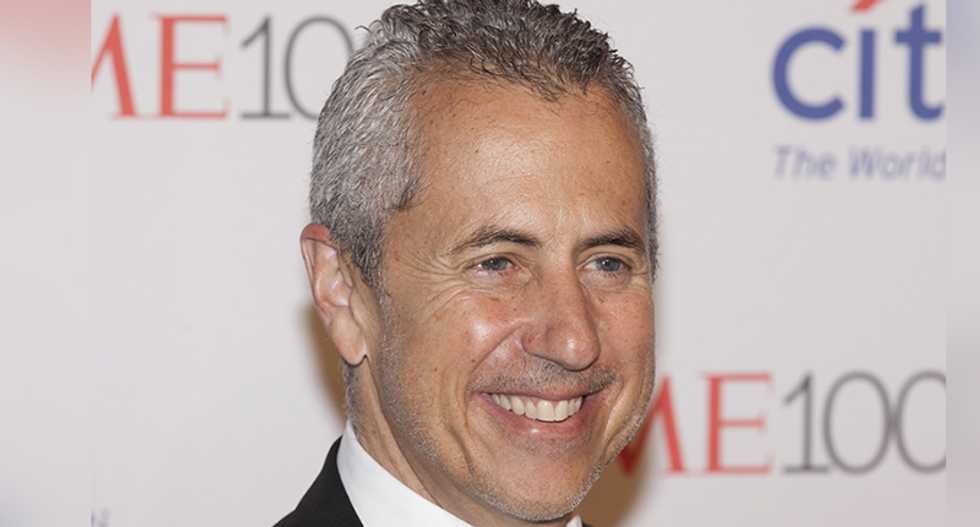
The age old practice of leaving a little bit of something extra for your server at a restaurant comes from The United States' slavery age. Shake Shack's founder, Danny Meyer, told the story on "The Sporkful" podcast today and revealed that the practice is still hurting employees today.
As the Huffington Post captured, Meyer noted that the practice began after the Civil War when eateries and Pullman railroad companies petitioned the government to allow them not to pay staff and instead have them ask customers to pay in tips.
“Therefore, no one could say they were being enslaved,” Meyer explained. “And no surprise, most of the people who were working in service professional jobs and restaurants and Pullman train cars were African-American.”
Dan Pashman, host of "The Sporkful," agreed, particularly for servers that get moved to kitchen workers. “The complexion tends to get darker.” Even if a person of color is eligible to be a tipped server, studies show that their tips will be less than white counterparts.
“There’s just nothing good about that,” Meyer responded.
Meyer went on to say that in today's economic climate, the practice helps servers but it ends up hurting those working in the back of the house like dishwashers and cooks. Minimum wage laws for tipped workers have been stuck at $2.13/hour since 1991. While a lot has changed for cost of living in the last 30 years, the tipped wage has remained the same unless a state passed its own law to raise it.
Some municipalities have moved to outlaw the tipped wage, encouraging restaurants to move away from a wage that is dependent on the prerogative of personality or appearance that score higher wages.
Meyer founded the burger and ice cream chain and other restaurants in New York City. He's been an anti-tipping advocate for the last year, shifting his businesses to paying a wage.
