




Friday marked the beginning of 2014's 11-day Thanksgiving travel period, among the busiest travel days of the year for U.S. airports and highways.
The Federal Aviation Administration predicts that 2014 will be one of the busiest years on record for air travel. With the economy rebounding and the price of airline tickets falling due to lower oil prices, airports and airlines are preparing for the busiest travel season since 2007, before the massive financial crash that slowed world markets.
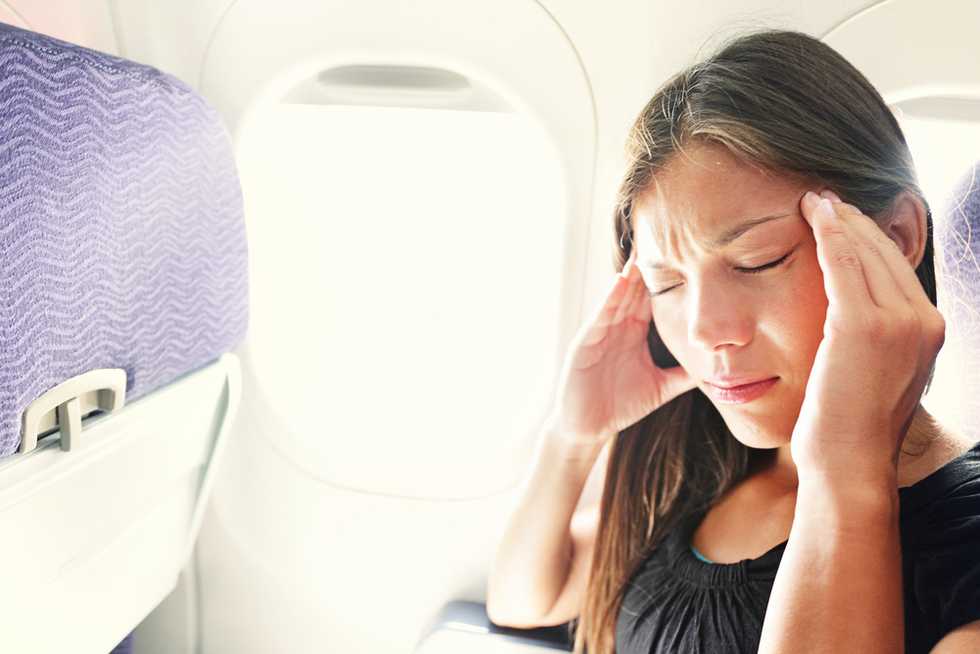
Airline travel is still the fastest and safest way to travel long distances, but here are a few weird ways that flying in pressurized cabins with hundreds of strangers can affect you and your health.
In her article 9 weird effects flying has on your body, Australian travel writer Alana House pointed out that one of the chief medical dangers of long flights is a syndrome called Deep Vein Thrombosis, or DVT.
When a person sits for long periods of time, blood pools in the legs and feet, which can lead to swelling and -- in severe cases -- blood clots. Experts recommend that flyers frequently stretch and move around their legs and feet to keep them circulating.
LiveScience.com columnist Christopher Wanjek says one of the main risks of airline travel is disease.
"The cause is a combination of the low humidity on the flight, which dries up the natural defense mechanism offered by mucus, and a lot of strange people from around the world cramped into the tin box we call an airplane infected with who-knows-what," Wanjek wrote, adding that a person flying is 100 times more likely to catch a cold than a person who doesn't fly.
The low humidity on flights, House said, also contributes to other health effects like dry skin and a decreased sense of taste, thanks to drier nasal mucosa. A huge part of the ability to taste is dependent upon the ability to smell. As a result, flyers will crave foods that are salty, sour or have other strong flavors. Some crave tomato juice, which tastes less salty at high altitude.
Which leads us to the Bloody Mary, a perennial popular in-flight cocktail that also comes with a warning. Dehydration means there's less water in the blood, allowing the concentration of alcohol to rise more quickly, which means that drinking in the air can get you drunker more quickly.
Dehydration also worsens the after-effects of drinking like headaches and hangovers, so take that into account when the flight attendants bring the beverage cart around.
Cabin pressurization also has a number of bizarre effects on the body, including causing travelers to fart. The gases in the digestive tract expand as cabin pressure decreases at high altitude, and they have to go somewhere.
Flying too soon after scuba diving, House notes, can actually give passengers the bends, a term for nitrogen bubbles in the blood that can cause agonizing pain in the muscles and joints and even kill.
"Wait at least 48 hours after a sea dive of more than 15 meters depth before jumping on a plane," wrote House.
Lower oxygen levels on planes -- which often recycle cabin air to save money on climate control and filtering -- mean that passengers often feel sleepy in flight.
In addition, frequent flyers and cabin personnel are exposed to higher levels of UV radiation from the sun. Long term flight personnel are at significantly higher risk for melanoma and when they do get sick with skin cancer, they die at a 45 percent higher rate.
The constant engine noise causes hearing loss and many travelers are familiar with the fatigue, disorientation and sleep disruptions of jet-lag, which is worse when traveling across time zones from west to east.
Flyers are urged to avoid salty, high-fat airport fast food, fizzy drinks, caffeine and alcohol before flying.
Poor diet can exacerbate the effects of tiredness and dehydration. Resting before and after travel, experts say, reduces fatigue and also helps the body fight germs and maintain its regular functioning.
