





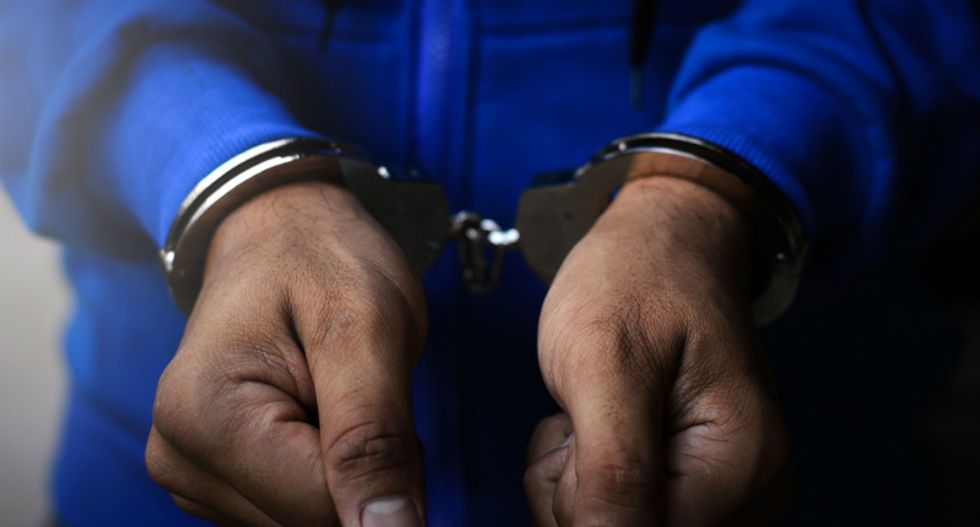
Karina Vetrano was found strangled in a Queens park three years ago, but when the New York Police Department launched an investigation, they began a blatantly racist search for an African-American man.
A shocking New York Times report revealed that the department took DNA samples from at least 360 black men who'd been previously taken into custody. According to defense lawyers for Chanel Lewis, the man charged with the crime, police launched a "race-biased dragnet" and then tried to hide it before trial.
Lewis claims he was coerced into a confession and his first trial ended in a hung jury. Only now, the hunt for their Black man of choice has become public. Lawyers are asking if prosecutors withheld the information about the genetic canvas as well as whether the NYPD suspected two white men had killed Vetrano instead.
"After Ms. Vetrano was found dead on a park path overgrown with weeds, an intense manhunt ensued," The Times wrote. "A task force of 100 detectives was assigned to investigate her death, according to testimony during the trial. In the end, the number of detectives on the case dropped to 10. The authorities offered a $35,000 reward for anyone with information leading to Ms. Vetrano’s killer."
The trial has raised many questions about police coercing confessions and racially profiling people to score easy convictions. Lewis' lawyers are asking for another hearing, which could help lead to another mistrial.
They said that they'd received at least one anonymous letter from a person claiming to be a police officer, that said, the NYPD was looking for "two jacked up white guys from Howard Beach," when the investigation began. The department claimed it is not true that they were searching for white men, though they didn't clarify why. Another anonymous person with information about the investigation said that it was true the police first that the assailants might be white.
It was Deputy Chief Emanuel J. Katranakis, the commander of the Forensic Investigation Division, that suggested the DNA collected from Vetrano was from a Black man. After that, the detectives in the case sought DNA from Black men arrested anywhere near the crime scene.
"If the letter truly came from a police officer, then it represents an extraordinary departure from the protocols governing how details of criminal investigations reach the defense and the public," The Times said. "The information typically comes from police officials’ public statements; evidence prosecutors turn over to the defense and witness testimony, not from an anonymous officer halfway through a retrial."
Lawyers said that the police department is obligated to turn over any evidence that might be helpful to prove the defendant's innocence. The source said that saliva samples were requested from more like 384 Black men. No DNA collected was a match. The investigation stalled for six months until Lewis was interviewed at the suggestion of police lieutenant John Russo. He said that he'd spotted Lewis "acting suspiciously" and walking slowly through the predominantly white neighborhood of Howard Beach.
Lewis, who lived about a 3-mile walk from the neighborhood, denied that he killed Vetrano, but after being in custody for more than 11 hours, he confessed. The 22-year-old lived with his mother and graduated from a school for students with learning disabilities. He comes off as confused several times during the interview, the Times said.
