Culture wars have been raging for some time in the United States but it took the banning of a book about the Holocaust for the wider world to take notice.
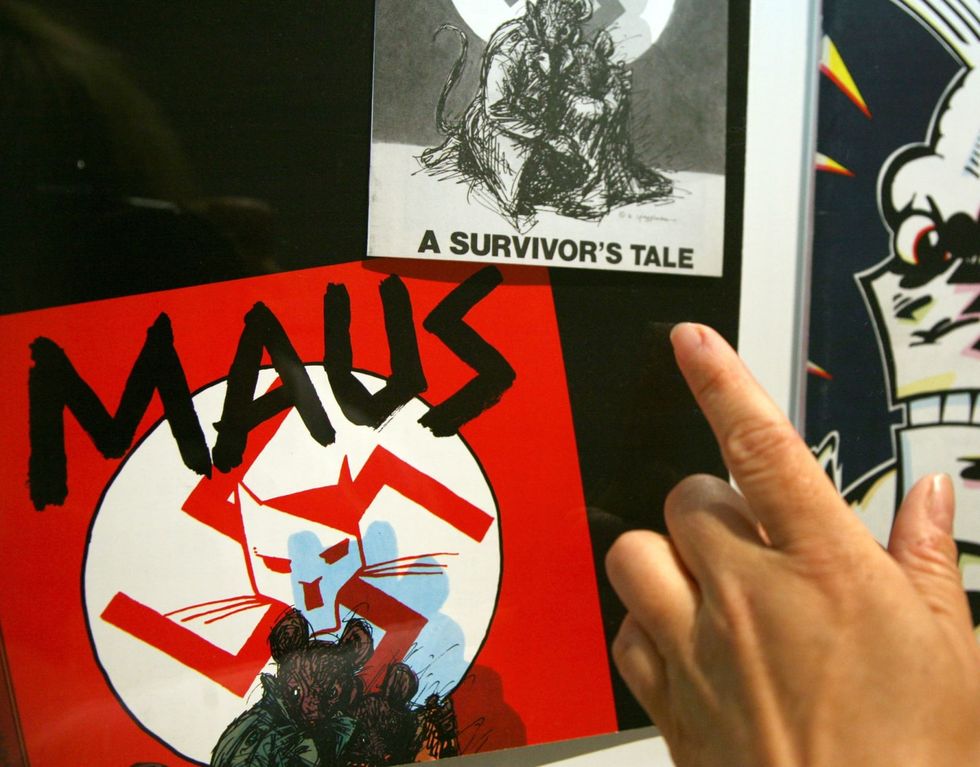
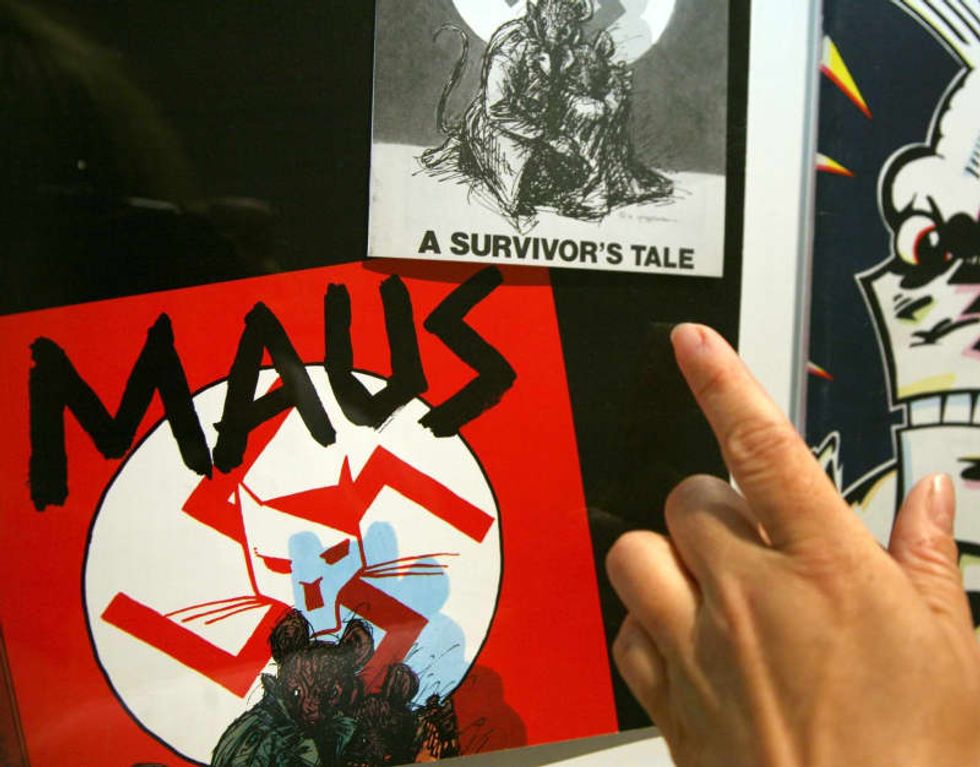
A Tennessee school board removed "Maus," a graphic novel by US artist Art Spiegelman, from the curriculum, citing concerns about swearwords and nudity.
Spiegelman tells of Nazi atrocities through the lens of his family's experiences, with Nazis depicted as cats and Jews as mice.
He was awarded a Pulitzer Prize for the work in 1992. However, for the board of trustees in the US, it contains too much "rough language" and "unnecessary" profanity.
It is the latest in a string of school board decisions to make headlines, on issues from racism to sex education to the pandemic.
School boards in the US have wide-ranging powers, controlling the way schools are run in a particular area. They make local education policy, giving them an extensive say on issues.
Members of school boards are usually elected by the residents in a particular district, but they can also be appointed.
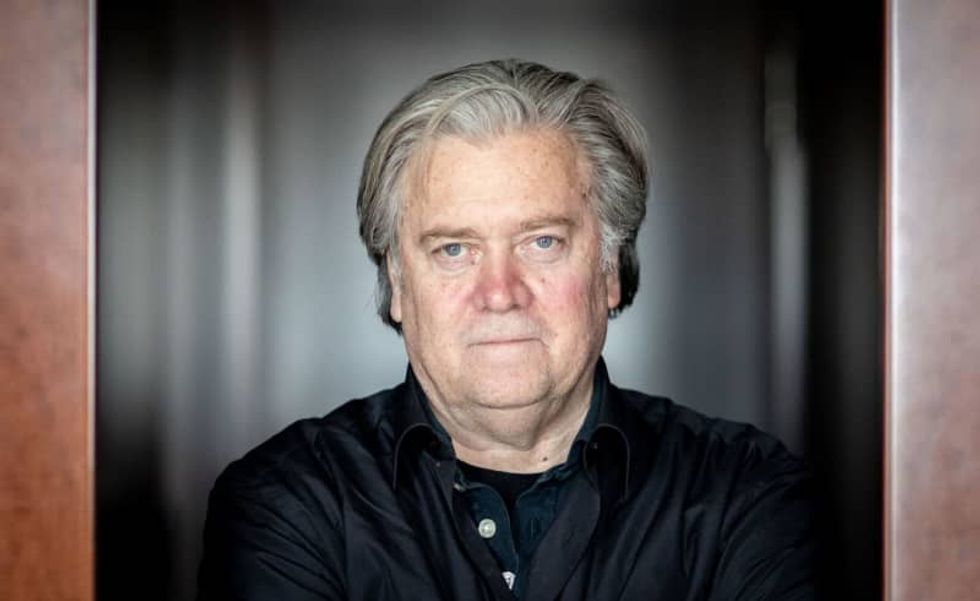
Their powers have not escaped the notice of right-wing populists such as Steve Bannon, who are increasingly mobilizing the boards to propagate their values.
Bannon called on his followers to "take back" school boards in his "War Room" podcast in May 2021. He demanded a "populist revolt," calling on parents to take action.
The atmosphere at school board meetings is also becoming increasingly heated, especially since last year, with shouting, physical attacks and even death threats, according to reports. But why now?
The Capitol attack of January 6, 2021, was a turning point, according to Kenneth Wong, a political scientist at the prestigious Brown University, in Providence, Rhode Island.
It opens up a much broader range of actions for those intent on disrupting or destabilizing state institutions, says Wong, whose focus is education policy.
People have always disagreed on issues, which is perfectly normal, he says. But society has been far more polarized since the attack on the Capitol. And the atmosphere is changing on school boards, he says, as the boundaries are stretched as to what is considered to be acceptable behaviour.
Wong says he thinks school boards are deliberately organizing this development, saying it's almost like a nationwide movement.
The situation has moved beyond the concerns that individual parents express, to become a network where ideas are exchanged.
The goal is to destabilize democratic institutions and the way they function, Wong says, referring to the threats and cases of aggression.
Meanwhile author Spiegelman described his "total bafflement" when he heard the school board's decision, in a television interview. He called the move "myopic," saying it suggested "autocracy and fascism."
The school board meanwhile countered that the book was written for adults.
Books are increasingly caught in the crossfire in this highly politicized atmosphere. There have also been repeated attempts to ban "The Bluest Eye," by Nobel laureate Toni Morrison, a story about an 11-year-old African American girl and her family and their struggles amid the dominant culture, in a work from 1970.
The more recent "All Boys Aren't Blue" by George Matthew Johnson has also been the subject of controversy. The "memoir-manifesto" is aimed at queer black youth, who do not identify with societal norms around gender and sexuality.
The issues of racism, along with sex education, including contraception and sexuality beyond heterosexuality, are riling parents. Some boards are banning critical race theory, which seeks to expose structural racism.
Republican Glenn Youngkin gained widespread support in his rejection of the theory when he ran to become governor of Virginia in 2021.
Democrat Joe Biden was ahead in Virginia in the presidential election a year earlier but Youngkin became governor - and made good on his promises.
"Our children deserve far better from their education than to be told what to think," his executive order reads, banning critical race theory in schools throughout the state.
Youngkin also opposes mask-wearing rules in schools, amid the outbreak of Covid-19. Society in the US has become increasingly divided by the policies introduced to contain the coronavirus, a further issue that is highly politicized.
School board members also wrangle over social distancing requirements, masks and vaccinations, with aggression levels rising. Parents meanwhile have joined demonstrations against mandatory mask-wearing nationwide.
Organized groups such as No Left Turn in Education are increasingly mobilizing parents nationwide against what they describe as "historical revisionism," or "political correctness," or the rejection of certain "American values."
Meanwhile the conservative Citizens for Renewing America has published a handbook to help people campaign to be elected onto school boards. Such groups have recently gained momentum.
It is hard to avoid interest groups getting involved, as schools are places of social debate, says Wong, adding that campaigns against racism, and others campaigning to protect their privileges, are not in themselves anything particularly new.
What has changed is how people are behaving ever more drastically, along with the tone, he says, since the Capitol attack.