Top Stories Daily Listen Now
RawStory

Science

A new study on Australian volcanoes has changed what we know about explosive ‘hotspot’ volcanism

Our new study published in Nature Geoscience on an ancient chain of Australian volcanoes is helping to change our understanding of “hotspot” volcanism.

You may be surprised to learn eastern Australia hosts the longest chain of continental hotspot volcanoes on Earth. These volcanoes erupted during the last 35 million years (for 1 to 7 million years each), as the Australian continent moved over an area of heat (a hotspot) inside the planet, also known as a fixed heat anomaly or mantle plume.

Keep reading... Show less

We’ve been connecting brains to computers longer than you’d expect. These 3 companies are leading the way

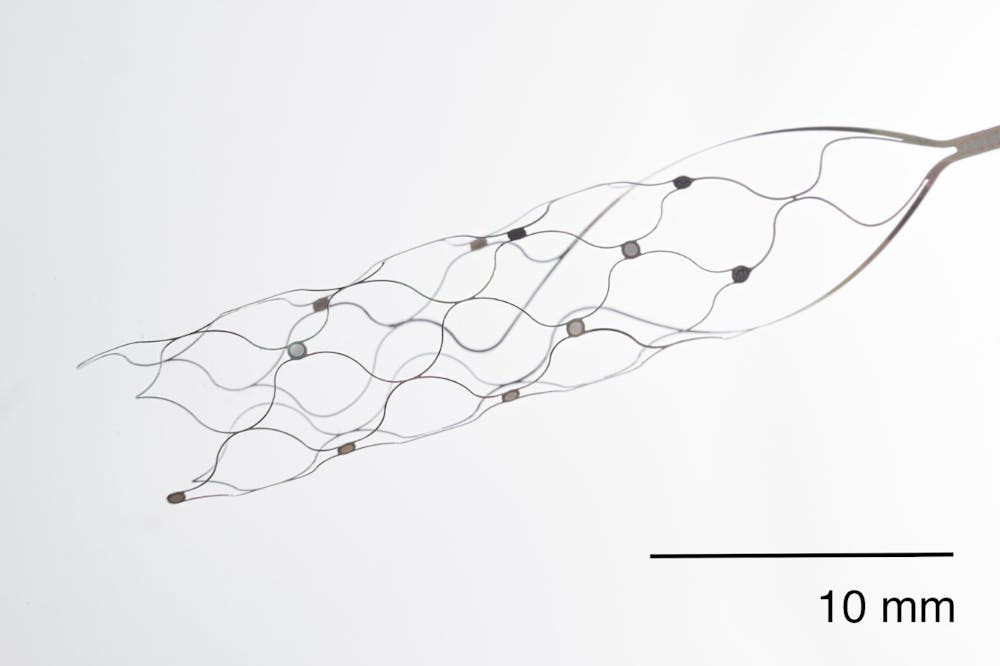
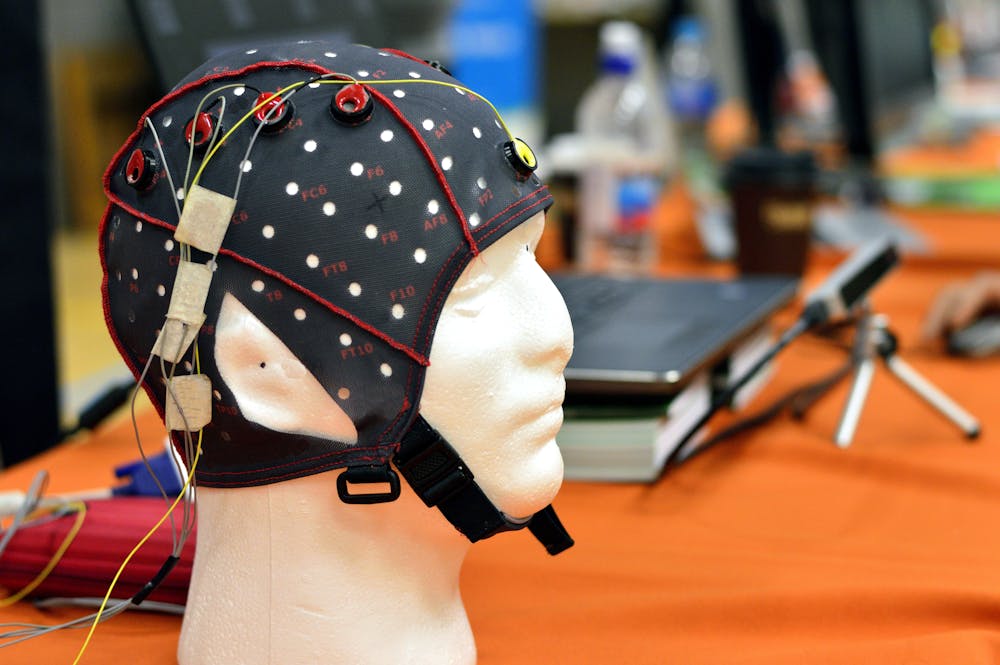
Since it was founded in 2016, Elon Musk’s brain-computer interface (BCI) company Neuralink has had its moments in biotech news.

Whether it was the time Musk promised his “link” would let people communicate telepathically, or when the whole company was under investigation for potentially violating the Animal Welfare Act, the hype around Neuralink means it’s often the first mental reference people have for BCI technology.

Keep reading... Show less

People with faceblindness aren’t believed by their doctors – here’s what needs to change

Imagine what life would be like if you couldn’t recognize your own family and friends unless they told you who they were. Now imagine no one will believe you and that even your doctor dismisses you, saying everyone forgets names sometimes.

Two recent studies show this is a common experience for people with a brain disorder called “developmental prosopagnosia” – or as it is more informally known, faceblindness. This type of prosopagnosia is lifelong, in contrast to “acquired prosopagnosia” which can develop after a brain injury. Sufferers struggle to recognize people who they know well and, in extreme cases, close family members and even photographs of themselves.

Keep reading... Show less

How do superconductors work? A physicist explains what it means to have resistance-free electricity

The modern world runs on electricity, and wires are what carry that electricity to every light, television, heating system, cellphone and computer on the planet. Unfortunately, on average, about 5% of the power generated at a coal or solar power plant is lost as the electricity is transmitted from the plant to its final destination. This amounts to a US$6 billion loss annually in the U.S. alone.

For decades, scientists have been developing materials called superconductors that transmit electricity with nearly 100% efficiency. I am a physicist who investigates how superconductors work at the atomic level, how current flows at very low temperatures, and how applications such as levitation can be realized. Recently, researchers have made significant progress toward developing superconductors that can function at relatively normal temperatures and pressures.

Keep reading... Show less

Marsupials and other mammals separately evolved flight many times, and we are finally learning how

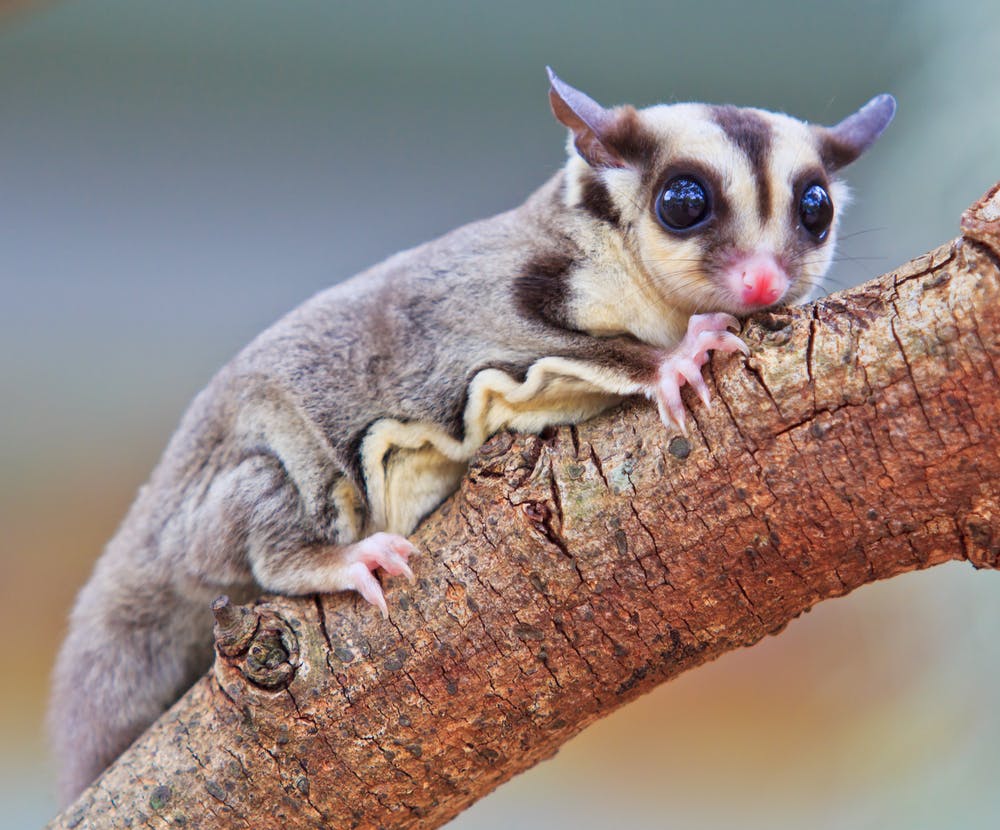
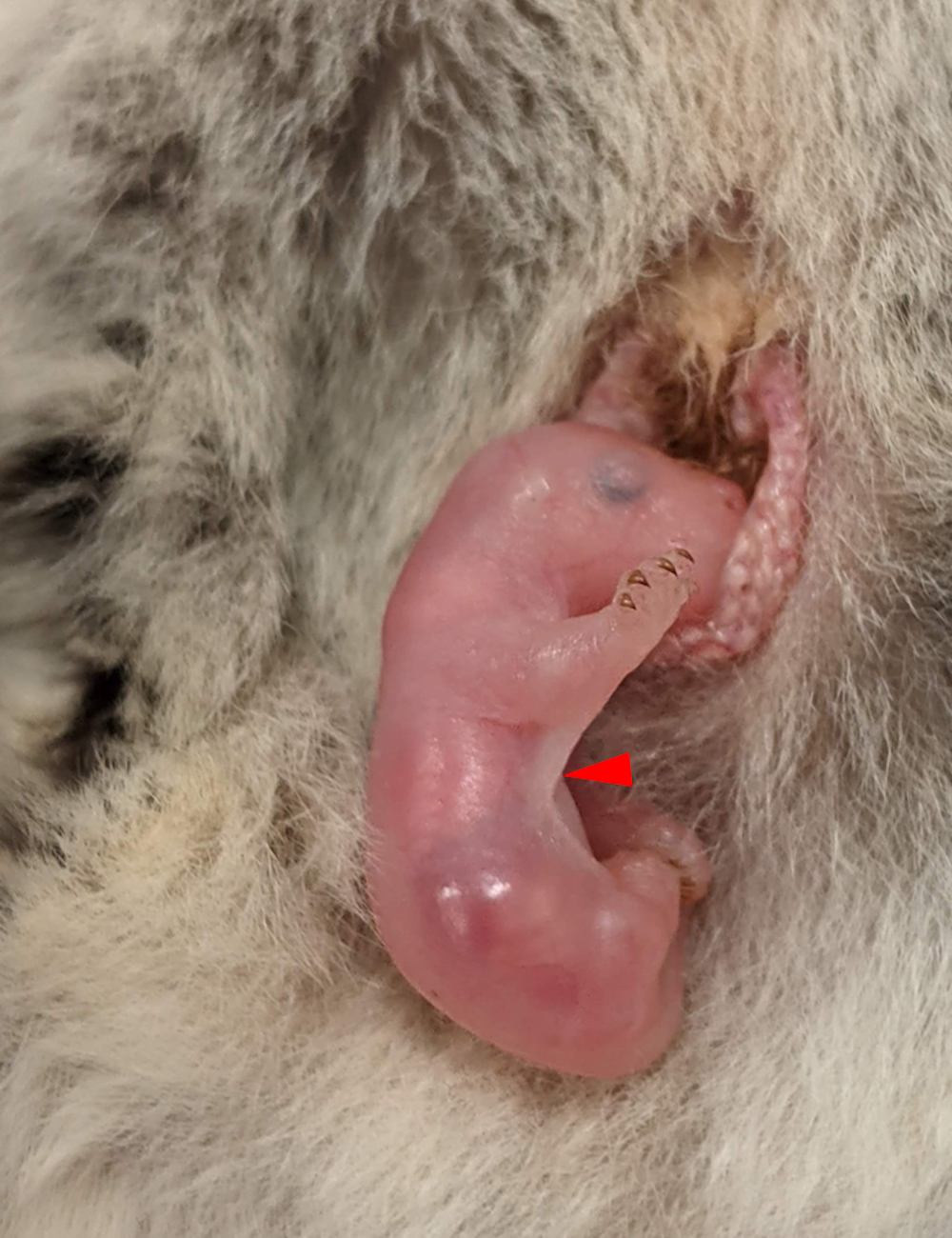
Shoot for the moon. Even if you miss, you’ll land on the next tree. Many groups of mammals seem to have taken this evolutionary advice to heart. According to our newly published paper in Science Advances, unrelated animals may even have used the same blueprints for building their “wings”.

While birds are the undisputed champions of the sky, having mastered flight during the Jurassic, mammals have actually evolved flight more often than birds. In fact, as many as seven different groups of mammals living today have taken to the air independently of each other.

Keep reading... Show less

Entire towns evacuated as climate-fueled wildfires start 'very early' in Spain

A large wildfire raging in Spain's eastern Valencia region forced more than 1,500 people to flee their homes on Friday, providing further evidence of life-threatening consequences of the fossil fuel-driven climate crisis and bolstering the case for meaningful mitigation efforts.

Since it broke out in the municipality of Villanueva de Viver on Thursday, Spain's first major wildfire of the year has destroyed more than 7,400 acres of forest, prompting evacuation orders in eight communities across the Castellón province.

Keep reading... Show less

Large asteroid to zoom between Earth and Moon

A large asteroid will safely zoom between Earth and the Moon on Saturday, a once-in-a-decade event that will be used as a training exercise for planetary defense efforts, according to the European Space Agency.

The asteroid, named 2023 DZ2, is estimated to be 40 to 70 meters (130 to 230 feet) wide, roughly the size of the Parthenon, and big enough to wipe out a large city if it hit our planet.

Keep reading... Show less

Himalayas: The climate time bomb threatening India

In the world's highest mountain range, global warming threatens thousands of glaciers, resulting in increasingly frequent natural disasters: landslides, avalanches and glacier collapses. Our reporters Alban Alvarez and Navodita Kumari travelled to the small northern Indian state of Uttarakhand, where these disasters are compounded by a rush to develop infrastructure such as hydroelectric dams.

Up in the foothills of the Himalayas, the region of Uttarakhand is getting the Indian government’s attention. The state of 10 million inhabitants, bordering both China and Nepal, has become a vast open-air building site. The government of Indian Prime Minister Narendra Modi fully intends to take advantage of the region’s geographical position to make it a hub for renewable energy.

Keep reading... Show less

Robots are performing Hindu rituals – and some devotees fear they’ll replace worshippers

It isn’t just artists and teachers who are losing sleep over advances in automation and artificial intelligence. Robots are being brought into Hinduism’s holiest rituals – and not all worshippers are happy about it.

In 2017, a technology firm in India introduced a robotic arm to perform “aarti,” a ritual in which a devotee offers an oil lamp to the deity to symbolize the removal of darkness. This particular robot was unveiled at the Ganpati festival, a yearly gathering of millions of people in which an icon of Ganesha, the elephant-headed god, is taken out in a procession and immersed in the Mula-Mutha river in Pune in central India.

Ever since, that robotic aarti arm has inspired several prototypes, a few of which continue to regularly perform the ritual across India today, along with a variety of other religious robots throughout East Asia and South Asia. Robotic rituals even now include an animatronic temple elephant in Kerala on India’s southern coast.

Keep reading... Show less

Why thousands of volunteers are transcribing the notebooks of the scientist who inspired Mary Shelley’s Frankenstein

Sir Humphry Davy (1778-1829) is usually remembered as the inventor of a revolutionary miner’s safety lamp. But his wild popularity came as much from his influence on popular culture as it did from his contributions to chemistry and applied science.

In the first few years of the 19th century, there was no hotter spectacle in London than Davy’s lectures at the Royal Institution. The carriage traffic jams caused by his keen audience led to the introduction of London’s first one-way street.

Hundreds of members of the public, many of them women, crowded into the lecture theatre to hear the charismatic Davy speak about his cutting edge research. They would watch demonstrations of his work, which often included elaborate explosions and other breathtaking displays.

Keep reading... Show less

Researchers turned superglue into a recyclable, cheap, oil-free plastic alternative

The Research Brief is a short take about interesting academic work.

The big idea

Our team used superglue as a starting material to develop a low-cost, recyclable and easily produced transparent plastic called polyethyl cyanoacrylate that has properties similar to those of plastics used for single-use products like cutlery, cups and packaging. Unlike most traditional plastics, this new plastic can be easily converted back to its starting materials, even when combined with unwashed municipal plastic waste.

Keep reading... Show less

Lauren Boebert brings photos of human fetuses to hearing on endangered species

Rep. Lauren Boebert (R-CO) on Thursday presented photos of human fetuses at a hearing on endangered species.

During Water, Wildlife and Fisheries Subcommittee hearing, Boebert was recognized to present her bill to remove the Gray Wolf from the list of endangered species.

Keep reading... Show less

New 'glass-like' orchid species discovered in Japan

A new species of orchid with delicate, glass-like blooms has been discovered by Japanese scientists, who found the pink and white plant hiding in plain sight.

Despite its presence in Japan's parks and gardens, it took researchers at Kobe University a decade to confirm that the plant -- dubbed the "Spiranthes hachijoensis" -- was a previously unknown species.

Keep reading... Show less