Top Stories Daily Listen Now
RawStory

Science

First private mission reaches International Space Station

  1. The first fully private mission reached the International Space Station early Saturday with a four-member crew from startup company Axiom Space.

NASA has hailed the three-way partnership with Axiom and SpaceX as a key step towards commercializing the region of space known as "Low Earth Orbit," leaving the agency to focus on more ambitious voyages deeper into the cosmos.

A SpaceX Falcon 9 rocket with the Crew Dragon capsule Endeavor docked at 1229 GMT Saturday and the crew entered the space station nearly two hours later, after launching from the Kennedy Space Center in Florida on Friday.

Keep reading... Show less

Space tourism: the arguments in favor

To its many detractors, space tourism amounts to nothing more than joy-rides for the global super rich that will worsen the planet's climate crisis.

But the nascent sector also has supporters, who, while not rejecting the criticism outright, argue the industry can bring humanity benefits too.

Keep reading... Show less

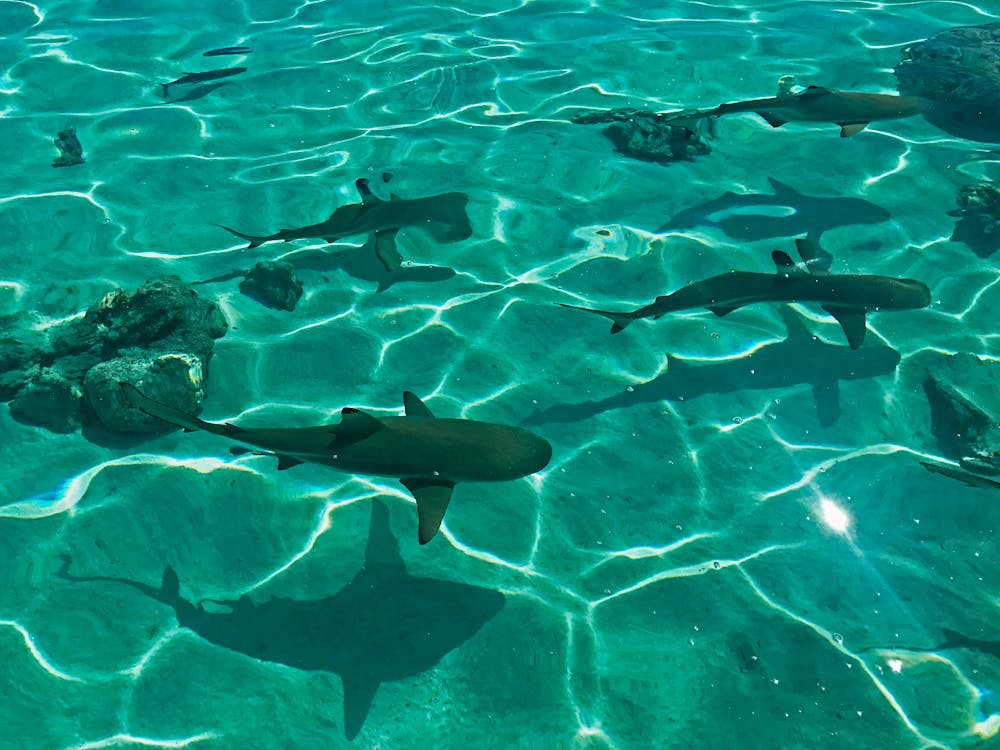
Animals sleep -- but little is known about how sharks do it

Sharks used to figure prominently in my nightmares: coming after me in the ocean, rivers, swimming pools. But after spending some time with these elusive creatures in 2015, a more compelling question started to keep me up at night — do the very creatures that invade my dreams engage in sleep themselves?

As the world’s leading — and only — authority in sleep in elasmobranchs (sharks and rays), my research team and I have begun to unravel this enigma, and our latest findings of physiological evidence of sleep in sharks are the most conclusive on the topic yet.

Keep reading... Show less

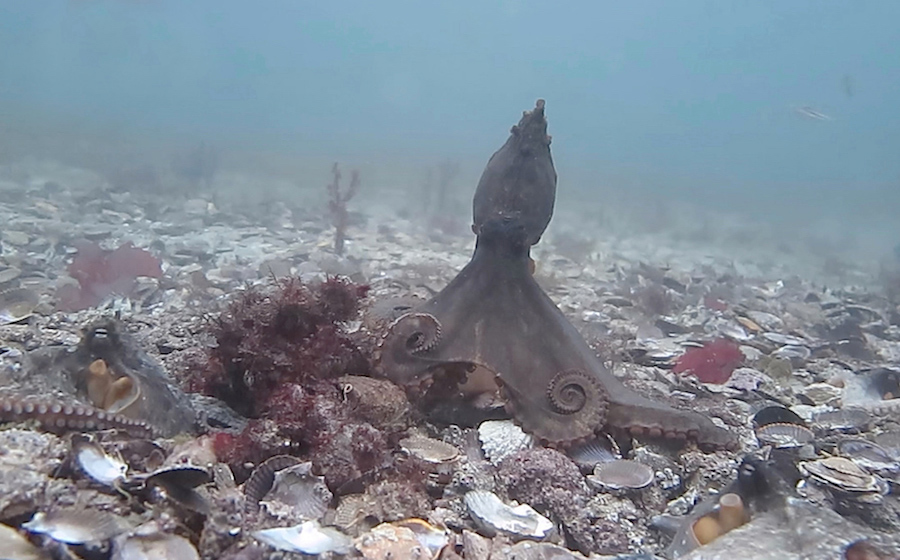
The hidden world of octopus cities and culture shows why it’s wrong to farm them

A recently proposed aquaculture octopus farm in the Canary Islands would raise 3,000 tonnes of octopus a year, which means almost 275,000 individual octopuses will be killed annually.

My research examines animal minds and ethics, and to me, the phrase “octopus culture” brings to mind Octopolis and Octlantis, two communities of wild octopuses in Jarvis Bay, Australia.

Keep reading... Show less

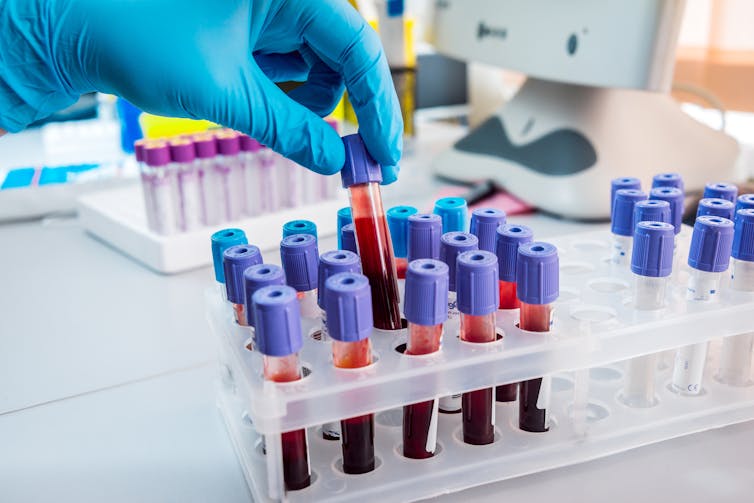
We found a genetic link between routine blood test results and mental health disorders

Mental health disorders including depression, schizophrenia, and anorexia show links to biological markers detected in routine blood tests, according to our new study of genetic, biochemical and psychiatric data from almost a million people.

The research will increase our understanding of what causes mental illness and may help to identify new treatments.

Healthy body, healthy mind

People often consider mental health as separate from the health of the rest of the body. This is far from true: there is clear evidence many biochemical substances involved in diseases such as diabetes and autoimmune conditions directly impact the function of our brain.

Keep reading... Show less

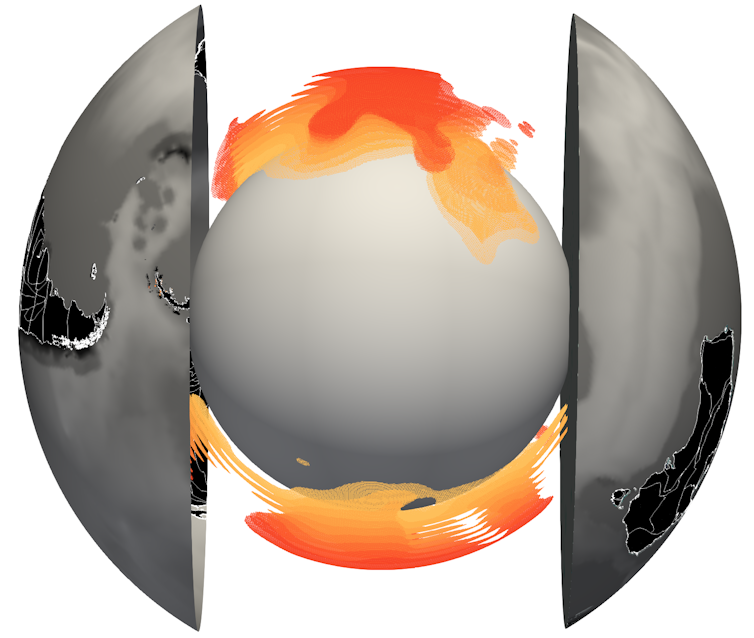
Volcanoes, diamonds, and blobs: a billion-year history of Earth’s interior shows it’s more mobile than we thought

Deep in the Earth beneath us lie two blobs the size of continents. One is under Africa, the other under the Pacific Ocean.

The blobs have their roots 2,900km below the surface, almost halfway to the centre of the Earth. They are thought to be the birthplace of rising columns of hot rock called “deep mantle plumes” that reach Earth’s surface.

When these plumes first reach the surface, giant volcanic eruptions occur – the kind that contributed to the extinction of the dinosaurs 65.5 million years ago. The blobs may also control the eruption of a kind of rock called kimberlite, which brings diamonds from depths 120-150km (and in some cases up to around 800km) to Earth’s surface.

Keep reading... Show less

The South African ship that found Antarctica’s Endurance wreck is vital for climate science

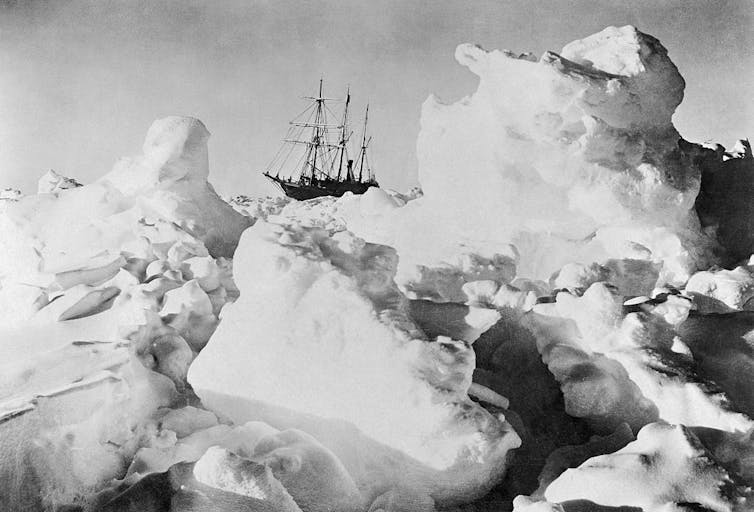
It was 1914 when the English explorer Sir Ernest Shackleton set sail on his Imperial Trans-Antarctic Expedition aboard a ship called Endurance. It was an ill-fated journey: the ship got trapped in the ice and eventually crushed by pack ice in 1915. It sank to the bottom of Antarctica’s Weddell Sea. (Shackleton and his entire crew survived the ordeal by escaping in smaller boats.

It was difficult to believe that the Endurance might ever be found. The icy Weddell Sea is inhospitable and the wreck lay in more than 3000 metres of water. But thanks to a South African vessel, the SA Agulhas II, Endurance was found in March 2022. It was the second time the polar icebreaker reached the coordinates that Endurance’s Captain Frank Worsley recorded as the ship went down. The first was in 2019; the ship was not located on that occasion.

Keep reading... Show less

First private mission readies for launch to ISS

The first fully private mission to the International Space Station is set to blast off Friday with a four-member crew from startup company Axiom Space.

The partnership has been hailed by NASA, which sees it as a key step in its goal to commercialize the region of space known as "low Earth orbit," leaving the agency to focus on more ambitious endeavors deeper into the cosmos.

Keep reading... Show less

Scientists just identified over 5,500 new viruses in the ocean - including a missing link in viral evolution

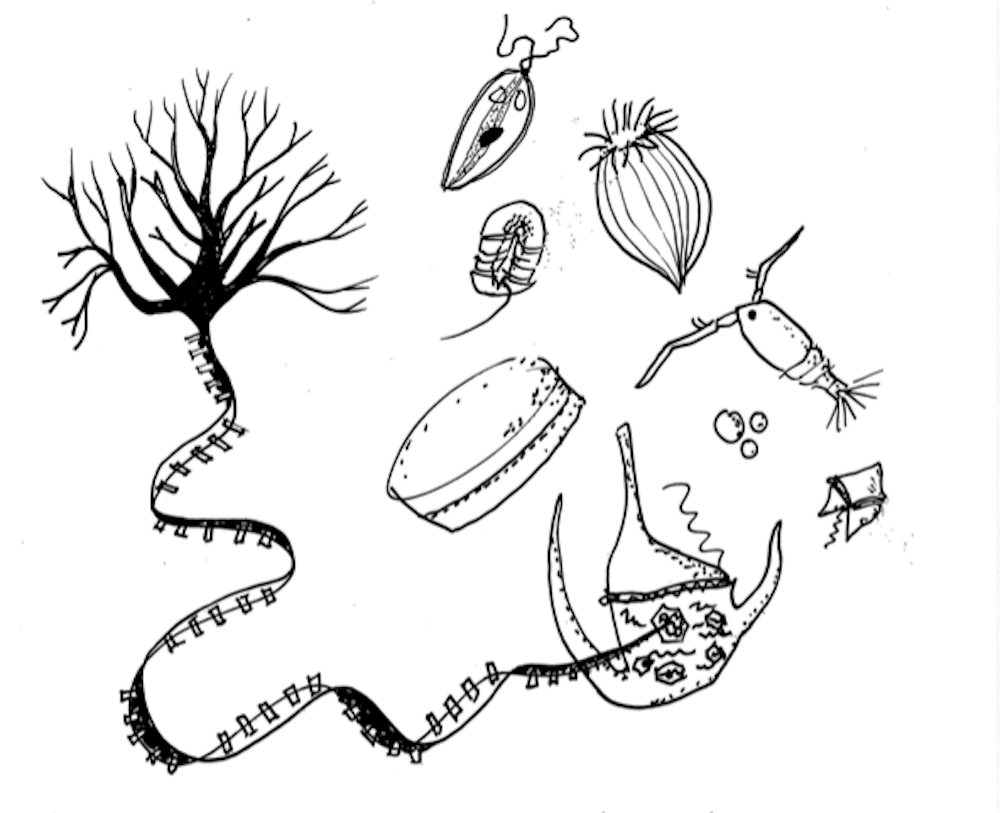
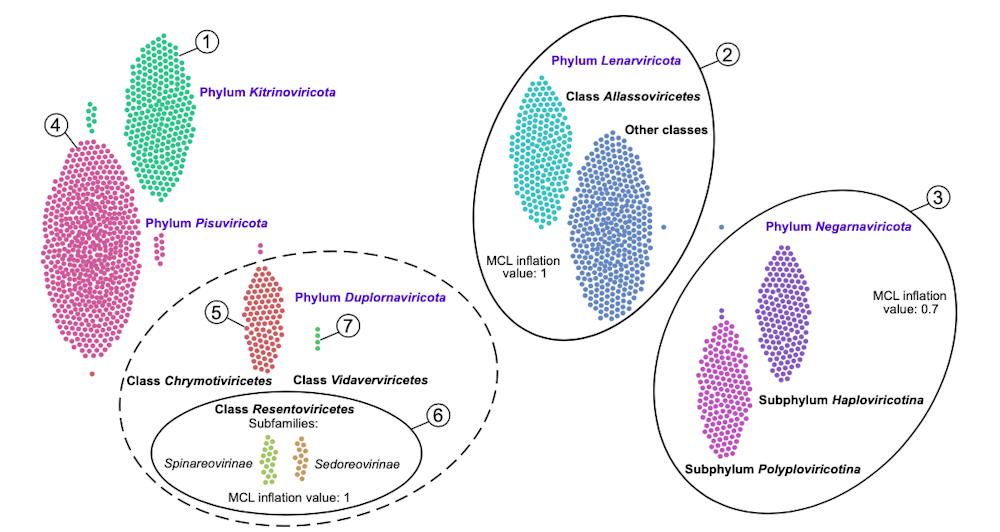
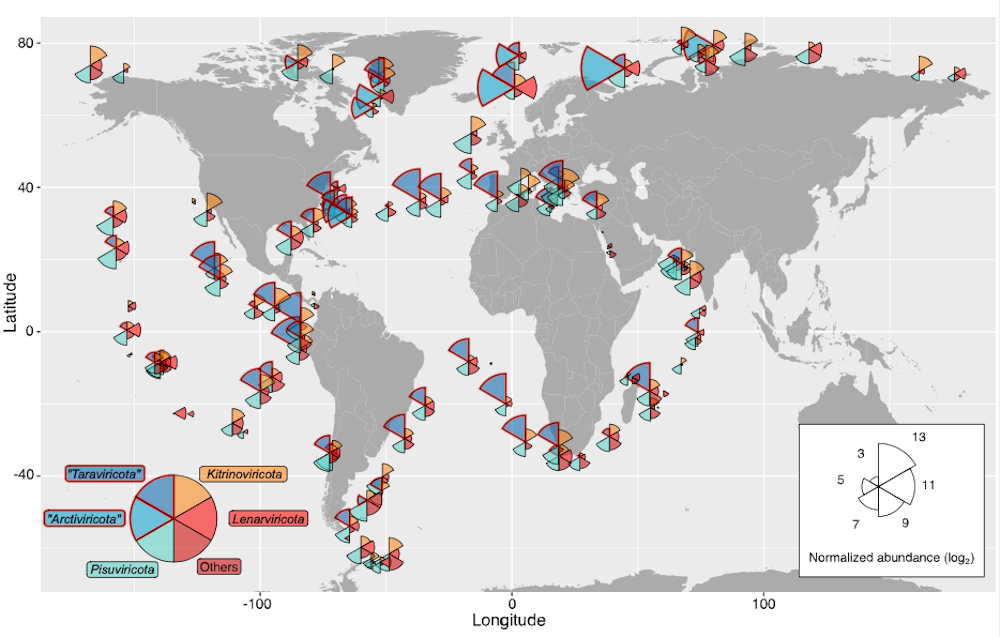
An analysis of the genetic material in the ocean has identified thousands of previously unknown RNA viruses and doubled the number of phyla, or biological groups, of viruses thought to exist, according to a new study our team of researchers has published in the journal Science.

RNA viruses are best known for the diseases they cause in people, ranging from the common cold to COVID-19. They also infect plants and animals important to people.

Keep reading... Show less

Increase in atmospheric methane set new record in 2021: US

For the second year running, US scientists observed record increases in the atmospheric concentration of the potent greenhouse gas methane, the National Oceanic and Atmospheric Administration (NOAA) said Thursday.

Methane, the second biggest contributor to global warming after carbon dioxide, is generated by the production, transport and use of fossil fuels, but also from the decay of organic matter in wetlands, and as a byproduct of ruminant digestion in agriculture.

Keep reading... Show less

‘Stomach flu’ on the rise again in US. 5 things to know about noroviruses

While COVID-19 cases continue to drop in the U.S., outbreaks of another virus — the stomach flu — are ramping up, the Centers for Disease Control and Prevention reports. This comes amid easing virus restrictions nationwide. For most of the U.S., roughly 99.5%, it isn’t recommended to wear a mask indoors in public because of low or medium COVID-19 Community Level as of March 31, the CDC says. Meanwhile, 448 norovirus outbreaks were reported in the U.S. from Aug. 1, 2021, to March 5, 2022, according to the agency. In comparison, that’s 370 more outbreaks than reported from Aug. 1, 2020, to March...

Why does pollen make you miserable? Here’s why it triggers allergies — and some tips

Temperatures are getting warmer, cherry blossoms are blooming — in short, spring is here, and with it, so is allergy season. Allergies in general — whether it be to food, pets or pollen — occur when the body’s immune system “sees a substance as harmful and overreacts to it,” according to the Asthma and Allergy Foundation of America. And that is exactly what happens when pollen enters the body through the nose, eyes or mouth. The immune system mistakenly identifies it as a threat and triggers some of the well-known allergy symptoms: sneezing, runny nose and congestion, according to the Centers ...

Meet the scientist who wants to control the weather

It is easy to forget that clouds — yes, those big, cottonball-resembling things in the sky — are comprised of thousands of tiny particles, so small that they float through the air instead of settling on the ground. These are known as aerosols, and for scientists like geoengineering expert Dr. Hannele Korhonen — who has ambitions to control the weather — they are a lifelong passion.

That passion is at the heart of "How to Kill a Cloud," a new documentary that premieres on VICE's The Short List on Thursday, April 7th on VICE.com. The title is apt both literally and for figurative reasons: It chronicles Korhonen's doomed pie-in-the-sky dream — which takes her from her native Finland to the United Arab Emirates (UAE) on a $1.5 million grant — to make it possible for people to create rainclouds in the desert. As Korhonen hobnobs with one percenters and wrestles with the ethical implications of manipulating the weather, "How to Kill a Cloud" uses a light touch to cut between Korhonen's obviously sincere and brilliant fascination with science and the grubby networking that is required as she pursues her dream.

Keep reading... Show less