According to a report from the Washington Post, staffers at the National Oceanic and Atmospheric Administration (NOAA) were warned to not issue any corrections on statements President Donald Trump made about Hurricane Dorian.
With one official now backing the president's remarks about the possibility of Alabama being hit by the tropical hurricane -- that came long after it changed course and moved up the eastern seaboard -- the Post notes the NOAA wanted staffers and scientists to remain silent.
"In an agencywide directive sent Sept. 1 to National Weather Service personnel,hoursafter Trump asserted, with no evidence, that Alabama 'would most likely be hit (much) harder than anticipated,' staff was told to 'only stick with official National Hurricane Center forecasts if questions arise from some national level social media posts which hit the news this afternoon,'" the Post reports.
According to a copy of the internal email obtained by the Post, staffers were instructed to not “provide any opinion.”
Speaking with the Post, one meteorologist who asked to not be named said the email was widely believed "internally to be referring to Trump and came after the National Weather Service office in Birmingham contradicted the president in a statement.
“This is the first time I’ve felt pressure from above to not say what truly is the forecast,” the meteorologist explained. “It’s hard for me to wrap my head around. One of the things we train on is to dispel inaccurate rumors and ultimately that is what was occurring — ultimately what the Alabama office did is provide a forecast with their tweet, that is what they get paid to do.”
If you’ve ever slipped your Labrador a handful of popcorn, or found that she helped herself to the trash while you were away, you know the human-dog relationship is strongly connected with food. Those wary eyes at Neolithic campsites had much in common with the wistful ones following every bite of your dinner. Dogs have been living alongside us for at least 12,000 years, eating many of the same things we do — both given or scavenged.
In general, ancient diets can provide a valuable window into the past, revealing how food webs and ecosystems changed as we migrated around the globe. But human evidence isn’t always available. When it isn’t possible to crack open human bones for clues, archaeologists have sometimes turned to dogs — assuming that whatever people were eating, the pups were too.
The idea of using dog remains to decipher what humans ate has been around since the late 1970s. Known as the “canine surrogacy approach,” (CSA) it offers a clever backdoor to understanding how humans hunted, foraged, and cultivated their way around the world. Plants and animals leave different chemical traces in the hair, bone, and teeth of the living things that eat them, readable as isotopic “signatures.” “Stable isotope analysis” offers a powerful tool for capturing these records within the body, essentially taking snapshots of individual diets and panoramas of food webs. This approach measures the proportions of carbon, nitrogen, sulfur, and other elements important in biology and traces that signature to the food eaten in the past (they are “stable” because this experiment analyzes non-radioactive elements that don’t break down over time, like carbon-14 measured in radiocarbon dating). But it isn’t always possible to use human remains — due to lack of preservation, lack of access, and ethical concerns regarding the destructive nature of the process.
Since the 1970s, archaeologists have applied this idea with varying levels of success, finding dog diets bothmirroring and divergingfrom that of humans. But, the approach has its critics. When it comes to isotope values, archaeologists disagree about how close is close enough for dogs to serve as substitutes for human beings. For example, carbon isotope ratios can reflect consumption of different types of plants; similarly, the more animal products someone consumes, the higher their nitrogen isotope ratios generally are. Even a three percent difference in these isotope values between individuals can mean they occupy different levels in the food chain. But until recently, no one had broadly applied the CSA to a living population to test it.
But in 2018, a team of researchers used this strategy in a contemporary indigenous community in two Nicaraguan villages, and found, by and large, dogs and humans dine from the same menu. The scientists compared dog and human diets, and discovered that dogs mirrored human diets at the community level, over the villages as a whole. But at the individual level, dogs didn’t necessarily reflect the diets of their owners. This demonstrates what the canine surrogacy approach can be good for (showing the spectrum of what a community ate), and what it might not be good for (finding out what a certain household ate).
Because the scientists looked at a living population, this team was able to simplify the comparison of dogs and humans: pairing the isotope findings with actual observations of what both species ate. But the strength of this test also illuminates exactly why the CSA can be so complicated in an archaeological context. For example, dogs may eat a lot of things humans don’t – not just bone and poop, but also low-status or taboo foods. In a living population we can observe culturally founded eating patterns that people abide by and their dogs do not — but in the archaeological record, this can be more difficult. Even in this study, people from wealthier households and dogs from poorer households both showed high carbon values — although likely for different reasons. Villagers with more resources ate processed food containing corn byproducts with higher carbon values than other plants, and poorer dogs scavenged livestock feces or bone, which has a higher carbon value than meat.
Of course, this is just one study with a limited population size. Confirming the ability to use dogs as proxies for humans is difficult because of the complex nature of that relationship, which varies widely across time and space. Studies in other cultural contexts are needed, but these findings are the first step in that direction.
While dogs do not necessarily mirror the diets of their individual owners, their potential to reflect the spectrum of what a human community eats is still significant. If dog populations generally share the same menu as the people they live alongside, canines might be the key to unlocking new data on ancient diets — and therefore revealing how we feasted our way from the past to the Anthropocene present.
India's space agency on Saturday lost communication with its spacecraft just before it was due to land near the South Pole of the Moon, in a blow to the nation's lunar ambitions.
India had hoped to become just the fourth country -- after the United States, Russia and China -- to successfully land on the Moon.
The country also aimed to be the first to land in the Southern Polar region, an area the Indian Space Research Organization (ISRO) said was "completely unexplored".
"The Vikram lander descent was (ongoing) as planned and normal performance was observed," ISRO chairman Kailasavadivoo Sivan said in the control room at the southern city of Bangalore.
"Subsequently the communication from lander to ground station was lost. The data is being analyzed," he said.
Prime Minister Narendra Modi, who travelled to the Bangalore space centre to watch the landing, told scientists after Sivan's announcement that "what you have done (already) is not a small achievement".
"Ups and downs keep coming in life. Your hard work has taught us a lot and the entire country is proud of you," he added.
"If the communication (with the lander) starts again... hope for the best... Our journey will carry on. Be strong. I am with you."
ISRO acknowledged before the landing, due to occur at about 1:55 am New Delhi time (2025 GMT), was a complex manoeuvre, with Sivan calling it "15 minutes of terror".
Given these realities, it would be easy to assume that all Hoosiers largely doubt climate change and humans’ contribution to it. The truth is surprising.
My research focuses on the human dimensions of climate change, including public opinion. In a recent statewide survey, I found that the majority of Indiana residents supported taking action on climate change. However, most Hoosiers underestimate just how widespread this view is in their state.
Evolving perspectives
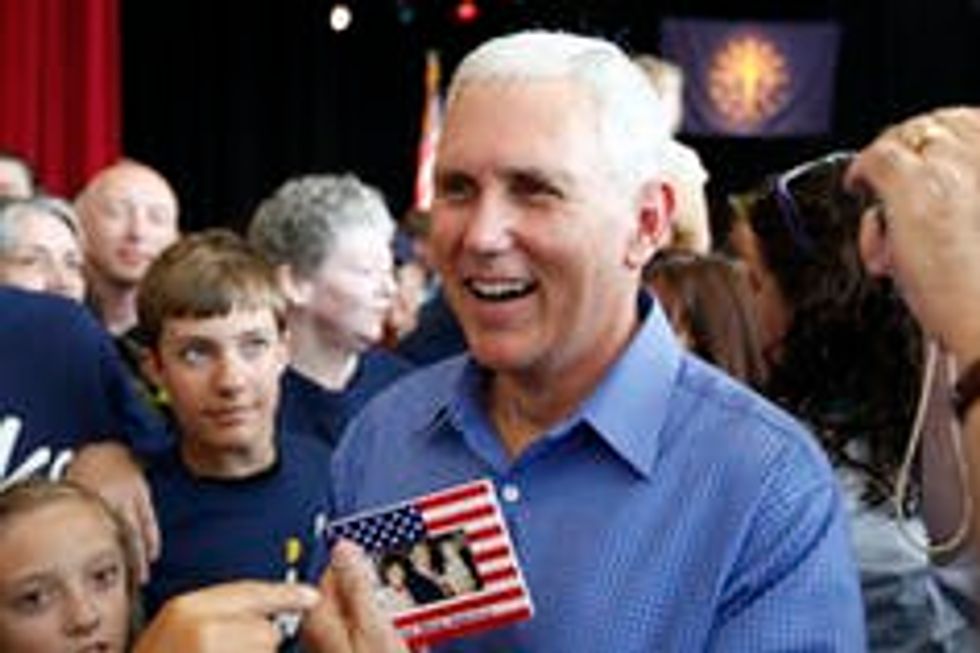
Vice President Mike Pence opposed federal action to address climate change as governor of Indiana.
To explore climate change views, my colleagues and I commissioned an online survey of 1,002 Indiana residents statewide in April 2019. The most reported political affiliation was Republican (28%), though there was a wide diversity of affiliations across the sample. A slight majority were men (52%) and the largest age category was 25-34 (20%).
I found that, overall, Hoosiers believed that climate change was real and was happening. Around 80% of respondents reported believing that climate change was occurring “somewhat” or “to a great extent.”
Similarly, a majority felt that climate change will harm Indiana’s economy “somewhat” or to a “great extent” (77%) and that climate change was “already” causing harm in the United States or would by 2030 (72%). Over 65% “somewhat” or “strongly agreed” that climate change effects are greater now than five years ago, and 75% supported initiatives to address these impacts in Indiana.
In the United States, the public’s view of climate change often divides along party lines, and respondents in my survey were no exception. Those identifying with more conservative parties reported lower levels of belief in and support for action on climate change across the board.
Still, a majority of Republicans – 66% – believed climate change is real, compared to 91% of Democrats, and supported initiatives to address it. A slight majority of Republicans reported that their acceptance of the reality of climate change had strengthened over the last five years. The fact that these attitudes were held by a majority of respondents of all political affiliations was our most surprising finding.
Underestimating climate change consensus
If citizens keep their support for acting on climate change to themselves, society struggles to build consensus. But relatives and friends can influence individuals’ attitudes on climate.
Research shows that people’s willingness to change their beliefs or attitudes depends to a great extent on what they already perceive as normal. Therefore, I next examined whether Hoosiers correctly perceived the existence of widespread support for climate change in their state. My survey asked, “What percentage of other Indiana residents do you think believe climate change is happening (whether caused by human activity or not)?”
On average, respondents underestimated by about 24% how many Hoosiers accept climate change. Doubters thought that most others shared their skepticism, estimating that only around 43% in Indiana held the opposite opinion.
Surveyed Hoosiers who believed climate change is happening perceived that a higher percentage of Hoosiers felt like them. However, they too underestimated the percentage who accepted the reality of climate change’s occurrence, by around 20 points on average.
Such misperceptions hinder action on climate change. Previous research has shown skeptics can fall prey to a “false consensus effect” – the tendency to assume one’s own opinion is held by a majority of others. For example, climate skeptics who falsely assume that most others share their opinion are less likely to change their minds. But if they recognize that a consensus exists on the issue and is different from their own initial belief, that could encourage more conservatives to believe in climate change.
In the same way, believers who underestimate just how many actually agree with them are more likely to self-silence for fear of being stigmatized. They may avoid calling their political representatives to urge support of climate change policies. Researchers have identified such “pluralistic ignorance” in studies of college students and social norms around alcohol use.
Capitalizing on consensus, fighting misperceptions
Even in a state as conservative as Indiana, belief that climate change is occurring and support for action to curb it are now mainstream.
Our survey did not ask more controversial questions, such as whether humans had a role in causing climate change or how to reduce emissions. While I expect that many in the state remain divided on these issues, I still find my results encouraging.
Perhaps one sign of quietly changing attitudes in Indiana is South Bend Mayor and presidential candidate Pete Buttigieg’s rise in national polls, due in part to his climate change agenda, which Buttigieg has linked to broader action to revive rural America.
South Bend Mayor Pete Buttigieg has made climate change part of his agenda in campaigning for the 2020 Democratic presidential nomination.
Addressing climate change will require major societal changes, which in turn will require overcoming barriers that discourage or prevent collective action. Hoosiers’ underestimation of local consensus on climate change is likely one such barrier in Indiana.
I also see it as critical for individuals who believe climate change is occurring to discuss the topic with friends and relatives, especially if these loved ones are doubters. Helping people to recognize just how normal it is to believe in climate change could lead to broader calls for action in Indiana and beyond.
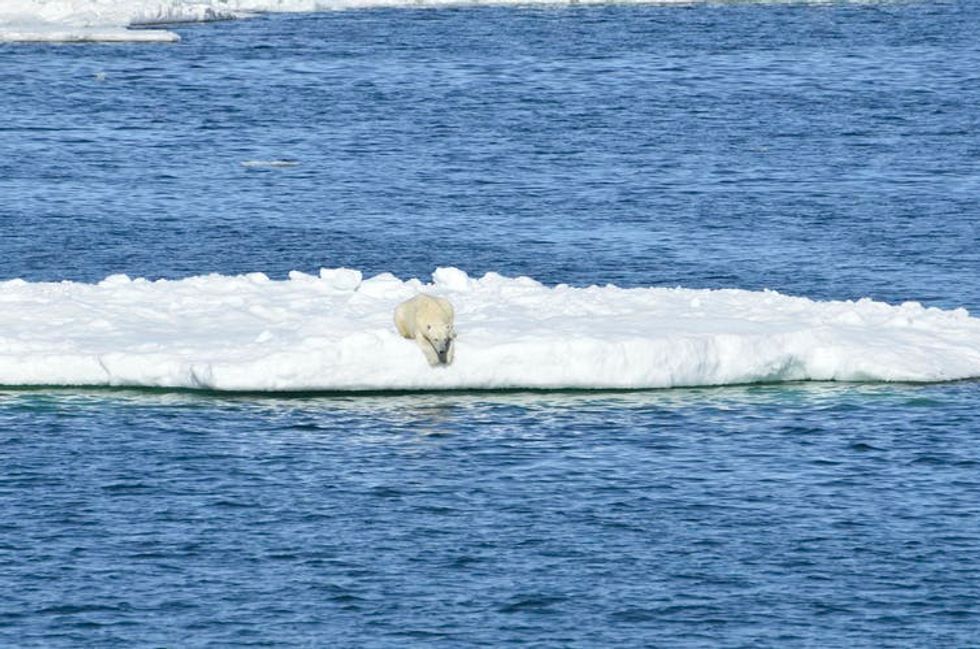
Scientists say climate change is causing powerful hurricanes like Dorian to increasingly stall over coastal areas, which leads to heavy flooding. Officials in the Bahamas feared “unprecedented” devastation after Dorian hovered over the islands for two days, pummeling it with rain.
Late last year, the media blared that these and other consequences of climate change could cut U.S. GDP by 10% by the end of the century – “more than double the losses of the Great Depression,” as The New York Times intoned. That figure was drawn from a single figure in the U.S. government’s Fourth National Climate Assessment. (Disclosure: I reviewed that report and was the vice chair on the third one, released in 2014.)
If that sounds scary, I have good news and bad news. The good news is that that figure was drawn incorrectly from a significant misreading of the report – which actually offered a range of a loss of GDP from as low as 6% to as high as 14% by 2090.
The bad news, however, is that a more meaningful assessment of the costs of climate change – using basic economic principles I teach to undergrads – is a hell of a lot scarier.
Tallying the costs
First, let’s look at how government agencies, insurance companies and the media calculate and report on the economic costs of disasters.
According to the National Oceanic and Atmospheric Administration, in 2018 Hurricanes Michael and Florence each caused about US$25 billion in damages, contributing to a total toll of $91 billion from that year’s weather and climate disasters. In 2017, the NOAA’s total was even bigger: $306 billion, due to the massive destruction from Hurricanes Harvey, Irma and Maria.
But these tallies are not really valid measures of economic damage. Instead, they simply reflect estimates of what people think will need to be invested to rebuild what was damaged or destroyed in the storms, floods or fires.
To really understand the economic costs of an extreme weather event, it’s important to consider all the investment that is being “crowded out” or lost to cover those rebuilding costs. Put another way, there’s only so much money to go around. And that $25 billion being used to rebuild means $25 billion is not being used for other public and private investment opportunities that are more forward-looking or more likely to promote growth.
Accounting for growth
Instead, I believe a fundamentally more sound way to do this is to use something called “growth accounting.”
Growth accounting incorporates the productive use of capital and innovation into the equation. The question we want to ask is what happens to GDP growth when recovery efforts from extreme events crowd out productive investments, like building new factories or roads and bridges.
Returning to NOAA’s estimated losses for 2017 and 2018, productive investment fell about $400 billion in total in those years as a result. That is, had those disasters not happened, investment would have been that much higher. And that diminished investment translates into less growth in gross domestic product – a measure of all an economy produces in a given period.
If similar experiences in extreme events occur for the next 10 years – which is not a bad assumption given that four of the most expensive years in history have occurred in the last five – U.S. GDP in 2029 would be about 3.6% lower than it would have been otherwise, based on my calculations using growth accounting.
That amounts to an economy that’s $1 trillion poorer as result of these extreme weather events crowding out productive investment.
This is the real cost of a world in which these types of massively destructive disasters happen more frequently.
Climate change costs may be unfathomable by the end of the century.
Returning to our 10% figure, 3.6% is comparatively smaller, of course, but it’s much sooner, which makes it much scarier.
Why?
Because the number of extreme events and their destructive power keeps increasing at an accelerating rate. If we can expect to take a $1 trillion hit over just the next decade, the costs by the end of the century are hardly fathomable.
So while I may disagree with the numbers The New York Times and others use in tallying disasters, they are right to try to spur readers to action.
The situation is just a lot more dire then anyone realizes. With any luck, the size of the figure will frighten us to do more to stave off the worst.
The use of artificial intelligence in medicine is generating great excitement and hope for treatment advances.
AI generally refers to computers’ ability to mimic human intelligence and to learn. For example, by using machine learning, scientists are working to develop algorithms that will help them make decisions about cancer treatment. They hope that computers will be able to analyze radiological images and discern which cancerous tumors will respond well to chemotherapy and which will not.
But AI in medicine also raises significant legal and ethical challenges. Several of these are concerns about privacy, discrimination, psychological harm and the physician-patient relationship. In a forthcoming article, I argue that policymakers should establish a number of safeguards around AI, much as they did when genetic testing became commonplace.
Potential for discrimination
AI involves the analysis of very large amounts of data to discern patterns, which are then used to predict the likelihood of future occurrences. In medicine, the data sets can come from electronic health records and health insurance claims but also from several surprising sources. AI can draw upon purchasing records, income data, criminal records and even social media for information about an individual’s health.
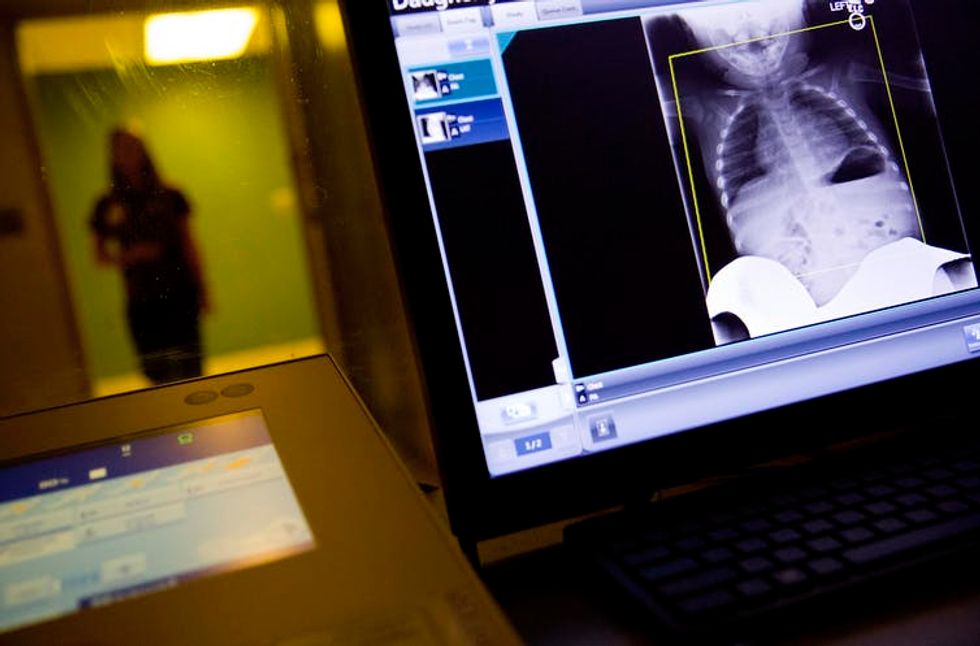
The hope is that AI will be able to read radiological images more efficiently than a human.
Researchers are already using AI to predict a multitude of medical conditions. These include heart disease, stroke, diabetes, cognitive decline, future opioid abuse and even suicide. As one example, Facebook employs an algorithm that makes suicide predictions based on posts with phrases such as “Are you okay?” paired with “Goodbye” and “Please don’t do this.”
This predictive capability of AI raises significant ethical concerns in health care. If AI generates predictions about your health, I believe that information could one day be included in your electronic health records.
Anyone with access to your health records could then see predictions about cognitive decline or opioid abuse. Patients’ medical records are seen by dozens or even hundreds of clinicians and administrators in the course of medical treatment. Additionally, patients themselves often authorize others to access their records: for example, when they apply for employment or life insurance.
Data broker industry giants such as LexisNexis and Acxiom are also mining personal data and engaging in AI activities. They could then sell medical predictions to any interested third parties, including marketers, employers, lenders, life insurers and others. Because these businesses are not health care providers or insurers, the HIPAA Privacy Rule does not apply to them. Therefore, they do not have to ask patients for permission to obtain their information and can freely disclose it.
Such disclosures can lead to discrimination. Employers, for instance, are interested in workers who will be healthy and productive, with few absences and low medical costs. If they believe certain applicants will develop diseases in the future, they will likely reject them. Lenders, landlords, life insurers and others might likewise make adverse decisions about individuals based on AI predictions.
Lack of protections
The Americans with Disabilities Act does not prohibit discrimination based on future medical problems. It applies only to current and past ailments. In response to genetic testing, Congress enacted the Genetic Information Nondiscrimination Act. This law prohibits employers and health insurers from considering genetic information and making decisions based on related assumptions about people’s future health conditions. No law imposes a similar prohibition with respect to nongenetic predictive data.
AI health prediction can also lead to psychological harm. For example, many people could be traumatized if they learn that they will likely suffer cognitive decline later in life. It is even possible that individuals will obtain health forecasts directly from commercial entities that bought their data. Imagine obtaining the news that you are at risk of dementia through an electronic advertisement urging you to buy memory-enhancing products.
When it comes to genetic testing, patients are advised to seek genetic counseling so that they can thoughtfully decide whether to be tested and better understand test results. By contrast, we do not have AI counselors who provide similar services to patients.
Yet another concern relates to the doctor-patient relationship. Will AI diminish the role of doctors? Will computers be the ones to make predictions, diagnoses and treatment suggestions, so that doctors simply implement the computers’ instructions? How will patients feel about their doctors if computers have a greater say in making medical determinations?
These concerns are exacerbated by the fact that AI predictions are far from infallible. Many factors can contribute to errors. If the data used to develop an algorithm are flawed – for instance, if they use medical records that contain errors – the algorithm’s output will be incorrect. Therefore, patients may suffer discrimination or psychological harm when in fact they are not at risk of the predicted ailments.
A call for caution
What can be done to protect the American public? I have argued in past work for the expansion of the HIPAA Privacy Rule so that it covers anyone who handles health information for business purposes. Privacy protections should apply not only to health care providers and insurers, but also to commercial enterprises. I have also argued that Congress should amend the Americans with Disabilities Act to prohibit discrimination based on forecasts of future diseases.
Physicians who provide patients with AI predictions should ensure that they are thoroughly educated about the pros and cons of such forecasts. Experts should counsel patients about AI just as trained professionals do about genetic testing.
The prospect of AI can over-awe people. Yet, to ensure that AI truly promotes patient welfare, physicians, researchers and policymakers must recognize its risks and proceed with caution.
Seven months after Huang Yu's pet cat Garlic died, the British shorthair was given a 10th life.
Born on July 21, the new Garlic was created by Chinese firm Sinogene, becoming the Beijing-based company's first successfully copied cat.
The pet-cloning outfit has made more than 40 pet dogs -- a procedure that costs a hefty 380,000 yuan ($53,000), while the price for a cat comes in at 250,000 yuan ($35,000).
Mi Jidong, the company's chief executive officer, told AFP that despite the high price tag, not all clients were high earners.
AFP / STR The cost of cloning a cat comes in at 250,000 yuan ($35,000)
"In fact, a large proportion of customers are young people who have only graduated in the last few years," he said.
"Whatever the origin of pets, owners will see them as part of the family. Pet cloning meets the emotional needs of young generations."
Huang, 23, was overjoyed on first seeing Garlic's second incarnation, saying the "similarity between the two cats is more than 90 percent".
"When Garlic died, I was very sad," said Huang. "I couldn't face the facts because it was a sudden death. I blame myself for not taking him to the hospital in time, which led to his death."
The happy owner says he hopes the personality of the new Garlic is as similar to his old white-and-grey cat as its appearance.
AFP / STR The pet-cloning outfit has created more than 40 pet dogs
With a growing pet market in China, and a huge appetite among their owners for spending, Mi thinks the market for pet cloning is also set to rocket.
According to a report by Pet Fair Asia and pet website Goumin.com, pet-related spending in China reached 170.8 bn yuan ($23.7 billion) in 2018.
And the country's scientists have big aspirations for their next cloning challenge, working on the theory that if cats can be cloned, so can pandas.
AFP / STR Pet cloning is illegal in many countries but approved in countries including South Korea and the US
Chen Dayuan -- an expert at the Chinese Academy of Sciences who has been researching giant panda cloning for 20 years -- said there could even be scope for cats to give birth to cloned baby pandas, which are smaller than baby cats despite their large size when fully grown.
Pet cloning is illegal in many countries but approved in countries including South Korea and the US, where singer Barbra Streisand announced last year she had cloned her dog.
The first major success in animal cloning was Dolly the sheep, born in Britain in 1996 as the first mammal cloned from an adult cell.
In 2005, researchers in South Korea cloned the first dog. The Sooam Biotech Research Foundation in Seoul says it has cloned some 800 pets and charges $100,000 each.
More than half a billion years ago, a worm-like creature wriggled its last, creating a groove preserved as a fossil that offers new insights into some of the earliest animal movement.
The origins of movement in animal species remains fairly murky, though there is evidence of "directional movement" -- as opposed to the meandering drift of a jellyfish for example -- as early as 560 million years ago.
But records of such early movement are very rare, which makes a series of fossils that provide evidence of the life, and death, of the worm-like Yilingia spiciformis a key find.
Collected between 2013-2018 in southern China, the fossils show a segmented creature something like a millipede that lived 550 million years ago, long before dinosaurs roamed the Earth.
And they include something even rarer: a fossilized "death march" or "mortichnium" -- the trail produced by a Yilingia just before it died.
The fossils provide the first "direct supporting evidence" of early movement by a segmented animal, Shuhai Xiao, a professor at Virginia Tech university's geosciences department, told AFP.
Virginia Tech University/AFP / Shuhai XIAO, Zhe CHEN An artist's reconstruction of what the Yilingia spiciformis worm looked like
Experts had long theorized that segmented animals were capable of movement in this time period, but there was no fossil evidence to support the idea.
"Yilingia spiciformis is thus far the oldest known segmented animal that was demonstrably capable of directional movement," Xiao added.
"We show that animal motility evolved nearly 550 million years ago, although in a rather modest way."
Experts generally believe animals began to move around during a period known as the Ediacaran era, approximately 635 million to 540 million years ago.
But those animals left individual footprints or tooth marks from scraping as they passed over a surface.
- A rare trail -
"Yilingia is different because it produced long and continuous trails," Xiao said.
Virginia Tech University/AFP / Shuhai XIAO, Zhe CHEN Collected between 2013-2018 in southern China, the fossils show a segmented creature something like a millipede that lived 550 million years ago, long before dinosaurs roamed the Earth
The animal that made those long and continuous trails, which are seen regularly in the fossil record from the period, was a mystery until the discovery of the mortichnium -- which neatly displayed a deceased Yilingia at the end of the trail.
The conclusions Xiao and his colleagues draw, published Thursday in the journal Nature, are thanks to the mortichnium, a vanishingly rare find in the world of fossils.
"Think about how many footprints a person would make in its lifetime," Xiao said.
"What is the chance of this person being fossilized together with one of its footprints? Very slim."
The team examined other fossil samples of Yilingia that provided more insights into the creature, which appears to have been up to nearly half a meter (20 inches) long and lived in the sea.
And its discovery may also shed light on a long-running debate about whether segmentation in animals evolved once or twice.
But there are still plenty of questions to be answered, including how and why Yilingia came to be on the move.
Virginia Tech University/AFP / Shuhai XIAO This Virginia Tech University handout picture shows fossilised traces left by the Yilingia spiciformis millions of years ago
"We would like to explore how animal locomotion behaviors may have responded to environmental changes and to understand the function of animal motility -- for example, looking for food, oxygen, or mates; or escaping from predators," Xiao said.
The fossils could also lend weight to the theory that body segmentation in animals was linked to a greater ability to move and manoeuvre.
"The evolution of segments may have led to a transformative innovation" in animal movement that paved the way for an explosion of life in the Cambrian period that followed, the paper argues.
Rachel Wood, a professor at the University of Edinburgh's School of GeoSciences, called the discovery a "remarkable finding of highly significant fossils".
In a press release issued by Virginia Tech, she said the rare findings filled in important gaps in understanding about animal movement before the Cambrian period.
"Such preservation is unusual and provides considerable insight into a major step in the evolution of animals," Wood said.
The recent discovery of a 3.8m-year-old cranium (skull without the lower jaw) is the hottest topic of conversation among palaeoanthropologists right now. But fossils are found all the time, so why is the cranium of this small, old man so important? It turns out the discovery is changing our view of how early hominin species evolved – and how they led to humans. To understand how, let’s start at the beginning.
In 1995, researchers found several partial jaws, isolated teeth and limb bones in Kenya, dated between 4.2m and 3.9m years old, and assigned them to a brand new species: Australopithecus anamensis. All these fossils were found in sediments associated with an ancient lake – “anam”,, which means lake in the local language. A number of additional specimens were then found in Ethiopia, thought to belong to the same species.
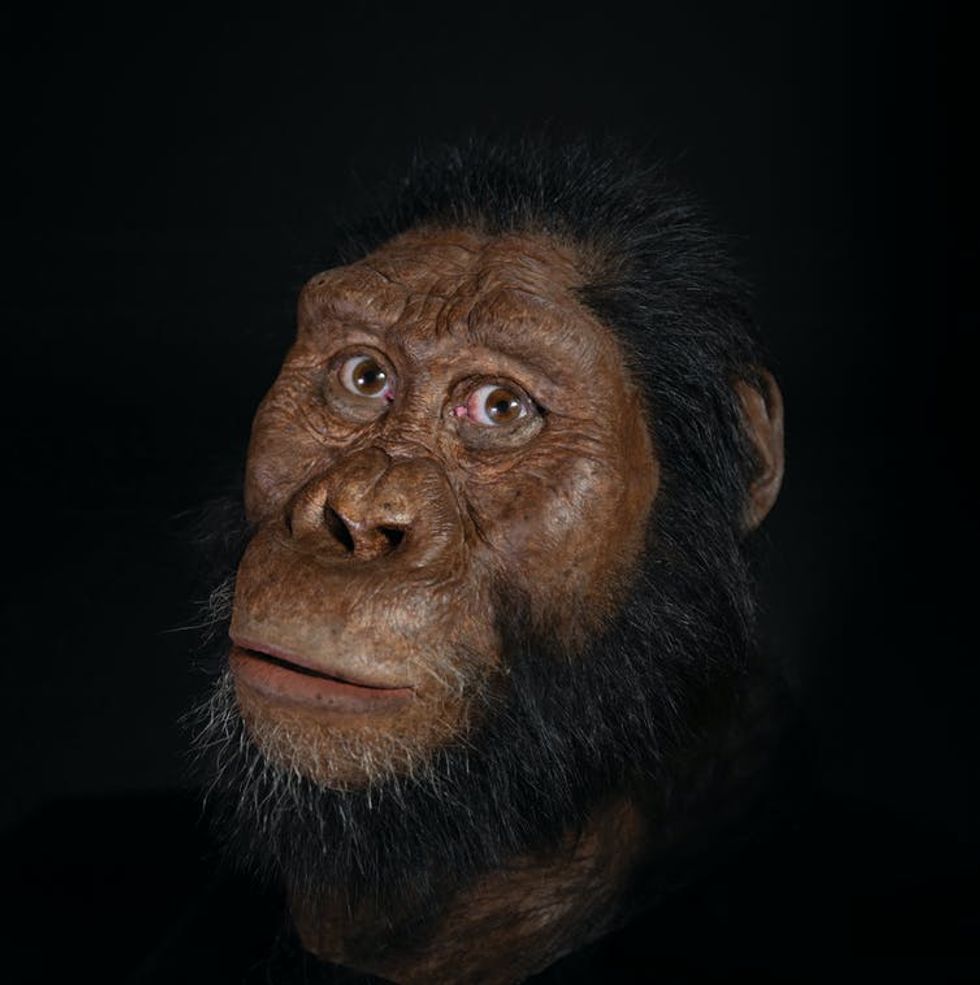
The primitive features of A. anamensis have led to the widespread view that this species is the ancestor of Australopithecus afarensis, a younger hominin from Tanzania, Ethiopia and perhaps Kenya, dated between 3.8m and 3m years old. The most iconic fossil of A. afarensis is probably the partial skeleton known as Lucy, which was for a long time viewed as the oldest known human ancestor.The authors discovered several new morphological features in the MRD cranium that are conventionally considered to be characteristic of younger species on the human lineage. The depth of the palate, for example, exceeds that of all known A. anamensis and A. afarensis specimens, and even is among the deepest palates of later Australopithecus species. This challenges the long and widely-held view that Lucy’s species evolved gradually from A. anamensis without branching of the evolutionary line – a process known as anagenesis.The newly discovered cranium, nicknamed “MRD” after its collection number MRD-VP-1/1, shows many similarities to the already existing A. anamensis specimens, and was therefore assigned to this species. However, the MRD cranium was intact enough to allow scientists to analyse for the first time the complete face and braincase, and examine parts of the cranium that were still missing in the fossil record of A. anamensis.
Facial reconstruction of MRD.
Matt Crow, courtesy of the Cleveland Museum of Natural History. Facial reconstruction by John Gurche made possible through generous contribution by Susan and George Klein
Since these modern features were already present in the older species, the most likely scenario is that Lucy’s species formed by evolutionary divergence from A. anamensis – a process known as cladogenesis. It is not known though exactly when A. afarensis diverged. Further evidence for cladogenesis comes from a 3.9m years old frontal bone (part of the forehead) from Ethiopia, discovered in 1981. Its shape is different from MRD which suggests this fossil probably belongs to A. afarensis.
If that is the case, then we need to revise the human evolutionary timeline, with A. anamensis existing from 4.2m to 3.8m years ago, and A. afarensis from 3.9m to 3m years ago. This would imply that both species were overlapping for at least 100,000 years, making it impossible for A. afarensis to have evolved gradually from one single ancestral group. In fact, it is becoming increasingly obvious that most species on our evolutionary lineage likely evolved by branching off from existing groups.
The human line
The new discovery also challenges the idea of Lucy’s species being the ancestor of all later Australopithecus hominins, which eventually led to humans.
The opposite condition – a low and arched cheekbone – is considered to be primitive, and is shared among A. afarensis, Ardipithecus ramidus (4.3m-4.5m years ago from Ethiopia, a more ape-like primitive hominin) and African apes.A vertically straight and steeply rising curvature of the cheekbone has traditionally been considered to be a relatively modern feature. It was present in Australopithecus africanus (3.7m-2.1m years ago from southern Africa, considered by some to be a direct ancestor of the Homo lineage) and in Paranthropus (2.7m-1.2m years ago from southern and eastern Africa, not directly on our evolutionary line).
The crest of the MRD cranium, which is surprisingly modern, now challenges this view. It further opens up the possibility that the longstanding idea of A. afarensis as the ancestor of all later Australopithecus groups might have been wrong, and that instead A. anamensis is the ancestor to these younger species. Which early hominin is the direct ancestor of humans still remains an unanswered question.
Clearly this latest discovery has given new insights into our evolutionary past, but also increased the complexity of the relationships between early hominins. The mid Pliocene (5.3m-2.6m years ago) has become crowded with multiple, contemporary and geographically widespread species.
Clarifying the relationships between these species, confidently characterising their morphology, and deciphering the complex and intricate story about hominin evolution is not a simple task. Specimens at each new site capture a different point along the evolutionary trajectory, but it is not easy to convert these findings into stable and reliable branches on an evolutionary tree.
More specimens from time periods and geographical locations that are currently underrepresented in the fossil record could help to settle these questions, but could equally turn everything we know upside down.
Discoveries all over the world in the last decade have led to a complete rethinking of our evolutionary past. It shows that new fossils do not always support existing hypotheses, and that we must be prepared to change our views and formulate new theories based on the evidence at hand.
As the National Hurricane Center announced Tuesday that Hurricane Dorian's core was "finally moving away from Grand Bahama Island," toward the Southeastern U.S. coast, footage of the storm's devastation flooded the internet alongside calls for governments and the news media to recognize the here-and-now destruction of the climate emergency.
Through Tuesday evening, the center warned, "dangerous winds and life-threatening storm surge" from Dorian would continue to ravage Grand Bahama—over which the storm stalled Monday after making landfall as a Category 5 hurricane on the Bahamas' Abaco Islands Sunday.
Watch:
"There's still hurricane-force winds and rain coming down on us, and yet these people are going out and pulling people from their houses, from on top of their houses, and saving their lives," reported CNN's Patrick Oppmann, who is on the ground in the Bahamas.
Climate advocacy groups emphasized the importance of not only aiding those affected by this storm but also of pursuing bolder action to limit rising temperatures that scientists say are making hurricanes more devastating.
In the Bahamas, as many as 13,000 homes—or nearly half of all houses on the impacted islands—may have been severely damaged or destroyed by Dorian, according to the International Federation of Red Cross and Red Crescent Societies. Flooding on Abaco "is believed to have contaminated wells with saltwater," so some 62,000 people will need access to clean drinking water.
About 45,700 people in Grand Bahama and 14,500 in the Abacos may need food, a spokesman for the U.N. World Food Program told The Associated Press, which reported Tuesday on the region's emerging humanitarian crisis.
Bahamas Health Minister Duane Sands tells The Associated Press that Hurricane Dorian devastated the health infrastructure in Grand Bahama island and massive flooding has rendered the main hospital unusable.
He said Tuesday that the storm caused less severe damage in the neighboring Abaco Islands and he hopes to send an advanced medical team there soon.
Sands said the main hospital in Marsh Harbor is intact and sheltering 400 people but needs food, water, medicine, and surgical supplies. He also said crews are trying to airlift between five and seven end-stage kidney failure patients from Abaco who haven't received dialysis since Friday.
Dorian—which is now a Category 2 hurricane hurtling toward Florida—already has killed at least five people in the Bahamas, but given the widespread devastation that has hindered search and rescue operations, the death toll is expected to rise.
"How many more people have to die before political leaders treat climate change like the global catastrophe it is?" Kate Aronoff asked Tuesday in an op-ed for The Guardian.
Aronoff noted the impact of rising temperatures on extreme weather events and that those who have contributed minimally to the global emergency are "among the first and worst hit." Looking toward a future of more devastating storms, Aronoff wrote:
It'll be tempting, as Dorian drifts toward Florida, for observers in the U.S. to forget the death and destruction it has left behind elsewhere. That would be a mistake. Jeff Bezos's escape plans notwithstanding, we're all stuck on this warming planet together. Whether human civilization stays intact amid all this worsening weather depends on recognizing our shared humanity—and designing policy accordingly. Platitudes for the planet won't cut it.
In the op-ed, Aronoff highlighted a couple specific policies that aim to take some responsibility for the outsized role that major developed countries have played in creating the crisis, including the recently released Green New Deal plan from Democratic presidential primary candidate Sen. Bernie Sanders (I-Vt.) as well as a blueprint of a Green New Deal for Europe.
May Boeve, executive director of the advocacy group 350.org, echoed Aronoff Tuesday in a statement about Dorian and the climate emergency.
The question we are asking is: what will it take to pursue systems-change on the scale that is required in order to defend communities from the reality of climate-fueled disasters? Countries like the Bahamas, where there's never a moment of respite from climate impacts, deserve more than shocked thoughts and prayers.
Boeve warned that "as stronger climate impacts hit coastal regions, we see the most vulnerable communities facing devastating inequities and lacking in resources to evacuate from these storm when necessary."
Highlighting the mass mobilization that climate activists worldwide are planning for Sept. 20, she added that "with each disaster, it becomes ever clearer that we need transformative, bold climate action at scale with the crisis."
"Communities deserve a Green New Deal that invests in resilience and adaptation to climate change, provides funding for disaster relief and grassroots recovery, and creates a just transition to 100 percent renewable economy that creates millions of jobs for workers," said Boeve. "Instead of people, it's fossil fuel billionaires who should pay for the level of damage caused by Hurricane Dorian."
Cancer has become the leading cause of death in rich nations, overtaking heart disease, according to the results of two landmark, decade-long global surveys of health trends released Tuesday.
Heart disease remains the leading cause of mortality among middle-aged adults globally, accounting for more than 40 percent of deaths, the data showed.
It was thought to have been responsible for around 17.7 million deaths in 2017.
But in richer countries, cancer now kills more people than heart disease, according to the twin studies published in The Lancet medical journal.
"The world is witnessing a new epidemiologic transition among the different categories of non-communicable diseases, with cardiovascular disease no longer the leading cause of death in high-income countries," said Gilles Deganais, emeritus professor at Laval University, in Quebec.
He said his team's study showed that cancer was the second most common cause of death globally in 2017, accounting for just over a quarter (26 percent) of all deaths.
Deganais said that as heart disease rates fell globally, cancer could become the leading cause of death worldwide "within just a few decades".
The study followed more than 160,000 adults, in high-, middle-, and low-income countries over the course of decade. It determined that people in poorer nations were on average 2.5 times more likely to die from heart disease than those in richer ones.
It conversely found that non-infectious diseases such as cancer and pneumonia were less common in low-income states than in richer ones.
A second study, also by researchers in Canada, and looking at data from patients in the same 21 countries, found that so-called "modifiable risk factors" accounted for 70 percent of heart disease cases globally.
These included diet, behavioural and socioeconomic factors, they said.
Metabolic risk factors -- high cholesterol, obesity or diabetes -- caused more than 40 percent of all heart disease, and were by far the biggest determinant of disease in richer nations.
But there was also a strong link between heart disease in developing countries and household air pollution, poor diet and low education levels.
"A change in tack is required to alleviate the disproportionately high impact of cardiovascular disease in low- and middle-income countries," said Salim Yusuf, professor of medicine at McMaster University.
"Governments in these countries need to start investing a greater portion of their gross domestic product in preventing and managing non-communicable diseases including cardiovascular disease, rather than focusing largely on infectious diseases."
The European Space Agency said Tuesday it had altered the trajectory of one of its observation satellites to avoid a possible collision with a craft operated by Elon Musk's SpaceX.
"@ESA 's #Aeolus Earth observation satellite fired its thrusters, moving it off a collision course with a @SpaceX satellite in their #Starlink constellation," the agency's official Twitter account said.
It said its scientists decided that the safest route of action was to increase the altitude of the craft, adding that the manoeuver, which occurred Monday, was "first time ever" it had acted to avoid an active satellite.
"The vast majority of ESA avoidance manoeuvers are the result of dead satellites or fragments from previous collisions," it said.
SpaceX, founded by billionaire Musk in 2002, this year launched a constellation of 60 broadband-beaming satellites, a project known as Starlink.
The initial launch prompted astronomers to raise the alarm over the risk of a possible collision and briefly threw up a spate of UFO sightings over the Netherlands.
SpaceX says the Starlink constellation could eventually reach 12,000 satellites.
Faced with an increase of privately run craft, which currently number around 20,000 in Earth's atmosphere, the ESA will hold a meeting in November focussed on space security.
It launched Aeolus, the first satellite mission to capture data on global wind patterns, last year.
Examples of how human societies are changing the planet abound – from building roads and houses, clearing forests for agriculture and digging train tunnels, to shrinking the ozone layer, driving species extinct, changing the climate and acidifying the oceans. Human impacts are everywhere. Our societies have changed Earth so much that it’s impossible to reverse many of these effects.
Nuclear bomb testing left its mark in the geologic record.
Some researchers believe these changes are so big that they mark the beginning of a new “human age” of Earth history, the Anthropocene epoch. A committee of geologists has now proposed to mark the start of the Anthropocene in the mid-20th century, based on a striking indicator: the widely scattered radioactive dust from nuclear bomb tests in the early 1950s.
But this is not the final word.
Not everyone is sure that today’s industrialized, globalized societies will be around long enough to define a new geological epoch. Perhaps we are just a flash in the pan – an event – rather than a long, enduring epoch.
Others debate the utility of picking a single thin line in Earth’s geological record to mark the start of human impacts in the geological record. Maybe the Anthropocene began at different times in different parts of the world. For example, the first instances of agriculture emerged at different places at different times, and resulted in huge impacts on the environment, through land clearing, habitat losses, extinctions, erosion and carbon emissions, forever changing the global climate.
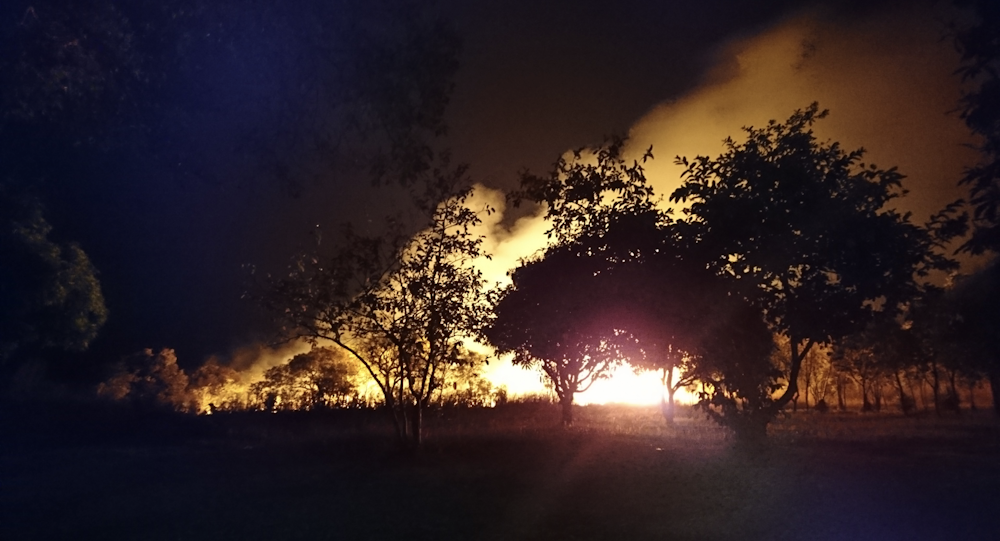
Human practices like burning the landscape – as in this night bush fire outside Kabwe, Zambia – have been affecting the Earth since long before the nuclear era.
If there are multiple beginnings, scientists need to answer more complicated questions – like when did agriculture begin to transform landscapes in different parts of the world? This is a tough question because archaeologists tend to focus their research on a limited number of sites and regions and to prioritize locations where agriculture is believed to have appeared earliest. To date, it has proved nearly impossible for archaeologists to put together a global picture of land use changes throughout time.
Global answers from local experts
To tackle these questions, we pulled together a research collaboration among archaeologists, anthropologists and geographers to survey archaeological knowledge on land use across the planet.
We asked over 1,300 archaeologists from around the world to contribute their knowledge on how ancient people used the land in 146 regions spanning all continents except Antarctica from 10,000 years ago right up to 1850. More than 250 responded, representing the largest expert archaeology crowdsourcing project ever undertaken, though some priorprojects have worked with amateur contributions.
Our work has now mapped the current state of archaeological knowledge on land use across the planet, including parts of the world that have rarely been considered in previous studies.
We used a crowdsourcing approach because scholarly publications don’t always include the original data needed to allow global comparisons. Even when these data are shared by archaeologists, they use many different formats from one project to another, making it difficult to combine for large-scale analysis. Our goal from the beginning was to make it easy for anyone to check our work and reuse our data – we’ve put all our research materials online where they can be freely accessed by anyone.
Earlier and more widespread human impacts
Though our study acquired expert archaeological information from across the planet, data were more available in some regions – including Southwest Asia, Europe, northern China, Australia and North America – than in others. This is probably because more archaeologists have worked in these regions than elsewhere, such as parts of Africa, Southeast Asia and South America.
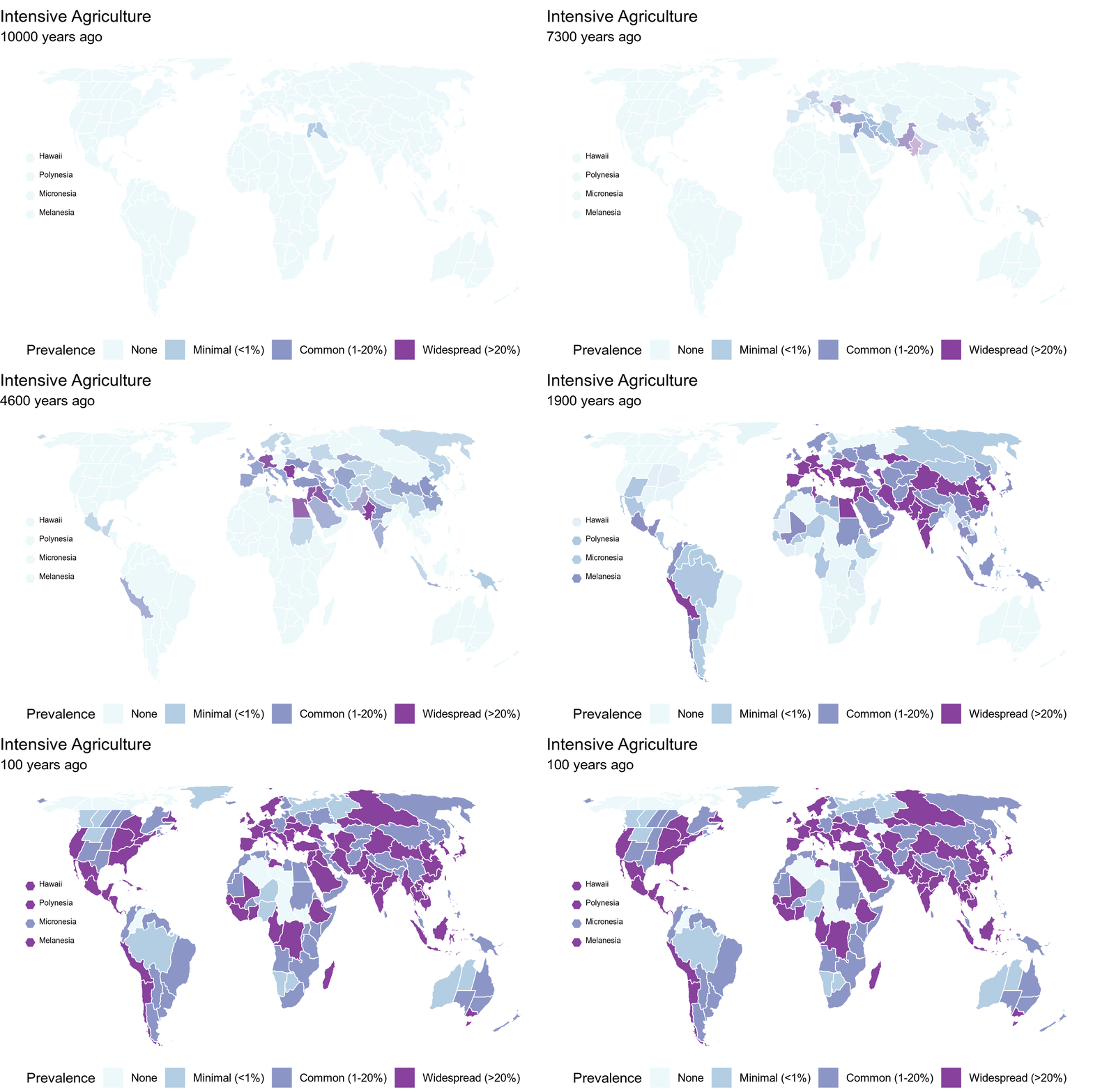
Animation showing the spread of intensive agriculture across the globe over the past 10,000 years, based on ArchaeoGLOBE Project results. (Nicolas Gauthier, 2019, CC-BY-SA)
Our archaeologists reported that nearly half (42%) of our regions had some form of agriculture by 6,000 years ago, highlighting the prevalence of agricultural economies across the globe. Moreover, these results indicate that the onset of agriculture was earlier and more widespread than suggested in the most common global reconstruction of land-use history, the History Database of the Global Environment. This is important because climate scientists often use this database of past conditions to estimate future climate change; according to our research it may be underestimating land-use-associated climate effects.
Our survey also revealed that hunting and foraging was generally replaced by pastoralism (raising animals such as cows and sheep for food and other resources) and agriculture in most places, though there were exceptions. In a few areas, reversals occurred and agriculture did not simply replace foraging but merged with it and coexisted side by side for some time.
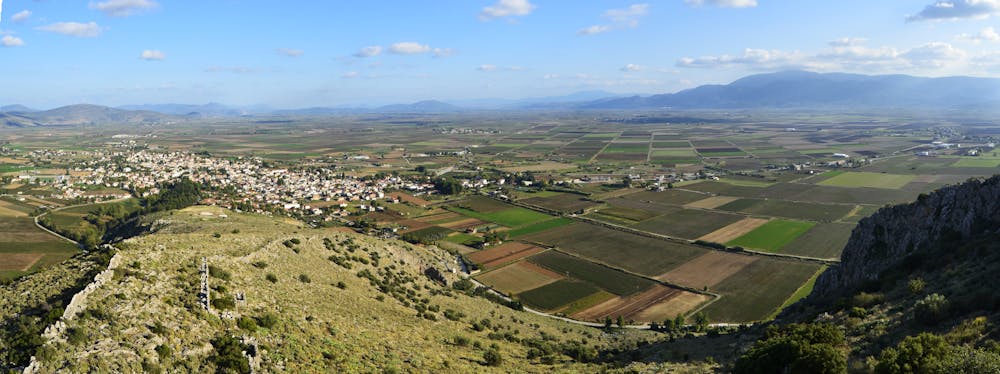
View of the Kopaic Plain in Boeotia, Greece. People first partially drained the area 3,300 years ago to claim land for agriculture and it’s still farmed today.
Global archaeological data show that human transformation of environments began at different times in different regions and accelerated with the emergence of agriculture. Nevertheless, by 3,000 years ago, most of the planet was already transformed by hunter-gatherers, farmers and pastoralists.
To guide this planet toward a better future, we need to understand how we got here. The message from archaeology is clear. It took thousands of years for the pristine planet of long ago to become the human planet of today.








 AFP / STR
  AFP / STR
  AFP / STR
  Virginia Tech University/AFP / Shuhai XIAO, Zhe CHEN
  Virginia Tech University/AFP / Shuhai XIAO, Zhe CHEN
  Virginia Tech University/AFP / Shuhai XIAO