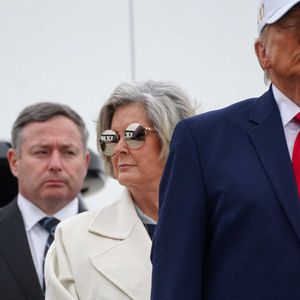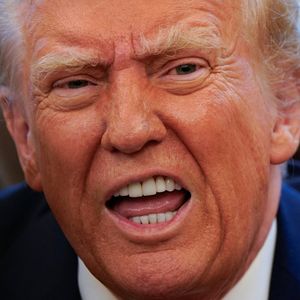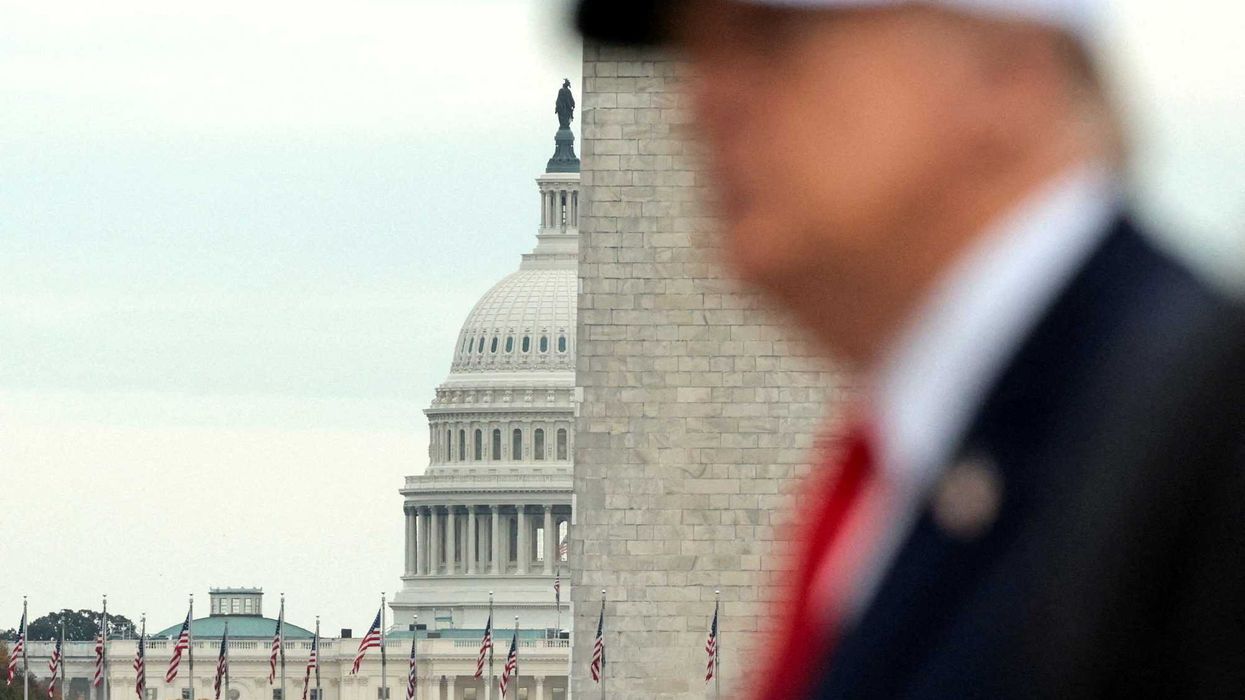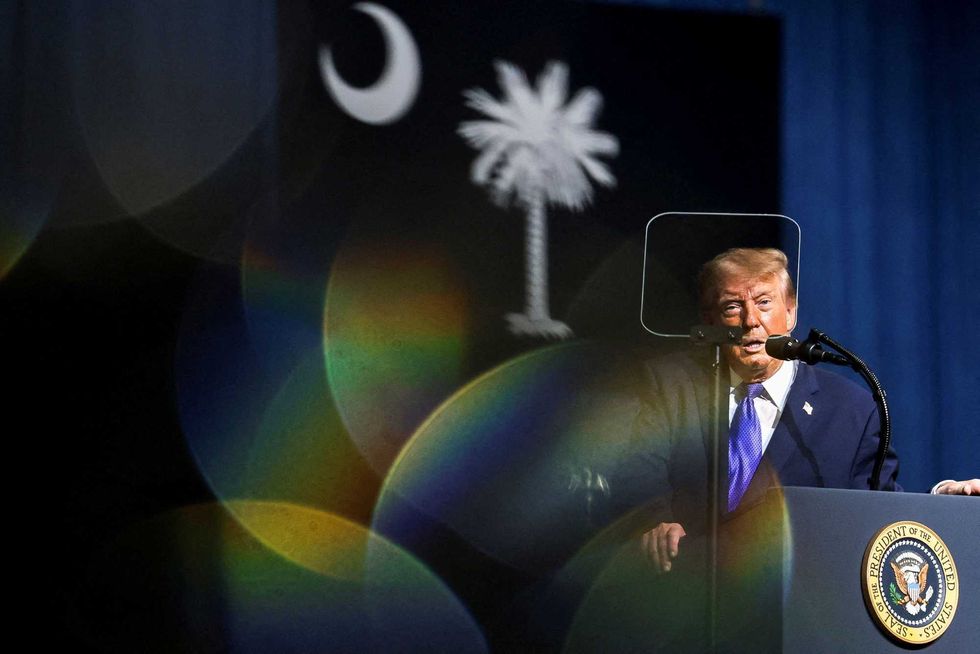
US President Donald Trump delivers remarks at a midterm election campaign rally for incumbent US Senator Darline Graham (R-SC) at an event center in Rock Hill, South Carolina, US, October 29, 2026. REUTERS/Jonathan Ernst TPX IMAGES OF THE DAY

Republicans in one of America's reddest states are turning their knives on each other after a Senate loss that stunned the party.
Democrat Annie Andrews, a pediatrician, defeated Sen. Darline Graham (R-SC) by roughly five points Tuesday, giving South Carolina its first Democratic senator since 1998, and the loss has set off a bitter round of finger-pointing among the state's Republicans, The New York Times reported Saturday.
Some in the party are pointing at President Donald Trump, who endorsed Graham in a crowded primary and campaigned heavily for her. Trump expressed regret over the result and suggested he expected her to perform better, but he accepted no blame, according to the Times.
The endorsement snubbed Rep. Russell Fry (R-SC), a White House ally, and pitted Trump against Rep. Ralph Norman (R-SC), an ultraconservative congressman and frequent Trump critic who lost to Graham in a runoff.
"The president should not have gotten involved," Norman told the Times.
Others aimed their fire at Graham's own staff, many of whom had worked for her brother, the late Sen. Lindsey Graham. Matt Moore, a senior adviser for Lindsey Graham's last primary campaign who later consulted for Fry, accused her inner circle of showing little concern for her and refusing to level with her about the demands of a statewide race for fear of losing their paychecks.
Rick Quinn, a general consultant on Lindsey Graham's 2016 presidential bid, argued that the late senator's closest aides let their emotions get the better of them in backing her run.
Mark Knoop, Darline Graham's campaign manager, pushed back, noting that Trump urged her to run and that she beat a primary field that included sitting members of Congress and a former governor. He dismissed the criticism as sour grapes from rival camps that lost the primary.
Kevin Bishop, a longtime aide to both Grahams, instead faulted Norman, who first urged voters to write in his name before grudgingly endorsing her. Bishop argued that move signaled to some Republicans that abandoning her was acceptable, though he admitted the team struggled to raise money and credited Andrews with running a strong race.
The fundraising gap was stark. Darline Graham pulled in less than $2 million in her first four months, while Andrews raised nearly $25 million by mid-October, forcing Trump's super PAC MAGA Inc. to spend heavily on the Republican's behalf. She also never fully recovered from a summer debate in which she admitted she wasn't well versed on national security.
Quinn said the struggling campaign dragged down other Republicans on the ballot. Democrats also flipped a U.S. House seat and 10 seats in the state legislature.
Operatives in both parties told the Times they had privately concluded by October that the race was slipping away from Darline Graham. Andrews' campaign sat on a poll showing her three points ahead, fearing its release would juice donations to the other side.
Report typos and corrections to corrections@rawstory.com.
For customer support contact support@rawstory.com.