
Almost two months after Israel's parliamentary election, the new government of the winner, Benjamin Netanyahu, was sworn in in Jerusalem on Thursday after 63 of 120 MPs voted in favour of the country's most far-right administration to date.
The 73-year-old leader, who is returning to power at the helm of his sixth government after a hiatus of one and a half years, says he will work towards rapprochement with more Arab states and to prevent Iran's efforts to become a nuclear power.
Amir Ohana of Netanyahu's right-wing conservative Likud party was elected as the new speaker of parliament before the swearing in of individual coalition members began.
The government, which sees far-right politicians also being represented in a coalition for the first time, wants to implement far-reaching political changes and, among other things, deliberately weaken the judicial system.
According to experts, the changes could also lead to the cancellation of Netanyahu's trial for corruption that is currently under way.
Before the swearing-in ceremony there were angry interjections in the Knesset from the opposition as Netanyahu presented his priorities for the next four years.
He said everything would be done "so that Iran does not destroy us with a nuclear bomb." The government would also work to forge more normalization agreements with Arab states, following deals with the United Arab Emirates, Bahrain and Morocco.
A defiant Netanyahu accused the opposition of refusing to accept the election results and instead inciting people against his government. "Losing an election is not the end of democracy, it is the essence of democracy," he said.
In Israel's history, no one has been in office longer than Netanyahu.
The new government has 64 of 120 seats in parliament. Half of them belong to Netanyahu's Likud party, the other half to the far-right Religious Zionist Alliance and two strictly religious parties.
Netanyahu has repeatedly stressed that he himself will set the agenda of the new government and will not be steered by his radical partners.
Several controversial politicians have been given ministerial posts.
A law was specially amended for the leader of the strict religious Shas party, Aryeh Deri, so that he can become minister of the interior despite a conviction for tax offences.
Bezalel Smotrich of the far-right Religious Zionist Party is to be given a ministerial role in the Defence Ministry in addition to the post of finance minister.
Smotrich is considered an ardent supporter of settlement expansion in the occupied West Bank. In future, he is also to be given influence over the administration of the West Bank and the lives of Palestinians. Smotrich seeks the legalization of more Israeli settlements.
Government guidelines published on Wednesday state that the coalition wants to press ahead with settlement expansion in areas that the Palestinians claim for a future state.
"The Jewish people have a sole and irrevocable right to all parts of the Land of Israel," it says. "The government will advance and develop settlement in all parts of Israel - in the Galilee, the Negev Desert, the Golan Heights and Judea and Samaria (West Bank)."
The minister of national security will be Itamar Ben-Gvir, a far-right figure who has been convicted in the past of supporting a terrorist organization.
In addition to the police, he will also be in charge of the border police in the West Bank, following an amendment to the law.
In view of the changes, outgoing Defence Minister Benny Gantz warned of a further escalation of violence and bloodshed in the region.
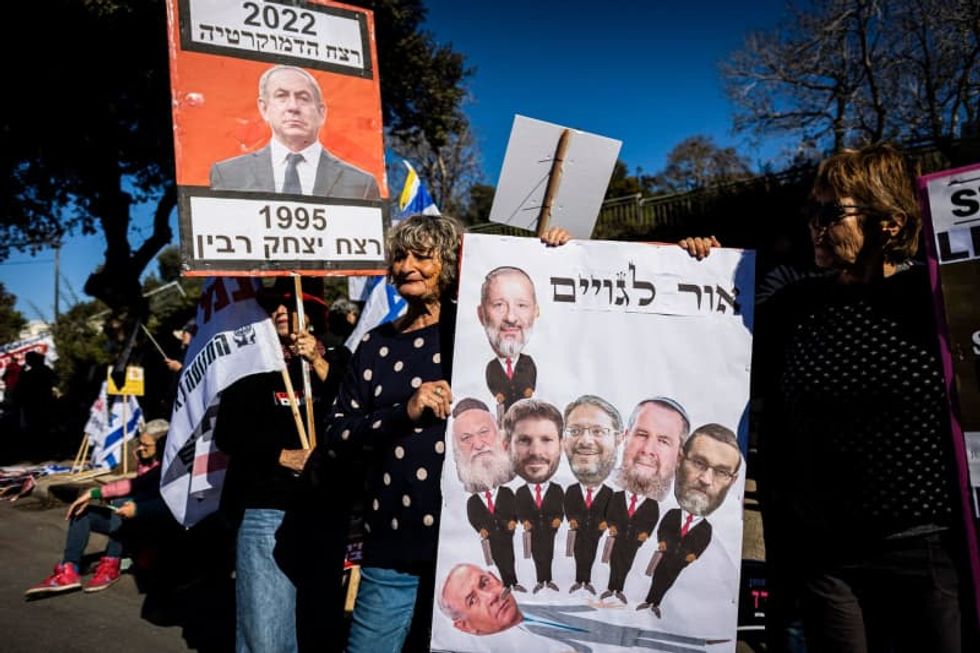
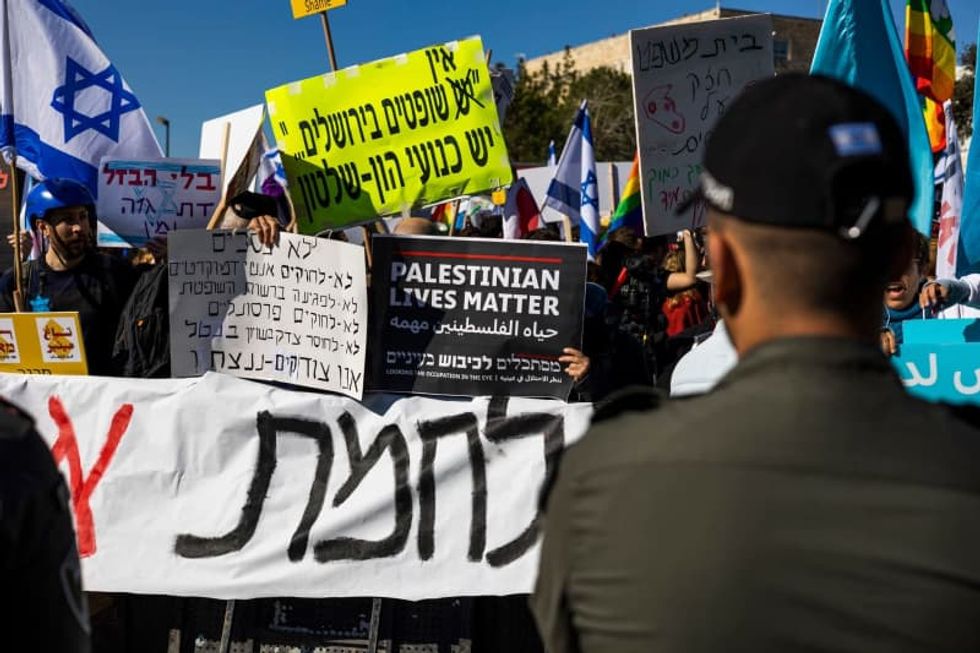
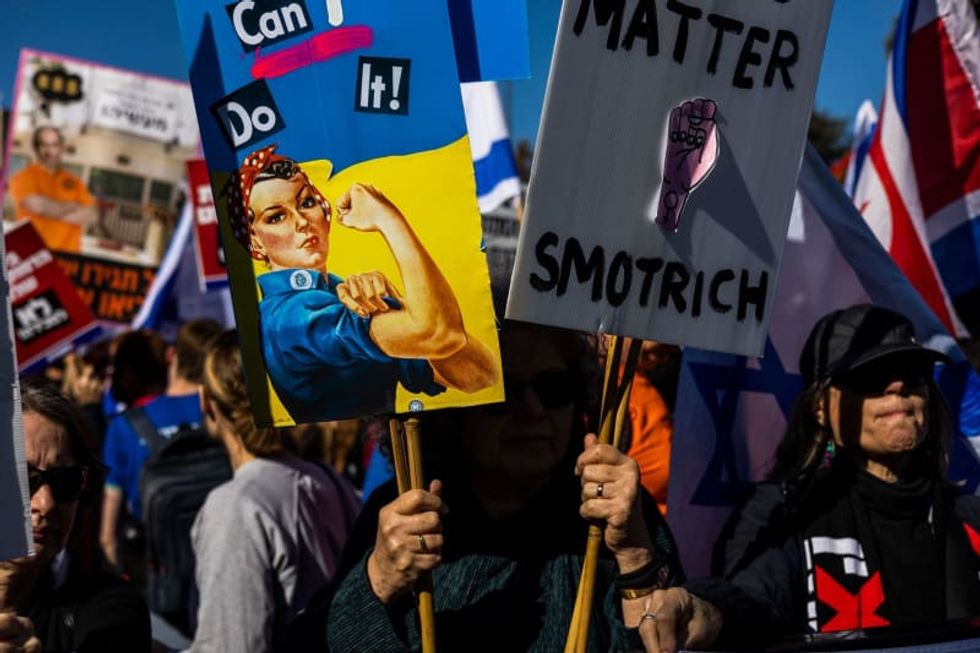
In view of racist and homophobic statements by future coalition members, resistance is already being voiced by various sections of the population. Protests have come from representatives of the IT industry, businesses, the air force and doctors.
Netanyahu's predecessor in office, Yair Lapid of the liberal Future Party, said after the changes in the law that the new government had already proven to be "the most corrupt ever" even before it was sworn in.