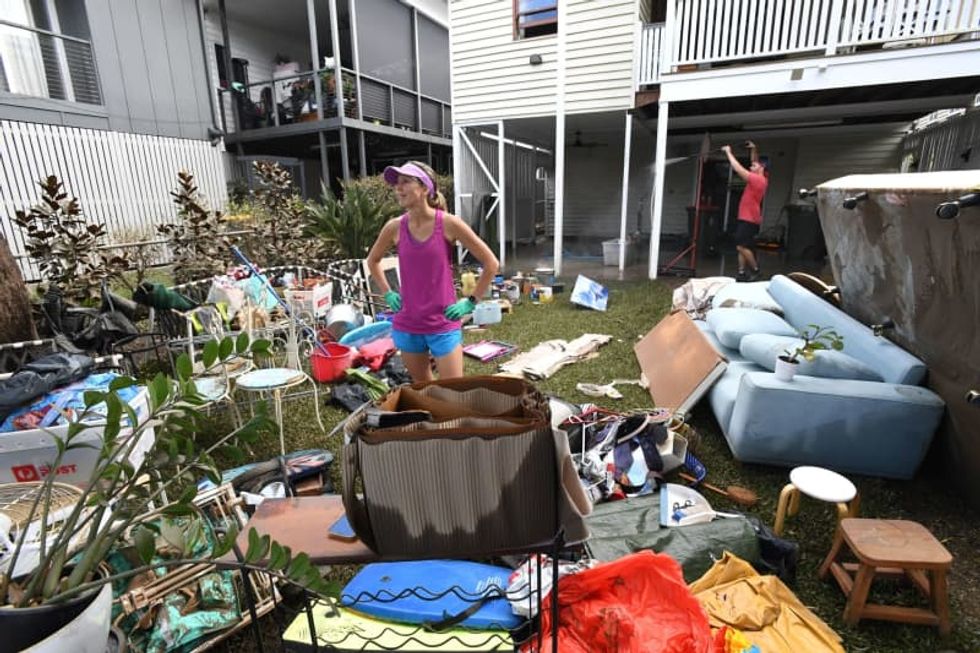
The death toll of the historic floods affecting Australia's east coast rose to at least 13 on Wednesday.
Australian authorities said at least nine people died in Queensland and a fourth person was confirmed dead in New South Wales.
Severe thunderstorms were still forecast in both Queensland and NSW going ahead, with Greater Sydney also bracing for potential "life-threatening" flash flooding.
"Early tomorrow morning and throughout the day, we could see severe thunderstorms bringing heavy rain, damaging winds and possibly even large hail," the Bureau of Meteorology's Dean Narramore said on Wednesday, as reported by Australian newswire AAP.
"We have aircraft providing assistance and performing rescues with ground personnel doing everything they can," New South Wales Premier Dominic Perrottet said.
"Flash floods are possible right along our coastline. Emergency services are door-knocking in communities at risk. Please follow their advice."
Fire and Rescue NSW said it continued its response to what it termed "one-thousand-year floods" including with "in-water" rescue experts.
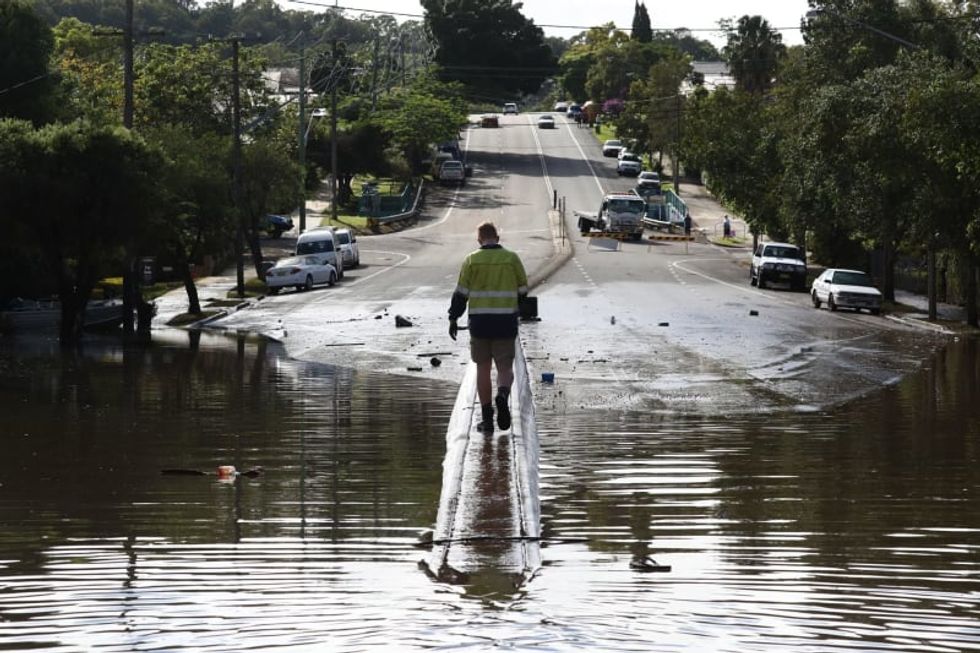
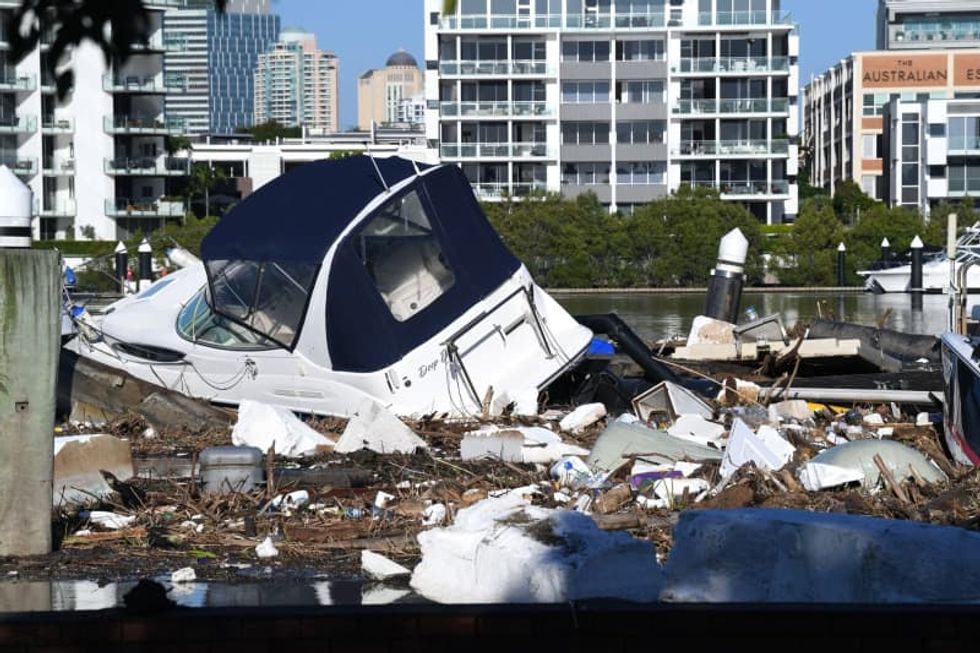
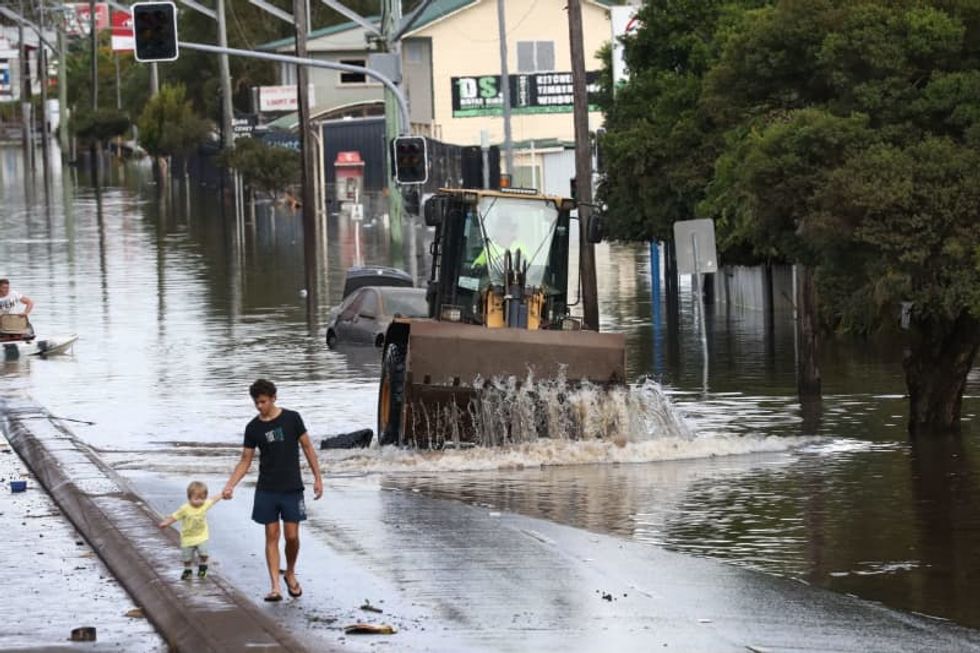
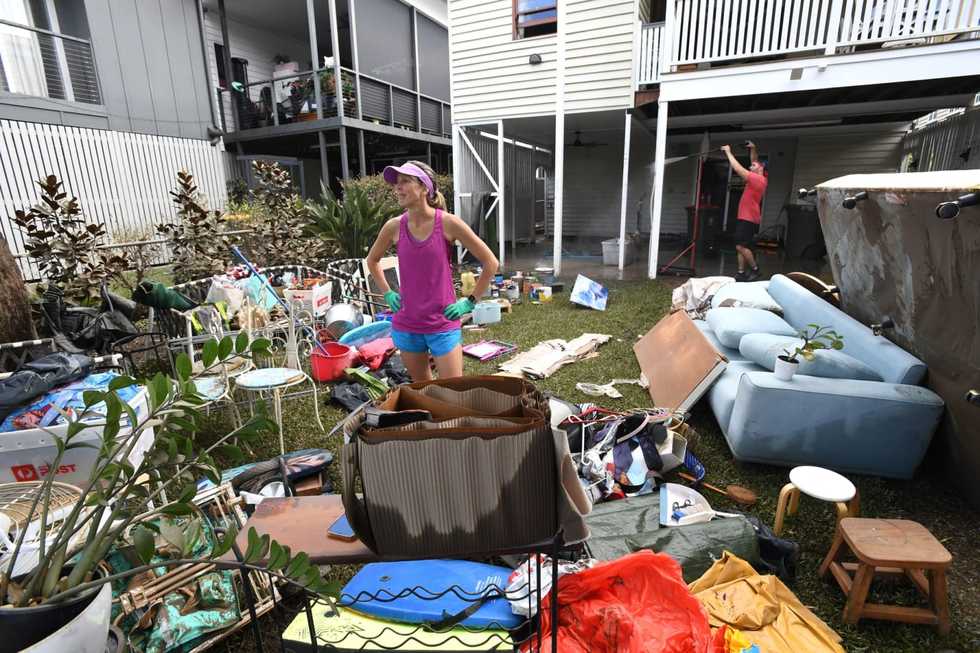
Images from the hardest-hit areas showed towns and farmlands submerged.
A severe weather warning in NSW was in place from Newcastle to the South Coast and there's a flood alert for the Hawkesbury and Nepean rivers near Sydney with residents warned they may need to evacuate.
A severe weather warning for damaging surf and abnormally high tide for all coastal areas in New South Wales was in place on Wednesday.
The extreme weather was triggered by a slow-moving low-pressure system.
Sydney has already experienced days of rain. Meteorologists have called this summer the city's wettest in 30 years.
Australia is particularly affected by climate change. In mid-January, large parts of the country were still sweltering under a merciless heatwave, with temperatures of more than 50 degrees Celsius recorded in the west of the country.