Scientists have unveiled the contours of an ancient city north of Rome for the first time, and all they needed was a quad bike and a radar gun.
The splendor of long-buried Falerii Novi in the Tiber River valley was revealed without overturning a single stone.
Instead, researchers from the University of Cambridge and the University of Ghent in Belgium used ground penetrating radars and satellite navigation to create sophisticated 3-D images of the once-lost town.
The results, published Tuesday in the journal Antiquity, shed light on aspects of Roman architecture and urban design about which relatively little was known.
It was also the first time the ground penetrating radar technology -- called GPR -- has been used to map an entire city, Professor Martin Millett, one of the authors of the study, told AFP.
"It just gives you a fantastically high-resolution picture of what's [below the surface]," Millett said. "What the radar does is it enables you to see what's going on at different depths."
- The full picture -
Traditional excavations and 2-D mapping techniques such as magnetometry have, of course, yielded many clues as to what Roman cities looked like, but they are not able to get a bird's eye view of how they were laid out.
Falerii Novi -- a stone's throw from modern-day Rome -- has been buried underground for around 13 centuries.
About a quarter of a square kilometer (one-tenth of a square mile) in area, the town is thought to have been founded in 241 BC and was inhabited until early medieval times, around 700 AD.
The 3-D images the researchers obtained show a number of temples, public administration buildings and a bath complex, as well as a columned passageway thought to be a public monument.
Much smaller than neighboring Rome, Falerii Novi's layout was nonetheless "more elaborate than would usually be expected in a small town," the authors noted.
The GPR mapping also revealed a complex system of water pipes not too different from those in modern cities.
"You can see there's a water supply system that must have been laid out very early in the development of the city," he said. "What that's telling us about is not just water, but about how the plan of the city was conceptualized."
GPR could help researchers map a number of additional ancient cities, without having to dig up fields or disturb urban structures built on top of them.
"Cities were essential to the way [the Roman Empire worked], but the number of cities that we fully understand, you can count on the fingers of one hand," Millett said.
He said that the new technique could also be used to examine larger sites such as Miletus in Turkey, Nicopolis in Greece, or Cyrene in Libya.
In the meantime, the scientists are poring over the images from the Falerii Novi mapping to learn more about the ancient town, a process that could take several months due to the enormous amount of data they accumulated.
U.S. prosecutors accused Britain's Prince Andrew on Monday of evading their efforts to question him over his contacts with the late financier Jeffrey Epstein, but lawyers for the prince accused them of seeking publicity rather than his help.
U.S. investigators want to interview Andrew, Queen Elizabeth's second son, about his friendship with Epstein - who was awaiting trial on charges of trafficking minors when he died last August in a New York City federal prison - as part of their inquiry into possible co-conspirators.
The Manhattan-based federal prosecutor, U.S. Attorney Geoffrey Berman, said Andrew had "sought to falsely portray himself to the public as eager and willing to cooperate" but had given no interview to federal authorities and had repeatedly declined such requests.
Berman was responding to a report by Britain's Sun newspaper, confirmed to Reuters by a U.S. law enforcement official, that U.S. authorities investigating Epstein's life and death had sent the British government a formal request, known as a mutual legal assistance treaty (MLAT) submission, asking for access to the prince.
The MLAT is a procedure used in criminal investigations to gather material from foreign countries which cannot readily be obtained on a police cooperation basis.
Britain's Home Office (interior ministry) said it did not comment on the existence of any MLAT requests. Buckingham Palace is not commenting on the legal case. "If Prince Andrew is, in fact, serious about cooperating with the ongoing federal investigation, our doors remain open, and we await word of when we should expect him," Berman's office said in a statement.
Earlier on Monday, Andrew's lawyers said in a statement following the Sun article that the prince, whose official title is the Duke of York, had offered his help to the U.S. Department of Justice (DOJ) three times this year.
"Unfortunately, the DOJ has reacted ... by breaching their own confidentiality rules and claiming that the Duke has offered zero cooperation," Andrew's lawyers Blackfords said.
"In doing so, they are perhaps seeking publicity rather than accepting the assistance proffered," they said in a statement.
No extradition
Andrew has publicly stated he will cooperate with any "appropriate law enforcement agency". But in March, Berman said the prince had "shut the door on voluntary cooperation and our office is considering its options".
In answer to a question U.S. Attorney General William Barr told Fox News in an interview on Monday there were no plans to extradite Andrew.
"I don't think it's a question of handing him over. I think it’s just a question of having him provide some evidence," he said.
If the MLAT request is granted, U.S. prosecutors could ask for Andrew, who stepped down from public duties because of the furore over his links to Epstein, to voluntarily attend an interview to give a statement or potentially force him to attend a court to provide evidence under oath.
"Any pursuit of an application for mutual legal assistance would be disappointing, since the Duke of York is not a target of the DOJ investigation and has recently repeated his willingness to provide a witness statement," the statement from the prince's lawyers said.
A U.S. Federal Bureau of Investigation probe is focusing on British socialite Ghislaine Maxwell, a longtime associate of Epstein's, and others who facilitated his alleged trafficking of underage girls, law enforcement sources told Reuters in December.
Maxwell, whose whereabouts are currently unknown, has denied the allegations against her.
An official U.S. medical examiner last year ruled Epstein's death a suicide, though a pathologist hired by Epstein’s brother suggested evidence indicated he might have been strangled.
An Iranian national convicted of spying for the US and Israel by helping target top Iranian general Qassem Soleimani will be executed, Iran's judiciary said on Tuesday.
Mahmoud Mousavi Majd was convicted of spying on Iran's armed forces, which led to the killing of Soleimani, the head of Iran's elite Quds Force, in a US drone strike in Iraq.
Mahmoud Mousavi Majd was convicted of spying on Iran's armed forces "especially the Quds Force and on the whereabouts and movements of martyr General Qassem Soleimani" for large sums of money from both Israel's Mossad and the CIA, judiciary spokesman Gholamhossein Esmaili told a televised news conference.
Esmaili offered little information about the convicted man.
The decision immediately raised questions about how Majd would have had access to Soleimani's travel information. The Iranian judiciary spokesman did not say when Majd would be executed, other than that it would be “soon". He also stopped short of directly linking the information allegedly offered by Majd to Soleimani's death.
The January 3 strike in Baghdad also killed Abu Mahdi al-Muhandis, deputy commander of Iran-backed militias in Iraq known as the Popular Mobilisation Forces, and five others, including the militias' airport protocol officer, Mohammed Reda.
Iran later retaliated for Soleimani's killing with a ballistic missile strike targeting US forces in Iraq. That same night, the Guard accidentally shot down a Ukrainian jetliner in Tehran, killing 176 people.
Dismantling CIA spy ring claims
Iran in February handed down a similar sentence for Amir Rahimpour, another man convicted of spying for the US and conspiring to sell information on Iran's nuclear program.
Tehran announced in December it had arrested eight people "linked to the CIA" and involved in nationwide street protests that erupted the previous month over a surprise petrol price hike.
It also said in July 2019 that it had dismantled a CIA spy ring, arresting 17 suspects between March 2018 and March 2019 and sentencing some of them to death.
US President Donald Trump at the time dismissed the claim as "totally false".
New Zealand police on Tuesday scrapped plans for armed patrols prompted by last year's Christchurch mosque shootings, after criticism the change would lead to a US-style militarization of the force.
Police in the South Pacific nation usually operate without firearms but trialled armed patrols after a lone gunman murdered 51 Muslim worshippers in Christchurch in March 2019.
At the time, police said the worst mass shooting in modern New Zealand history meant "our operating environment has changed" and they needed the ability to rapidly deploy armed officers to high-risk incidents.
The move was met with unease among sections of the New Zealand public unused to seeing armed officers, particularly the Maori and Pacific communities, which argued they were the most likely to come into contact with firearm-toting officers.
Green Party co-leader Marama Davidson, whose background is Maori, said last week that the patrols made her fearful about the safety of her two sons.
"We only have to look to the United States to see how violent things can get under a militarized police force," she said in an open letter to Commissioner of Police Andrew Coster.
"This is especially so for minorities and communities of color."
Prime Minister Jacinda Ardern had also said she was "totally opposed to the routine arming of the police", although she argued the patrols were an operational matter for the force.
Coster announced Tuesday that the armed patrols would not continue, saying police had listened to feedback from the community.
"It is clear through the course of the trial that armed response teams do not align well with the style of policing that New Zealanders expect," he said.
Coster said he was committed to police remaining "generally unarmed" and operating with public support.
"How the public feels is important -- we police with the consent of the public, and that is a privilege," he said.
Policing methods worldwide are under the spotlight after African-American man George Floyd was killed while being arrested in the United States, sparking civil rights protests around the globe.
New Zealand tightened its firearms laws after the Christchurch shootings -- including a ban on military-style semi-automatic rifles -- with police overseeing a major gun buyback that saw 56,000 weapons handed in.
Figures vary considerably but gun control advocates put the number of firearms in private hands in the United States at 393 million, or 1.2 for every person, whereas New Zealand has about 1.5 million, or 0.3 per person.
Christchurch shooter Brenton Tarrant is being held in a high-security jail after pleading guilty to 51 charges of murder, 40 of attempted murder and one of terrorism.
The Australian, a self-avowed white supremacist, is yet to be sentenced because of delays in the court system caused by the coronavirus pandemic.
If a two-year-old child living in poverty in India or Bangladesh gets sick with a common bacterial infection, there is more than a 50% chance an antibiotic treatment will fail. Somehow the child has acquired an antibiotic resistant infection – even to drugs to which they may never have been exposed. How?
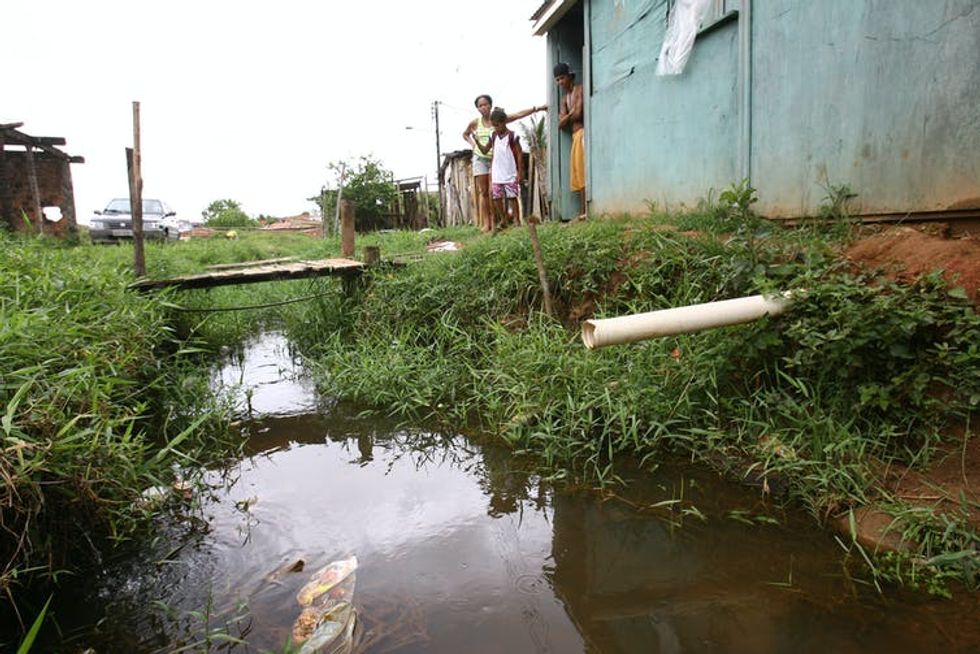
Unfortunately, this child also lives in a place with limited clean water and less waste management, bringing them into frequent contact with faecal matter. This means they are regularly exposed to millions of resistant genes and bacteria, including potentially untreatable superbugs. This sad story is shockingly common, especially in places where pollution is rampant and clean water is limited.
For many years, people believed antibiotic resistance in bacteria was primarily driven by imprudent use of antibiotics in clinical and veterinary settings. But growing evidence suggests that environmental factors may be of equal or greater importance to the spread of antibiotic resistance, especially in the developing world.
Here we focus on antibiotic resistant bacteria, but drug resistance also occurs in types of other microorganisms – such as resistance in pathogenic viruses, fungi, and protozoa (called antimicrobial resistance or AMR). This means that our ability to treat all sorts of infectious disease is increasingly hampered by resistance, potentially including coronaviruses like SARS-CoV-2, which causes COVID-19.
Overall, use of antibiotics, antivirals, and antifungals clearly must be reduced, but in most of the world, improving water, sanitation, and hygiene practice – a practice known as WASH – is also critically important. If we can ensure cleaner water and safer food everywhere, the spread of antibiotic resistant bacteria will be reduced across the environment, including within and between people and animals.
As recent recommendations on AMR from the Food and Agriculture Organization of the United Nations (FAO), the World Organisation for Animal Health (OIE), and World Health Organization (WHO) suggest, to which David contributed, the “superbug problem” will not be solved by more prudent antibiotic use alone. It also requires global improvements in water quality, sanitation, and hygiene. Otherwise, the next pandemic might be worse than COVID-19.
To understand the problem of resistance, we must go back to basics. What is antibiotic resistance, and why does it develop?
Exposure to antibiotics puts stress on bacteria and, like other living organisms, they defend themselves. Bacteria do this by sharing and acquiring defence genes, often from other bacteria in their environment. This allows them to change quickly, readily obtaining the ability to make proteins and other molecules that block the antibiotic’s effect.
This gene sharing process is natural and is a large part of what drives evolution. However, as we use ever stronger and more diverse antibiotics, new and more powerful bacterial defence options have evolved, rendering some bacteria resistant to almost everything – the ultimate outcome being untreatable superbugs.
This article is part of Conversation Insights
The Insights team generates long-form journalism derived from interdisciplinary research. The team is working with academics from different backgrounds who have been engaged in projects aimed at tackling societal and scientific challenges.
Antibiotic resistance has existed since life began, but has recently accelerated due to human use. When you take an antibiotic, it kills a large majority of the target bacteria at the site of infection – and so you get better. But antibiotics do not kill all the bacteria – some are naturally resistant; others acquire resistance genes from their microbial neighbours, especially in our digestive systems, throat, and on our skin. This means that some resistant bacteria always survive, and can pass to the environment via inadequately treated faecal matter, spreading resistant bacteria and genes wider.
The pharmaceutical industry initially responded to increasing resistance by developing new and stronger antibiotics, but bacteria evolve rapidly, making even new antibiotics lose their effectiveness quickly. As a result, new antibiotic development has almost stopped because it garners limited profit. Meanwhile, resistance to existing antibiotics continues to increase, which especially impacts places with poor water quality and sanitation.
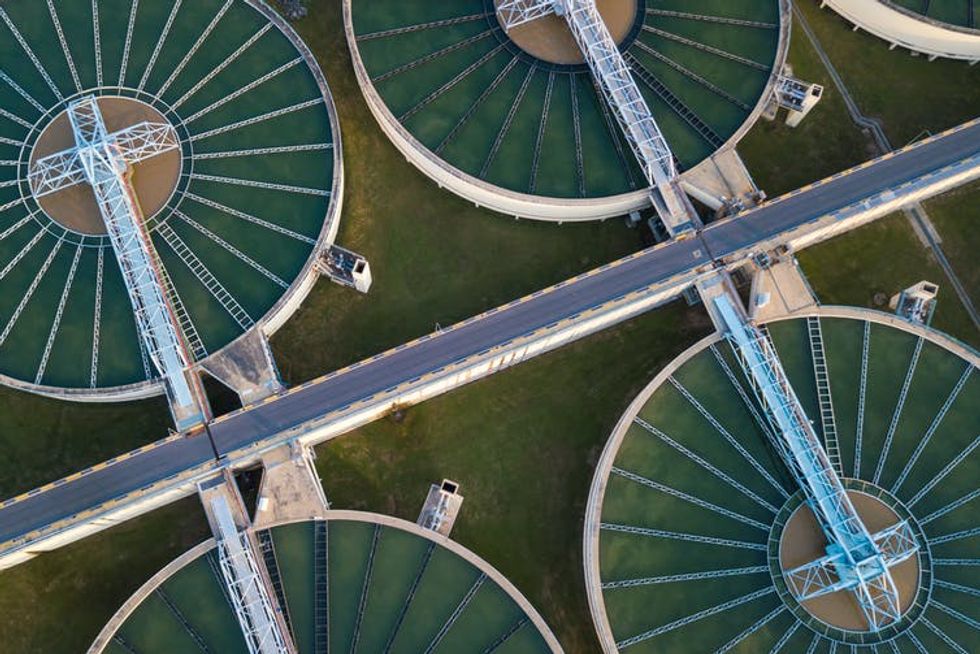
This is because in the developed world you defecate and your poo goes down the toilet, eventually flowing down a sewer to a community wastewater treatment plant. Although treatment plants are not perfect, they typically reduce resistance levels by well over 99%, substantially reducing resistance released to the environment.
Modern sewage treatment plants remove most AMR microbes. But they are currently not affordable in much of the world.
In contrast, over 70% of the world has no community wastewater treatment or even sewers; and most faecal matter, containing resistant genes and bacteria, goes directly into surface and groundwater, often via open drains.
This means that people who live in places without faecal waste management are regularly exposed to antibiotic resistance in many ways. Exposure is even possible of people who may not have taken antibiotics, like our child in South Asia.
Spreading through faeces
Antibiotic resistance is everywhere, but it is not surprising that resistance is greatest in places with poor sanitation because factors other than use are important. For example, a fragmented civil infrastructure, political corruption, and a lack of centralised healthcare also play key roles.
One might cynically argue that “foreign” resistance is a local issue, but antibiotic resistance spread knows no boundaries – superbugs might develop in one place due to pollution, but then become global due to international travel. Researchers from Denmark compared antibiotic resistance genes in long-haul airplane toilets and found major differences in resistance carriage among flight paths, suggesting resistance can jump-spread by travel.
The world’s current experience with the spread of SARS-CoV-2 shows just how fast infectious agents can move with human travel. The impact of increasing antibiotic resistance is no different. There are no reliable antiviral agents for SARS-CoV-2 treatment, which is the way things may become for currently treatable diseases if we allow resistance to continue unchecked.
As an example of antibiotic resistance, the “superbug” gene, blaNDM-1, was first detected in India in 2007 (although it was probably present in other regional countries). But soon thereafter, it was found in a hospital patient in Sweden and then in Germany. It was ultimately detected in 2013 in Svalbard in the High Arctic. In parallel, variants of this gene appeared locally, but have evolved as they move. Similar evolution has occurred as the COVID-19 virus has spread.
Relative to antibiotic resistance, humans are not the only “travellers” that can carry resistance. Wildlife, such as migratory birds, can also acquire resistant bacteria and genes from contaminated water or soils and then fly great distances carrying resistance in their gut from places with poor water quality to places with good water quality. During travel, they defecate along their path, potentially planting resistance almost anywhere. The global trade of foods also facilitates spread of resistance from country to country and across the globe.
What is tricky is that the spread by resistance by travel is often invisible. In fact, the dominant pathways of international resistance spread are largely unknown because many pathways overlap, and the types and drivers of resistance are diverse.
Resistant bacteria are not the only infectious agents that might be spread by environmental contamination. SARS-CoV-2 has been found in faeces and inactive virus debris found in sewage, but all evidence suggests water is not a major route of COVID-19 spread – although there are limited data from places with poor sanitation.
So, each case differs. But there are common roots to disease spread – pollution, poor water quality, and inadequate hygiene. Using fewer antibiotics is critical to reducing resistance. However, without also providing safer sanitation and improved water quality at global scales, resistance will continue to increase, potentially creating the next pandemic. Such a combined approach is central to the new WHO/FAO/OIE recommendations on AMR.
Other types of pollution and hospital waste
Industrial wastes, hospitals, farms, and agriculture are also possible sources or drivers of antibiotic resistance.
For example, about ten years ago, one of us (David) studied metal pollution in a Cuban river and found the highest levels of resistant genes were near a leaky solid waste landfill and below where pharmaceutical factory wastes entered the river. The factory releases clearly impacted resistance levels downstream, but it was metals from the landfill that most strongly correlated with resistance gene levels in the river.
There is a logic to this because toxic metals can stress bacteria, which makes the bacteria stronger, incidentally making them more resistant to anything, including antibiotics. We saw the same thing with metals in Chinese landfills where resistance gene levels in the landfill drains strongly correlated with metals, not antibiotics.
In fact, pollution of almost any sort can promote antibiotic resistance, including metals, biocides, pesticides, and other chemicals entering the environment. Many pollutants can promote resistance in bacteria, so reducing pollution in general will help reduce antibiotic resistance – an example of which is reducing metal pollution.
Hospitals are also important, being both reservoirs and incubators for many varieties of antibiotic resistance, including well known resistant bacteria such as Vancomycin-resistant Enterococcus (VRE) and Methicillin-resistant Staphylococcus aureus (MRSA). While resistant bacteria are not necessarily acquired in hospitals (most are brought in from the community), resistant bacteria can be enriched in hospitals because they are where people are very sick, cared for in close proximity, and often provided “last resort” antibiotics. Such conditions allow the spread of resistant bacteria easier, especially superbug strains because of the types of antibiotics that are used.
Wastewater releases from hospitals also may be a concern. Recent data showed that “typical” bacteria in hospital sewage carry five to ten times more resistant genes per cell than community sources, especially genes more readily shared between bacteria. This is problematic because such bacteria are sometimes superbug strains, such as those resistant to carbapenem antibiotics. Hospital wastes are a particular concern in places without effective community wastewater treatment.
Another critical source of antibiotic resistance is agriculture and aquaculture. Drugs used in veterinary care can be very similar (sometimes identical) to the antibiotics used in human medicine. And so resistant bacteria and genes are found in animal manure, soils, and drainage water. This is potentially significant given that animals produce four times more faeces than humans at a global scale.
Wastes from agricultural activity also can be especially problematic because waste management is usually less sophisticated. Additionally, agricultural operations are often at very large scales and less containable due to greater exposure to wildlife. Finally, antibiotic resistance can spread from farm animals to farmers to food workers, which has been seen in recent European studies, meaning this can be important at local scales.
These examples show that pollution in general increases the spread of resistance. But the examples also show that dominant drivers will differ based on where you are. In one place, resistance spread might be fuelled by human faecal contaminated water; whereas, in another, it might be industrial pollution or agricultural activity. So local conditions are key to reducing the spread of antibiotic resistance, and optimal solutions will differ from place to place – single solutions do not fit all.
Locally driven national action plans are therefore essential – which the new WHO/FAO/OIE guidance strongly recommends. In some places, actions might focus on healthcare systems; whereas, in many places, promoting cleaner water and safer food also is critical.
Simple steps
It is clear we must use a holistic approach (what is now called “One Health”) to reduce the spread of resistance across people, animals, and the environment. But how do we do this in a world that is so unequal? It is now accepted that clean water is a human right embedded in the UN’s 2030 Agenda for Sustainable Development. But how can we achieve affordable “clean water for all” in a world where geopolitics often outweigh local needs and realities?
Global improvements in sanitation and hygiene should bring the world closer to solving the problem of antibiotic resistance. But such improvements should only be the start. Once improved sanitation and hygiene exist at global scales, our reliance on antibiotics will decline due to more equitable access to clean water. In theory, clean water coupled with decreased use of antibiotics will drive a downward spiral in resistance.
This is not impossible. We know of a village in Kenya where they simply moved their water supply up a small hill – above rather than near their latrines. Hand washing with soap and water was also mandated. A year later, antibiotic use in the village was negligible because so few villagers were unwell. This success is partly due to the remote location of the village and very proactive villagers. But it shows that clean water and improved hygiene can directly translate into reduced antibiotic use and resistance.
This story from Kenya further shows how simple actions can be a critical first step in reducing global resistance. But such actions must be done everywhere and at multiple levels to solve the global problem. This is not cost-free and requires international cooperation – including focused apolitical policy, planning, and infrastructure and management practices.
Some well intended groups have attempted to come up with novel solutions, but those solutions are often too technological. And western “off-the-shelf” water and wastewater technologies are rarely optimal for use in developing countries. They are often too complex and costly, but also require maintenance, spare parts, operating skill, and cultural buy-in to be sustainable. For example, building an advanced activated sludge wastewater treatment plant in a place where 90% of the population does not have sewer connections makes no sense.
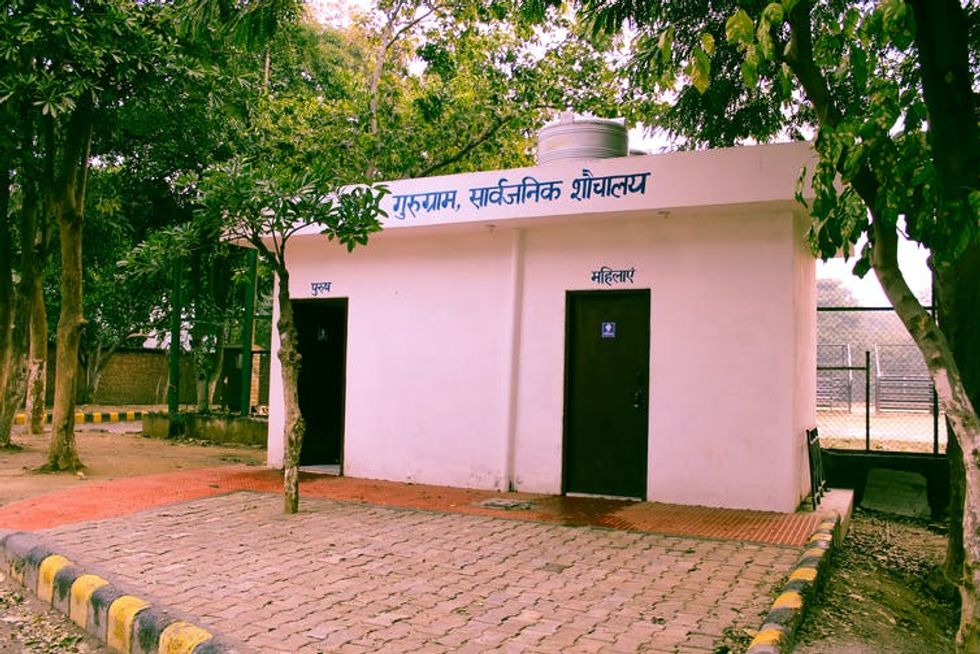
Simple is more sustainable. As an obvious example, we need to reduce open defecation in a cheap and socially acceptable manner. This is the best immediate solution in places with limited or unused sanitation infrastructure, such as rural India. Innovation is without doubt important, but it needs to be tailored to local realities to stand a chance of being sustained into the future.
Strong leadership and governance is also critical. Antibiotic resistance is much lower in places with less corruption and strong governance. Resistance also is lower in places with greater public health expenditure, which implies social policy, community action, and local leadership can be as important as technical infrastructure.
Why aren’t we solving the problem?
While solutions to antibiotic resistance exist, integrated cooperation between science and engineering, medicine, social action, and governance is lacking. While many international organisations acknowledge the scale of the problem, unified global action is not happening fast enough.
There are various reasons for this. Researchers in healthcare, the sciences, and engineering are rarely on the same page, and experts often disagree over what should be prioritised to prevent antibiotic resistance – this muddles guidance. Unfortunately, many antibiotic resistance researchers also sometimes sensationalise their results, only reporting bad news or exaggerating results.
Science continues to reveal probable causes of antibiotic resistance, which shows no single factor drives resistance evolution and spread. As such, a strategy incorporating medicine, environment, sanitation, and public health is needed to provide the best solutions. Governments throughout the world must act in unison to meet targets for sanitation and hygiene in accordance with the UN Sustainable Development Goals.
Richer countries must work with poorer ones. But, actions against resistance should focus on local needs and plans because each country is different. We need to remember that resistance is everyone’s problem and all countries have a role in solving the problem. This is evident from the COVID-19 pandemic, where some countries have displayed commendable cooperation. Richer countries should invest in helping to provide locally suitable waste management options for poorer ones – ones that can be maintained and sustained. This would have a more immediate impact than any “toilet of the future” technology.
And it’s key to remember that the global antibiotic resistance crisis does not exist in isolation. Other global crises overlap resistance; such as climate change. If the climate becomes warmer and dryer in parts of the world with limited sanitation infrastructure, greater antibiotic resistance might ensue due to higher exposure concentrations. In contrast, if greater flooding occurs in other places, an increased risk of untreated faecal and other wastes spreading across whole landscapes will occur, increasing antibiotic resistance exposures in an unbounded manner.
Antibiotic resistance will also impact on the fight against COVID-19. As an example, secondary bacterial infections are common in seriously ill patients with COVID-19, especially when admitted to an ICU. So if such pathogens are resistant to critical antibiotic therapies, they will not work and result in higher death rates.
Regardless of context, improved water, sanitation, and hygiene must be the backbone of stemming the spread of AMR, including antibiotic resistance, to avoid the next pandemic. Some progress is being made in terms of global cooperation, but efforts are still too fragmented. Some countries are making progress, whereas others are not.
Resistance needs to be seen in a similar light to other global challenges – something that threatens human existence and the planet. As with addressing climate change, protecting biodiversity, or COVID-19, global cooperation is needed to reduce the evolution and spread of resistance. Cleaner water and improved hygiene are the key. If we do not work together now, we all will pay an even greater price in the future.
To hear about new Insights articles, join the hundreds of thousands of people who value The Conversation’s evidence-based news. Subscribe to our newsletter.
North Korea will cut military and political communication links to "enemy" South Korea on Tuesday, state media said, after threats over activists sending anti-Pyongyang leaflets over the border.
The threats come with inter-Korean ties at a standstill, despite three summits between the North's Kim Jong Un and the South's President Moon Jae-in in 2018.
Pyongyang "will completely cut off and shut down the liaison line between the authorities of the North and the South, which has been maintained through the North-South joint liaison office," as well as other communication links "from 12:00 on June 9, 2020," the Korean Central News Agency said.
The links being cut also include "the East and West Seas communication lines" between militaries of the two sides, an inter-Korean "trial communication line" and a hotline between the Central Committee of the Workers' Party of Korea and South Korea's presidential Blue House, KCNA said.
Last week, the North threatened to close the liaison office with the South and threatened further steps to make Seoul "suffer."
Kim's powerful sister, Kim Yo Jong, also threatened to scrap a military agreement signed with Seoul unless the South stopped activists from sending the leaflets.
KCNA said Tuesday that Kim Yo Jong, and another top official, Kim Yong Chol, have "stressed that the work towards the South should thoroughly turn into the one against enemy."
Pyongyang largely cut off contact with Seoul following the collapse of a summit between Kim and US President Donald Trump in Hanoi last year that left nuclear talks at a standstill.
"When Americans say that they want and need tests, they weren't talking about the nuclear kind."
A group of 80 Democratic federal lawmakers on Monday called on President Donald Trump to drop his reported consideration of atomic bomb nuclear testing, calling it an "awful" and "dangerously provocative" proposal that could give rise to "a new nuclear arms race."
The demand came in a letter to the president—also sent to Pentagon chief Mark Esper and Energy Secretary Dan Broulliette—led by Sen. Ron Wyden (D-Ore.) and Rep. Bill Foster (D-Ill.).
The letter comes after the Washington Postreported last month that the administration had floated in May the idea of a carrying out the first nuclear test explosion since 1992 as a show of force to Moscow and Beijing, with one senior administration official calling the idea "very much an ongoing conversation."
"A return to nuclear testing is not only scientifically and technically unnecessary but also dangerously provocative," wrote the lawmakers. "It would signal to the world that the U.S. no longer has confidence in the safety, security, and effectiveness of our nuclear weapons. It would needlessly antagonize important allies, cause other countries to develop or acquire nuclear weapons, and prompt adversaries to respond in kind—risking a new nuclear arms race and further undermining the global nonproliferation regime. None of these developments would improve America's national security or strengthen its position in the world."
"A Trump nuclear test would cross a line no nation thought the U.S. would ever cross again, and is threatening the health and safety of all people."
—Beatrice Fihn, ICANThe possible of the resumption in testing was also the subject of a separate letter sent Monday to Esper and Broulliette from a group of House Democrats.
In that letter, House Armed Services Committee Chairman Adam Smith (D-Wash.) along with Reps. Jim Cooper (D-Tenn.), Nita Lowey (D-N.Y.), Marcy Kaptur (D-OH), and Pete Visclosky (D-IN) express concern that Congress was not informed of the content of the meeting in which the idea was floated. The lawmakers also called it "unfathomable that the administration is considering something so short-sighted and dangerous, and that directly contradicts its own 2018 Nuclear Posture Review (NPR)."
The letter continues:
The NPR, which this administration often cites as inviolable, makes clear that "the United States will not resume nuclear explosive testing unless necessary to ensure the safety and effectiveness of the U.S. nuclear arsenal." There is no information to suggest nuclear explosive testing is necessary based on these factors. In fact, the entities responsible for the safety and effectiveness of the nuclear deterrent—the Department of Energy's National Nuclear Security Administration (NNSA) and its nuclear weapons laboratories—have, without fail for 24 years, certified to the President that our nuclear weapons stockpile remains safe, secure, and reliable without the need for testing.
[...]
As the nation which tested more nuclear devices than every other nation combined, the United States benefits most from a global testing moratorium. For this same reason, ratifying the Comprehensive Test Ban Treaty would substantially enhance our national security. The notion that resuming testing would somehow pressure Russia or China into arms control negotiations is baseless and uninformed. Resuming testing would open the door for widespread global testing, which would only serve to benefit our adversaries and make Americans less safe. The administration should instead focus its efforts on productive arms control negotiations, including extending the New START Treaty, seeking limitations on the introduction of new and unnecessary military capabilities, and continuing to champion the long-standing global moratorium on testing.
The House lawmakers also pointed to the "far-reaching human and environmental impacts" that would accompany the resumed nuclear testing.
"One need look no further than the public health and environmental toll that previous nuclear testing—both by the U.S. and by others—has taken here at home and around the globe," the letter states.
The lawmakers gave a June 22 deadline for the answers to a number of questions including what legal authority Trump would cite to conduct the testing; whether intelligence agencies have analyzed the likely impacts of the testing; and what changed since the Department of Energy's National Nuclear Security Administration (NNSA) certified in February that the nation's nuclear stockpile was safe.
The possibility of the resumed nuclear testing had already sparked concern outside of Capitol Hill.
Sara Z. Kutchesfahani wrote Friday at the Bulletin of the Atomic Scientists:
A U.S. resumption of nuclear tests would send a bad signal to other countries and prompt them to test and create their own nuclear weapons. Moreover, innocent bystanders could be exposed to the radioactive fallout from a nuclear explosion. Tens of thousands of people have been afflicted by leukemia, thyroid cancer, miscarriages, and severe birth defects as a result of past nuclear testing in the United States alone.
Kutchesfahani also pointed to Japanese artist Isao Hashimoto's dramatic time lapse map of the 2,053 nuclear explosions that took place between 1945 and 1998.
Half of those tests—1,030—were conducted by the U.S., Kutchesfahani wrote, a total "more than the number of tests done by the other seven nuclear testing countries combined."
Center for Arms Control and Non-Proliferation executive director and former Congressman John Tierney (D-Mass.) also recently criticized the administration's proposal, calling it "nothing short of appalling" and "a clear sign of this administration's continued willingness to put Americans at risk," and especially concerning in light of the coronavirus pandemic.
"We are in the midst of the worst public health crisis of our lifetime and this is what the Trump administration is doing with its time?" he said. "When Americans say that they want and need tests, they weren't talking about the nuclear kind."
"Nuclear brinkmanship is not a game; nuclear weapons are not toys; and the Americans who live near or downwind of the Nevada National Security Site are not pawns to be blasted across a radioactive chess board," added Tierney.
The proposal has also drawn rebuke from the Nobel Peace Prize-winning International Campaign to Abolish Nuclear Weapons (ICAN).
"A Trump nuclear test would cross a line no nation thought the U.S. would ever cross again, and is threatening the health and safety of all people," said ICAN executive director Beatrice Fihn.
"Testing poisons environments, food, and lives—Americans are still dying from the original nuclear weapons tests. It would also blow up any chance of avoiding a dangerous new nuclear arms race. It would complete the erosion of the global arms control framework and plunge us back into a new Cold War. Only a multilateral solution can shore up these bilateral treaties Trump is ripping up," said Fihn.
"The TPNW is that solution," she said, referring to the historic 2017 Treaty on the Prohibition of Nuclear Weapons, which would ban the bomb.
Mexico's President Andres Manuel Lopez Obrador insisted Monday he was in good health and had no symptoms of coronavirus after a top official in his government tested positive for the virus.
"I don't get tested because I don't have symptoms. Fortunately, I'm fine, and I look after myself," the president told reporters at his daily press conference in Mexico City.
The country's social security chief Zoe Robledo said Sunday he had tested positive for COVID-19 and was self-isolating with his family. Robledo regularly appears at Lopez Obrador's daily press conferences.
The president, who toured the country last week to visit public work sites, said no member of his team had presented pandemic-related health problems.
"There hasn't been any problem in the presidency, those around me are maintaining social distancing measures," he said.
The president, known for embracing and kissing his supporters, admitted "it affects me a lot" by having to keep a distance. However he acknowledged that the social distancing requirement is part of "the new normal."
Mexico, which has a population of 127 million people, is second only to Brazil as the country with most COVID-19 deaths in Latin America.
The health ministry has to date reported almost 120,000 infections and nearly 14,000 deaths.
Critics are accusing President Jair Bolsonaro of manipulating the figures showing the spiralling coronavirus death toll in Brazil, after his government first stopped reporting the total number of fatalities and infections, and then released contradictory data.
Even as the situation has gotten worse in Brazil, the latest epicenter in the pandemic, the health ministry has made a series of unusual moves on how it presents the numbers on COVID-19.
The ministry had been the official and most widely used source for nationwide virus statistics, which paint a grim picture of its impact on Brazil: 36,455 deaths, the third-highest toll in the world, after the United States and Britain; and 691,758 infections, the second-highest caseload, after the US.
First, on Wednesday, the ministry began publishing the daily tally of infections and deaths around two and a half hours later each evening, just before 10:00 pm.
Many critics accused the government of doing that in a bid to avoid negative coverage on "Jornal Nacional," a popular evening news program on Globo TV, Brazil's biggest broadcaster.
Bolsonaro himself appeared to confirm as much when asked about the delay.
"That's the end of that story for 'Jornal Nacional,'" he said.
"Nobody needs to be running around on account of Globo."
Then, on Friday, the ministry stopped publishing the total number of deaths and infections, releasing only the figures for the past 24 hours for the country of 212 million people.
Things only got more muddled on Sunday, when the ministry released two different daily tolls at different times, without explaining why or indicating which was correct.
Had there been 1,382 new deaths and 12,581 new infections in the past 24 hours, or 525 deaths and 18,912 infections? For half a day, it was impossible to know.
The ministry -- currently run by an interim health minister, whose two predecessors were ousted mid-pandemic after disagreements with Bolsonaro -- explained Monday that the previous day's figures had been corrected because some of the data supplied by state health officials included duplicates.
But critics have been brutal.
"This is a statistical coup d'etat," said newspaper Folha de Sao Paulo, one of Brazil's most-read, in a scathing editorial.
"Manipulating the number of dead in a pandemic is a crime," said influential columnist Miriam Leitao in newspaper Globo.
- 'Totalitarian regime' -
The far-right president has famously compared the new coronavirus to a "little flu" and railed against stay-at-home measures to contain it, citing their economic toll.
The administration's changes to the way it handles the figures on the pandemic fueled fears it would try to manipulate them.
Concern only grew when well-known businessman Carlos Wizard, who has been tapped to serve as a top adviser in the health ministry, said Friday that the figures were "fantastical and manipulated."
That outraged state health officials who supply the underlying data.
"This is a senseless, inhuman, authoritarian and unethical attack to make those who have died from coronavirus invisible," they said.
Wizard later apologized to victims' families over the remark, and withdrew his candidacy for the health ministry post after online protesters threatened to boycott his companies.
"Manipulating statistics is a move used by totalitarian regimes," Supreme Court Justice Gilmar Mendes wrote on Twitter.
"This trick will not absolve anyone of responsibility for a possible genocide."
He added the hashtags "no to censorship" and "dictatorship never again."
Former health minister Luiz Henrique Mandetta, who was fired by Bolsonaro in April, said the handling of the data shows "the government is more harmful than the virus."
The government had already become the butt of jokes for its approach to the numbers.
When it began putting the number of recovered patients in larger font than the number of dead on its website, one social media user snickered it was like describing Brazil's humiliating 7-1 loss to Germany in the 2014 World Cup by saying "Brazil scored one goal, with 52 percent ball possession and eight shots on goal."
"It creates a parallel reality, as if the owners of the Titanic said, 'We saved this many people,'" Tomas Traumann, former communications secretary under ex-president Dilma Rousseff, told AFP.
NATO chief Jens Stoltenberg defended America's military commitment to Europe on Monday, following reports President Donald Trump plans to slash troop numbers in Germany.
Berlin has voiced concern at the proposal reported by US media to cut the 34,500 American military personnel posted in Germany by nearly a third.
The move would significantly reduce the US commitment to European defense under the NATO umbrella, and appeared to catch Berlin off guard.
Asked about the plans, Stoltenberg refused to comment directly on "leaks or media speculation" but said he was "constantly consulting" with Washington on its military presence in Europe.
And -- as he often does when pressed about the Trump administration's ambivalence towards NATO -- Stoltenberg launched into a detailed defence of Washington's commitment to European security.
"In the last few years we have actually seen an increase in the US presence in Europe again," he said.
"And this is not only about Germany. We have seen for instance a new US brigade deployed to Europe, we have seen more rotational presence, we have seen the US taking a lead function in the NATO battle group in Poland."
Despite transatlantic political tensions, Stoltenberg insisted that NATO allies were "doing more together now in Europe than we have done for many, many years".
Stoltenberg was speaking in an online question-and-answer session to launch an exchange of expert ideas aimed at strengthening the alliance in the wake of the coronavirus pandemic.
Later Stoltenberg tweeted that he had spoken by phone to Trump on "important security issues".
A NATO official said they "discussed US military posture in Europe, as they always do" but said the call was "long-planned" -- as opposed to being in response to recent events.
There has been no official confirmation about the reported plan to cut US troop numbers in Germany and cap them at 25,000.
But Trump's lukewarm support for longstanding cooperation agreements with European allies has long caused alarm on the continent.
He has been particularly scathing about Germany, Europe's economic powerhouse, accusing it of not spending enough on its own defense.
Germany hosts more US troops than any other country in Europe, a legacy of the Allied occupation after World War II, and while the presence has declined since the Cold War, it remains a crucial hub.
As well as serving as a deterrent to a resurgent Russia, US troops use German bases to coordinate military operations in Europe, Africa and the Middle East.
Russia announced Monday it would lift a range of anti-coronavirus measures including a strict lockdown on Moscow, despite still recording thousands of new infections every day.
Moscow Mayor Sergei Sobyanin said the capital's general lockdown and pass system would end on Tuesday, allowing residents to travel freely for the first time since late March.
"Moscow is returning to the usual rhythm of life," he said in a video message on Facebook, adding that the elderly and those with chronic diseases will be allowed to leave their homes.
Russia has been moving quickly to ease restrictions even as it registers nearly 9,000 new coronavirus cases and more than 100 deaths on a daily basis.
The country had recorded a total of 476,658 coronavirus infections as of Monday -- the third-highest number in the world -- and 5,971 deaths.
Officials say the high number is the result of a huge testing campaign, with more than 13 million tests carried out so far, and point to Russia's relatively low mortality rate as evidence it is safe to ease lockdowns.
Critics have accused authorities of under-reporting deaths and say officials are rushing to lift restrictions for political reasons.
President Vladimir Putin has rescheduled a high-profile World War II military parade in Red Square for June 24 and a vote on constitutional reforms for a week later, on July 1.
The vote, which will clear the way for changes allowing Putin to potentially stay in power beyond his current Kremlin term, was the centrepiece of the longtime leader's political calendar for this year but had to be postponed from April 22 as coronavirus cases surged.
- Danger 'still exists' -
Moscow, Russia's largest city with more than 12 million people, had been under lockdown since March 30.
Some measures have been gradually lifted over the last few weeks, with non-food retail shops permitted to reopen and residents allowed to go for walks according to a fixed schedule.
Sobyanin said that as well as all restrictions on movement being lifted from Tuesday, hairdressers, beauty salons and vets will be allowed to reopen.
Beginning next week, libraries, real estate offices and companies that provide services to residents will be able to resume their work, he said.
Restaurants and cafes would open in two stages beginning June 16 with Moscow residents allowed to visit terraces, with further restrictions easing the following week.
But the mayor urged caution, saying that the "likelihood of coronavirus infection has decreased, but still exists."
"We must constantly monitor the situation and prevent a new outbreak."
- International travel -
Russia also on Monday announced the first steps to allow its citizens to travel abroad, with Prime Minister Mikhail Mishustin saying a government order had been signed allowing them to leave the country to work, study or take care of sick relatives.
Foreigners could also visit Russia to care for relatives, he said, without making it clear how soon these new measures would be implemented.
All international flights were grounded in late March, although there have since been a few flights ferrying stranded Russians in and foreigners out.
Mishustin said the move was justified because the infection rate has stabilised over the last six days, particularly in Moscow.
Moscow is Russia's most-affected city with almost 200,000 confirmed cases and 2,970 deaths.
Other parts of Russia have seen emerging clusters of cases, including the Far Eastern Kamchatka peninsula, where 24 staff were infected at a children's home, Interfax news agency reported Monday.
The region, known for its active volcanoes and spectacular nature, has confirmed 1,168 cases out of a population of just over 300,000.
The number hospitalised in the region at 423 is already higher than the 406 beds prepared for virus patients, according to the regional health ministry's website.
Workers at Notre-Dame cathedral in Paris on Monday began the delicate task of removing tons of metal scaffolding that melted together during the fire that destroyed the monument's roof and spire last year, one of the riskiest operations in the rebuilding effort so far.
Around 40,000 tubes were fused into a tangled mass in the intense heat of the blaze, and must be removed without further damaging the limestone walls supporting the gothic vault.
Half of the metal remains suspended some 40 metres (130 feet) above the church's floor.
"When all this is taken care of, we'll be extremely relieved because the cathedral will have been saved," said Christophe Rousselot, director general of the Fondation Notre-Dame, the charity that is overseeing the collection of donations to the cathedral.
"Pieces of the scaffolding could fall and weaken parts of the walls," he said, describing the work as "very complicated, with a sizable degree of risk."
AFP / Philippe LOPEZ Officials must still decide on whether to rebuild the cathedral exactly as it was, or incorporate modern materials
A telescopic lift carried workers into the middle of the structure for a last evaluation, and a towering crane installed at the site brought up equipment.
Later this week, workers will be suspended by ropes to start sawing apart the scaffolding, an operation expected to last through the summer, Rousselot said.
The scaffolding had been installed for a renovation of the spire that was being carried out when the fire erupted on the evening of April 15, 2019.
Millions of people around the world watched as the fire tore through the church's roof, causing its steeple to collapse and sending billowing fumes containing toxic molten lead into the air.
Firefighters worked throughout the night to keep Notre-Dame from collapsing completely, though officials have said the structure remains at risk.
- Five-year goal -
Workers first had to install a new lattice of scaffolding to encompass the roughly 40 tonnes (88,000 pounds) of molten metal and stabilise it as well as the fire-scarred walls of the 13th-century masterpiece.
Two teams of five will take turns cutting away the tubes one by one while hanging from rope harnesses.
AFP/File / STEPHANE DE SAKUTIN Millions around the world watched as the fire tore through the church's roof
Once the tubes are cleared a more durable temporary roof can be installed to protect the cathedral's priceless artworks from rain, allowing actual restoration work to begin, though officials have said that might not start until next year.
Marking the first anniversary of the disaster in April, President Emmanuel Macron reiterated his goal of restoring Notre-Dame to its former glory by 2024.
But the renovation has been slowed by a series of delays, including the recent halt during the coronavirus lockdown that kept the 60 to 70 workers at home.
Work had already been stopped last year to remove the lead particles that settled on the site when the metal panelling in the roof melted.
Heavy concentrations of the metal settled on the square in front of the cathedral and on nearby streets that proved particularly difficult to remove, sparking fears that residents could be exposed to poisoning.
AFP / Philippe LOPEZ Around 40,000 tubes were fused into a tangled mass in the intense heat of the blaze
Several schools were closed for weeks as workers decontaminated classrooms and playgrounds, and the square in front was reopened to visitors only last month.
Countless other cleaning and restoration operations await, and the project's chief architect Philippe Villeneuve has warned that new challenges could arise as the work progresses.
Officials must also still decide on whether to rebuild the cathedral exactly as it was, or incorporate modern materials.
Macron has said he is open to adding a "contemporary" touch to the spire, for example, and plans to invite architects worldwide to make proposals.
The fire prompted an outpouring of funds from donors worldwide, with more than 900 million euros (nearly $1 billion) given or pledged by some 340,000 companies and individuals.
European countries experimented with further lifting coronavirus restrictions Monday as New Zealand declared victory over the pandemic, even as global cases topped seven million and deaths mounted in Latin America.
The number of COVID-19 fatalities has now passed 403,000 worldwide since the disease emerged in China last year before sweeping the globe, subjecting billions to some form of lockdown and paralyzing economies.
But even the hardest-hit countries are lurching back to a new kind of normal, with bars and restaurants coming back to life and travel restrictions lifted from London to Brussels to Moscow.
But in some places, it was far from business as usual.
Britain on Monday rolled out a 14-day quarantine for all travelers entering the country, prompting uproar from the badly hammered aviation industry which is eager to see travel revived.
Pubs and eateries flung their doors open in Belgium, but with social distancing measures in force, while Ireland opened shops and allowed gatherings and travel, also with limits.
New Zealand meanwhile buoyed hopes for the rest of the world as Prime Minister Jacinda Ardern declared that her country had beaten the virus and lifted all restrictions, though strict border controls remain.
The country's measures were lifted after its final coronavirus patient was declared recovered, prompting the leader to dance around her living room in celebration.
"We are confident we have eliminated transmission of the virus in New Zealand for now," Ardern said, adding that Kiwis had "united in unprecedented ways to crush the virus".
New Zealand Rugby also announced its top-flight domestic competition would restart this week, with fans allowed to pack into the stadiums for the first time in months.
- Belgian bar 'invaded' -
Governments around the world are cautiously peeling back punishing lockdown measures to resuscitate economies while trying to avoid a resurgence of infections.
Moscow said Monday it would ease border restrictions and lift lockdown measures in the Russian capital from Tuesday, while Ireland said it would permit gatherings of six people and allow citizens to travel up to 20 kilometers (12 miles) from home, an extension from the previous five-kilometer limit.
In Brussels, thirsty patrons lined up in the early morning for a cold beverage at L'Union, eager to drink in a pub again after three months of closures -- much to the relief of manager Bart Lemmens.
"I was a bit worried beforehand," he said, as some 50 people crowded into the pub.
"We work to create a convivial atmosphere. I was afraid we'd lose that. But what happened? We were invaded."
Britain embarked on a more cautious reopening, imposing a two-week quarantine for anyone coming into the country by land, sea or air -- British nationals included -- sparking legal action by airlines.
British Airways and low-cost carriers EasyJet and Ryanair said in a joint statement the measure would devastate tourism and destroy even more jobs.
At London's Heathrow Airport, where only two of the five terminals are operating, the quarantine measures were welcomed by some.
"It's a good idea," said Sandy Banks, 45, returning to Britain with her three children from Jamaica via the United States.
"Other countries are doing it."
- Chile death count -
But across the Atlantic, countries were gearing up for the worst as the outbreak escalated in Latin America, the new virus hotspot, with Brazil, Mexico and Peru particularly hard hit.
Brazil has the world's third-highest death toll at more than 36,000, but President Jair Bolsonaro continues to play down the impact of the virus and has urged regional officials to lift lockdown measures.
And in Chile the confirmed death toll reached 2,290 after miscalculations from March and April were corrected, adding 1,541 to the figure, officials said.
Still, after a 10-week lockdown, the government is risking lifting some curbs to ease the devastating impacts on the economy, and malls and temples reopened in several Indian cities on Monday.









 AFP / Philippe LOPEZ
  AFP/File / STEPHANE DE SAKUTIN
  AFP / Philippe LOPEZ