Top Stories Daily Listen Now
RawStory

Science

Lost in space: Astronauts struggle to regain bone density

Astronauts lose decades' worth of bone mass in space that many do not recover even after a year back on Earth, researchers said Thursday, warning that it could be a "big concern" for future missions to Mars.

Previous research has shown astronauts lose between one to two percent of bone density for every month spent in space, as the lack of gravity takes the pressure off their legs when it comes to standing and walking.

Keep reading... Show less

Webb telescope: NASA to reveal deepest image ever taken of Universe

NASA administrator Bill Nelson said Wednesday the agency will reveal the "deepest image of our Universe that has ever been taken" on July 12, thanks to the newly operational James Webb Space Telescope.

"If you think about that, this is farther than humanity has ever looked before," Nelson said during a press briefing at the Space Telescope Science Institute in Baltimore, the operations center for the $10 billion observatory that was launched in December last year and is now orbiting the Sun a million miles (1.5 million kilometers) away from Earth.

Keep reading... Show less

‘Cognitive immobility’ – when you’re mentally trapped in a place from your past

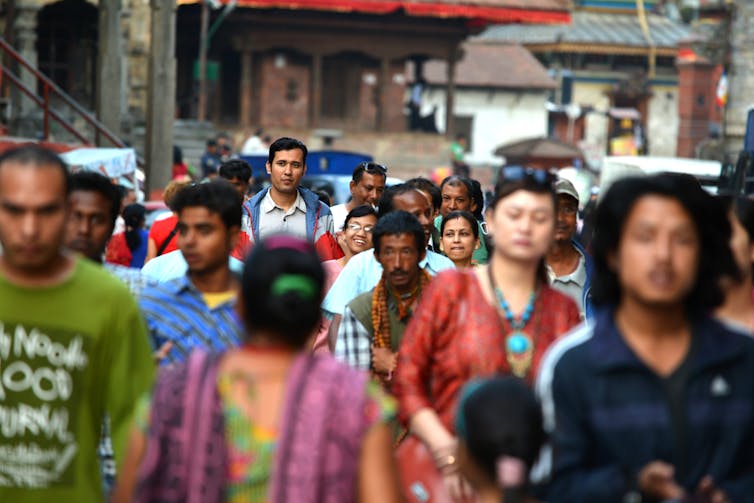
If you have moved from one country to another, you may have left something behind – be it a relationship, a home, a feeling of safety or a sense of belonging. Because of this, you will continually reconstruct mental simulations of scenes, smells, sounds and sights from those places – sometimes causing stressful feelings and anxiety.

This describes what I have dubbed “cognitive immobility”, outlined in my new research article, published in Culture & Psychology. The study used autoethnography, a research method in which the author is also the topic of investigation. The research was partly based on my feelings, thoughts and experiences while living in the UK and Germany, far from my ancestral home in Igbo land, Africa.

Keep reading... Show less

The iPhone turns 15: a look at the past (and future) of one of the 21st century’s most influential devices

Today marks 15 years since Apple released what’s arguably its flagship device: the iPhone. A decade and a half later, there are few products that have managed to reach a similar level of brand recognition.

Announced to an eager audience in 2007, the iPhone has revolutionised how we communicate and even how we live day to day.

Keep reading... Show less

This giant kangaroo once roamed New Guinea – descended from an Australian ancestor that migrated millions of years ago

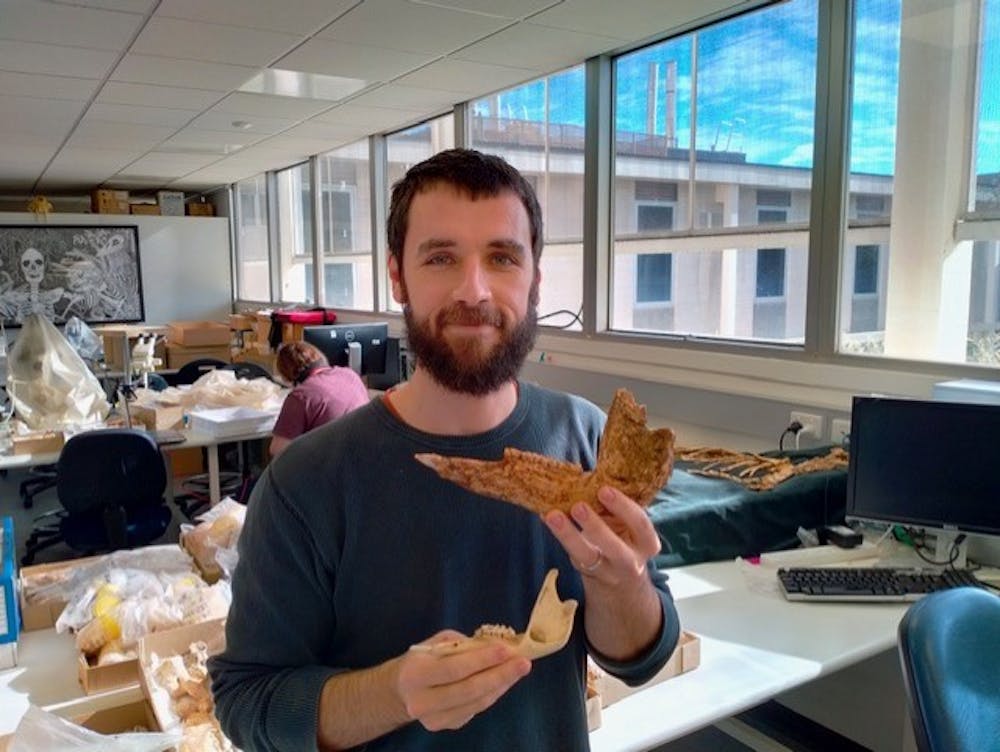
Long ago, almost up until the end of the last ice age, a peculiar giant kangaroo roamed the mountainous rainforests of New Guinea.

Now, research to be published on Thursday by myself and colleagues suggests this kangaroo was not closely related to modern Australian kangaroos. Rather, it represents a previously unknown type of primitive kangaroo unique to New Guinea.

Keep reading... Show less

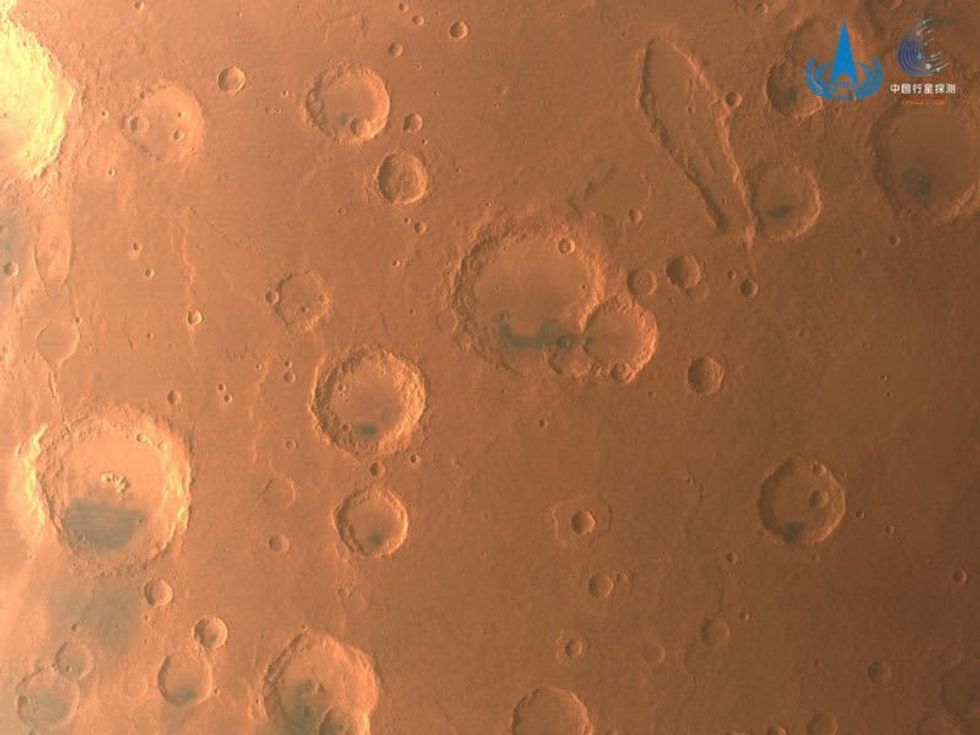
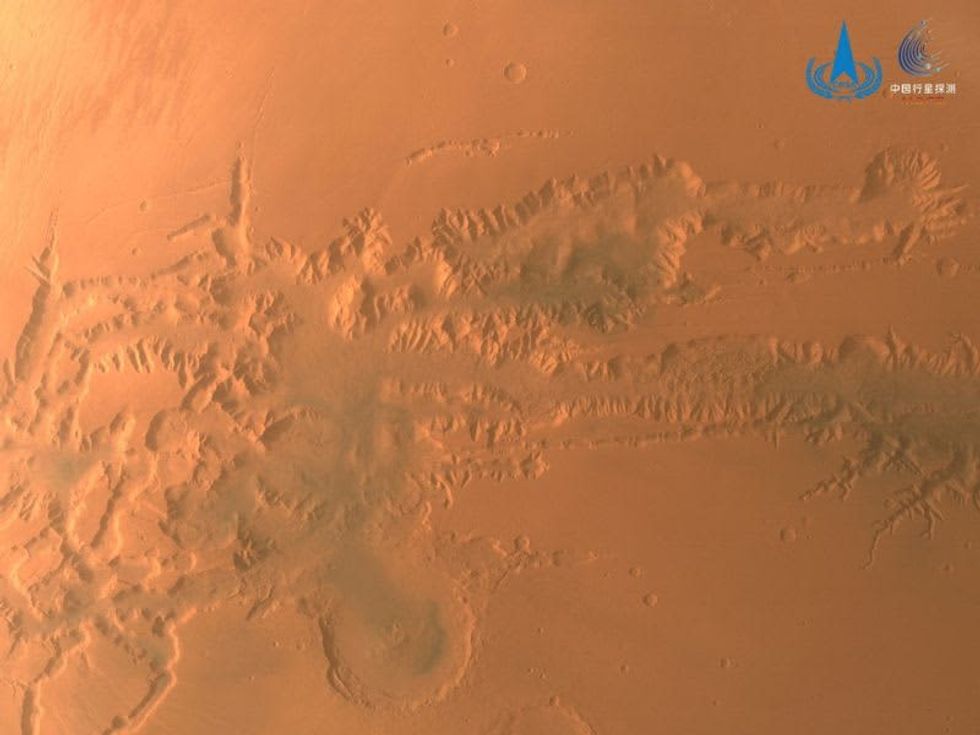
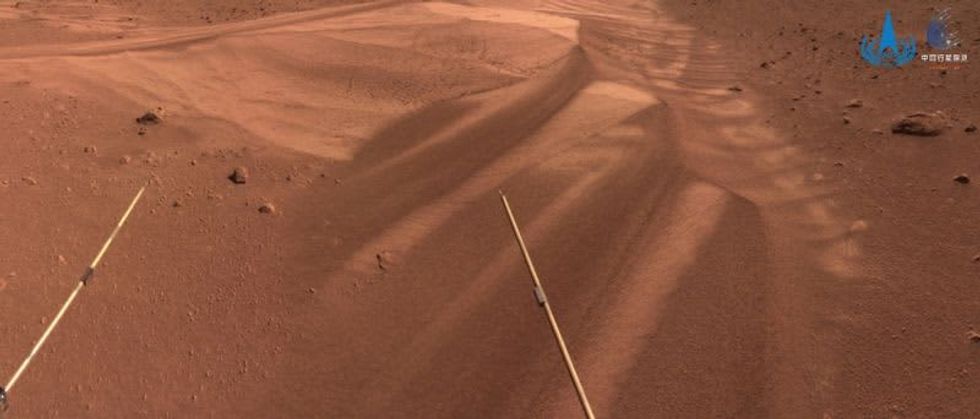
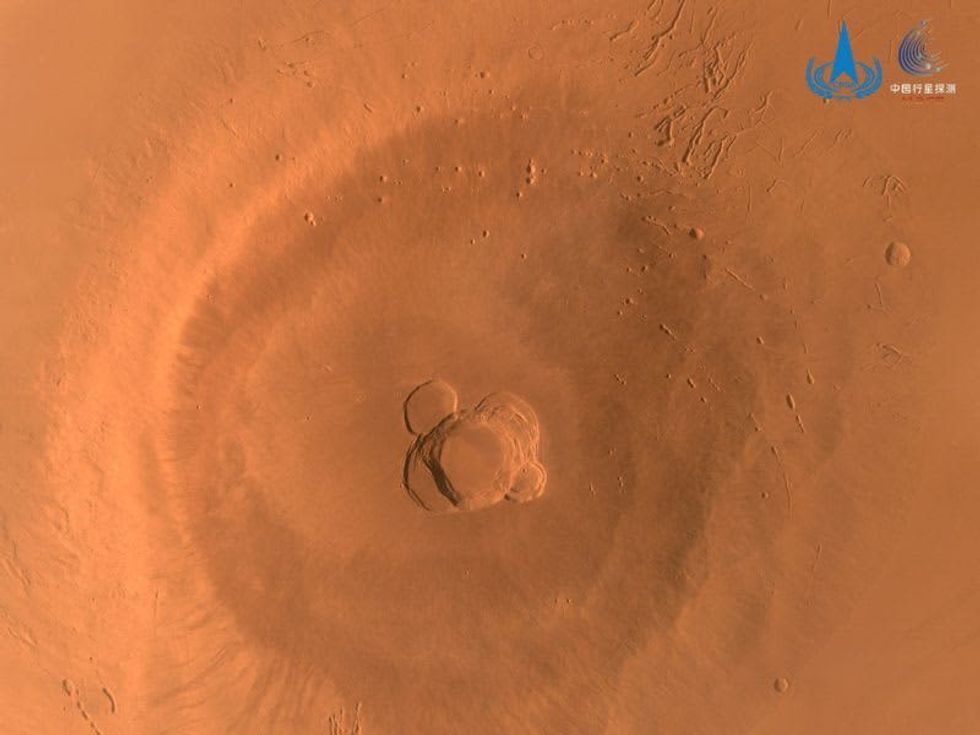
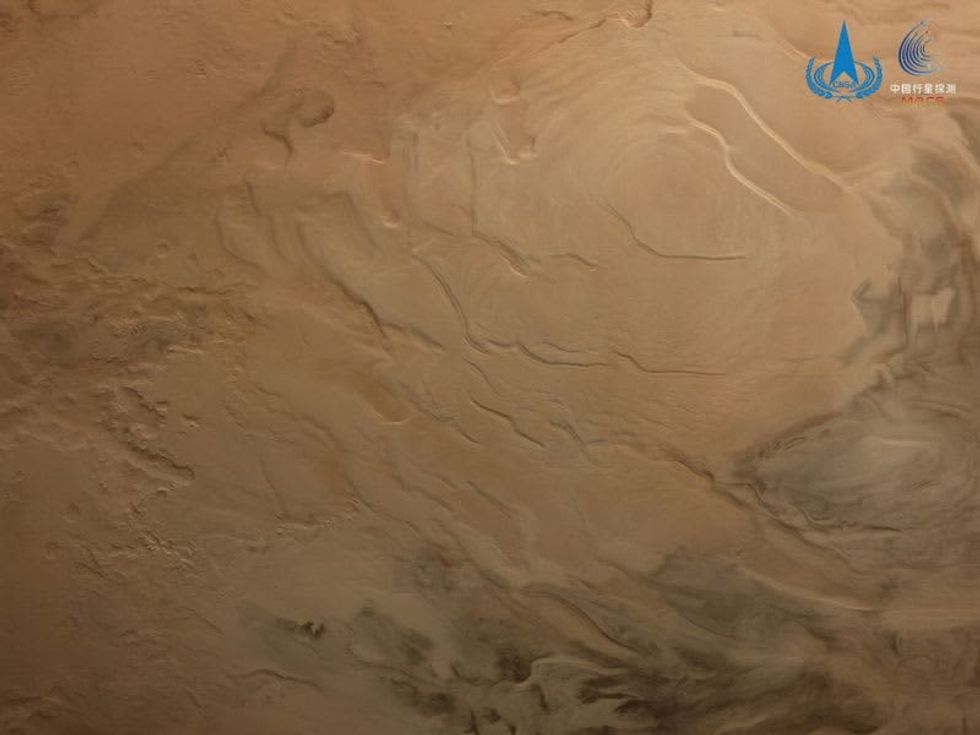
Chinese spacecraft acquires images of entire planet of Mars

BEIJING (Reuters) - An uncrewed Chinese spacecraft has acquired imagery data covering all of Mars, including visuals of its south pole, after circling the planet more than 1,300 times since early last year, state media reported on Wednesday.

China's Tianwen-1 successfully reached the Red Planet in February 2021 on the country's inaugural mission there. A robotic rover has since been deployed on the surface as an orbiter surveyed the planet from space.

Keep reading... Show less

Early human ancestors one million years older than thought

The fossils of our earliest ancestors found in South Africa are a million years older than previously thought, meaning they walked the Earth around the same time as their East African relatives like the famous "Lucy", according to new research.

The Sterkfontein caves at the Cradle of Humankind world heritage site southwest of Johannesburg have yielded more Australopithecus fossils than any other site in the world.

Keep reading... Show less

Biodiversity risks could persist for decades after global temperature peak

Research revealed Monday that even if global temperatures fall after peaking this century, climate-related risks to wildlife "may remain for decades to centuries."

"Urgent action is needed to ensure we never approach, let alone exceed, the 2°C limit."

Keep reading... Show less

Life in the abyss, a spectacular and fragile struggle for survival

Cloaked in darkness and mystery, the creatures of the deep oceans exist in a world of unlikely profusion, surviving on scant food and under pressure that would crush human lungs.

This extremely hostile environment, which will come under the spotlight at a major United Nations oceans summit in Lisbon this week, has caused its inhabitants to develop a prodigious array of alien characteristics and idiosyncratic survival techniques.

Keep reading... Show less

Wolf culls change hunting habits and help caribou conservation

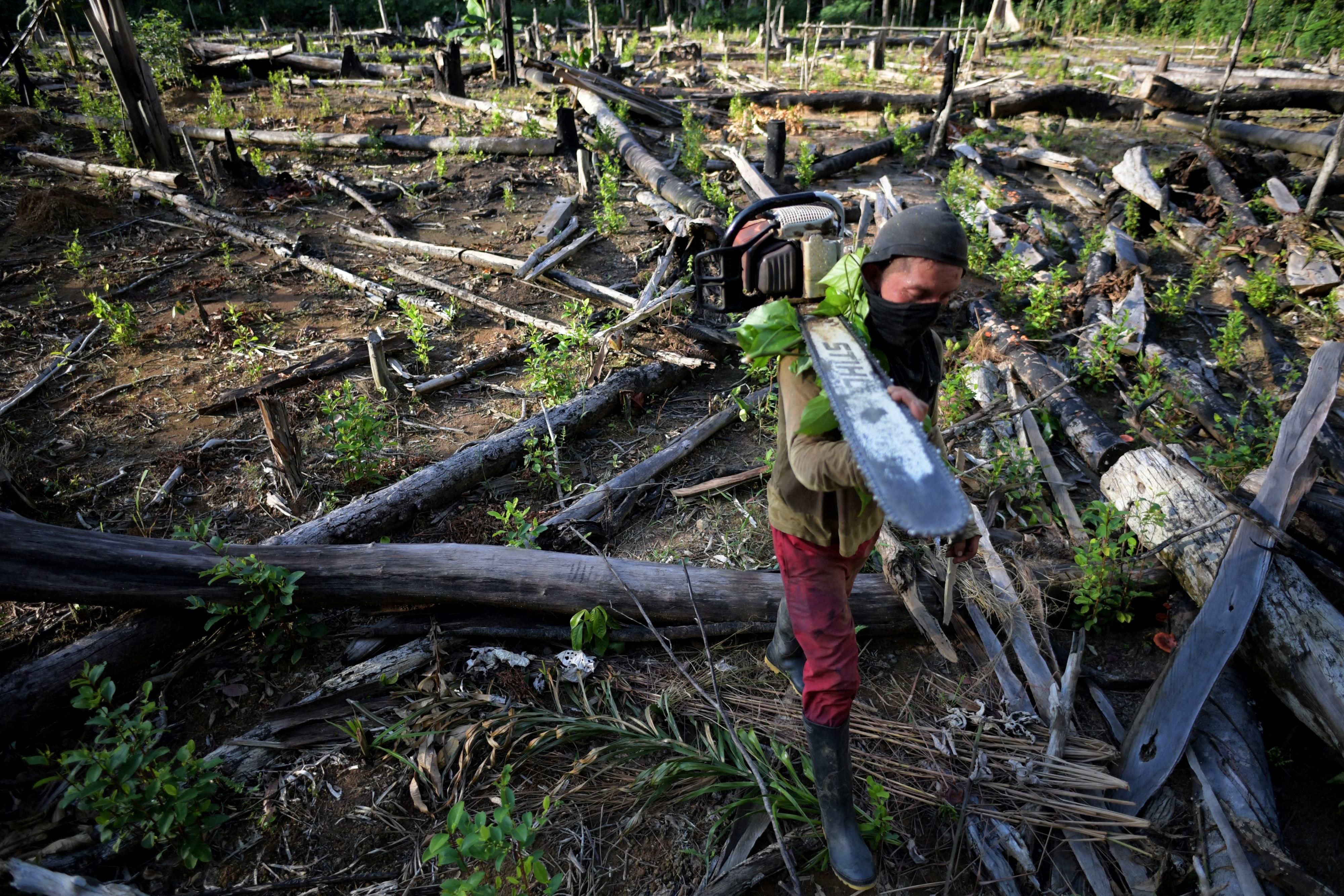
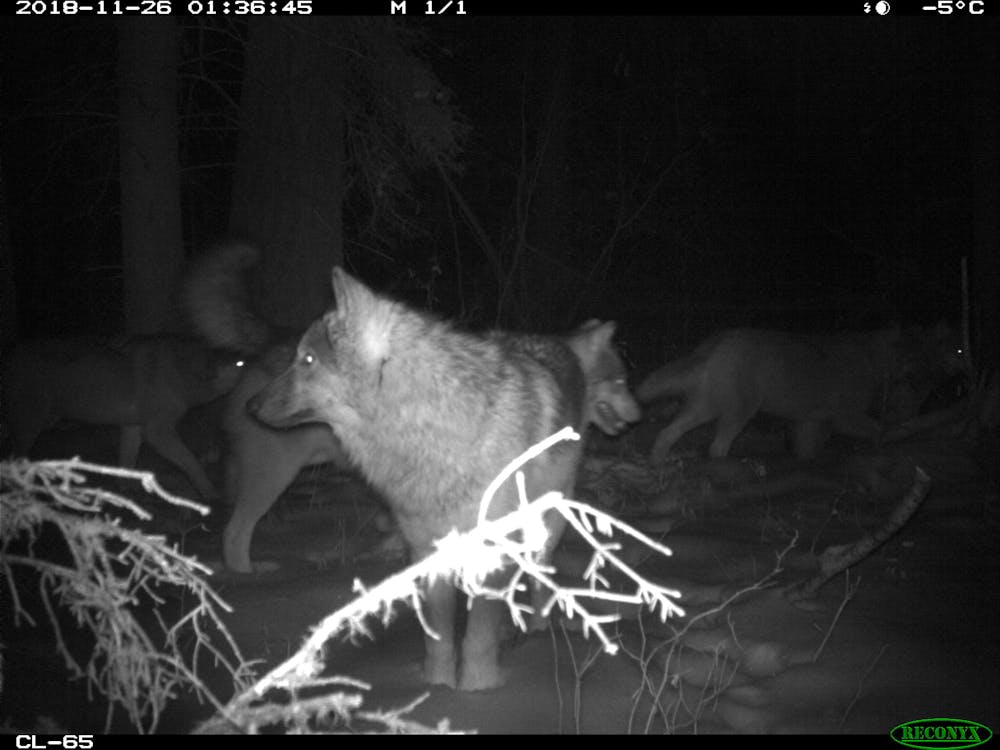
My first near-wolf experience was in a forestry cutblock. I heard the wolf’s howl rise like a ghostly siren. I couldn’t see the wolf because it was obscured by dense regrowing aspen saplings in a previously harvested stand.

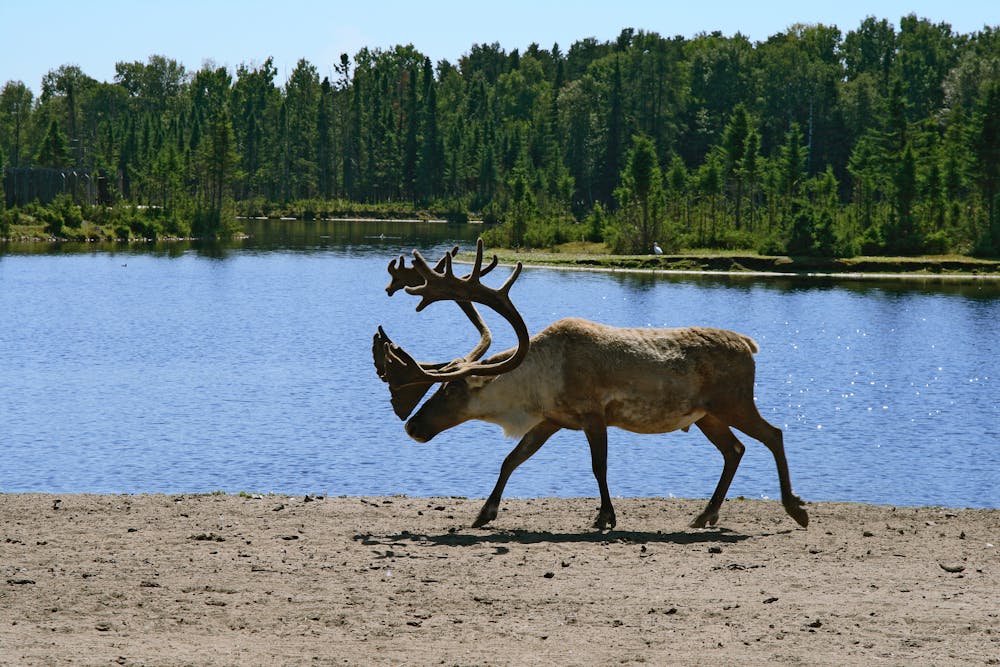
In Canada’s boreal forest, wolves have to adjust to the widespread landscape changes left by petroleum extraction and forestry. Being smart, wolves have turned these new human-made landscapes to their advantage. Mature forest is replaced by young forests, which provide attractive environments for invading white-tailed deer, bolstering wolf populations.

Keep reading... Show less

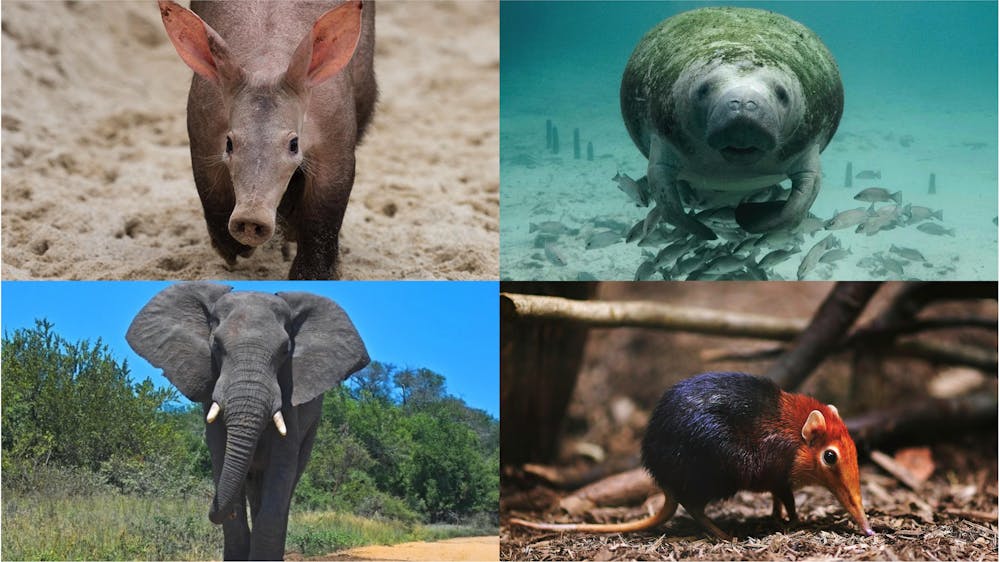
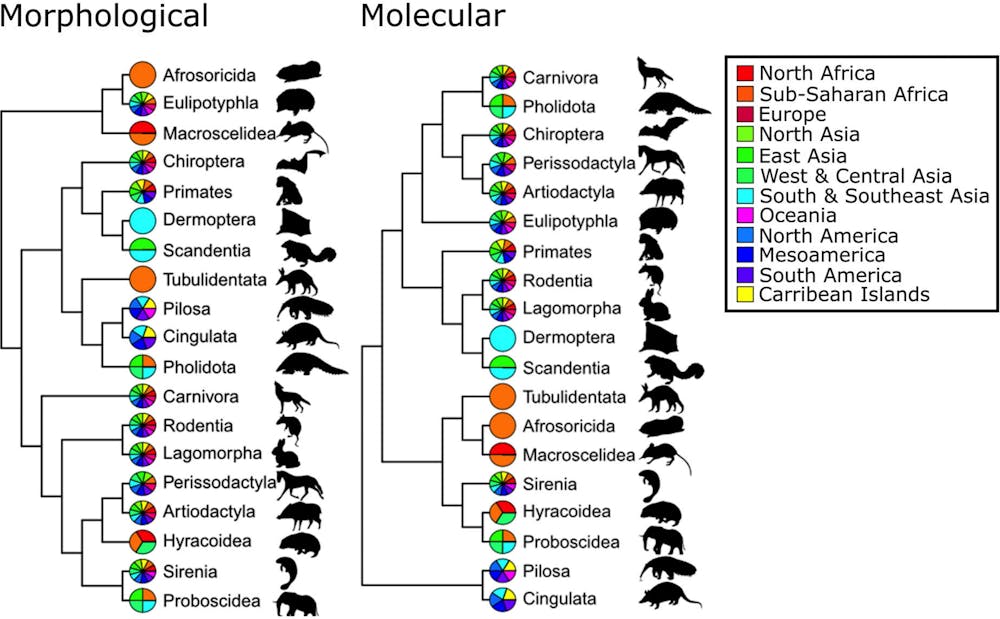
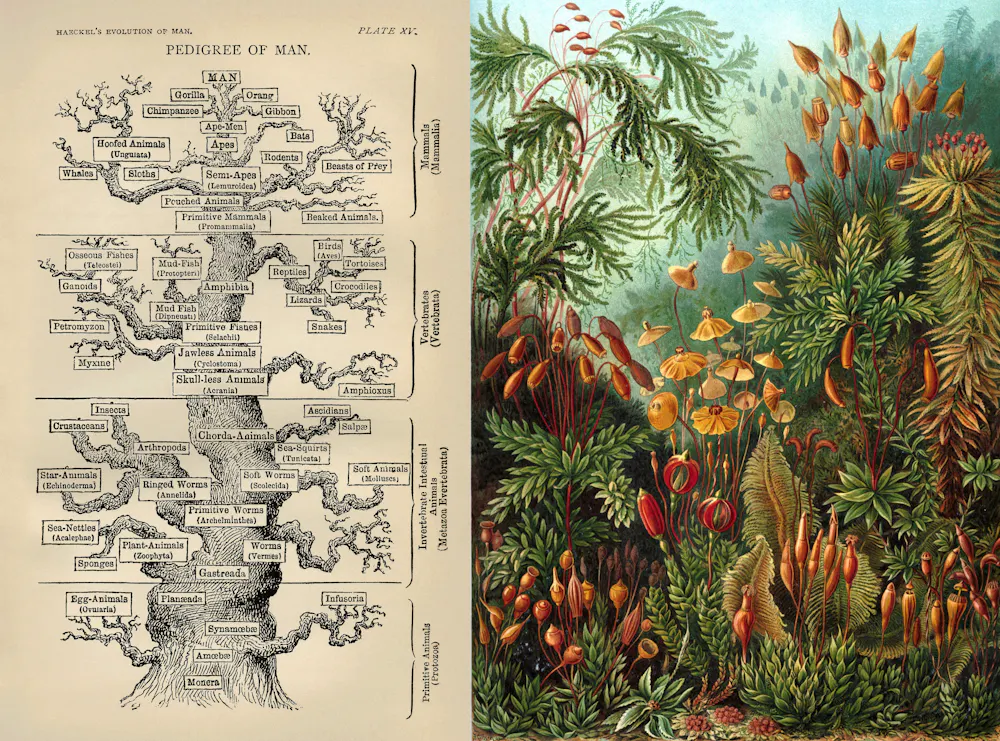
Evolutionary tree of life: modern science is showing how we got so much wrong

If you look different to your close relatives, you may have felt separate from your family. As a child, during particularly stormy fall outs you might have even hoped it was a sign that you were adopted.

As our new research shows, appearances can be deceptive when it comes to family. New DNA technology is shaking up the family trees of many plants and animals.

Keep reading... Show less

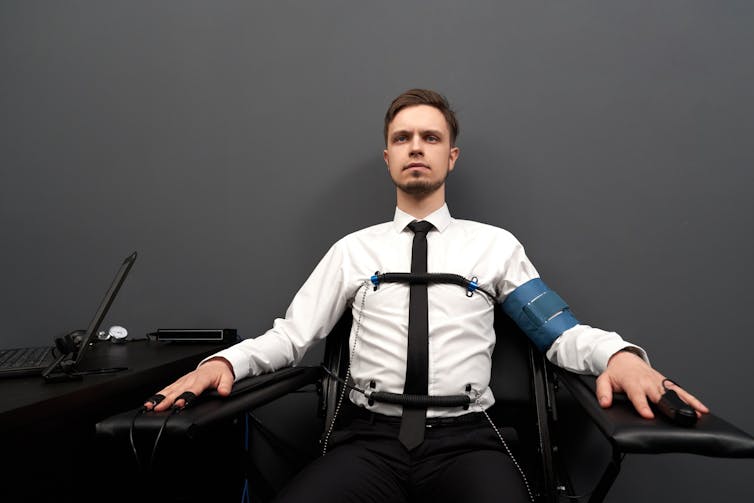
The mathematics of human behavior: how my new model can spot liars and counter disinformation

Understanding the human mind and behavior lies at the core of the discipline of psychology. But to characterize how people’s behavior changes over time, I believe psychology alone is insufficient – and that additional mathematical ideas need to be brought forward.

My new model, published in Frontiers in Psychology, is inspired by the work of the 19th-century American mathematician, Norbert Wiener. At its heart is how we change our perceptions over time when tasked with making a choice from a set of alternatives. Such changes are often generated by limited information, which we analyze before making decisions that determine our behavioral patterns.

Keep reading... Show less

Pfizer’s omicron booster improves immune response, company says

Pfizer’s two omicron-focused booster vaccines massively improve a person’s immune response against the COVID variant, the company said Saturday. Across clinical trials involving more than 1,200 people, Pfizer tried two different omicron boosters: one focused solely on the omicron variant (called a monovalent vaccine) and one that used Pfizer’s initial vaccine but tweaked it to also combat omicron (called bivalent). The monovalent booster increased immune response between 13- and 19-fold, a massive increase that varied based on the dose size. The bivalent shot boosted immune response between 9-...