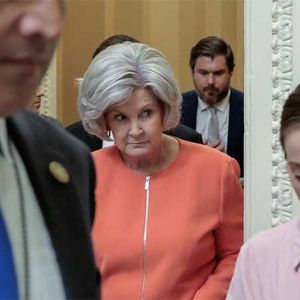
Rep. Jim Jordan (R-OH) came armed with gotcha questions at Wednesday's House Judiciary Committee hearing on the Southern Poverty Law Center — and walked away empty-handed after civil rights attorney Maya Wiley repeatedly deflected his attacks by pointing to one inconvenient fact: the donors don't care.
Acting Attorney General Todd Blanche used the phrase "Manufacturing Hate" — charging that the SPLC was "not dismantling these groups" but "manufacturing the extremism it purports to oppose" — and it became the hearing's title. The committee convened in the wake of a federal grand jury indictment on April 21, charging the SPLC with 11 counts, including wire fraud, false statements to a federally insured bank, and conspiracy to commit money laundering.
The DOJ alleged the SPLC funneled more than $3 million in donor funds to individuals associated with violent extremist groups, including the Ku Klux Klan and the American Nazi Party. At the same time, those informants remained "engaged in the active promotion of racist groups." The SPLC has called the charges politically motivated, saying its informants helped law enforcement put violent extremists behind bars.
Jordan zeroed in on what he framed as a donor fraud scheme — arguing the SPLC featured paid informants on its "extremist of the month" web page to solicit donations without disclosing it was paying those same individuals $140,000. "They said, let's stop the racist — even though we're paying him to be racist," Jordan said. "Is that appropriate, Ms. Wiley?"
Wiley asked him to clarify. "I'm sorry — which part?"
"Sorry. All of that," Jordan fired back. "Is that appropriate — to tell your donors, this is the extremist of the month, this hateful racist guy is really bad, send us money, but not tell those donors that we're paying this guy $140,000?"
Wiley, president and CEO of the Leadership Conference on Civil and Human Rights, refused to take the bait. "We have public reporting that over a dozen donors actually said that they sent money," she replied.
Jordan cut her off. "Field Source 42 got $140,000 from the Southern Poverty Law Center, was featured on their web page as extremist of the year — or month, or whatever they call these bad guys. Is that appropriate? Simple question."
"Donors have supported it," Wiley said, "and they keep trying to send more money to the Southern Poverty Law Center."
Jordan grew visibly frustrated. "No. No. No. Is that technique appropriate? That's what I'm asking."
"That is not unlawful," Wiley said.
"I didn't ask if it was lawful or unlawful," Jordan snapped. "What I'm asking you — is it appropriate?"
Wiley landed the sharpest blow of the exchange: "The donors have spoken. And in fact, they're trying to send more money now, and their financial institutions are refusing to send the money."
He never got the answer he was looking for.
Civil rights organizations had sounded the alarm ahead of the hearing, warning it was part of a broader campaign to weaponize the federal government against nonprofit watchdog groups. Wednesday's exchange did little to counter that argument.
Report typos and corrections to corrections@rawstory.com.
For customer support contact support@rawstory.com.