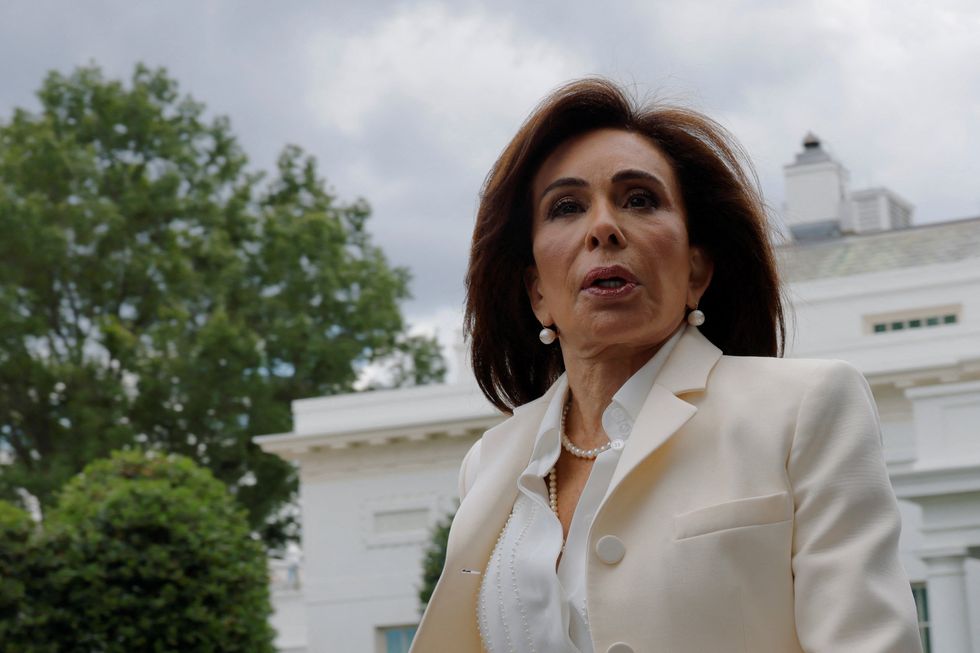
Jeanine Pirro, United States Attorney for the District of Columbia, walks out of the White House to be interviewed in Washington, D.C., U.S., September 2, 2025. REUTERS/Brian Snyder

The target of who or whom U.S. Attorney Jeanine Pirro's special grand jury will be hearing testimony on makes her choice to invoke the rare legal tool all the more baffling, the Washington Post is reporting.
More than two weeks ago, the Post first reported that Pirro, a former Fox News personality, had quietly empaneled a separate grand jury under murky circumstances, coming not long after President Trump had sharply criticized her.
Legal experts told the Post at the time that the maneuver stood out as "notable," particularly given Trump's openly stated wish to see Pirro go after his most prominent political rivals.
Now, in a Thursday follow-up, the Post reports that the grand jury's actual focus appears to be something far removed from criminal prosecutions: the District's public school system.
"The scope of the investigation appears broad with prosecutors focused on supervision and oversight of children in the District," the Post's Perry Stein is reporting. "The people said prosecutors have contacted multiple D.C. Public Schools teachers and other personnel in recent days to question them about truancy and graduation rates, and how attendance records are kept. The people, like others interviewed for this article, spoke on the condition of anonymity to discuss an ongoing investigation."
The scrutiny arrives against a backdrop of genuine concern over D.C. schools — truancy rates have climbed in recent years, and the Post has separately documented how lax enforcement of attendance rules has coincided with a rise in youth crime.
Even so, a criminal investigation into how schools track absences is "even more unusual" with Pirro reaching for a special grand jury to assist her as she implements "an investigatory tool that has rarely been used in the District," Stein noted.
Unlike an ordinary grand jury, a special grand jury can issue a potentially damaging report about its subject even if prosecutors never assemble enough evidence for an indictment, the report notes.
"The federal investigation into D.C. schools could reignite tensions between the Trump administration and the local government," based on past comments by the president calling the community "crime-infested and dirty."
Report typos and corrections to corrections@rawstory.com.
For customer support contact support@rawstory.com.